Tüm Yazılar
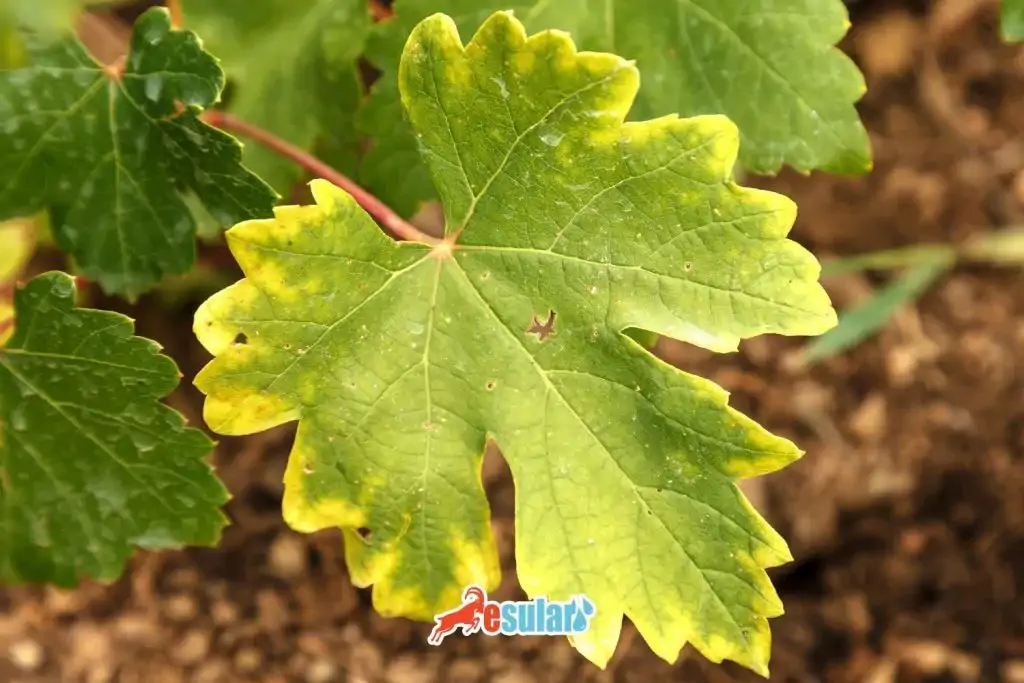
What is Iron Deficiency in Plants?
Iron deficiency in plants is a condition that occurs when there is an insufficiency of the iron element, which is of critical importance for the healthy development of plants. Iron plays a role in many vital functions in plants such as chlorophyll production, energy transfer, nitrogen fixation, respiration, and general metabolism. Iron deficiency manifests itself with symptoms such as chlorosis (yellowing) and color change between veins, especially in young leaves. When this deficiency is not treated, plant growth slows down, yield decreases, and the plant may die in advanced stages. Iron deficiency is generally more common in alkaline soils (pH> 7.5) and calcareous regions. Appropriate fertilization and soil management techniques should be applied to meet the iron needs of plants and maintain their healthy development.
Importance of Iron for Plants
Iron is a vital microelement for plants and plays important roles in various basic physiological and biochemical processes. Iron, which is necessary for chlorophyll synthesis in plants, is directly effective in the photosynthesis process. Without chlorophyll production, plants cannot use sunlight efficiently, and this negatively affects growth and development processes. Iron is also an important component in energy transfer and the respiratory chain. A decrease in energy production leads to a slowing of cell division in plants and deterioration of overall plant health. Nitrogen fixation is a process where plants take nitrogen from the atmosphere and convert it into organic compounds, and iron plays a critical role in this process as well. Iron deficiency can slow down plant growth and development by negatively affecting nitrogen fixation.
Finally, iron is found in the structure of many enzymes in plants, and these enzymes function in the regulation of plant metabolism. Iron deficiency causes the general health and resistance of plants to decrease, making them more vulnerable to diseases and environmental stresses. Therefore, the importance of iron for plants is great, and preventing its deficiency plays a critical role in crop production.
Symptoms of Iron Deficiency in Plants
Iron deficiency in plants usually manifests itself with distinct symptoms seen on the leaves. Since iron is not mobile in plants, deficiency symptoms first appear in new and young leaves. Common symptoms of iron deficiency in plants:
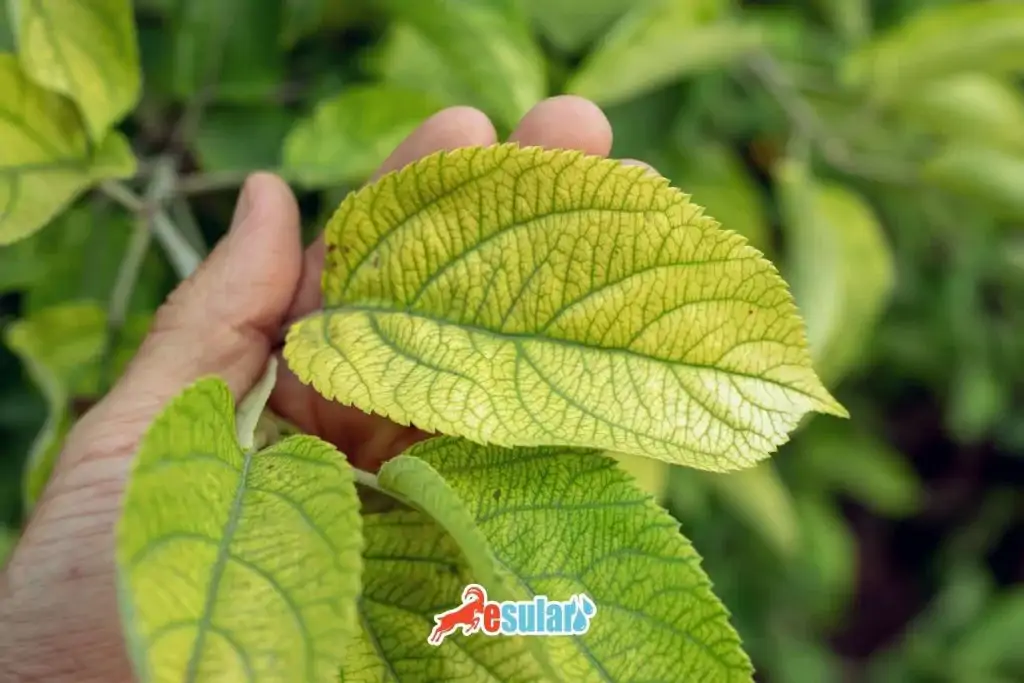
Leaf Chlorosis (Yellowing): Iron deficiency manifests itself in the form of yellowing (chlorosis) between the veins of the leaves. While the veins of young leaves remain green, the leaf tissue turns yellow.
Whitening: In advanced stages, the leaves can turn completely white. This situation indicates that chlorophyll production has significantly decreased.
Leaf Veins Becoming Prominent: When yellowing begins, leaf veins become more prominent and retain their dark green color.
New Leaves Being Lifeless and Thin: Iron deficiency can cause newly emerging leaves to be lifeless, thin, and weak.
Growth Retardation: Iron deficiency slows down the overall growth rate of the plant. Dwarfing and general developmental retardation can be seen in plants.
Weak Flowering and Fruit Yield: Iron deficiency negatively affects flowering and fruit yield. Flowers develop poorly and fruit yield decreases.
Drying in Branches and Leaves: Advanced iron deficiency leads to the drying of leaves and branches. This situation indicates that the plant is under severe stress.
Leaf Shedding: Severe iron deficiency can cause leaves to shed. This indicates that the health of the plant is in serious danger.
Causes of Iron Deficiency
There are various reasons that lead to iron deficiency in plants. These reasons are related to soil conditions, irrigation habits, and environmental factors. Here are the main factors that can cause iron deficiency in plants:
Soil pH Level: In alkaline soils where the soil pH level is high (pH>7.5), iron becomes unabsorbable by plants. This situation is more common especially in regions where calcium carbonate is abundant.
Organic Matter Content: Iron deficiency can be seen in soils with high or low organic matter ratios. This is related to the mineral balance of the soil.
Other Elements in the Soil: Phosphorus-rich soils and soils with high lime rates reduce iron intake. The presence of high levels of zinc, manganese, molybdenum, and other heavy metals in the soil prevents iron intake.
Bicarbonate Ratio of Soil and Irrigation Water: A high bicarbonate ratio in the soil and irrigation water makes iron intake difficult.
Irrigation Habits: Excessive irrigation prevents iron intake by reducing the amount of oxygen in the soil. Incorrect irrigation methods can negatively affect iron absorption by disrupting the soil pH balance.
Soil Aeration: Insufficient aeration of the soil reduces iron absorption. Enriching the soil with oxygen is important for iron intake.
Environmental Conditions: In seasons and regions where temperatures are high, plants may have difficulty in iron intake. Damage or weakening of roots due to factors such as temperature and humidity makes iron intake difficult.
Quality of Irrigation Water: The irrigation water being calcareous or having a high pH level can prevent iron intake.
Due to these reasons, iron deficiency can occur in plants and this situation negatively affects the healthy development of plants.
Preventive and Remedial Methods for Iron Deficiency in Plants
Preventive and Remedial Methods for Iron Deficiency
- Sulfur and sulfate-containing substances can be used to lower the pH level in alkaline soils. This facilitates iron absorption by increasing the acidity level of the soil.
- Regular aeration of the soil increases iron intake. Aeration ensures the enrichment of the soil with oxygen.
- Soil analysis should be performed to gain information about soil pH levels and mineral content. This helps determine whether the soil has an iron deficiency.
- Leaf analysis can be performed to understand whether the yellowing seen on the leaves is caused by iron deficiency.
- Chelated iron increases the absorption of iron by plants in the soil. Fertilizers containing chelated iron in powder or granule form can be applied to the soil.
- Fertilizers containing ammonium or sulfur facilitate the absorption of iron by the plant by increasing the acidity of the soil.
- Complex NPK fertilizers enriched with chelated microelements can be effective in meeting the iron needs of plants.
- Correct Irrigation Techniques: Avoiding over-irrigation and using appropriate irrigation techniques can increase the soil's iron intake.
- Use of Lime-Free Water: Using lime-free water as irrigation water supports the iron absorption of plants.
- Controlling excessive temperature and humidity conditions that negatively affect iron intake by plants can reduce iron deficiency.
- Compost and organic fertilizers can be used to increase the organic matter content of the soil. This improves the soil structure and increases iron absorption.
Kategoriler
Etiketler