
Tüm Yazılar

What is Nitrogen Fertilizer?
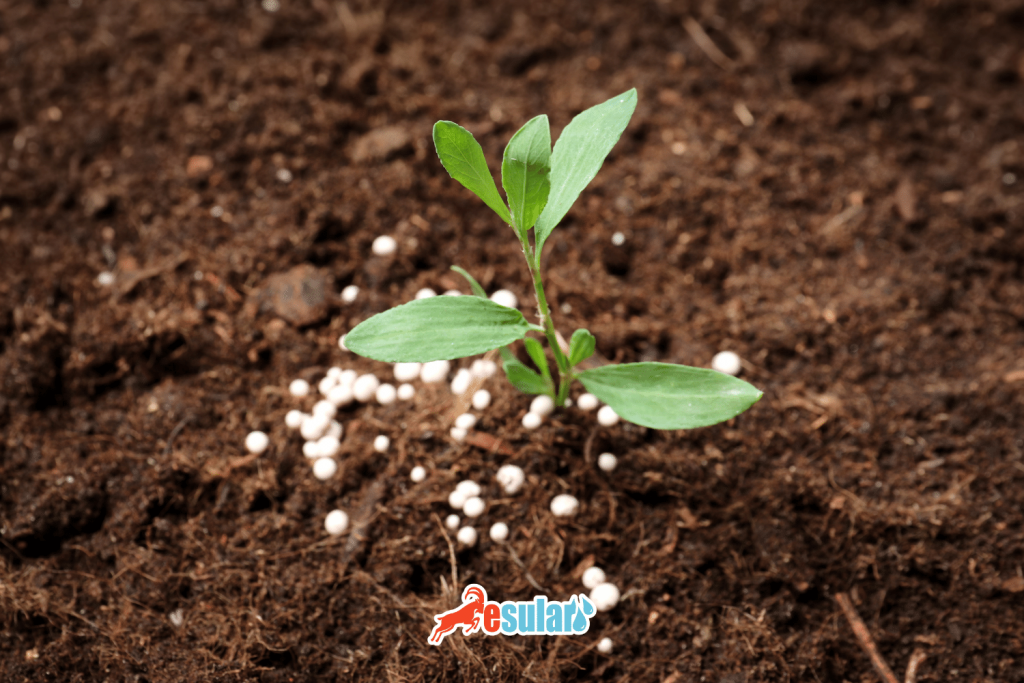
Nitrogen fertilizer is a type of fertilizer used to eliminate the deficiency of nitrogen, which is the basic nutrient of plants, and to encourage plant development. The amount of nitrogen naturally present in the soil may not fully meet the needs of plants. For this reason, additional nitrogen is provided to plants by using nitrogen fertilizers. Nitrogen fertilizers can generally be obtained from different chemical compounds such as ammonium nitrate, urea, ammonium sulfate, or from organic sources. These fertilizers provide nitrogen in a form that can be quickly absorbed by plants. It is important to use nitrogen fertilizers in the correct amount and at the appropriate time. Excessive use of nitrogen can cause environmental pollution and a decrease in soil fertility. Therefore, factors such as plant type, soil properties, and climate conditions should be considered when applying nitrogen fertilizer, and the fertilization program should be determined accordingly. Additionally, care should be taken to prevent soil and water pollution during the fertilization process.
What are the Types of Nitrogen Fertilizer?
Nitrogen fertilizers are different types of fertilizers used to meet the nitrogen needs of plants. These fertilizers provide the nitrogen element, which is important for the growth and development of plants. Here are some common types of nitrogen fertilizers:
- Urea: Urea is a fertilizer containing 46% nitrogen. It is generally found in prill or granular form and contains nitrogen in the amide (NH2) form, which is not in a form directly usable by plants. It becomes available for uptake by plants after being converted to ammonium by bacteria in the soil. Urea is generally used for fertilizing field and garden plants.
- Ammonium Sulfate: Ammonium Sulfate is a fertilizer containing 21% nitrogen and 24% sulfate. Nitrogen in the ammonium (NH4) form can be quickly absorbed by plants. Additionally, it meets the sulfur needs of plants. It can be used safely in calcareous soils.
- Ammonium Nitrate: Ammonium Nitrate is a fertilizer containing 26% nitrogen. It contains nitrogen in both ammonium (NH4-N) and nitrate (NO3-N) forms. In this way, plants can receive the nitrogen they need at different growth stages. However, due to its explosive properties, the use of pure Ammonium Nitrate fertilizer for agricultural purposes has been banned.
- Nitrate Fertilizers: Fertilizers containing nitrate, such as potassium nitrate and calcium nitrate, provide nitrogen in the nitrate form that can be quickly absorbed by plants. These fertilizers are generally applied to plants especially during periods of rapid growth.
- Ammonium Phosphate: Ammonium phosphate is a fertilizer containing both nitrogen and phosphorus. While nitrogen in the ammonium (NH4) form is provided in a form usable by plants, phosphorus plays an important role in the root development and flowering process of plants.
These are some common types of nitrogen fertilizers. These fertilizers should be used appropriately according to the needs of the plants and soil conditions.
Which Fertilizer Has the Most Nitrogen?
Urea fertilizer generally has a nitrogen content between 45% and 46%. This high nitrogen content is effective in meeting the need for nitrogen, which is a basic nutrient for the growth and development of plants.
What Does Nitrogen Do in Plants?
Nitrogen is a nutrient of vital importance for plants and performs a series of important functions. Here are the basic functions of nitrogen on plants:
- Nitrogen is used in the synthesis of amino acids, which are the building blocks of plant proteins. Additionally, it is found in the structure of many enzymes and acts as a catalyst in metabolic reactions.
- Nitrogen plays an important role in the synthesis of chlorophyll molecules. Additionally, it is required for the synthesis of other cellular components such as nucleic acids.
- Nitrogen is needed for the formation of new cells and the expansion of existing tissues. Nitrogen encourages the growth of roots, leaves, stems, and flowers.
- Providing nitrogen in sufficient amounts allows plants to perform more photosynthesis and produce more nutrients. This helps in obtaining larger and healthier fruits, vegetables, or grains.
- Nitrogen can help plants be more resistant to various stress conditions. For example, plants with sufficient nitrogen can be more resistant to drought, salinity, or diseases.
In conclusion, nitrogen is a vital nutrient for plants and performs many important functions such as growth, development, productivity, and stress tolerance. Therefore, it is important to provide a sufficient amount of nitrogen so that plants can be grown healthily and productively.
What are the Symptoms of Nitrogen Deficiency in Plants?
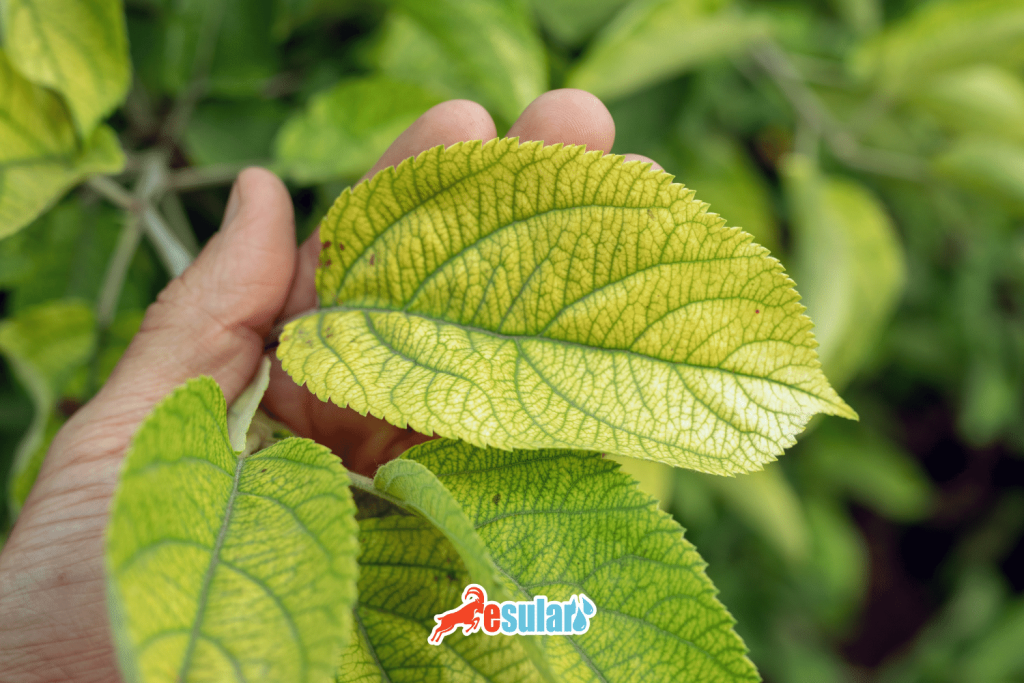
Nitrogen deficiency in plants usually manifests itself with some symptoms that are evident in the leaves. These symptoms are generally associated with a slowing or stopping of the plant's growth and development. In case of nitrogen deficiency, yellowing is usually observed in the leaves of plants. Leaves may appear pale and lifeless. Leaves lose their normal color and take on a pale appearance. It negatively affects the growth rate of the plant. The root, leaf, and stem development of plants slows down or may stop. This situation is usually also associated with the general size of the plant remaining small. Nitrogen deficiency negatively affects plant productivity. The fruit, flower, or seed yield of plants may decrease and the quality is lowered. Nitrogen deficiency symptoms are usually observed during the growth periods of the plant and should be eliminated by taking appropriate measures. For this, the application of fertilizers containing nitrogen and providing the nutrients that the plant needs are important.
How to Use Nitrogen Fertilizers?
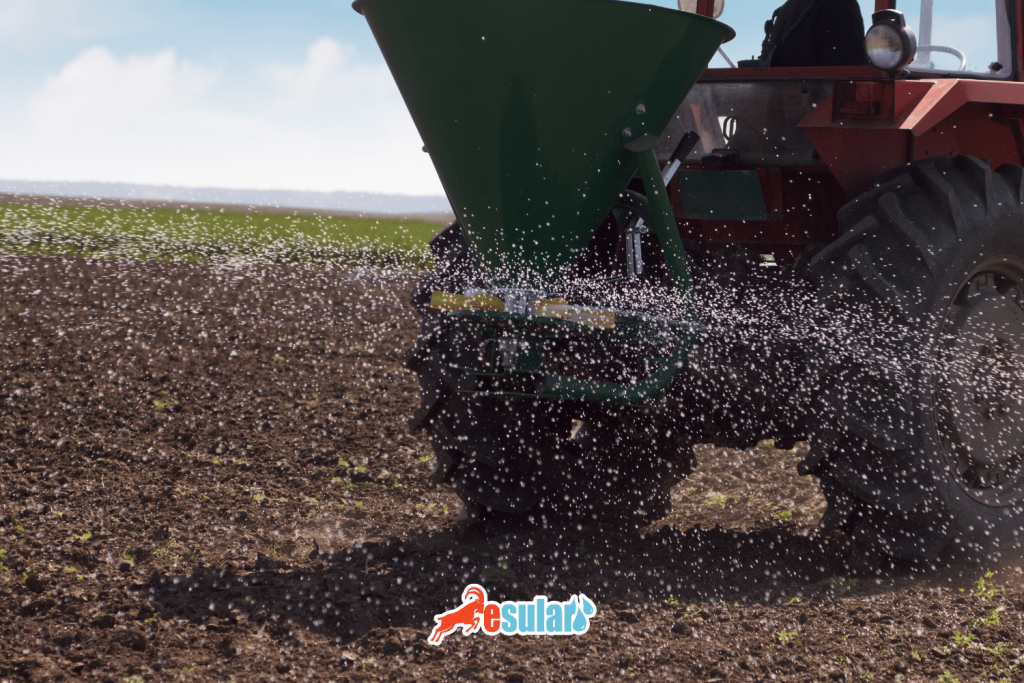
There are some points to consider in the use of nitrogen fertilizers. First, the timing and amount of fertilization are important. Fertilizer application should be made by determining an appropriate time according to the growth periods and needs of the plants. Additionally, the amount of fertilizer should be carefully calculated and adjusted according to the needs of the plant. When applying fertilizer, it is important to distribute the fertilizer correctly and mix it into the soil. Fertilizers are generally applied by sprinkling on the soil or spreading on top of the soil and then mixed with the soil. In this way, the access of plant roots to the fertilizer becomes easier and nutrients can be absorbed more effectively. Soil structure and plant type are also important factors for fertilizer application. Finally, the environmental effects of fertilizer application should also be considered. Excessive fertilizer use can cause soil and water pollution. Therefore, a balanced fertilization strategy should be followed. Additionally, the correct storage and use of fertilizers also help to reduce environmental impacts. In this way, the effective and environmentally friendly use of nitrogen fertilizers can be ensured.
When to Use Nitrogen Fertilizers?
The timing of applying nitrogen fertilizers varies according to the plant type and growth period.
For grains, nitrogen fertilizers such as Ammonium Sulfate (AS) and Urea are used together with sowing or before the tillering period. In wheat farming, a second nitrogen fertilizer application should be avoided in dry years. It is important to use sufficient nitrogen fertilizer during normal precipitation periods in deep and well-fallowed soils.
For fruit trees, nitrogen fertilizers are generally applied foliarly by spraying before flowering or in the autumn. To eliminate nitrogen deficiency, fertilizers are spread under the tree canopy and mixed into the soil.
In vineyards, while part of the nitrogen fertilizers is given during soil tillage in February or March, fertilizers such as Urea are applied before the first hoeing.
For vegetables, nitrogen fertilizers can be applied in one or two doses depending on the vegetation period. Part of these fertilizers is given to the soil 15 days after planting, and the other part is given after the fruit has set. In bostan farming, part of the nitrogen fertilizers is given during sowing, and the other part is given before hoeing.
What Happens if Too Much Nitrogen Fertilizer is Used?
Excess nitrogen can cause negative effects for plants. First of all, this situation can disrupt the normal growth and development of plants. Leaves may grow excessively and remain green, but this growth pattern is not healthy. Additionally, excess nitrogen can delay the flowering process and fruit ripening of plants. This can negatively affect the reproductive abilities and productivity of plants. An increase in the number of shoots is also a common result; this can lead to unnecessary branching and energy loss of the plants. Finally, excess nitrogen can cause early aging in plants, which can lead to plants drying out or wilting before their normal lifespan. Therefore, it is important to provide the amount of nitrogen plants need in a balanced way, so that negative effects can be avoided and healthy growth can be encouraged.
Kategoriler
Etiketler