
What is Organic Farming? How is Organic Farming Done?

24 Ocak 2026 Erhan Sandal 1 görüntülenme
Tüm Yazılar

What is Organic Farming? How is Organic Farming Done?

Organic farming is a farming method that aims to use natural resources sustainably and protect the soil. This approach includes organic fertilizers, natural pest control methods, and practices that encourage biodiversity instead of synthetic chemical fertilizers and pesticides. Organic farming protects soil fertility, conserves water resources, and aims to obtain healthy products by minimizing environmental impacts. With the increasing interest in organic products among consumers, organic farming is being adopted by more and more farmers and producers. Additionally, raising animals in accordance with their natural living conditions is an important element as part of organic farming.

What is Organic Farming?

Organic farming refers to an agricultural practice where environmentally friendly and sustainable farming methods are used during the cultivation of plant and animal products. This method aims to protect natural resources, increase soil fertility, and minimize chemical use. Organic farming aims to offer healthy and environmentally sensitive products to the consumer.

This farming method is gaining more and more interest in order to promote healthy nutrition and maintain farm activities within natural cycles. The implementation of this farming method ensures that not only the farmer but also the consumer makes environmentally and health-conscious choices.

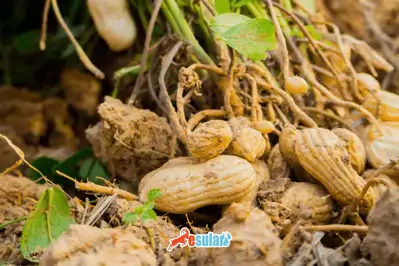
organik-tarim-nedir

How is Organic Farming Done?

How is organic farming done, which stands out as a method adopting environmentally friendly and sustainable agricultural practices. This farming model aims to protect the environment, animals, and human health by not including the use of synthetic substances such as chemical fertilizers and pesticides during the production of plant and animal products. In order for this method to be carried out successfully, it is necessary to select suitable land, obtain necessary permits, follow the transition process, and meticulously maintain inspections carried out by authorized organizations. This process includes important steps to ensure the compliance of organic farming with standards and to guarantee the reliability of organic products to consumers.

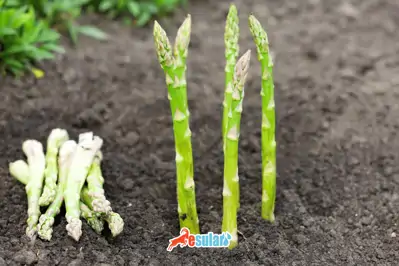
organik-tarim-nasil-yapilir

Certain steps must be followed for organic farming to be carried out successfully:

  1. Suitable Land Selection: Suitable land selection is very important for organic farming. A healthy and natural environment far from garbage disposal areas, rivers containing harmful chemicals, and mining operations is essential.

  2. Ministry of Agriculture and Forestry Permits: In order to do organic farming, it is necessary to apply to and obtain permission from one of the control and certification bodies authorized by the Ministry of Agriculture and Forestry. This process involves checking compliance with organic farming standards.

  3. Transition Process: After permission is obtained, a transition process is applied on the land where organic farming will be carried out. It refers to a certain transition period, usually 3 years for fruit growing and 2 years for vegetable production. During this time, the use of chemical fertilizers and pesticides is reduced, and a transition to organic farming methods is made.

  4. Inspection and Control: During the organic farming process, authorized certification bodies regularly inspect and control the products. These inspections evaluate the compliance of farming methods, inputs used, and production processes with organic standards.

  5. Certification and Logos: Organic farming products are released to the market in packaging bearing the logo of authorized certification bodies. This indicates to consumers that it is an organic product and increases reliability.

Organic farming aims to protect natural resources, obtain healthy products, and encourage sustainable farming practices. For this reason, it is important to meticulously follow standards and inspections throughout the process.

Which Plant Nutrition Techniques are Used in Organic Farming Cultivation?

Organic farming includes special nutrition products to ensure the healthy and balanced growth of plants. Among these products, the most commonly used are organic fertilizers. Organic fertilizers are generally produced from substances obtained from natural sources such as animal manure, plant waste, wood processing residues, algae, and organic household waste. In addition to providing the necessary nutrients for plants, these fertilizers improve soil structure, increase water-holding capacity, and support microorganism activity. At the same time, it contributes to the sustainability of organic farming.

Animal fertilizers are also among the nutritional products widely used in organic farming. Animal wastes such as barn manure, chicken manure, and pig manure are important resources used to increase the soil fertility of organic farming. These fertilizers contain basic nutritional elements such as nitrogen, phosphorus, and potassium that plants need and support the healthy growth of plants.

These nutritional products used in organic farming support environmental and economic sustainability by both protecting soil health and contributing to the acquisition of healthy and nutritious products.

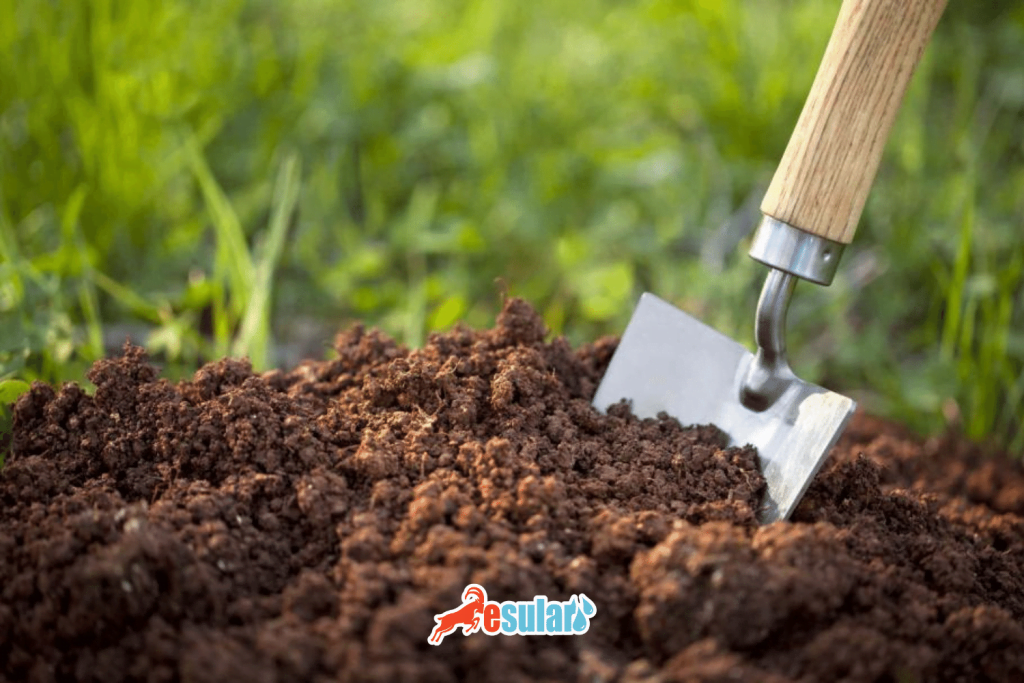
organik-tarim-yetistiriciliginde-hangi-bitki-beslenme-teknikleri-kullanilir

Which Plant Protection Products are Used in Organic Farming Cultivation?

Plant protection products used in organic farming cultivation are found in two basic categories: those against diseases and those against pests.

Plant Protection Products Used Against Diseases:

  1. Copper Compounds: Copper products, which are effective in fighting fungal diseases, are frequently preferred in organic farming.

  2. Lime-Sulfur Slurry: Mixtures containing lime and sulfur are used especially against diseases such as fungi and mold.

  3. Bordeaux Mixture: Bordeaux mixture, which is a mixture of copper sulfate and lime, is effective in preventing fungal diseases.

  4. Potassium Permanganate: It is a disinfectant used against bacterial and fungal diseases.

  5. Propolis: This natural material produced by bees is used in protecting plants against diseases.

  6. Lecithin, Beeswax, Quartz Sand, and Ethylene: These are other organic materials used to increase the resistance of plants and protect them against diseases.

Plant Protection Products Used Against Pests:

  1. Pyrethrin-Based Preparations: It is a natural insecticide used to protect plants from harmful insects.

  2. Mineral Oils: It is a natural method that renders pests and their eggs ineffective by coating them.

  3. Bacillus Thuringiensis Preparations: It contains a natural bacterial species effective against harmful insects.

  4. Vegetable Oils (Linseed, Palm, Soy): Vegetable oils used against harmful insects are widely preferred in organic farming.

In organic farming cultivation, these types of plant protection products involve natural methods instead of chemical control and support a sustainable agricultural practice.

Things to Consider When Doing Organic Farming

Important points to consider when applying organic farming are listed below:

  • Avoiding Chemical Substances: Chemical fertilizers, pesticides, and herbicides that can harm the soil should not be used. Organic farming focuses on fertilizers and pest control methods obtained from natural sources.

  • Staying Away from Genetic Modifications: Organic farming is against the use of genetically modified organisms. Therefore, seeds containing genetic modifications should be avoided when doing organic farming.

  • Environmentally Friendly Control Methods: Instead of persistent chemical substances that harm nature when fighting pests and diseases, environmentally friendly control methods should be preferred. These methods may include biological control, the use of natural enemies, and vegetable oils.

  • Certification and Labeling: Organic farming products must have certificates showing that they are produced in accordance with certain standards. Labeling products and providing accurate information to consumers is of great importance.

  • Protecting Biodiversity: Organic farming focuses on the protection of biodiversity. Different plant species and varieties should be supported by avoiding monoculture.

  • Practices Increasing Soil and Plant Resistance: Organic farming focuses on methods that support soil and plant health. Soil fertility should be increased with methods such as fertilizers containing organic matter, green manuring, and rotation.

  • Conscious Soil Tillage: Soil is a living element and organic farming prioritizes soil health. Conscious and sustainable soil tillage techniques should be used.

By acting in accordance with the basic principles of organic farming, a nature-friendly, sustainable, and healthy agricultural practice can be carried out.

Importance of Consuming Organic Products

Consuming organic products is important as a way to support environmentally friendly farming practices as well as healthy and clean nutrition. Organic farming draws attention with features such as not using chemical fertilizers and pesticides, and not containing GMOs and hormones. Products are inspected and certified by authorized control bodies, thus providing consumers with transparent information about the production process of the product. This farming method protects soil and water resources with environmentally friendly practices and supports biodiversity. Additionally, it is documented that the products are healthy through laboratory analyses and health certificates. Therefore, consuming organic products is a conscious choice for the sake of protecting individual health and the environment.

Pay Attention to the Certificate and Logo!

When choosing an organic product, the Organic Farming Logo on the product is of great importance. This logo is considered a guarantee that organic farming techniques that protect human and environmental health were used in the production stages of the product. On the other hand, expressions such as ” 100% Natural, Hormone-Free, Genuine, Village product, Pure” on some products do not mean it is an organic product. Such expressions do not provide a definite assurance to the consumer about the product. Labels and logos of organic products cannot contain false and misleading information. For this reason, carefully looking at the product label and logo when purchasing organic products makes the consumer conscious in making the right choices.

", "metaTitle": "What is Organic Farming? How is Organic Farming Done?", "metaDescription": "What is Organic Farming? How is Organic Farming Done? Organic farming is a farming method that aims to use natural resources sustainably and protect the soil.", "metaKeywords": "organic farming, sustainable agriculture, natural fertilizers, pest control, soil health, organic certification, healthy nutrition

Yorumlar

Daha Fazla İçerik İster misiniz?

Akıllı tarım hakkında en güncel içerikleri takip edin.