What is Silage?
What is Silage is an important feed source used to meet the feed needs of animals in winter. At the same time, it increases the nutritional value of plant material and improves its digestibility. Silage is widely used especially in livestock enterprises such as cattle, dairy cows, and sheep farming.
Silage is a type of fermented feed used especially for feeding cattle, sheep, and other animals. Silage is produced by fermenting plant material (usually corn, grass, alfalfa, or other green plants) under special conditions. This fermentation process ensures the protection of the plant material and the preservation of its nutritional content.
The silage making process takes place as follows:
- Harvest: Plant material is usually young and succulent, therefore it contains higher moisture when harvested. The harvest time for silage crops is carried out when the plant's nutritional value is at its highest. For example, silage corn is cut before the plant fully matures.
- Chopping: The harvested plant material is usually chopped into thin slices or small pieces. This helps speed up the fermentation process and makes it easier to compact the plant.
- Compaction: The chopped plant material is subjected to a compaction process and placed tightly into a container or silo. The compaction process prevents the plant from taking in air and creates a suitable environment for fermentation.
- Fermentation: The compacted plant material is fermented in an airtight environment. This fermentation process involves the conversion of starch within the plant into sugars and subsequently the production of acids such as lactic acid. These acids preserve the plant material and prevent the growth of bad bacteria.
- Storage: Once fermentation is complete, the silage is stored appropriately. This preserves the nutritional content of the plant and makes it usable for a long time.
What is Corn Silage?
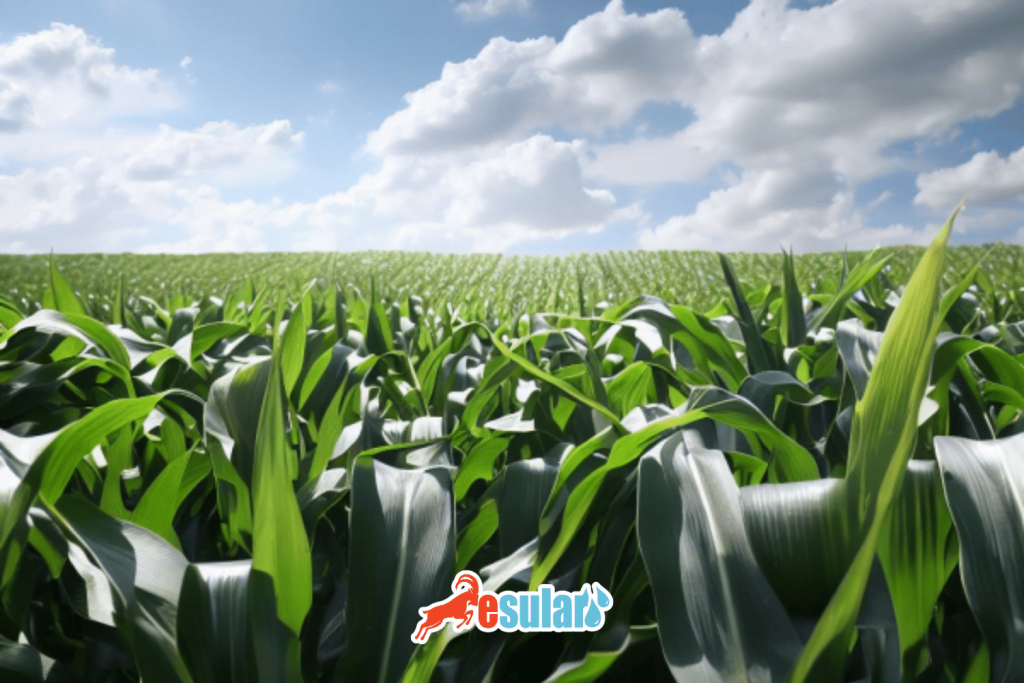
Corn silage is a type of corn grown specifically to be used as animal feed. This type of corn is generally used in the nutrition of cattle, sheep, goats, chickens, and other animals. The special characteristic of corn silage is that when harvested, it is not used fresh but is usually cut and directly fermented during the period when the plant's water content is high.
The main purpose of using corn silage is to create a feed source stocked for feeding animals during the winter months. The corn plant is cut while young and chopped into thin slices, then stored by being compacted in an airtight environment. During this process, the starch inside the corn turns into sugars and lactic acid fermentation begins. This ensures that the corn is fermented protectively and thus stays fresh for a long time.
Corn silage is important for ensuring that animals are fed in a balanced way throughout the year. This is a feed source widely used, especially in cattle, dairy cows, and meat production enterprises.
The advantages of corn silage are as follows;
- Long Storage Period: Corn silage can stay fresh for months when stored under the right conditions, so while animals are fed throughout the year, it can also reduce the need for other feed sources like wheat or straw in winter.
- Nutritional Values: Corn silage provides high energy content for animals. It is a good source of starch and also contains protein, vitamins, and minerals. This can increase the growth and reproductive performance of animals.
- Fermentation: The fermentation process of corn silage increases digestibility and helps animals use nutrients more effectively.
- Harvest Time Flexibility: Unlike other types of corn, corn silage does not need to be fully matured. Therefore, the harvest time can be adjusted more flexibly.
However, the successful production and storage of corn silage may require specific knowledge and equipment. Harvest and fermentation processes must be managed carefully. Additionally, hygiene and air isolation during storage are very important, as air contact can negatively affect the quality of fermentation.
Corn silage is an important feed source, especially for large-scale cattle farms and other animal husbandry enterprises, and supports the healthy and productive growth of animals.
Corn Silage Seed
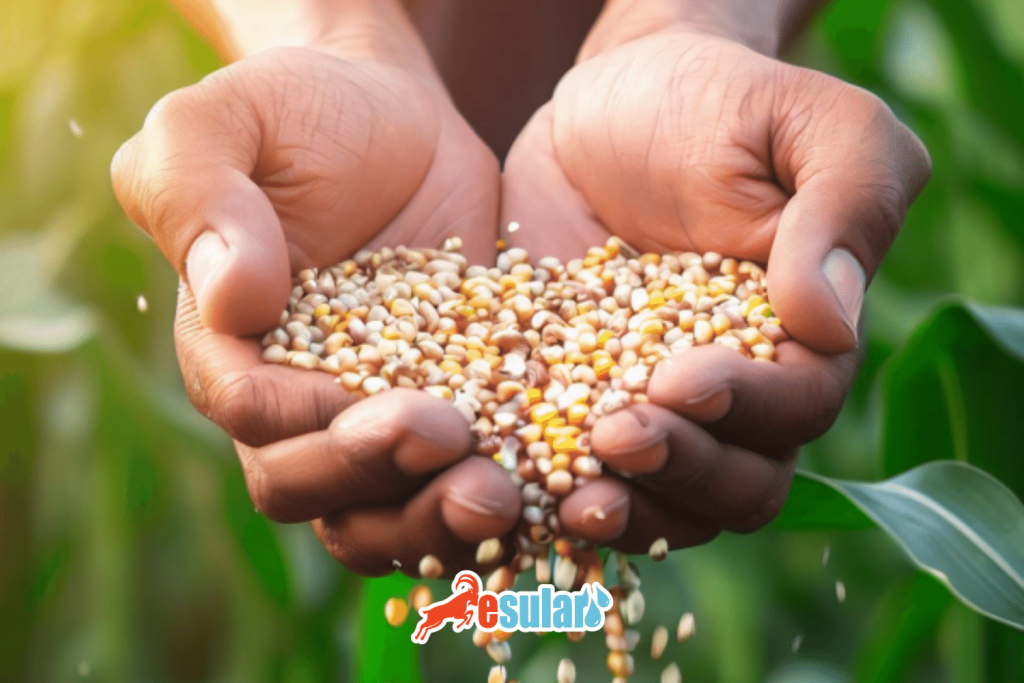
Corn silage seeds are seeds obtained from corn plant varieties grown specifically for silage making. These seeds are designed to produce high-quality silage when planted for the purpose of making silage. Corn silage seeds generally have characteristics such as high efficiency, high starch content, and low fiber content. Some basic information about corn silage seeds is available. These are briefly as follows;
- Early Maturation: Corn silage seeds generally mature earlier than other corn varieties. This makes it easier to adjust the harvest time and allows the plant to be cut at a younger stage to maximize its nutritional value.
- High Starch Content: Corn silage is generally known for its high starch content. Starch is a carbohydrate that animals can use as an energy source. This allows animals to receive more energy and supports their growth.
- Low Fiber Content: Corn silage seeds have low fiber content. This increases the digestibility of the plant material and ensures that animals obtain more nutrients from the feed.
- High Efficiency: Corn silage seeds generally have high efficiency. This means that less area can be used to produce more silage.
- Disease and Pest Resistance: Some corn silage varieties are more resistant to diseases and pests. This can increase the healthy growth and efficiency of the plant.
Corn silage seeds are important for agricultural enterprises and livestock enterprises because quality silage production is critical for the health and productivity of animals. Therefore, when choosing corn silage seeds, it is important to consider various characteristics and their suitability for local climate conditions. Additionally, correct planting, care, and harvesting of the seeds are also important for obtaining quality silage.
How to Store Corn Silage?
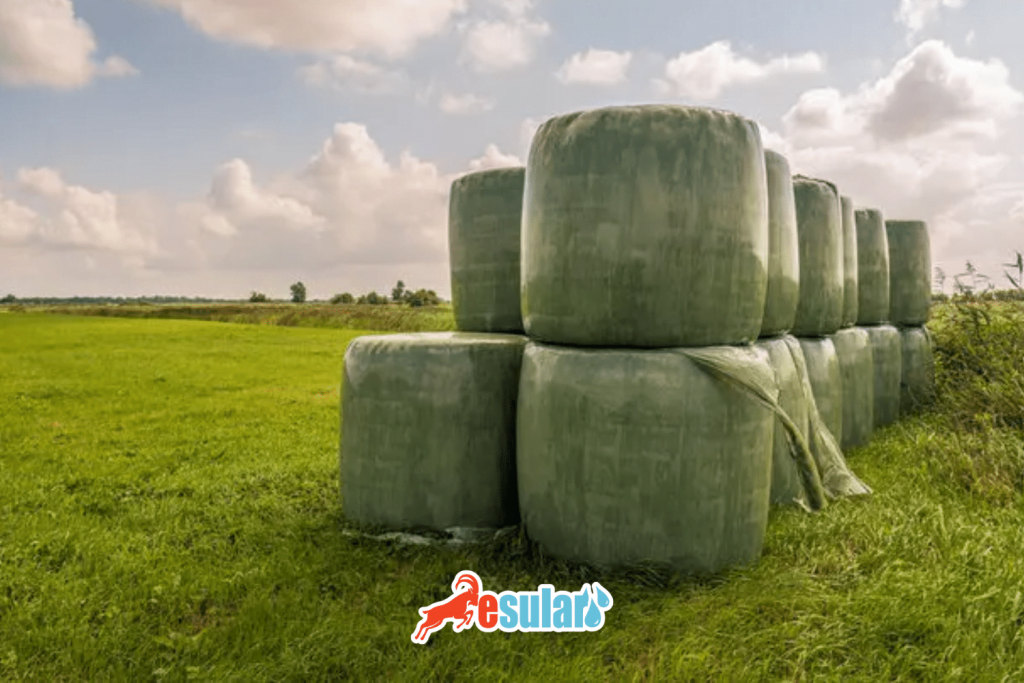
Correct storage of corn silage is critical to preserving the quality and durability of the silage. We have explained the basic steps for you in detail below on how to store corn silage;
- Compaction and Fermentation: After corn silage is harvested, it should be quickly subjected to the compaction and fermentation process. The plant material is placed tightly into a silo and compacted to prevent it from taking in air. This initiates the fermentation process and prevents the plant material from spoiling.
- Airtight Storage: For corn silage to last a long time, the storage area must be airtight. Ideally, corn silage is stored in a silo. The silo should be an air and light-proof structure. Plastic silos are commonly used.
- Sealing: After the silo is filled with corn silage, the top part must be tightly sealed. This prevents air and oxygen from entering the silo. The lid can be tightly closed with materials such as rubber tires, plastic sheets, or weights.
- Weighting: Weighting the surface of the silage is important to limit air entry and optimize fermentation. Weights or stones placed inside the silo can do this job. These weights hold the plastic sheet tightly and increase the airtightness.
- Temperature Control: Temperature control of corn silage is important. During the storage process, temperature control should be carried out and situations of overheating or freezing should be avoided. The internal temperature of the corn silage should be monitored regularly.
- Regular Monitoring and Maintenance: The condition of the corn silage inside the silo should be monitored regularly. If any problem or sign of spoilage is seen, intervention should be made quickly.
- Protective Practices: Protective measures should be taken when storing corn silage. For example, measures should be taken to prevent birds or rodents from entering the silo.
Correct storage of corn silage preserves feed quality and ensures that your animals receive a healthy and balanced diet. Ideally, you should ensure that the silage is stored for a period during which it will be used regularly.