Tüm Yazılar

What is the Beet Armyworm?
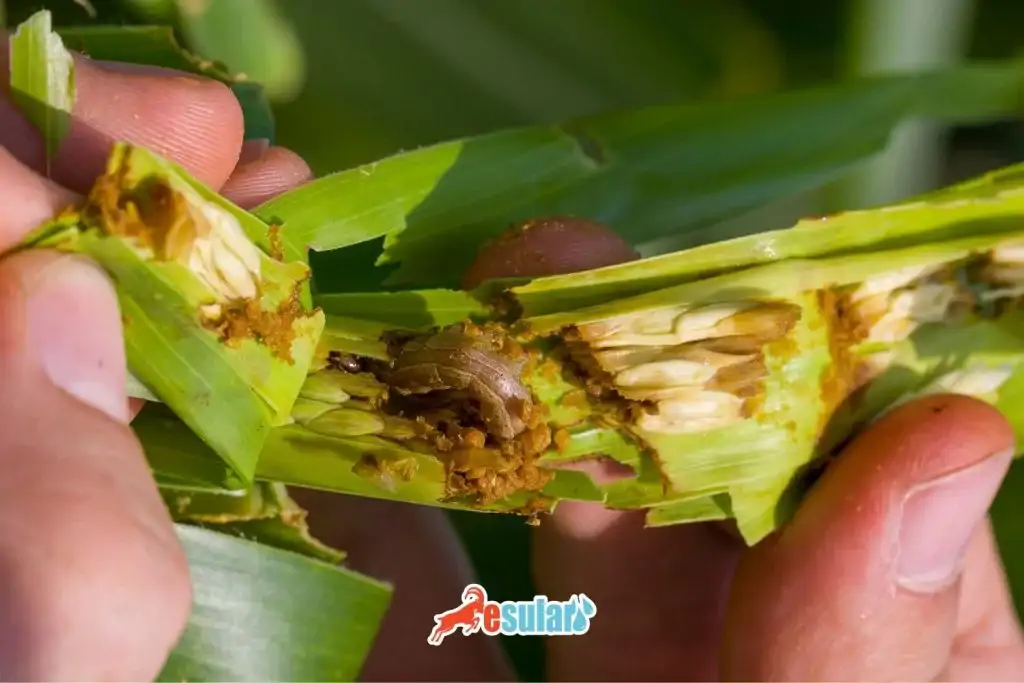
Beet Armyworm (Spodoptera spp.) is a common and dangerous pest that can cause serious damage to agricultural products worldwide. This pest, which has a wide host range including especially corn, cotton, wheat, and many vegetable plants, poses a great threat to agricultural producers. The larvae of the Beet Armyworm consume the leaves of the plants, both reducing the photosynthesis capacity of the plant and preventing the normal development of the plant by feeding on the growth cone. This can cause serious yield losses and a decrease in product quality. Its appearance in different densities every year in different regions of Turkey once again reveals the importance of combating this pest. Having information about the life cycle, damage types, and control methods of the Beet Armyworm is of vital importance for producers to protect their crops and increase productivity.
Beet Armyworm Life Cycle and Damages
Life Cycle
The life cycle of the Beet Armyworm consists of four main stages: egg, larva, pupa, and adult. Each stage determines the pest's impact on agricultural products.
Egg: Female moths lay their eggs in clusters on the upper surface of plant leaves. The eggs are white in color and have a cottony coating. A female moth can lay approximately 1,700 eggs during her lifetime.
Larva: The larvae emerging from the eggs initially cause the leaf to become membrane-like by eating the epidermis of the leaves collectively. Later, they consume the spaces between leaf veins and can damage the growth points of the plant. Larvae can be in various color tones and are generally seen in greenish and brownish tones. In later periods, they can consume the entire leaf. Larvae usually develop between 10-35 days and pass to the pupa stage in or on the soil.
Pupa: Following the larval period, pupae are greenish-brown in color and pupate in the soil or on the plant surface. The pupa stage is the phase where the pest matures and forms a new generation.
Adult: Adults usually appear at the end of February, March, and April. The wingspan of the moths is 18-30 mm, and their forewings can be in brownish-tan and light gray tones. The hindwings are whitish and their veins are dark-colored. Adults are active at night and lay their eggs on the lower and upper surfaces of the hosts' leaves.
Damage Types
Leaf Damage: Larvae cause the leaf to weaken by eating the epidermis of the leaves. They can destroy the whole leaf by consuming the leaf veins. This situation reduces the photosynthesis capacity of the plant and leads to yield loss.
Growth Cone Damage: Larvae feed on the growth points of plants, and this prevents the normal development of the plants. Plants may fork and the boll formation period may be extended.
Root Damage: Larvae sometimes feed on lateral roots and the root collar near the soil surface. This situation can weaken the root system of the plants and cause the growth cone to dry out.
Epidemic Damage: In years when the Beet Armyworm shows high density, the damage rate can go up to 100%. This leads to serious yield losses and a decrease in product quality.
Which Plants Does the Beet Armyworm Damage?
The Beet Armyworm is a polyphagous pest and can damage many plant species. The plants affected by this pest are as follows:
Cotton: The Beet Armyworm can cause serious damage especially in cotton plants. Larvae make the leaf membrane-like by eating the epidermis of cotton leaves; in later periods, they can leave the leaf veins and consume them completely. By damaging the growth points of cotton plants, it can cause the plants to fork and therefore cause yield loss.
Corn: The Beet Armyworm can also be effective in corn plants. It lays its eggs on the lower and upper surfaces of corn leaves, and the larvae consume the leaves for feeding purposes. It can cause serious damage to corn plants by leaving the leaf veins and eating the entire leaf.
Peanut: The Beet Armyworm is also seen in peanut plants. Larvae can cause yield loss by consuming the peanut leaves and other parts of the plant.
Other Hosts: The Beet Armyworm can also cause damage to various vegetables and agricultural plants. Products such as tomatoes, peppers, and potatoes can remain under the effects of this pest.
The Beet Armyworm, which is effective on these plants, can prevent the development of plants and lead to agricultural production losses. For this reason, it is important to keep the effects of the pest under control and apply appropriate control methods.
What are the Control Methods for Beet Armyworm?
Cultural Measures
- Early sowing in corn and other plants can help reduce the population of the pest. Early sowing ensures that the plants develop before the pest's egg-laying period and minimizes the impact of the pest.
- Soil tillage and hoeing can make it difficult for the pest to overwinter in the pupa stage and prevent the larvae from reaching the surface of the soil.
- Applying plant rotation can reduce the effect of the pest on specific plant species. Sowing the same plant group in consecutive years can increase the population of the pest.
Biological Control
- Supporting the natural enemies of the Beet Armyworm can control the population of the pest. For example, parasitoids (Microplitis tuberculifer, Chelonus oculator) and predators (Chrysoperla carnea, Coccinella septempunctata) are effective in reducing the number of the pest.
- Biological products and bacterial preparations (Bacillus thuringiensis) can be effective by targeting the larvae of the pest.
Chemical Control
- Chemical control should be carried out when the larval density of the pest reaches a certain level. In general, spraying should be done when an average of 2 larvae/plant is seen in the plants.
- Effective chemical products against the Beet Armyworm include drugs with active ingredients such as deltamethrin and spinosad. Spraying should be done during cool hours and spraying techniques should be followed.
- When choosing a pesticide, it is important to prefer products that will not affect natural enemies. In addition, pesticides must be used in recommended dosages and in accordance with application instructions.
Physical and Mechanical Measures
- It is possible to attract adults and take their populations under control by using light and pheromone traps.
- In small-scale farming, collecting and destroying larvae by hand can reduce the spread of the pest.
Integrated Management
- Using integrated pest management methods in the fight against the Beet Armyworm can give the most effective results. The combination of cultural, biological, and chemical methods can make the control of the pest more effective.
These methods can be used together to provide effective control against the Beet Armyworm and to protect plant health. Proper implementation of each method can minimize the effects of the pest and sustain agricultural productivity.
Kategoriler
Etiketler