Giving salt to animals is of vital importance for a healthy metabolism and the continuation of physiological functions. Salt helps animals maintain their body fluid balance and plays an important role in the regulation of nerve conduction and muscle functions. Additionally, salt can help animals gain maximum benefit from nutrients by increasing the absorption of certain minerals. Providing the correct amount of salt ensures that animals can grow healthily, develop, and maintain their reproductive abilities. However, it should not be forgotten that providing salt in excessive amounts or suddenly after a salt deficiency at wrong times can lead to serious health problems. For this reason, the salt needs of animals should be carefully considered and appropriately managed by veterinarians.
Which Animals Lick Salt?
Various mammalian animal species consume salt regularly to stay healthy and maintain properly functioning body functions. In livestock such as cattle, cows, oxen, and buffaloes, it is known that salt is important for milk production and their general health. Sheep and goats, both domestic and wild species, support their growth and development by licking salt. Horses also need salt to maintain their performance and general health. Deer and elephants balance their energy levels and health by turning to salt sources in nature. Pigs become healthier and more productive if salt is added to their diets. While wolves and wild dogs get salt from the body fluids of the animals they prey on, rabbits and rodents also become healthier when access to salt lick stones is provided. The salt licking need of animals is of critical importance for their nutritional and health status, and meeting this need is possible by reaching salt sources in their natural habitats or through salt lick stones provided by humans.
What are the Symptoms of Salt Deficiency in Animals?
Symptoms of salt deficiency in animals manifest themselves through various physical and behavioral changes. Loss of appetite is one of the most common symptoms of salt deficiency; animals start eating less feed than normal, and this can cause weight loss. Their attempts to lick or eat unusual substances such as soil, stones, or tree bark can also be a sign of salt deficiency. Generally, weakness and fatigue are observed in animals because salt deficiency lowers energy levels. Additionally, impairments in nervous system functions, muscle cramps, and lack of coordination are also symptoms of salt deficiency. In lactating cows and other milk-producing animals, salt deficiency can lead to decreased milk production and more serious health problems such as milk fever. When these symptoms are observed, it should be checked whether the salt needs of the animals are sufficiently met and necessary precautions should be taken.
How is Salt Given to Animals?
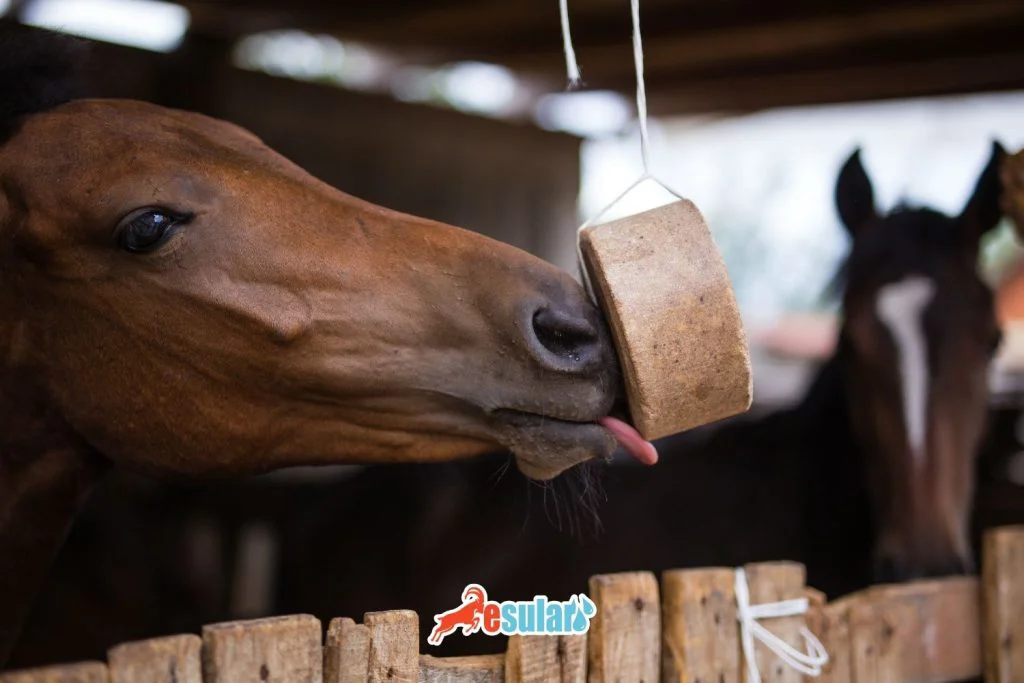
There are several effective and common methods for giving salt to animals. One of the most common methods is using animal lick blocks. These blocks are hung or placed in locations easily accessible to animals, so they can lick salt as they need it. Lick blocks are usually hung above the ground to protect them from contamination, and versions enriched with various minerals are also available. Another method is mixing salt into animal feed in granular or powder form. This method ensures regular salt intake in the animals' daily feeding routines and is especially useful in large herds. Salted feed, while meeting the salt needs of animals, also encourages the appetite of animals by increasing the flavor of the feeds.
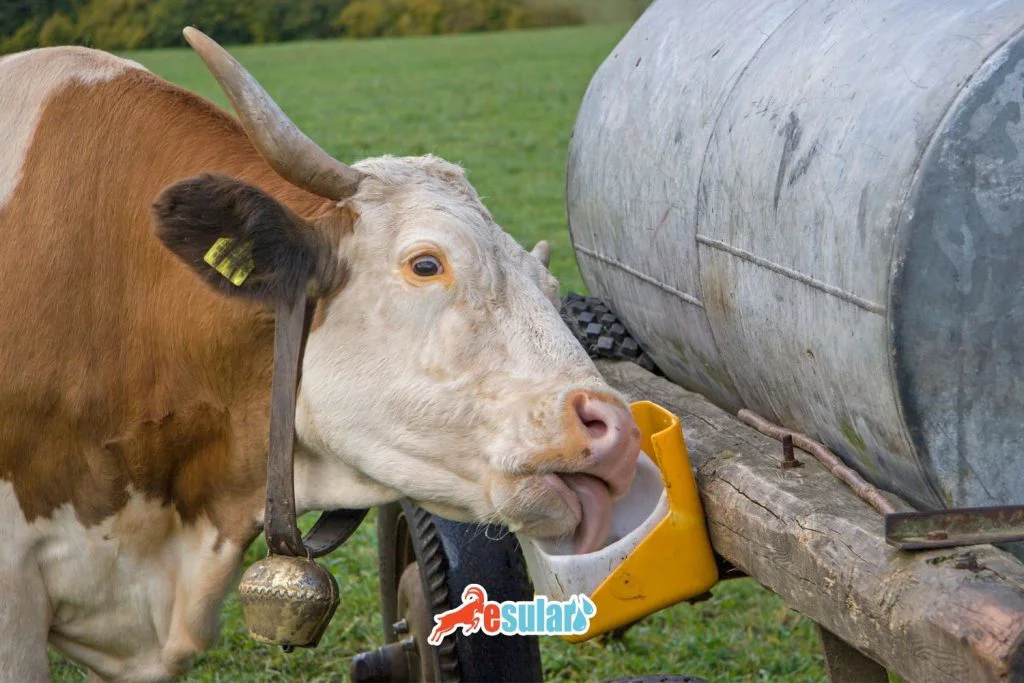
Additionally, salt water solutions specifically formulated for animals can also be used. These solutions provide salt intake by being added to the animals' drinking water. Especially in hot weather or periods of intense physical activity, this method can be effective in meeting both the water and salt needs of animals. Finally, natural salt lick areas or salt deposits can also be used to meet the salt needs of animals. However, these natural resources must be available in sufficient quantities and continuously accessible. Regardless of the method of giving salt to animals, it is important that salt is provided in an amount suitable for the animals' needs and continuously. Salt intake plays a critical role in the healthy growth, development, and productivity of animals.
What Happens if Animals Eat Too Much Salt?
Domestic animals, especially herbivorous species such as cattle, sheep, and goats, can encounter serious health problems when they consume excessive amounts of salt. Salt poisoning is the most common and risky consequence of this situation. Salt poisoning leads to the disruption of water and electrolyte balance in the body. Especially when sodium ions rise to much higher levels than normal, it can cause digestive system problems; symptoms such as vomiting, diarrhea, and mucoid feces can be observed. Neurological symptoms include tremors, muscle cramps, and walking disorders, while rapid pulse and heart rhythm disorders can be seen in the cardiovascular system. Problems such as functional disorders in the kidneys and oliguria may occur. If left untreated, excessive salt intake can even cause the death of the animal. For this reason, it is of vital importance to control the salt consumption of animals as recommended by veterinarians and to provide salt in appropriate amounts.