Tüm Yazılar
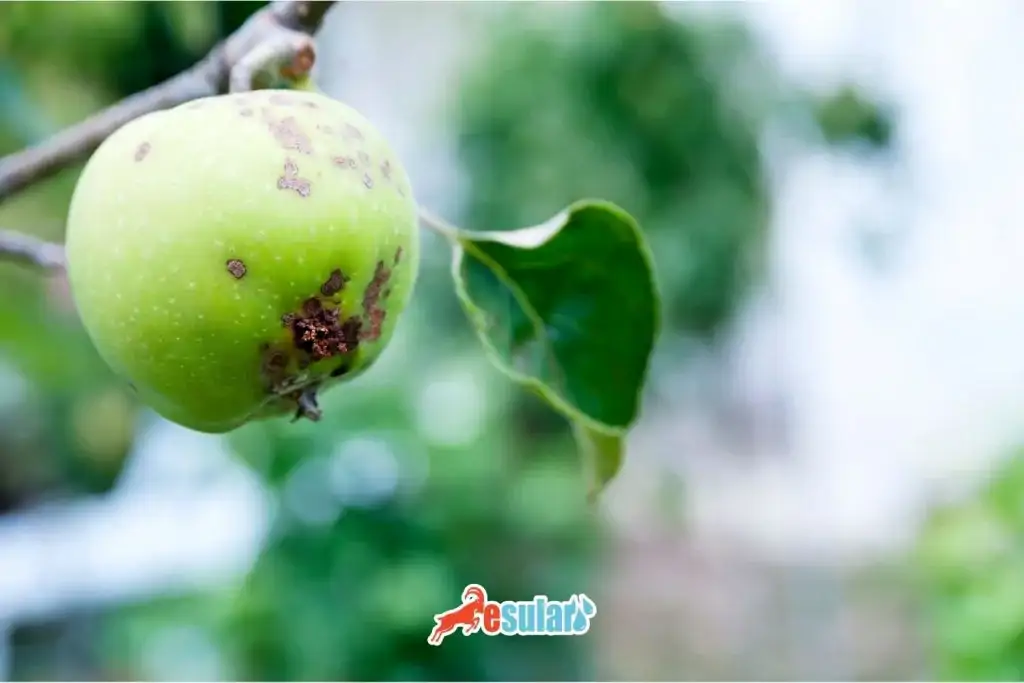
Apple Scab Disease
Apple scab disease is one of the most common and harmful fungal diseases threatening apple production worldwide. Encountered in both commercial apple orchards and home gardens, this disease can spread rapidly under suitable conditions and cause significant damage to the leaves, fruits, and shoots of trees. The causal agent of the disease is a fungus called Venturia inaequalis, which adversely affects the general health and yield of infected trees.
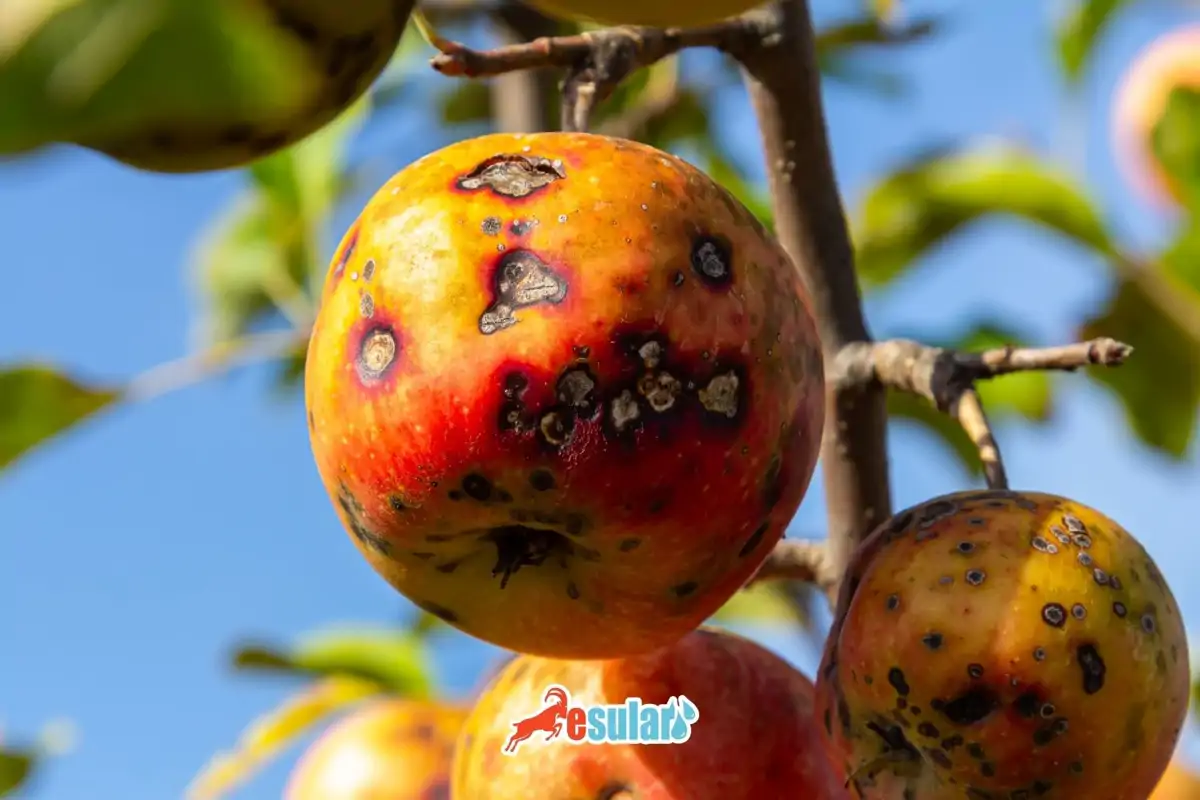
Symptoms of the disease first appear as small, velvety spots on leaves and fruits, and over time these spots turn brown, adversely affecting the general health and yield of the tree. Apple scab spreads rapidly, especially in rainy and humid weather, and by hindering photosynthesis and respiration processes in infected trees, it causes weakening of the trees and loss of yield. Product loss can vary between 20-45%, which brings economic losses along with it.
Developing effective strategies and taking applicable measures in the fight against the disease is of critical importance for growing healthy and productive apple trees. In this article, we will provide information about the causes, symptoms, life cycle, and spreading conditions of apple scab disease, and also discuss cultural and chemical control methods in detail. We will share the key points and current approaches to be considered for success in the fight against apple scab.
Symptoms of Apple Scab Disease
Apple scab disease manifests itself with distinct symptoms on the leaves, fruits, and shoots of apple trees. These symptoms are important for understanding the course of the disease and developing effective control methods.
Leaf Symptoms
- Oily-looking spots form on the upper and lower surfaces of the leaf. These spots are olive-green in color and turn brown over time. The spots have a velvety texture; over time, the tissue in these areas dies and cracks form.
- In cases of heavy infection, leaves turn yellow and fall early.
Fruit Symptoms
- Spots on the fruit are initially greenish in color. The spots turn brown over time and cause shape deformities on the fruit.
Shoot Symptoms
- Spots in the form of oval or round blisters are seen on shoots. These blisters, which crack in the spring, reveal conidial beds. Over time, the pustules merge and turn into wounds called "scab" or "struma."
Recognizing these symptoms and intervening in time is very important to minimize the effects of apple scab disease.
Life Cycle and Spreading Ways of Apple Scab Disease
The life cycle of apple scab disease is divided into two main periods: saprophytic and parasitic periods.
Saprophytic Period:
- Autumn: The saprophytic period of the disease begins in dead leaves that fall to the ground in autumn. Fungal mycelia develop on these leaves.
- Winter: Mycelia continue to live in dead leaves until spring. Perithecia are formed during this period.
Parasitic Period:
- Spring: Ascospores mature inside perithecia and these spores spread to the environment.
- Summer: Spores infect living tissues (leaves, fruits, and shoots) in rainy and humid conditions, starting the parasitic period of the disease. During this period, the fungus develops on living tissues and forms infections.
Spreading
Apple scab disease spreads and can be contaminated through various ways:
Wind and Rainfall: Ascospores and conidia are carried to the environment by wind and rainfall. Water droplets ensure the contamination of spores to other plants.
Infected Leaves: Infected leaves that fall to the ground in autumn serve as sources that maintain the saprophytic period of the disease. When these leaves are collected or burned in autumn, the risk of the disease spreading can be reduced.
Plant Parts: Diseased shoots and fruits can also contribute to the spread of spores. Especially, the disease can spread through infected fruits and shoots and plant parts that remain and rot in the orchard.
Soil and Equipment: Soil and garden equipment can carry disease agents and infect new areas.
Effective control of the disease is possible by understanding the life cycle and spreading ways. This can be achieved through appropriate cultural measures, chemical control, and regular monitoring.
What are the Cultural Measures for Apple Scab Disease?
Cultural measures for apple scab disease (Venturia inaequalis) are methods applied to reduce the spread and effects of the disease. Some of these measures are as follows:
- Leaves that fall to the ground in autumn and show disease symptoms should be collected and burned or buried deeply. This prevents the disease agent from overwintering in the soil.
- Diseased or strumous branches should be pruned and removed from the orchard. This reduces the source of the disease and encourages healthy growth.
- Trees should be crowned in a way that allows airflow so that the moisture on the leaves can dry more quickly. Additionally, planting trees at sufficient intervals is also important.
- Weeds in the orchard should be combated regularly and on time. Weeds can contribute to the spread of the disease by retaining moisture.
- Flood (wild) irrigation should be avoided, and plant nutrition should be done according to soil analysis. The water and nutrient needs of trees should be met in a balanced way.
- Winter pruning should be done, and 2% Bordeaux mixture should be applied before the buds wake up. After pruning, 1.5% Bordeaux mixture application should be carried out. These applications prevent the disease agent from remaining on the tree.
These cultural measures help reduce the effects of apple scab disease and protect the health of fruit trees.
How to Fight Apple Scab Disease?
Chemical control against apple scab disease plays an important role in controlling the disease. Here are the things to consider in chemical control:
Chemical Control
- First Application: Should be done when flower buds swell. This early application is effective in the initial stage of the disease.
- Second Application: Should be done during the pink rosette bud period. The application made during this period prevents the spread of the disease.
- Third Application: Should be done when 70-80% of the flower petals have fallen. This prevents the disease from passing to the fruit.
- Other Applications: Should be done at 12-14 day intervals by evaluating the progression of the disease depending on climatic conditions.
Pesticide Selection and Use:
- Pesticides used must be licensed for apple scab. It is important that the drugs are prescribed by authorized persons and that their expiration dates have not passed.
- Application must be made at the correct dose and at the appropriate time during spraying. This ensures both the control of the disease and the keeping of chemical residues on the fruit to a minimum.
Chemical control gives more effective results when supported by cultural measures and helps control the spread of the disease.
Kategoriler
Etiketler