Tüm Yazılar

How is Barley Cultivation Done?

Barley cultivation has an important place in the agricultural sector and is valuable in many aspects in economic, nutritional, and industrial terms. This grain is successfully grown in different regions thanks to its ability to adapt to the wide and diverse climate conditions of our country. It also contributes to ensuring balance in ecosystems by increasing agricultural diversity. Along with crop rotation, it increases soil fertility and supports circularity in agricultural areas. All these factors make barley cultivation in Turkey one of the cornerstones of our country's agriculture. While providing economic benefits to farmers, it plays a strategic role in meeting food security and industrial demands.

What is Barley?

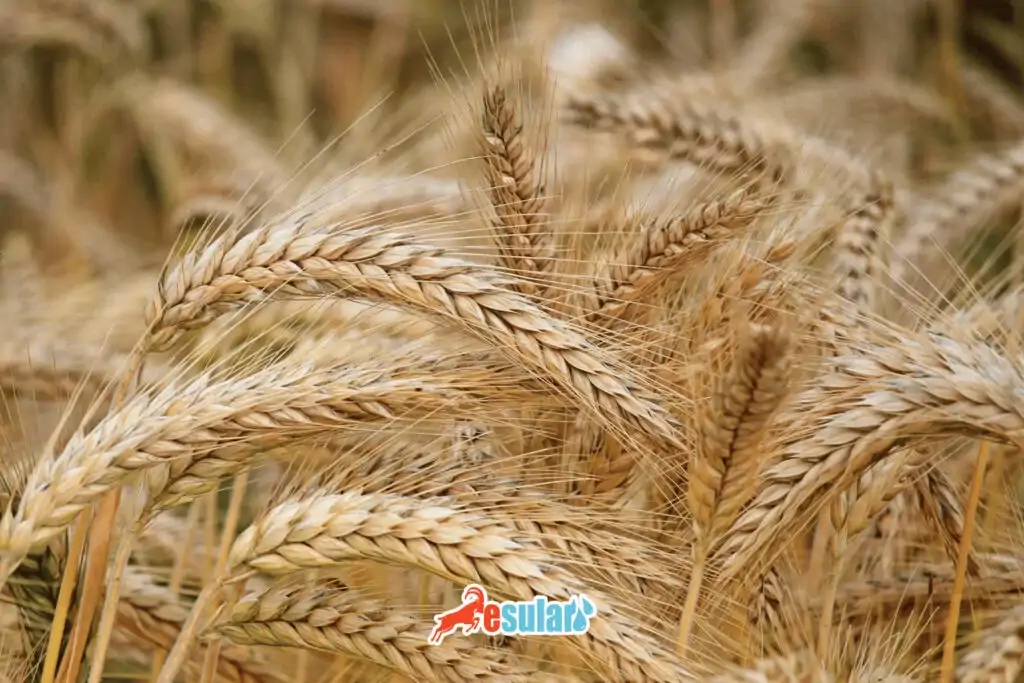
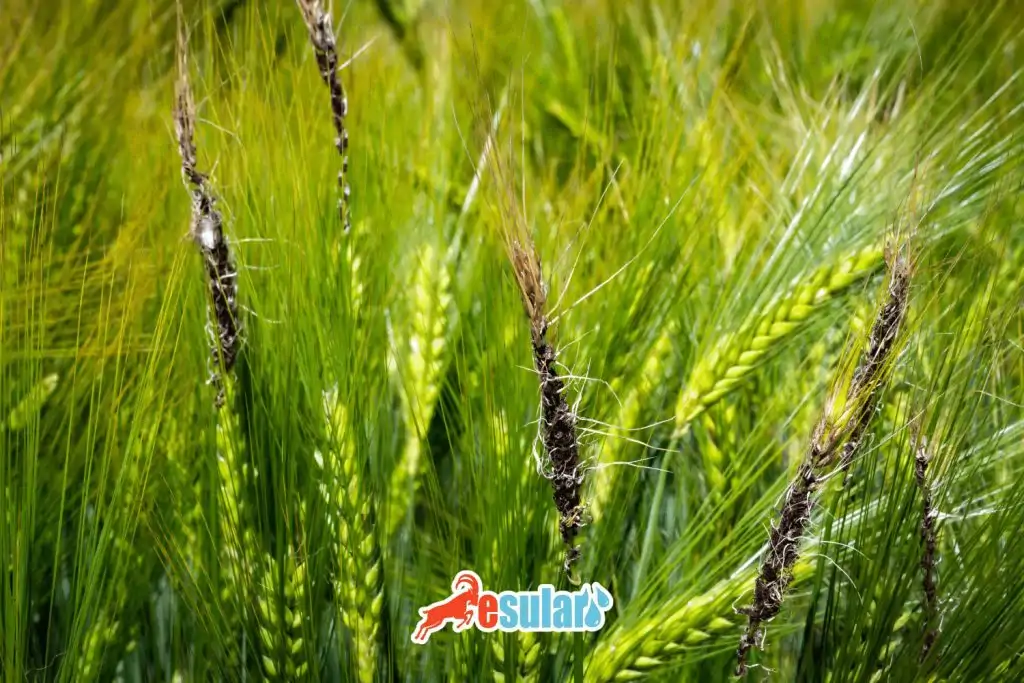
Barley (Hordeum vulgare) is a plant species known as a cereal, belonging to the grain group. This plant is a widely grown and important agricultural product worldwide. Barley is used especially in various fields such as animal feed, beer production, flour, and starch industry. The barley plant is an annual plant species characterized by its long and thin spikes. Spikes are flower buds located at the top of the plant and have a structure similar to wheat. 

In Which Climates Does Barley Grow?

The barley plant generally adapts to cool and temperate climate conditions. This plant prefers lower temperatures, especially during the germination and heading periods. Because extreme heat can negatively affect the germination process of the barley plant and cause low productivity during the heading period. Cool spring months provide a suitable environment for the germination of barley seeds and the formation of the root system. Mild summer months support the healthy growth and heading of the plant. High temperatures can cause the barley plant to remain under stress and lead to yield losses.

ar-arpa-bitkisi-zararlari-web

Soil Preparation for Barley Cultivation

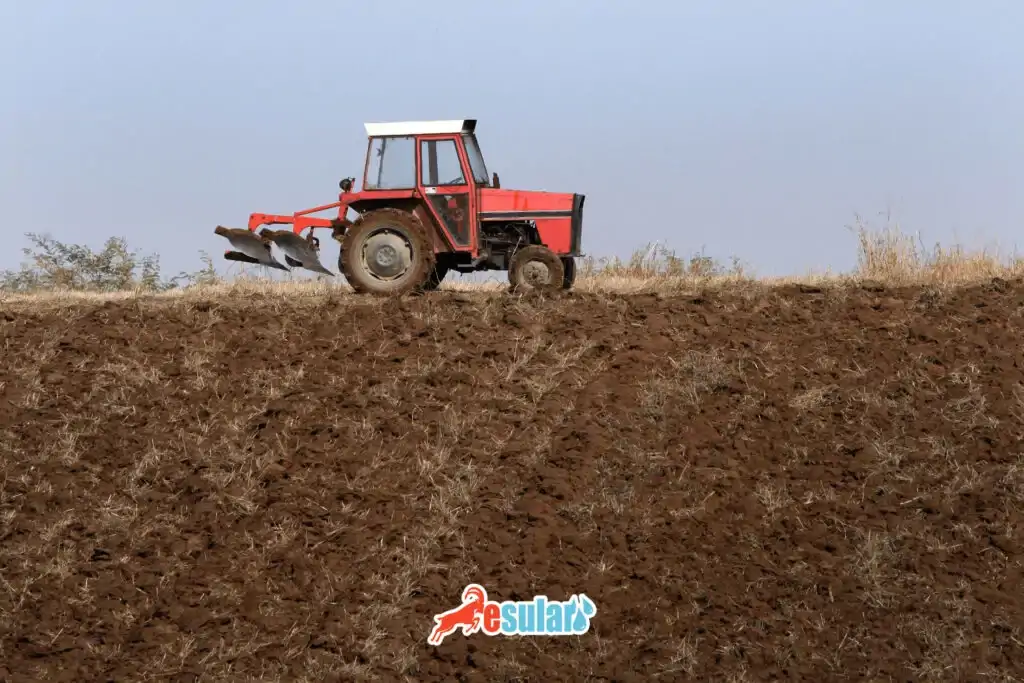
The most suitable soils for barley cultivation are neutral reaction soils that are rich in organic matter, well-drained, and have appropriate aeration and humidity. The soil preparation process usually starts in the autumn. At this stage, plant residues should be cleaned and shredded using appropriate equipment. Afterwards, plowing should be done at a depth of 15-20 cm. By using processing tools such as disc harrows and cultivators, the soil ensures the breaking of clods. Breaking the clods ensures that the soil achieves a homogeneous structure and roots develop more easily. 

This preparation process is applied to ensure better use of nutrients in the soil, effective distribution of water, and healthy growth of the plant. Proper soil preparation is an important step towards increasing productivity in barley cultivation and allows the plant to receive all the elements it needs from the soil.

aycicegi-ekim-nobeti

When and How is Barley Sown?

Barley planting time may vary depending on climate and regional factors, but it is generally carried out between October and November. During this period, soil temperatures are suitable and favorable for the plant's germination process. Seeds are planted at a depth of 3 to 5 cm via a seed drill. This depth supports the seed's germination process and the healthy development of the root system. The row spacing of the seeds is planted at a certain distance to provide optimum growth conditions for the plant. Barley planting, along with the meticulous application of these steps, is important for obtaining healthy plant growth and high yield.

How is Barley Fertilized?

In barley fertilization, it is generally recommended to apply 5-6 kg of nitrogen (N) and 7-9 kg of phosphorus pentoxide (P2O5) per decare in dry conditions; and 12-14 kg of nitrogen (N) and 10-12 kg of phosphorus pentoxide (P2O5) per decare in irrigated conditions. Phosphorus fertilizer should be given entirely in bands with a seed drill during planting. Half of the nitrogen fertilizer is applied at planting, and the remaining half is spread over the soil at the beginning of tillering. This fertilization strategy aims to meet the nutrients the plant needs in different growth stages. Correct fertilization supports healthy plant growth and obtaining high yield.

map-gubresi-ne-ise-yarar

Is Barley Irrigated?

Barley is a plant that is quite resistant to drought. Therefore, it can easily be grown in waterless and dry conditions. If irrigation is to be done, water can be given twice, the first irrigation during stem elongation and the second irrigation during the milk-ripe stage. 

What are Barley Diseases and Pests?

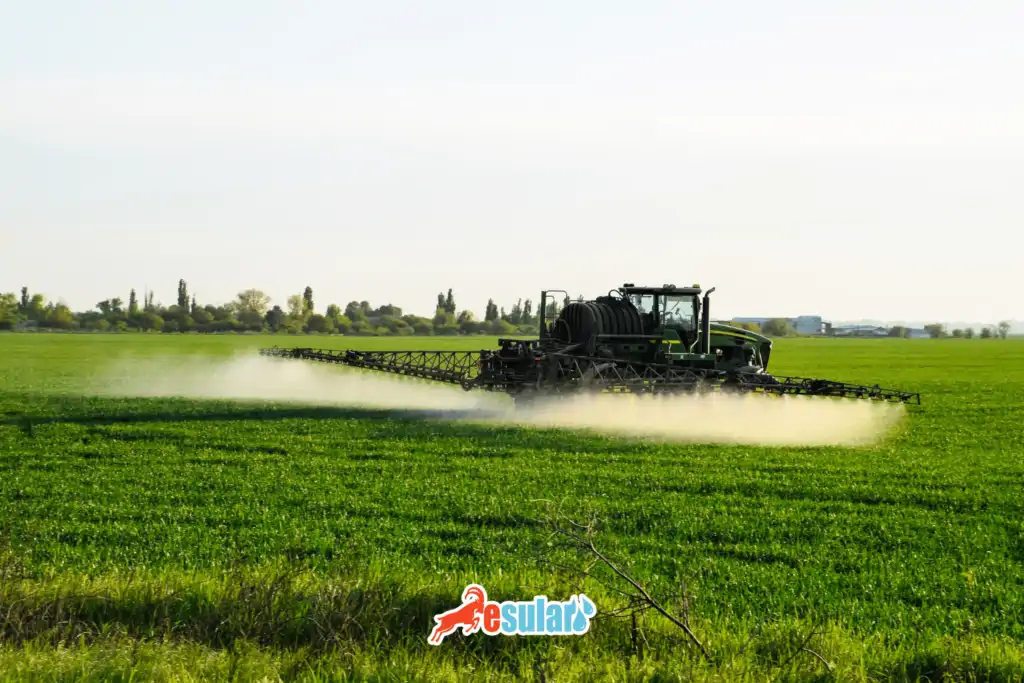
The barley plant is sensitive to a range of diseases and pests, so growers should intervene early by knowing the diseases and pests. To examine barley diseases and pests in detail; you can check out our articles at https://esular.com/arpa-zararlilari and https://esular.com/arpa-hastaliklari.

How is Barley Harvested?

The harvesting process is generally carried out using a harvesting machine (combine). This machine cuts the spikes, separates the grains, and collects them in the tank. During harvest, machine settings should be checked regularly, and parameters such as cutting height and cleaning settings should be adjusted correctly.

After harvest, barley is transported to trucks or storage units. Harvested barley should be dried in storage units so that the moisture content drops to appropriate levels. This not only increases grain quality but also extends storage time. The quality of the harvested barley should be checked according to factors such as moisture content, grain size, and color. Quality control is important in determining the market value of the product and optimizing storage conditions.

When is Barley Harvested?

Barley harvest is carried out during the period when the plant matures, at a time when the spikes are fully mature and the grains have hardened. Harvest time is determined by the yellowing of the upper parts of the spikes and the drying of the stalks in the lower parts.

arpa hasatı

How Much Barley is Produced from 1 Decare?

The amount of barley to be obtained from 1 decare of field depends largely on climate conditions and shows a significant difference between wet and dry periods. According to data from the Ministry of Agriculture and Forestry, while generally between 200 and 450 kg of barley is harvested in dry times, this amount can be between 600 and 700 kg in periods with abundant rainfall. In dry periods, plant development may be negatively affected due to water stress, spikes may not fill completely, and the number of grains may decrease. In this case, barley yield may be lower. On the other hand, in rainy periods, the plant's water needs are met, full spikes and more grain development are ensured, which results in higher yield.

How is Barley Stored?

Storage of harvested barley should be done according to appropriate storage conditions. Necessary measures should be taken for the long-term preservation of barley by ensuring moisture and temperature control in storage units. All these steps ensure that the barley harvest takes place effectively and efficiently, increases product quality, and optimizes storage processes.

How to Get High Yield in Barley?

To obtain a high-yield barley harvest, it is important to pay attention to factors such as appropriate variety selection, correct planting time, balanced fertilization, effective irrigation, pest and disease control, field rotation, correct harvest time, and appropriate storage conditions. Farmers, by combining these elements, should consider climate conditions, soil properties, and the needs of the plant when planning agricultural practices. Handling these factors in an integrated manner supports efficient barley production and contributes to obtaining quality products.

Yorumlar

Daha Fazla İçerik İster misiniz?

Akıllı tarım hakkında en güncel içerikleri takip edin.