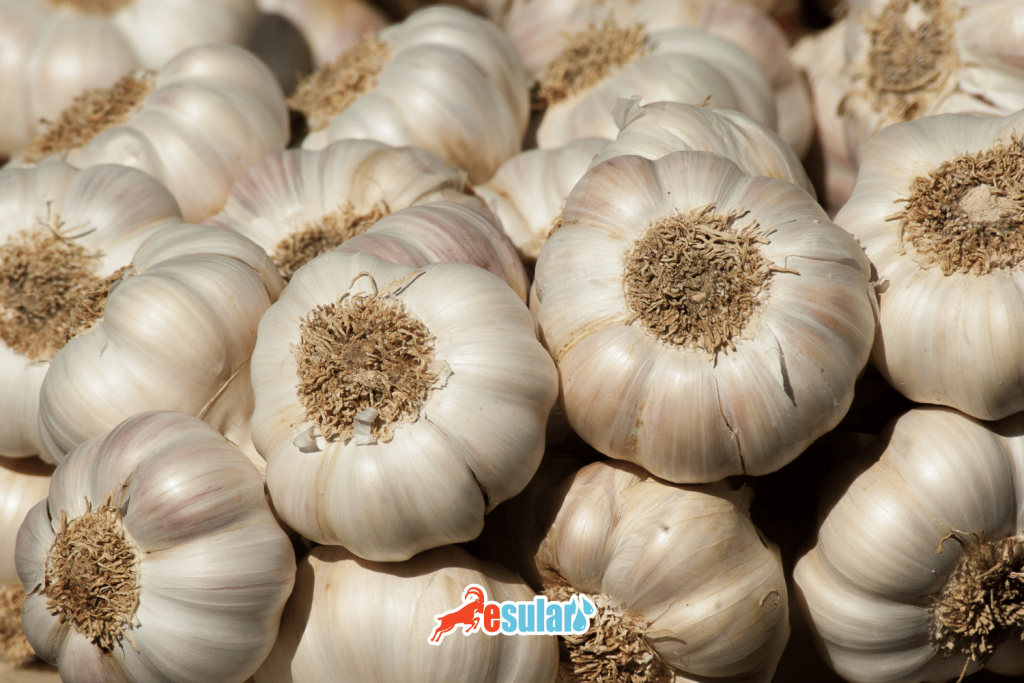
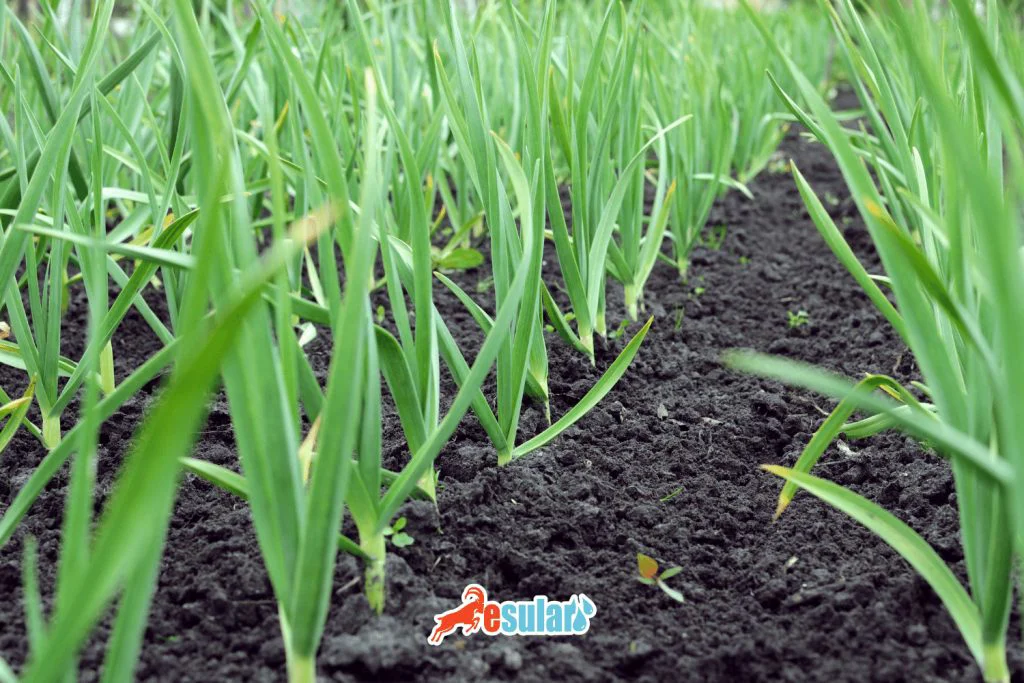
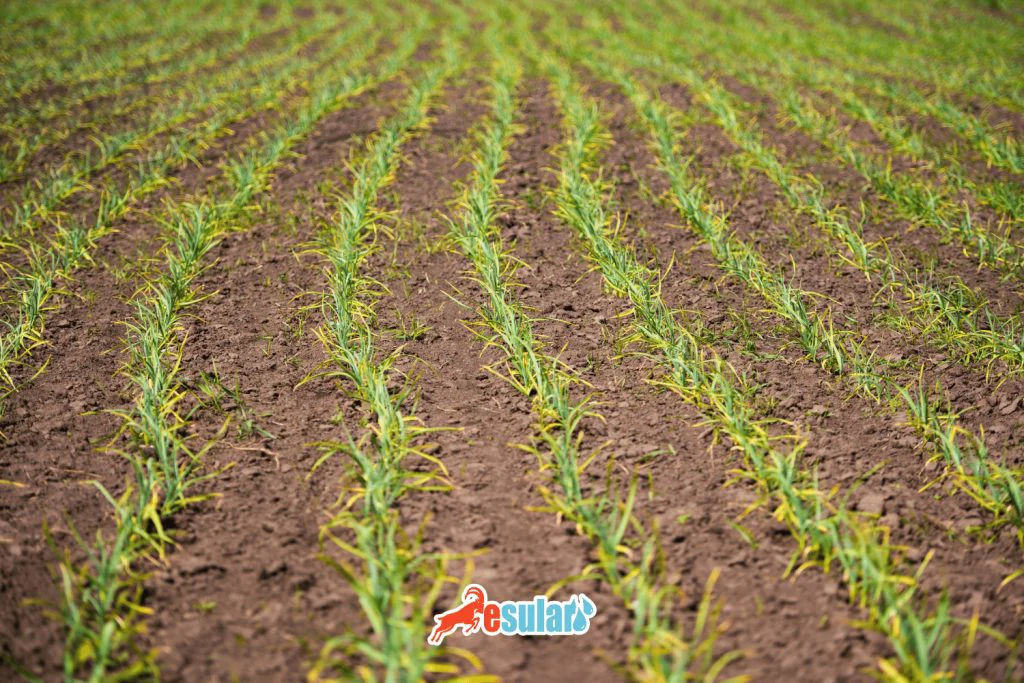
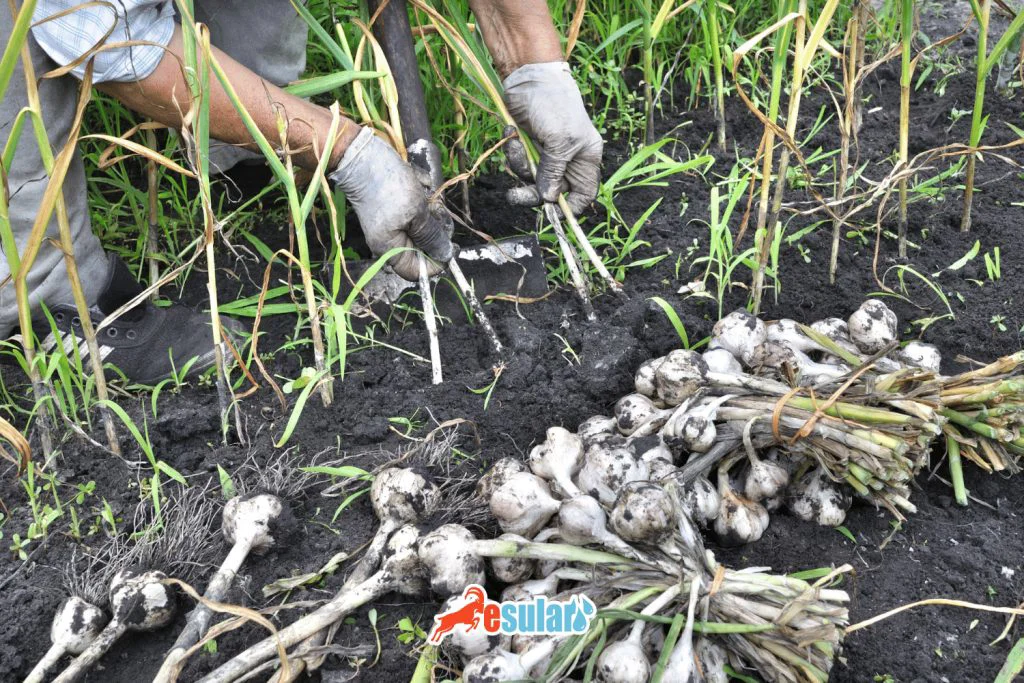
Garlic cultivation is an agricultural activity carried out in many regions of the world and has high economic value. Due to its richness in nutritional values, it has been consumed as both food and medicine for many years. Garlic, which belongs to the Liliaceae family, is a biennial plant. In the first year, it forms several cloves, while in the second year, it flowers and produces seeds. Since garlic is a crop produced from cloves rather than seeds, it falls into the category of vegetatively produced crops. Garlic, which has deep roots and thin leaves, is generally grown in two common types: early white and late pink. In our country, garlic cultivation is commonly seen especially in regions such as Kastamonu and Balıkesir. Due to the suitability of climate and soil conditions, these regions have ideal environments for high-quality and efficient garlic production.
What are the Benefits of Garlic?
Garlic is a rich source of vitamins A, B1, and C, and has many benefits such as regulating blood sugar, cholesterol, and blood pressure, strengthening immunity, protecting the liver, and keeping bacteria, fungi, and parasites away thanks to its antioxidant structure. Considered a natural antibiotic, the health benefits of garlic are quite diverse. Garlic is a source of manganese, vitamin B6, and C, as well as selenium and fiber. It provides a protective effect against diseases by strengthening the immune system. It helps to lower cholesterol levels. It has the potential to prevent neurodegenerative diseases such as Alzheimer's and dementia. It has the property of improving bone health. It has an effect on lowering blood pressure. It is effective against bladder infections. It can be used in cancer treatment and can help reduce the risk of cancer. It has a protective effect on the liver. With these benefits, garlic is considered an important supporter for a healthy life.
In Which Climate and Soil Does Garlic Grow?
Garlic prefers temperate climates and generally develops best in the temperature range of 15-20 °C. This plant is the only species among cultivated vegetables that does not set seed and is generally propagated by cloves. The cloves to be used for garlic production must have a certain size. Garlic is usually grown in loamy and sandy soils; they do not show good development in clayey and water-holding soils. Additionally, they develop slowly in excessively acidic or alkaline soils. Garlic can withstand low temperatures down to -10 °C and can withstand a maximum of -3 or -4 °C in plant form. Prolonged low temperatures can cause the plant to freeze and rot. Garlic is a long-day plant, and high temperature and balanced irrigation are important to increase efficiency. Irrigation can be reduced or not done at all depending on the amount of precipitation. Additionally, the needs of the plant should be met with correct fertilization.
Fertilization in Garlic Cultivation
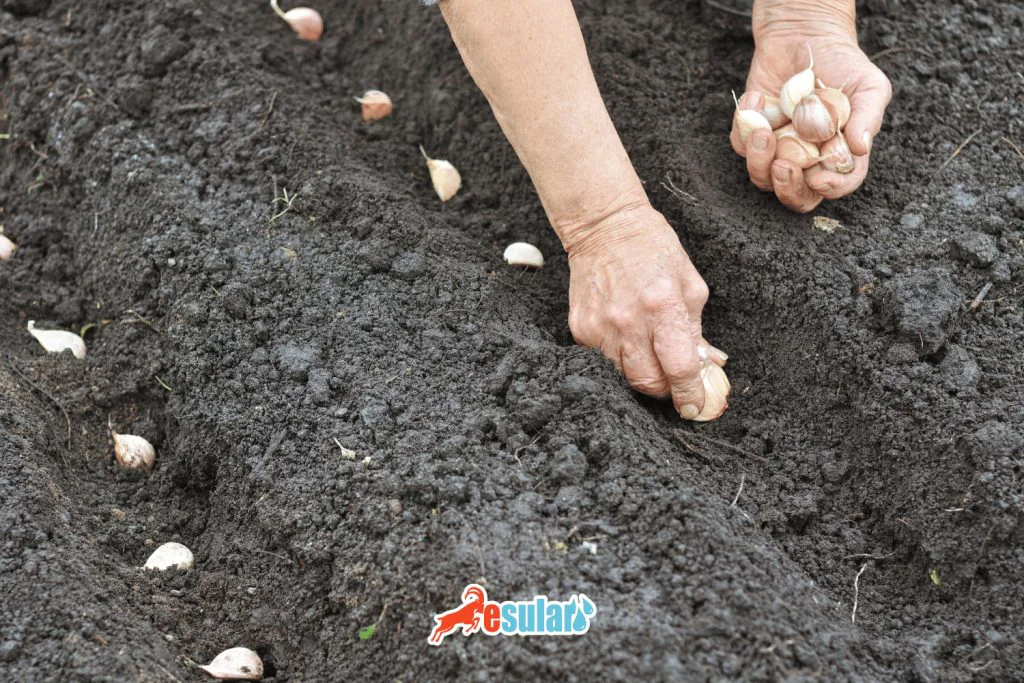
Since the garlic plant is sensitive to fresh organic fertilization, it should be fertilized with rotted organic fertilizer at least 3 months before planting. It is recommended to apply 3-4 tons of organic fertilizer per decare. Soil fertilized with organic fertilizer in autumn should be plowed again during the winter period. When the planting time comes, starting from the beginning of February, necessary inorganic fertilizers should be applied to the soil by broadcasting. 14-16 kg N, 10 kg P2O5, and 20-25 kg K2O should be given per decare. Garlic cloves separated into their groups are planted one by one by hand into the prepared and fertilized soil.
When is Sowing Done in Garlic Cultivation?
Garlic sowing time varies depending on the type and the climate of the region where it is grown. While winter garlic is generally sown in October-November, summer garlic is sown in April-May. These periods coincide with soil and weather conditions that are ideal for garlic seeds to root and develop in the best way. Since winter garlic is cold-resistant, it is usually sown in autumn and develops its root system during the cold winter months. Summer garlic, on the other hand, is grown in warmer climates and is generally sown in spring, growing and developing during the hot summer months. These sowing times ensure that the garlic plant grows healthily and is harvested.
How is Sowing Done in Garlic Cultivation?
Before proceeding to garlic sowing, field preparation is quite important. The soil is plowed to soften it and clods are broken. This process allows garlic roots to penetrate the soil easily. It is also necessary to treat the seeds before garlic planting. Information should be obtained from experts on this subject and appropriate pesticides should be preferred. Before proceeding to planting, garlic seeds should be prepared appropriately. Large or medium-sized clove garlic seeds should be preferred. Planting intervals are generally between 10 cm and 15 cm and are done in a scattered manner. The planting depth of garlic seeds should be a maximum of 5 cm. During planting, the cloves being inserted sideways or the pointed side being inserted vertically does not prevent the seeds from growing.
How Much Garlic is Planted per 1 Decare of Field?
The amount of garlic cloves required for a one-decare production area varies depending on the planting method. In single-row plantings, about 55-60 kg of medium-sized cloves is sufficient, but in multi-row plantings, this amount can go up to 75-90 kg. Garlic cloves are planted one by one, and during planting, the cloves are placed with the pointed parts facing up and the flat parts facing down.
Irrigation in Garlic Cultivation
In garlic cultivation, irrigation is generally not needed during periods of heavy rainfall. However, irrigation can be done during dry periods. Irrigation may be required especially depending on the moisture level of the soil prepared before planting. After the bulb formation process, after maturation is complete, irrigation should not be done. Watering garlic during this period can negatively affect the bulb structure and storage quality. Therefore, irrigation should not be done after maturation is complete and the plants should be expected to dry naturally. This is important for maintaining the quality of the garlic and extending the storage period.
When and How is Garlic Harvested?
Garlic harvest is generally carried out after the maturation process of the plant is completed. Harvest time is determined by the leaves starting to yellow and beginning to dry. Garlic heads become suitable for harvest as they lean towards the soil surface and the stalks dry. Harvest should be done in a period when the heads are fully mature and their skins are dry. Harvest is carried out by removing the heads from the soil. The heads are removed one by one by hand and, if necessary, left to dry for a while. Then their stalks are cut and the garlic heads are cleaned to be stored under appropriate conditions. The harvesting process is generally carried out in late summer or early autumn, but its timing may change depending on the geographical location and growing conditions. Making the harvest at the right time ensures that the garlic is of the best quality and in a storable condition.
How Much Garlic is Produced from 1 Decare?
Garlic yield varies greatly depending on the variety, cultivation methods, soil conditions, climate conditions, and the quality of care. On average, the amount of garlic obtained from one decare can be between 700 to 1400 kilograms. These figures may vary depending on the factors affecting productivity. For example, factors such as suitable climate conditions, correct fertilization, irrigation, and disease control can increase the yield, while effects in the opposite direction can decrease the yield. Therefore, how many kilograms of garlic will be obtained from a specific decare area may vary depending on many variables.
What are the Diseases and Pests Seen in Garlic Cultivation?
In garlic cultivation, there are many pests and diseases that negatively affect the development of the plant. Pests such as root nematode, root bulb mite, garlic four-legged mite, and onion fly are among the main problems. These pests can damage the root system of the plant, preventing its development or causing yield loss. Diseases frequently encountered in garlic cultivation include garlic rust, black garlic mold, and fusarium garlic. While garlic rust creates spots on the leaves, black garlic mold and fusarium garlic can cause rot in the roots. To prevent the spread of these diseases, attention should be paid to hygienic conditions and infected plants may need to be quickly cleaned or destroyed. Additionally, exposure of garlic to excessive rainfall can cause fungal diseases to spread.