How is Triticale Cultivation Done?

24 Ocak 2026 Çağla Altıntaş 4 görüntülenme
Tüm Yazılar

How is Triticale Cultivation Done?

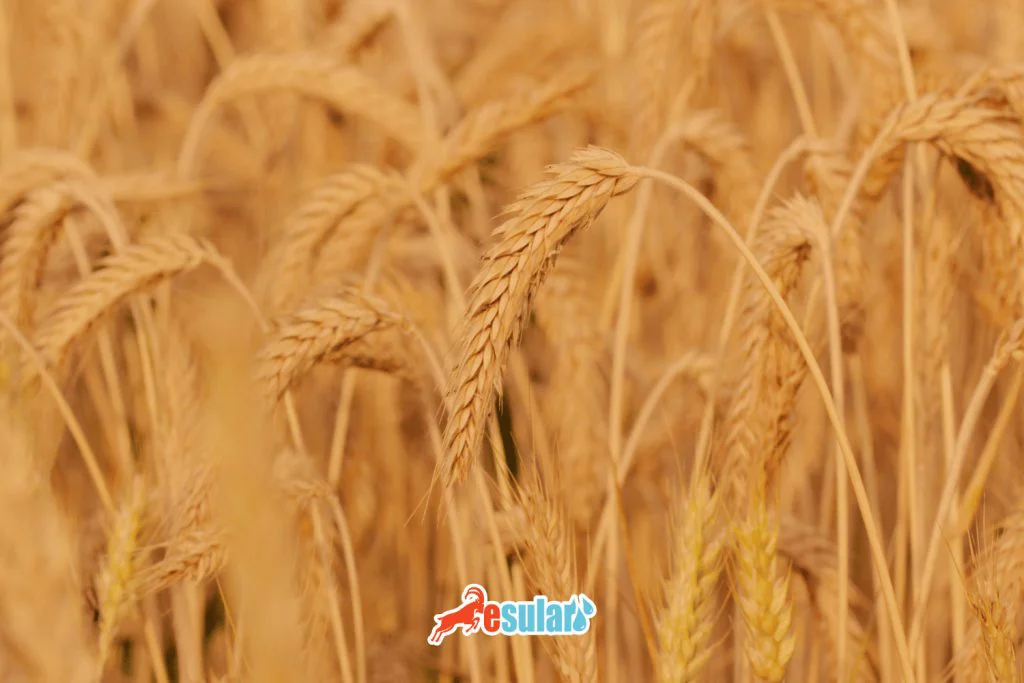
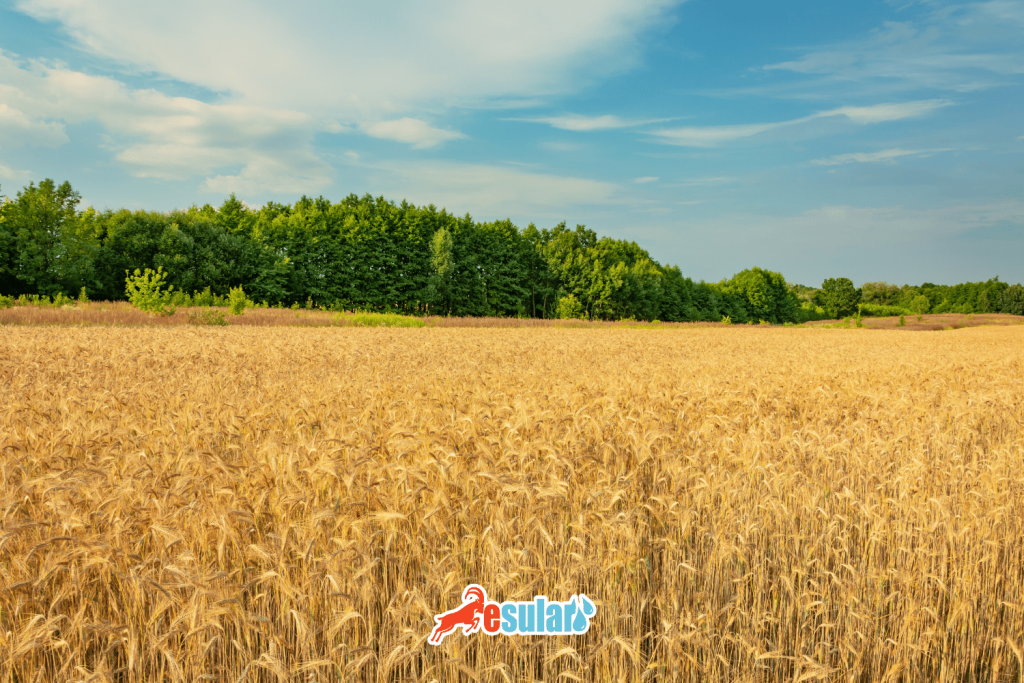
Triticale cultivation is a plant species created by crossing wheat and rye and has an important place in agricultural production. Triticale cultivation is generally preferred in dry regions and arid soils because this plant is more resistant to such conditions. Additionally, it is also cultivated in areas where other agricultural products do not grow or have low yields. Especially in countries such as the United States, Poland, Canada, and Mexico, triticale cultivation is quite common, and farmers in these regions generate income by taking advantage of the benefits offered by triticale. Triticale combines the high productivity of wheat with the durability of rye, while also being effective in combating erosion. For this reason, especially in arid or low-yield soils, triticale cultivation increases agricultural diversity and provides a different source of income for farmers. 

What is Triticale?

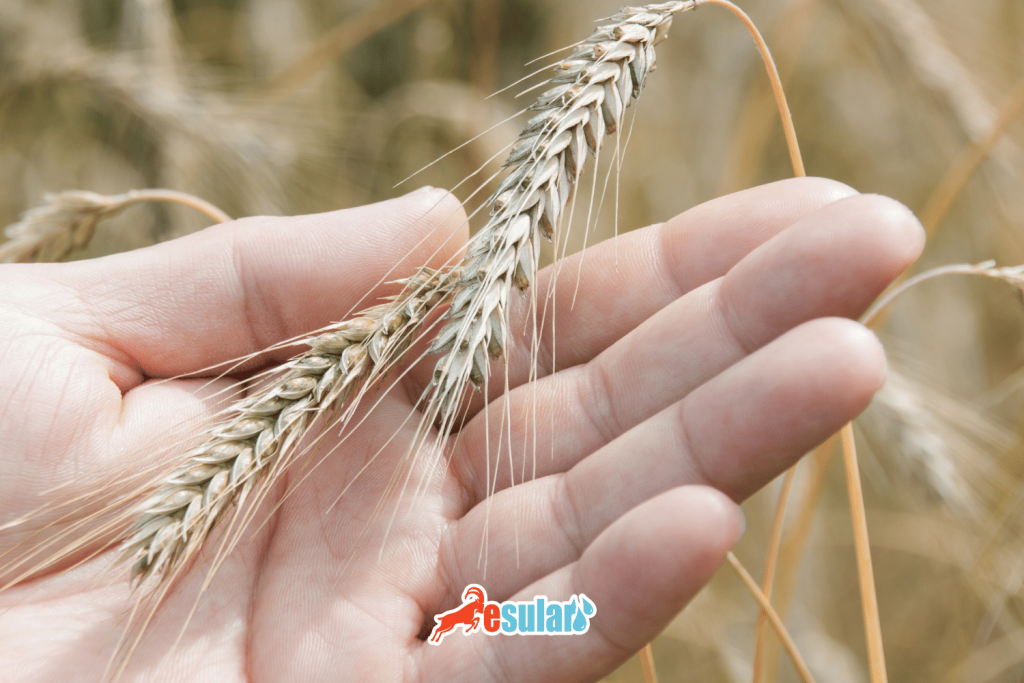
Triticale is a plant known by the name Triticosecale and is considered a hybrid of wheat and rye. It is thought to have first started being grown in Scotland and Germany in the late 19th century. This plant stands out especially for its resistance to various environmental conditions. Triticale combines advantages such as the high productivity and grain quality of wheat with the soil characteristics and disease resistance of rye. Triticale, which is generally used as forage, grain, and straw, can provide two harvests within a year. Additionally, it is known that the triticale plant, when harvested at the appropriate time and used as silage, positively affects the milk yield of animals. One of the important features of triticale is that it is effective in combating erosion.

triticale-cultivation

How Should the Climate and Soil Structure Be in Triticale Cultivation?

Triticale cultivation can be successfully carried out depending on suitable climate and soil conditions. The ideal climate for growing this plant is generally found in dry and temperate regions. Triticale should receive a sufficient amount of precipitation during its growth period, and extreme weather conditions should be avoided. As for soil structure, well-drained, loose, and loamy-loamy soils are preferred. Soils rich in organic matter and balanced in terms of nutrients provide a suitable environment for triticale cultivation. More successful production is achieved in regions where irrigation facilities are available.  Triticale, which needs sunlight, requires the areas to be grown to be open to sunlight. Considering these factors, triticale cultivation can be carried out efficiently in suitable regions.

Triticale or Wheat?

Triticale surpasses wheat in terms of net protein utilization. Lysine, one of the amino acids that determines protein quality, is found at a rate of 2.8% in wheat, while this rate increases to 3.4% in triticale. Additionally, the rate of threonine, one of the essential amino acids, is 10% higher in triticale compared to wheat. These characteristics make triticale superior in terms of feed value.

triticale-cultivation-

Sowing in Triticale Cultivation

Soil preparation in triticale cultivation is as important as it is for the wheat plant. Since triticale is a winter cereal plant, it is generally sown between October 15 and November 15 in the Thrace region. During the soil preparation process, the field is first tilled, and proper preparation of the field is ensured. The soil tillage process aims to increase soil aeration and water penetration. Sowing approximately 20 kg of seeds per decare will be sufficient. Triticale seeds are sown at a depth of 5-6 cm using a normal cereal seeder. After sowing, the growth process of the plant is carefully followed. In this way, with the appropriate sowing time and correct soil preparation, the healthy growth of the triticale plant is ensured.

Fertilization in Triticale Cultivation

The most accurate fertilization in triticale farming should be done according to soil analysis results. In general, the amount of fertilizer to be used in triticale fertilization is determined depending on the conditions of the growing region and soil analysis. For example, while 12 kg/da of pure nitrogen can be used for triticale grown in Thrace, this amount can go up to 14 kg/da under irrigated conditions. Because in irrigated conditions, the target product amount to be obtained per decare is at least 50% higher compared to arid conditions. Therefore, in areas where irrigation facilities are provided, a higher amount of nitrogen may be required. However, the timing of application is as important as the amount of fertilization. In triticale cultivation, fertilization should be done at appropriate times before sowing and during the growth periods of the plant, and the nutrients needed by the plant should be provided in a balanced way. In this way, the healthy and productive growth of the triticale plant can be ensured.

where-does-triticale-grow

Irrigation in Triticale Cultivation

Triticale is generally not required to be irrigated as it is more drought-resistant compared to other cool-climate plants.  To obtain a good yield, irrigation can be done in wetland areas during the jointing and milk-ripe stages of the triticale plant. These irrigation applications can help achieve successful results in triticale cultivation by positively affecting the yield.

Harvest in Triticale Cultivation

Triticale harvest is generally carried out with combine harvesters adjusted for normal wheat harvest. When the plants reach harvest maturity, the ideal harvest time is determined. Generally, the appropriate time for harvesting the plants starts after the morning dew has lifted, around 10 o'clock. This is important for the moisture content of the plants to drop and the stalks to become more suitable for breaking. During the harvest process, by setting the combine harvesters according to wheat, triticale plants are cut from an appropriate height. In this way, the stalks of the plants are easily collected by the combine harvester, and the harvest process is completed efficiently. This process helps provide suitable conditions for harvesting and storing the triticale plant.

How Much Triticale is Produced from 1 Decare?

Since the triticale plant has the characteristic of not shedding its grains, there is no shedding problem during harvest. Therefore, harvest loss is also low. The yield of triticale per decare is generally between 300-400 kg. This yield can be achieved with suitable growing conditions and appropriate harvest timing.

how-is-triticale-cultivation-done

Yorumlar

Daha Fazla İçerik İster misiniz?

Akıllı tarım hakkında en güncel içerikleri takip edin.