How Thyme (Oregano) Cultivation is Done
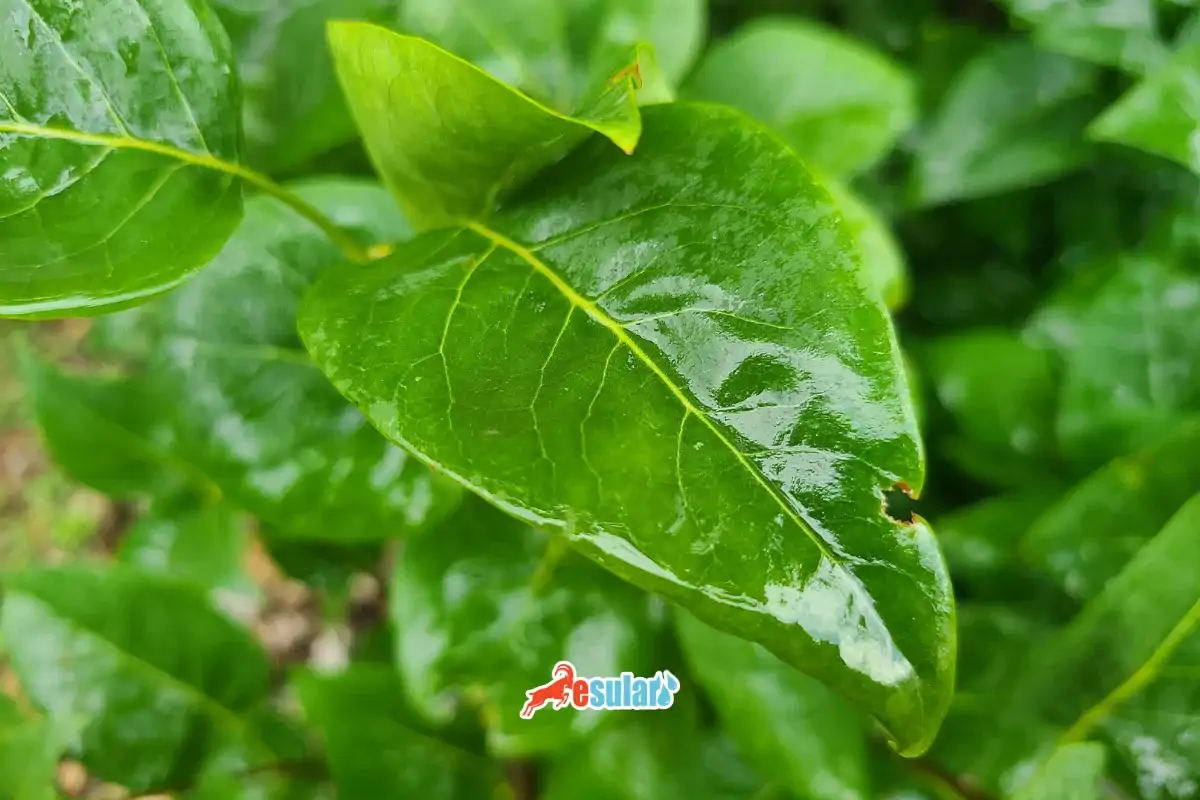
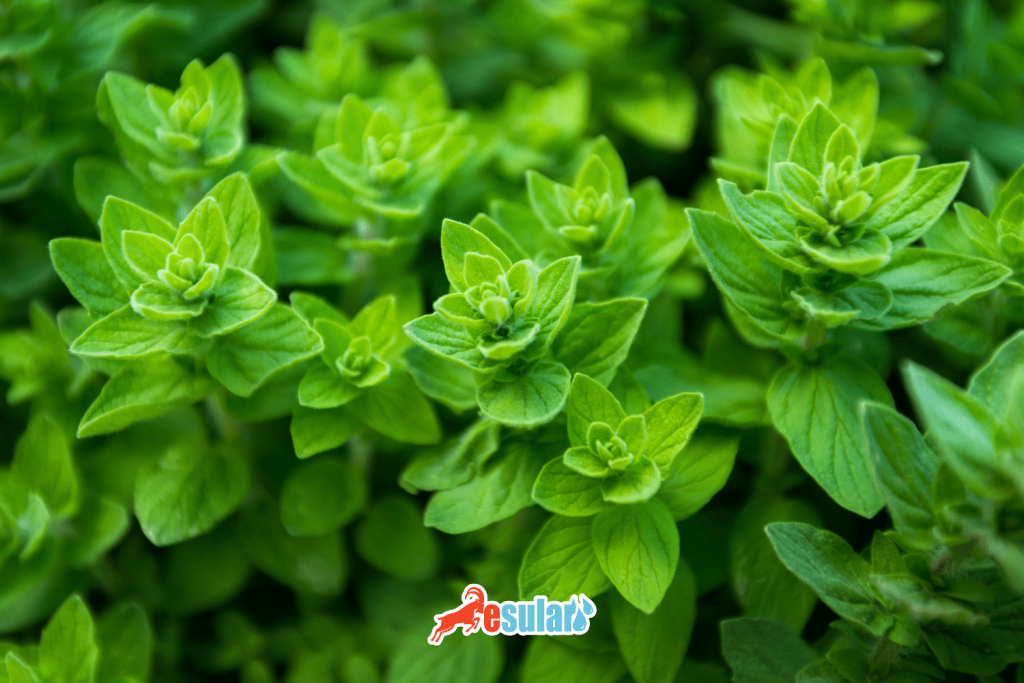
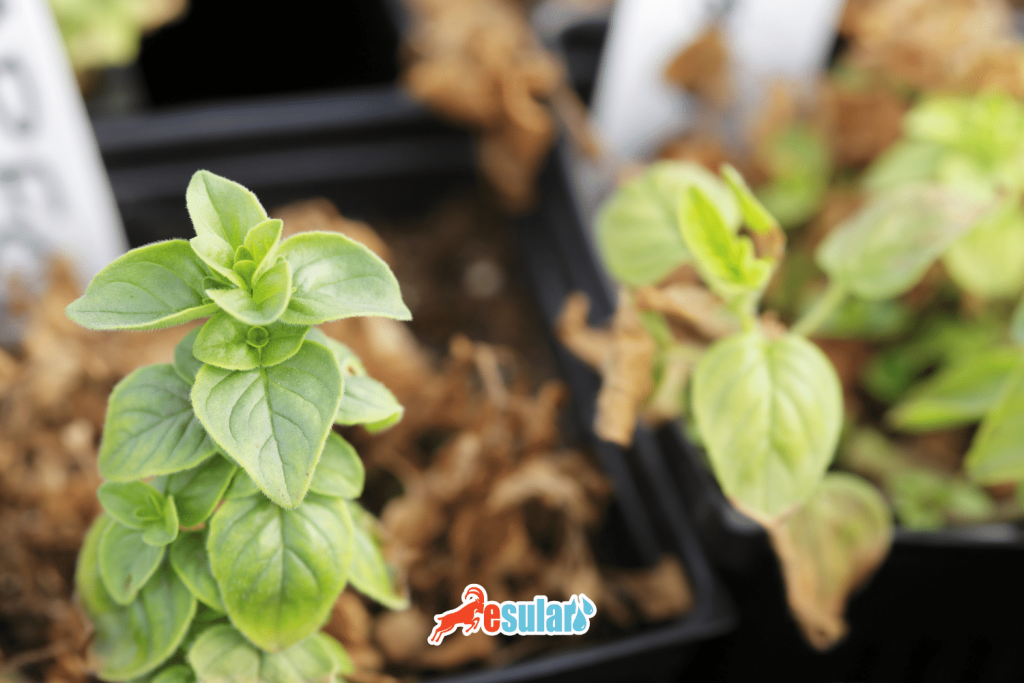
How thyme cultivation is done, The thyme plant is a perennial plant, 50-100 cm long, partially in shrub form and a perennial plant. The plant, known by its Latin name “Thymus Sp.”, has the commonly known English name “Garden Thyme” and its local names include “Wild Thyme”, “Sater Herb” and “Nemamul Herb”. It can grow in open areas, slopes, and stony regions that are not suitable for wheat cultivation and provides more income per unit area compared to other plants. Its feature of staying green for a long time allows it to be used as a cover plant on slopes to prevent erosion. Selling harvested products both raw and in processed form abroad provides foreign exchange income and reduces migration in rural areas. However, in recent years, the uncontrolled and unplanned collection of thyme species in nature has led to the disappearance of local species and an increase in erosion. Additionally, in collection from nature, it causes a decrease in product quality due to reasons such as the mixing of different species and early harvest. For this reason, it is important to farm the thyme plant in order to offer standard and high-quality products.
Botanical Characteristics of Thyme
Scented thymes (Labiatae), which have a shrub or shrubby appearance, are a genus represented by 40 species worldwide and generally prefer shallow, loose, temperate, humus-rich, and calcareous soils. These plants are grown in Europe, Asia, the Mediterranean region, from North Africa to Abyssinia, and in the Canary Islands. In our country, approximately 35 thyme species are widely found in places up to 1500 meters and in highlands. Some of these species are mentioned as endemic in the literature. Thyme is valued in our country, which is the homeland and gene center of many thyme species. While in some of our regions, different species collected from nature are traded, in field conditions, usually Izmir Thyme (Origanum onites L.) and Çanakkale Thyme (Origanum vulgare L.) species are cultivated. Thyme is a perennial plant and its economic life is generally 7 years, but under good care conditions, this period can go up to 10 years. It has many areas of use, especially in the spice, chemical, pharmaceutical, and cosmetic sectors.
Thyme Production
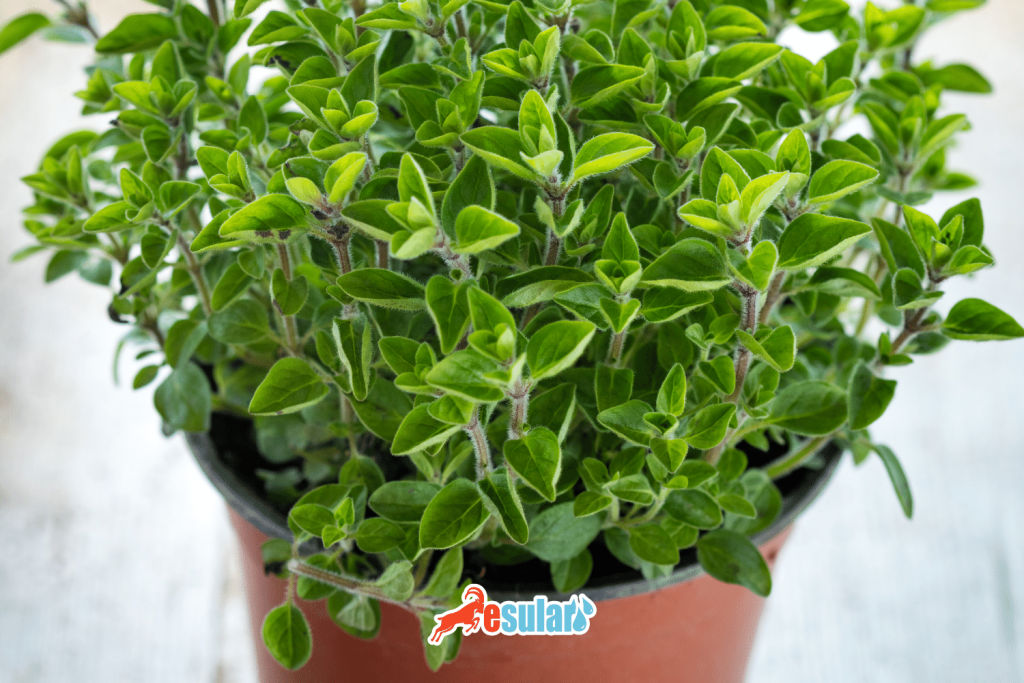
In the soil preparation and seedling planting process, the thyme plant can be propagated by both seeds and cuttings. However, propagating using seeds is a more practical method.
Production by Cuttings: There should be a rootstock thyme facility developed for at least 2-3 years from which the cuttings will be obtained. In October-November, if the field is at the appropriate moisture level, it should be plowed using a plow, and in the spring, the field preparation should be done using a disc harrow and rake. Before planting, 6 kg of pure nitrogen (22 kg/da ammonium nitrate (26%)) and 6 kg of pure phosphorus (12-14 kg/da Triple Super Phosphate) fertilizer should be applied per decare. Semi-woody cuttings 15-20 cm long obtained from the rootstock thyme facility should be planted in the prepared field in the first half of April (early spring) with 45 cm row spacing and 15 cm on-row distance. After planting, initial watering (life water) must definitely be given. Maintenance operations such as irrigation, weeding, and hoeing should be carried out at regular intervals.
Production by Seeds: Thyme seed is difficult to sow directly into the field due to its small size. For this reason, it should be sown in specially prepared beds in greenhouses and low tunnels. The nursery bed should be filled to a height of approximately 15 cm with a substrate consisting of 1/3 sand, 1/3 soil (preferably forest soil), and 1/3 well-rotted sheep manure in cold beds. Sowing should be done between October 15 and November 15 using a sand mixture containing 1.5-2 grams of seeds per square meter. Afterwards, it should be covered with about 1-2 mm thick substrate soil. Maintenance operations such as irrigation and weeding in the nursery should be carried out regularly after sowing. Adult seedlings (12-15 cm tall) should be planted in the field between April 1-15 (may vary depending on climate conditions). The beds should be watered sufficiently one day before pulling.
Thyme Cultivation Climate and Soil Requirements
In terms of climate and soil demands, the thyme plant is resistant to drought and cold. In regions where the north is open, exposed to air flow, and not exposed to extreme heat during flowering, yield and essential oil quality are higher. It is not selective in terms of soil requirements; sandy-loamy, non-water-holding and slightly sloping soils are suitable for thyme cultivation. Izmir thyme adapts better to arid conditions, while Çanakkale thyme can adapt better to bottom and water-holding conditions.
Thyme Cultivation Tillage and Seedling Planting
The thyme plant is a plant that can be produced by seeds or cuttings, but production by seeds is generally more practical. A nursery area of 10 square meters is sufficient for one decare of thyme production. An average of 1500 seedlings in a 1 square meter area is ideal. Seeds are sown in specially prepared beds in October-November-December and turned into seedlings there. Before the seedlings are transplanted to the field, a deep tillage should be performed, then the soil surface should be leveled using a disc harrow-rake or spring-tooth harrow-rake combination. Seedling plantings are carried out in a period when the risk of frost disappears in the spring, from the end of March to mid-May, depending on the regions. Seedlings are placed in the field using a planting machine and initial watering (life water) must definitely be given after planting. In thyme cultivation, as in production by cuttings, the appropriate planting distance is usually determined as 45*20 cm. In the first year, special care should be given to maintenance operations such as irrigation, weeding, and hoeing.
How much thyme is planted per 1 decare?
How many plants or plant specimens will be planted per 1 decare can vary depending on a number of factors. Factors such as plant spacing to be used during the planting of the thyme plant, soil conditions, climate, irrigation methods, and cultivation technique affect this amount. A nursery area of 10 square meters is sufficient for one decare of thyme production.An average of 1500 seedlings in a 1 square meter area is ideal.
Thyme Cultivation Fertilization and Maintenance
In thyme cultivation, it usually grows in arid conditions and is generally mowed once a year. Since plant development is slow in the first year, it is necessary to hoe several times to fight weeds and fill the root collar of the plant. In subsequent years, hoeing should be done at least twice to fight weeds, aerate the soil, and reduce water loss from the soil through evaporation. Before thyme fields are established, it may be appropriate to add up to 5 tons of farm manure per decare to improve the structure of the soil. Generally, applying 7-8 kg of nitrogen (N) and 4-5 kg of phosphorus (P) per decare annually during the yield period will be sufficient. The importance of the potassium element is great for increasing the essential oil quality. Therefore, to perform correct plant nutrition, fertilization should be done according to soil analysis results including macro and micro nutrients.
Thyme Cultivation Harvest and Drying
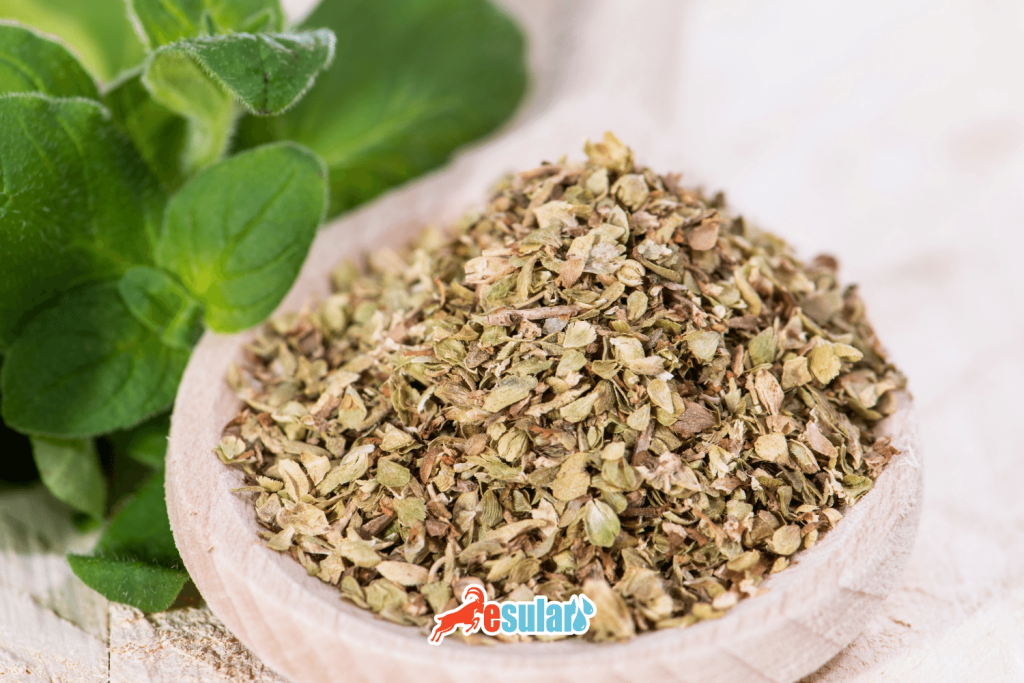
In both production methods, since the first year is the establishment year, no product is expected, but one mowing can be performed in well-developed areas. The most ideal harvest time is between the beginning of flowering and the full flowering period. Mowing height is performed 10-15 cm above the soil level using special harvesting machines such as knives or sickles. Care should be taken not to damage the roots during mowing. Additionally, care should be taken not to mix weeds during harvest. Maintenance operations such as irrigation and weeding should be carried out immediately after harvest. Before winter, a cleaning mowing should be applied to be approximately 15 cm high from the soil. In well-developed and irrigable places, 2-3 mowings can be performed. A natural, clean, and shady environment should be preferred for the collected plants to dry. Color change and essential oil loss may occur in plants dried in the sun, which reduces the market value of the thyme plant. To prevent heating and color darkening, the plant height should not exceed 20 cm and should be turned over at certain intervals. Generally, the amount of dry material obtained from the fresh plant is 1 unit for 4-5 units. Dried thymes should be beaten to separate the stems and leaves. The obtained product should be bagged in a cool and dry environment that does not receive light and preserved until marketing. In arid conditions, depending on climate and soil conditions, altitude, and location, a yield between 120-250 kg/da can generally be obtained. In wetlands, a yield of 400-500 kg/da can be taken.
How many times a year is thyme harvested?
The thyme plant is usually harvested once a year. In well-developed and irrigable places, 2-3 mowings can be performed. Harvest usually takes place between the beginning of flowering and the full flowering period of the plant. During this period, the essential oil content of the plant reaches its highest level, so harvest is done in this time frame. Harvest occurs with the collection of flowers and leaves on the plant. Later, the collected material is generally made ready for use by drying or can be processed to obtain essential oil.
How many kilos of thyme are produced from 1 decare of field?
Thyme yield depends on many factors affecting the amount to be obtained from a one-decare field. These factors include climate conditions, soil quality, irrigation regime, fertilization practices, and the type of thyme grown. However, to make a general estimate, in arid conditions, depending on climate and soil conditions, altitude, and location, a yield between 120-250 kg/da can generally be obtained. In wetlands, a yield of 400-500 kg/da can be taken. This amount may change depending on the specified factors.
Diseases and Pests
There are no significant diseases or pests that could negatively affect thyme cultivation. However, situations where the root zone of the plant cannot be sufficiently aerated in high groundwater, soils with high water-holding capacity and impermeable soils can lead to soil-borne fungal diseases, causing root rot.
Thyme Cultivation in Turkey
In our country, in 2020, thyme cultivation is being carried out on a total of 184,711 decares in 21 provinces, and 23,866 tons of thyme are produced from these areas. Areas such as 172,461 decares in Denizli province, 3,813 decares in Uşak province, 2,285 decares in Manisa province, 1,915 decares in Aydın province, 1,369 decares in Kütahya province, and 1,260 decares in Hatay province contribute significantly to thyme production. Additionally, a total of 2,195 tons of thyme is obtained from natural flora in our country. The produced thymes are evaluated both domestically and abroad as unprocessed/unground and processed/ground spices, and as thyme oil and thyme water obtained by distillation. The increase in thyme production areas has brought vitality to the regional economies, and this sector has become a high-value-added sector by providing employment opportunities in the production and spice industry, as well as in the essential oil sector. Especially thyme production starting in Denizli province in 1990 gained momentum with the start of operations of the Thyme Processing Facility established in 2003, and today it has reached a position controlling approximately 90% of our country's thyme production and approximately 75% of the world thyme market. In the thyme production process in the region, employment is provided at every stage of thyme production, as well as in new business fields such as seedling production, planting machine production, and processing facilities.
Where does the best thyme grow?
The best thyme grows in places that like high-altitude, stony, and sunny climates. Especially in dry and stony regions like the Taurus Mountains, the thyme plant offers the best quality. Akseki and its surroundings are one of the prominent regions in Turkey, and the Karabas thyme grown in this region is known for its high carvacrol rate. The natural characteristics and content of the thyme plant may change depending on the geography where it grows. In general, hot, sunny, and dry climates can increase the quality of the thyme plant. For this reason, regions with suitable climate and soil conditions for thyme production generally have the potential to obtain higher quality and more effective thyme.
Is thyme cultivation profitable?
After the planting of the thyme plant, an economic yield begins to be obtained in the second year. From the third year onwards, it turns into a profitable production by covering the investment costs. In thyme farming, the largest investment cost is the seedling cost.
Benefits and Harms of Thyme
Thyme is a plant that offers many health advantages beyond being just a flavorful spice. Its benefits may change depending on its type and usage method. It is possible to benefit from these health advantages by using thyme in various dishes, teas, and aromatherapy applications. However, it is important to consult a health professional before starting any herbal supplement or treatment.
What are the Benefits of Thyme Tea:
Thyme tea is an herbal tea known for its pleasant scent and flavor and has various health advantages.
Here are some benefits of thyme tea:
- Digestive System: It calms the digestive system and can alleviate stomach problems. It can reduce gas and bloating,
- Throat Relief: It can alleviate sore throat,
- Immune System: It can strengthen the immune system thanks to the vitamins and minerals it contains,
- Cough: It can alleviate cough and can be used as a cough syrup by mixing with honey,
- Stress Reduction: It helps to relax and can reduce stress.
- Blood Pressure: It can help in regulating blood pressure.
Thyme tea can be drunk before or after meals, but excessive consumption should be avoided.
Benefits of Thyme Oil:
Thyme oil is a natural oil that has been used for centuries for both medical and cosmetic purposes and offers a number of benefits. Here are some important benefits of thyme oil:
- Anti-inflammatory Effect: It can reduce inflammation in the body, alleviate muscle and joint pains.
- Antioxidant Richness: It is rich in antioxidants and can fight free radicals, reduce cell damage, and delay signs of aging.
- Relieving Respiratory Tracts: It can help alleviate respiratory problems, especially useful in the treatment of colds.
- Relieving the Stomach: It can be effective against digestive problems, alleviate gas, bloating, and stomach cramps.
- Antibacterial and Antifungal: It is a natural antiseptic that can fight microbes and fungi, can be used on affected areas.
- Mental Vitality: It can increase focus, increase cognitive clarity, and reduce stress.
- Skin Care: It can alleviate acne and pimple problems, has antiseptic properties for skin cleansing and spot reduction.
- Hair Health: It can clean the scalp, be effective against dandruff problems, and support the hair looking shiny and healthy.
Thyme oil should be diluted appropriately and used carefully to obtain these benefits.
Can thyme tea be drunk every day?
Drinking thyme tea every day is generally safe, but every individual's health status is different, so it is important to consult with a health professional before overdoing it. Regular consumption of thyme tea may contribute to some health benefits, but drinking an excessive amount of any herbal supplement or tea may cause stomach discomfort or allergic reactions in some people. If you have any health problems, pregnancy status, or a specific medical condition, it is important to consult a health expert before consuming thyme tea or any herbal tea. The recommendations of a medical professional will provide the best guidance suitable for your individual health status.
Are oregano and thyme the same
Oregano and thyme plants are similar to each other but are different species. Both plants belong to the same family, namely the Lamiaceae family, and have a similar aroma profile. However, botanically they represent different species. Oregano generally refers to the Origanum vulgare species and is commonly used in Mediterranean cuisine. It is a spice frequently used especially in Italian dishes. The term thyme can refer to plants in the Thymus genus. The Thymus vulgaris species is the commonly known thyme species. Thyme is also generally used as a spice in kitchens. That is, oregano and thyme may have similar characteristics, but botanically they represent different species. Since both have similar taste and scent profiles, they can sometimes be used interchangeably.