Tüm Yazılar
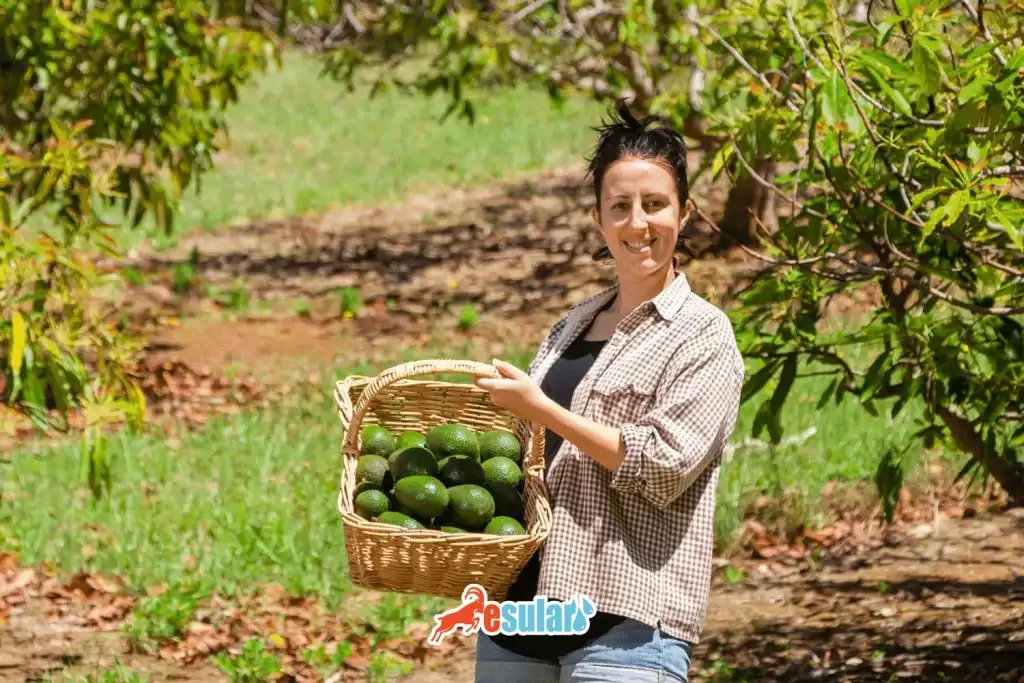
How to Cultivate Avocado?
Avocado cultivation has great importance globally both commercially and in terms of health. Recognized for its rich nutritional content and health benefits, avocado is preferred by a wide consumer base worldwide. Especially grown in regions suitable for the Mediterranean climate, avocado is in demand and its consumption is rapidly increasing along with the rise of healthy living trends. This fruit is utilized in a versatile way by being used in salads, sandwiches, smoothies, and even cosmetic products. Avocado cultivation also has great economic potential. Due to high global demand, avocado prices generally tend to be a profitable investment. Additionally, avocado cultivation provides significant contributions to local economies.
What are the Benefits of Avocado?
This magnificent fruit is known for its high nutritional value. Thanks to the healthy fats, fibers, vitamins, and minerals it contains, it provides many benefits to the body. Especially rich in unsaturated fatty acids, avocado supports heart health and keeps cholesterol levels in balance. Additionally, thanks to its high fiber content, it regulates digestion, protects intestinal health, and increases the feeling of fullness. Being rich in antioxidants protects the body from the harmful effects of free radicals and delays aging. Containing nutrients such as lutein and zeaxanthin that support eye health protects eye health. Thanks to its blood sugar balancing feature, it reduces the risk of diabetes and helps keep blood sugar levels under control. Additionally, it contributes to weight control by providing a feeling of fullness. All these health benefits can be obtained when avocado is consumed regularly.
Where Does Avocado Grow?
Avocado production worldwide is concentrated especially in countries such as Mexico, Chile, Peru, Colombia, Israel, Spain, Kenya, and South Africa. These countries are favorable regions for avocado cultivation in terms of climate and soil conditions. Especially Mexico is in the position of the largest producer of avocado and exports a significant part of the production. Other countries are also among the important avocado producers worldwide. In Turkey, avocado cultivation is concentrated especially in regions with a Mediterranean climate. Provinces such as Antalya, Mersin, Muğla, and Hatay are regions with ideal conditions for avocado cultivation. In recent years, avocado production in Turkey has increased and started to see more demand in local markets. Especially with the rise of healthy nutrition trends, avocado demand has increased and production has expanded to meet this demand. This situation further reveals Turkey's potential and importance in the field of avocado cultivation.
How Should Climate and Soil Structure Be in Avocado Cultivation?
In terms of climate, avocado is generally grown in subtropical and tropical climate regions. Hot summers and mild winters are ideal for avocado trees. Also, the absence of frost events is important because avocado trees are quite sensitive to frost. As for soil structure, deep, well-drained, sandy-loam soils are preferred for avocado trees. These soils allow water to pass easily and roots to receive oxygen. Additionally, a pH level between 6-7 is preferred. Salinity and salt accumulation in the soil are also negative factors for avocado cultivation. In addition to these conditions, it is also important for avocado trees to receive direct sunlight and be protected from winds. To provide a good microclimate, appropriate distances should be left between trees and shade structures should be created when necessary.
Sapling Planting in Avocado Cultivation
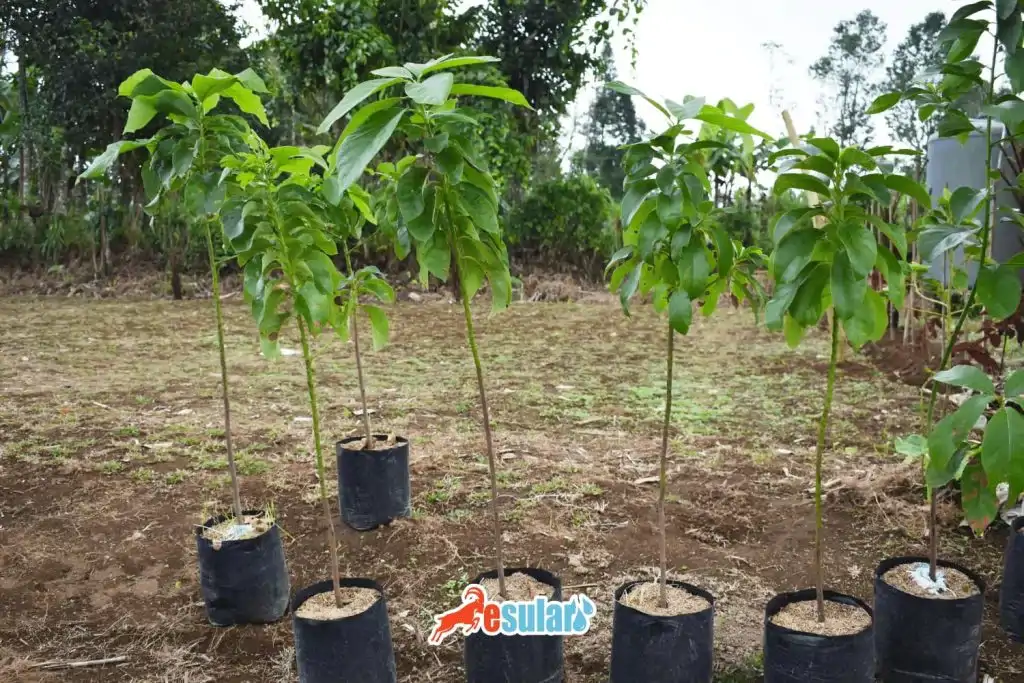
The planting spacing to be given to avocados varies according to the variety, soil structure, cultural practices, and the quality of the sapling. However, a planting spacing of 7x7 m, 6x6 m, or less can be given. When dense planting is done to obtain more yield, the trees should be kept under control by pruning. Before planting, a main line is drawn from the straight and long side of the land, at a distance of at least half of the interval and distance to be given. Then, a second line perpendicular to the main line is drawn and the determined planting intervals are marked on these lines. Later, with the prepared planting board, other planting spots are marked and their triangulations are made again with the planting board. Planting holes are opened at a depth of at least 60 cm according to the texture and depth of the soil. The topsoil is mixed with well-rotted farmyard manure and filled into the hole. If possible, the marking of planting spots and the opening of planting holes should be done in the autumn before planting. diversify and detail
When is the Avocado Sapling Planted?
The planting of avocado saplings should ideally be done in the early periods of the spring months. This period is a time when the danger of cold has passed and the saplings can have a better and longer growing period. The early months of spring allow the saplings to take root and grow without being too affected by hot weather conditions. However, the planting time of saplings may vary depending on the climate conditions of the region, the danger of frost, and the soil condition. Therefore, the most suitable time should be determined by taking the characteristics of the region where planting will be done into account.
Irrigation in Avocado Cultivation
In avocado orchards, in the first years of the saplings, irrigation should be done enough to wet the root zone of the saplings. This is usually achieved by giving water to the basins around the saplings or to the furrows containing the saplings. However, irrigation frequency may vary according to climate and soil structure. Typically, saplings should be irrigated at 7 to 10-day intervals and over-irrigation should be avoided. As trees begin to yield, the basin and furrow irrigation method is generally preferred. However, in recent years, modern irrigation systems such as drip irrigation or mini-sprinkler irrigation methods have also begun to be used in some commercial avocado orchards. These systems have many advantages and allow the application of fertilizer to the trees along with irrigation. The irrigation schedule should be adjusted according to the start and end dates of the rains. Avocados need water the most in the months of July-August. In cases where water is insufficient during this period, severe fruit drops may occur. Therefore, it is important to perform regular irrigation and meet the water needs of the trees, especially in these months.
How Many Avocado Trees are Planted per 1 Decare of Land?
28 saplings can be planted on one decare of land from avocado saplings, which is a tropical climate fruit variety without dwarf production. This is the typically applied planting density, and later the trees are expected to reach optimum size and yield. Of course, the climate conditions, soil structure, and other factors of a specific region can also affect the planting density.
Fertilization in Avocado Cultivation
Avocado saplings should be fertilized when they first start growing after planting. Generally, nitrogenous fertilizers are the most commonly used fertilizers. Fertilizers should not be brought into contact with the trunks of young trees; they should be applied to the canopy projection 20-50 cm away from the trunk. In trees that have started to yield, the need for nitrogen increases most during flowering and fruit set. Phosphorus and potassium fertilizers are usually not very necessary in the first years. However, from the 4th year onwards, fertilizers such as triple super phosphate and potassium sulfate can be given. Application is usually done in October and November. Additionally, base fertilization can be done in February and March when the soil is suitable. To improve the physical and chemical structure of the soil, it is recommended to apply about 2-3 tons of farmyard manure per decare every 3-4 years. The best way to determine the amount of fertilizer to be given to the trees is based on leaf and soil analysis. Leaf samples should be taken from 4 different directions of the tree, from a height of 1.5-2 m, from the 5-7 month old non-fruiting spring shoots of that year, during the mid-August and mid-October periods.
Harvest in Avocado Cultivation
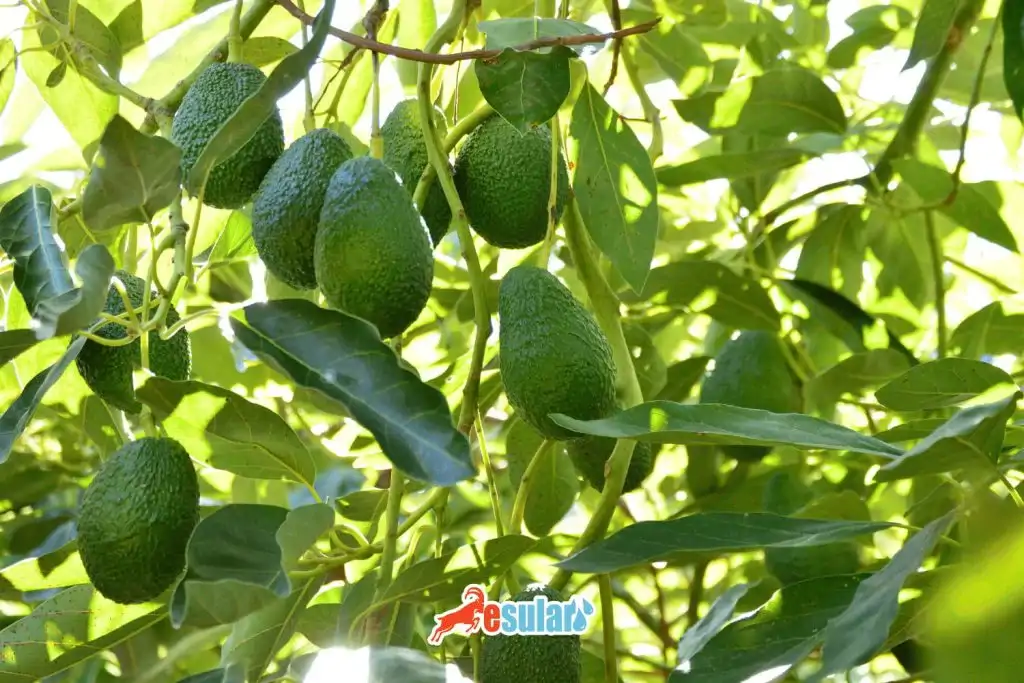
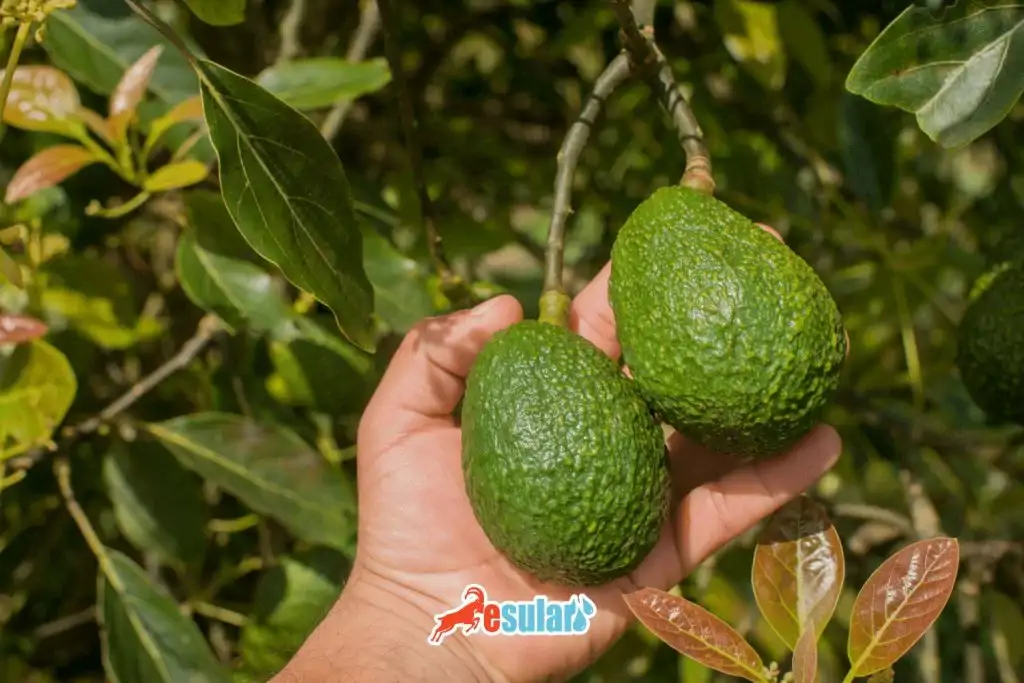
Avocado fruits ripen at different times depending on their varieties. The most important criterion in determining maturity is the oil ratio in the fruit. While in some countries the minimum oil ratio for fruits to be harvested is accepted as 8%, in Turkey, 21% dry weight is accepted as the minimum maturity standard. To determine fruit maturity, the external appearance of the fruit can be looked at. In purple-colored fruits, the color starts to turn from green to purple when the fruits are considered ripe, and in green-colored fruits, when the skin takes on a yellowish color and the brightness decreases. After the fruit reaches harvest maturity, they can stay on the tree for a long time and softening usually occurs after picking. It is recommended to pick the fruits with their stems when harvesting and then shorten the stems with fruit shears, because rot may occur if they are picked without stems. Harvested fruits should be processed carefully and care should be taken to prevent damage. Fruits to be stored are usually packaged in single rows in cardboard boxes.
After How Many Years Does Avocado Give Fruit?
The avocado tree generally starts to bear fruit between the ages of 2 and 3. However, to get the highest yield, it is usually necessary to wait until the ages of 8 to 10. From these ages onwards, the trees generally reach their healthiest and most productive periods.
How Much Avocado is Produced from 1 Decare?
The amount of avocado that can be obtained per decare depends on many factors, including variety, climate conditions, soil quality, fertilization and irrigation practices, pruning methods, and other cultural practices. However, in general, an average of 1000 to 1500 kg of avocado can be obtained from one decare of land. This amount can be obtained under optimal growing conditions and may vary depending on local conditions.
Kategoriler