Tüm Yazılar
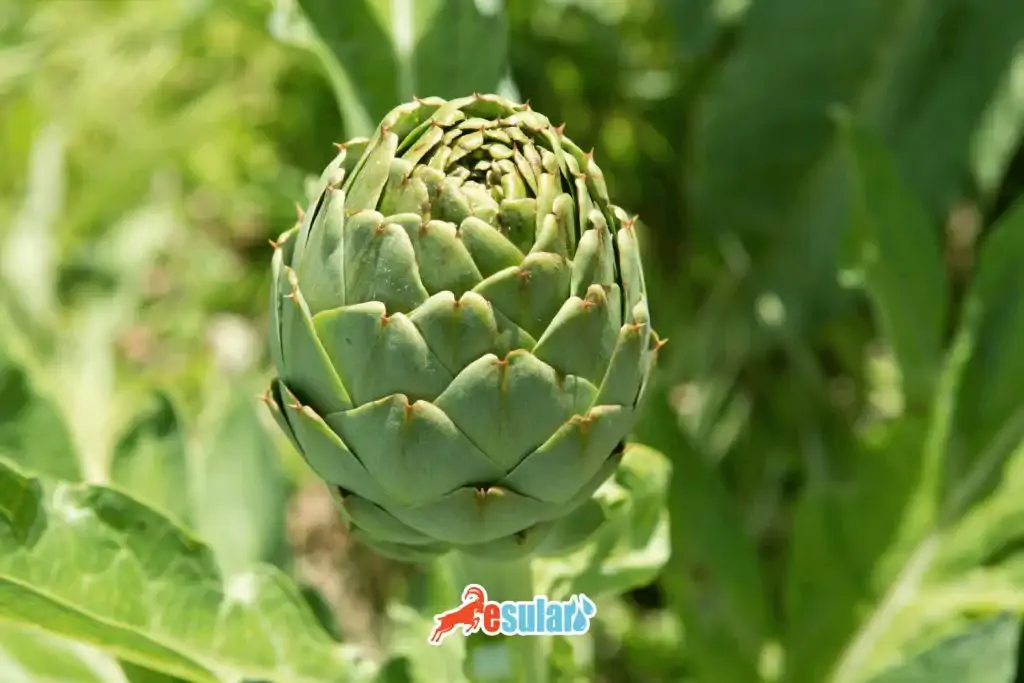
How to Grow Artichokes?
Artichoke cultivation holds an important place in the agricultural sector both economically and in terms of health. Artichoke is an important food source with many health benefits. Thanks to the antioxidants, fibers, vitamins, and minerals it contains, it supports digestion, reduces the risk of cardiovascular diseases, balances blood sugar levels, and strengthens the immune system. Additionally, being low-calorie and providing a feeling of fullness contributes to weight control. Artichoke is also important for soil conditioning; it increases productivity by accumulating organic matter in the soil and prevents erosion. For these reasons, artichoke cultivation carries great value not only for health and nutrition but also environmentally and economically. In addition to being an important source of income for producers, it is an indispensable part of healthy tables for consumers. Therefore, the development and promotion of artichoke cultivation is of vital importance for a healthy society and sustainable agriculture.
Where Does Artichoke Grow?
Artichoke grows in regions dominated by the Mediterranean climate worldwide. Among these regions, it is intensively cultivated in countries such as Turkey, Spain, Italy, and Greece. In Turkey, artichokes are grown abundantly, especially in the Aegean and Mediterranean regions. Cities like Izmir, Aydın, Muğla, Antalya, and Adana are prominent regions in artichoke production. In Turkey, artichokes are grown starting from March until July, and artichokes harvested in spring are softer and sweeter. In Turkish cuisine, artichoke is known as a healthy and delicious vegetable frequently used in various dishes and appetizers.
Climate and Soil Structure in Artichoke Cultivation
Artichoke is a vegetable that prefers warm climates and does not like cold or extreme heat. In temperatures below -5 degrees, its above-ground parts may partially or completely freeze. Additionally, it does not develop well in hot and dry weather conditions, and its edibility rapidly decreases. Although it is possible to grow it by irrigating during hot periods, it quickly becomes fibrous, flowers early, and its taste is generally bitter. Therefore, the harvest period is shortened.
For growing artichokes, deep, cool, humus-rich, well-drained, slightly moist, loamy, sandy-loamy, or clay-loamy soils are ideal. Early harvest can be achieved in light sandy soils, but heads are usually small. In excessively moist clay soils, it may be prone to root rot, and the plant's lifespan may be shortened. Since products are obtained from the same place for 3 to 8 years, it is beneficial to prepare the ground by hoeing to a depth of 50 cm or plowing with a subsoiler before establishing the plantation. This increases the productivity and health of the plant.
When and How to Plant Artichokes?
Artichoke planting is usually carried out in late August or September. This period allows the plant to prepare for spring by strengthening its root system during the autumn and winter months. Approximately 1 square meter of area is reserved for each plant. Three methods are generally used for production. The first is rooted seedlings obtained by rooting and developing offsets taken from adult plants in March-April in another plot. The second is pieces taken from the underground stems of dormant artichoke plants carrying 3-5 buds. The third method is planting offsets that have emerged on the soil surface and carry even a few roots directly into the field. In planting, the distances between rows and on the rows should reach 1-1.25 meters depending on variety characteristics and ecological conditions. These adjustments support the healthy development of the plant and obtaining a productive crop.
Irrigation in Artichoke Cultivation
Artichoke needs plenty of water during its growth and development process. However, during this period, which usually coincides with the winter months in Turkey's climate conditions, natural precipitation generally meets the plant's water needs. But, in cases where precipitation is insufficient, irrigation should be applied. Because water deficiency causes artichoke heads to remain small, a decrease in quality, and rapid hardening. In summer, the plant enters a dormant period, and awakening irrigation is applied near the autumn months to encourage sprouting. This irrigation is usually performed in July, August, or September. Before awakening irrigation, dried stems on the plants are cleaned. Then, offset cleaning is done by leaving 2-3 shoots per plant. Irrigation is usually done using the furrow irrigation method, but sprinkler irrigation or drip irrigation may be preferred on very sloping lands.
Fertilization in Artichoke Cultivation
Correct fertilizer selection and application for artichoke are very important for balancing the nutrients the plant needs and ensuring healthy growth. Soil analysis of the field should be performed, and the fertilization program should be determined according to the plant's nutritional needs. Fertilizers containing basic nutrients such as nitrogen, phosphorus, and potassium encourage plant growth and increase yield. Organic fertilizers also improve soil structure and support plant health. The timing of fertilizer application should be adjusted according to the plant's growth stages and repeated at regular intervals. Creating a balanced fertilization program ensures the healthy growth of the plant and obtaining a productive harvest. However, since every field is different, the fertilization program should be customized according to field conditions and the plant's needs. Therefore, it is important to get help from an agricultural expert or agricultural consultant.
Artichoke Harvest
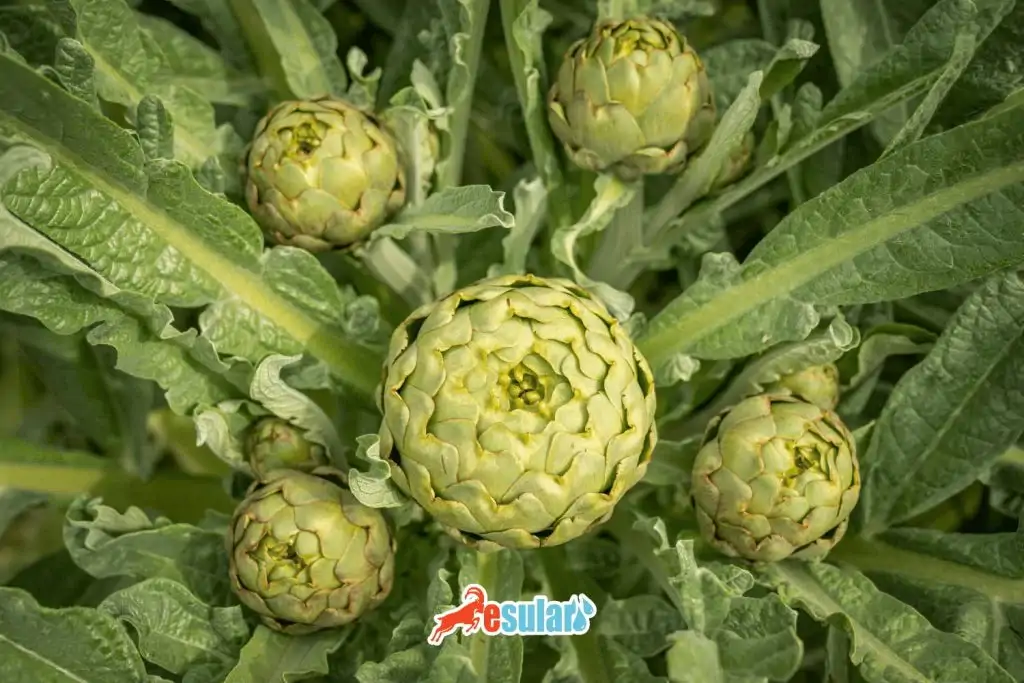
Harvest is carried out when the heads of the plant reach appropriate maturity. Heads are usually harvested when they have reached their normal size but the bracts have not yet opened. This is the time when the artichoke is most delicious and fresh. If the harvest is delayed, the bracts open, and the flower base gains a fibrous structure, causing the product to lose its market value. During harvest, heads are cut together with their stems 5 to 10 cm long. This process prevents the heads from being damaged during transport and storage, preserving the product's quality. Harvested artichoke heads are sent fresh to markets or processing facilities.
After harvest, the branches and leaves of the plant dry out, and the plant enters a dormant period. During this period, no action is taken on the plant, and it requires no maintenance. However, depending on the region, awakening irrigation can be done in July-August. The years when artichoke yield is highest are usually the 3rd and 4th years. Therefore, it is recommended to renew the plant after the 4th and 5th years.
How Much Artichoke is Produced from 1 Decare?
Approximately one thousand artichoke roots are planted in an area of 1 decare, and 4 to 5 artichokes are obtained from each root. Therefore, an average of 4-5 thousand heads of artichokes are produced from their 1-decare fields. This is an estimate that occurs when high efficiency is ensured with correct care and management, and actual results may vary depending on various factors.
Diseases and Pests Seen in Artichoke Cultivation
Diseases and pests encountered in artichoke cultivation are important issues that can affect product productivity and quality. These include major problems such as root rot, rust disease, and Artichoke Common Mosaic Virus.
- Root Rot is a common disease, especially in humid and clay soils. This disease usually occurs in soils that hold too much water. Therefore, it should be ensured that the water drainage of the areas to be planted is good, and planting in soils that hold too much water should be avoided.
- Rust Disease is a disease that creates white spots on the leaves and negatively affects the plant's development. One of the most effective methods in combating rust disease is the use of sulfur. Sulfur protects the health of the plant by preventing the spread of the disease.
- Artichoke Common Mosaic Virus is a virus that spreads through contact among artichoke plants and causes yellow spots to form on the leaves. This virus negatively affects the growth and yield of the plant, leading to its death. To control this disease, it is important to select healthy saplings and intervene immediately when symptoms of the disease are seen.
To grow healthy artichokes, it is important to choose the right products and use quality fertilizer. Additionally, early diagnosis of diseases and pests and making appropriate interventions are of great importance. In this way, healthy and nutritious artichokes can be obtained, and product productivity can be increased.
Kategoriler
Etiketler