Tüm Yazılar

How to Grow Goji Berries?
Goji berry cultivation has become quite popular in Turkey in recent years, as it has in the world. This special fruit is grown more widely, especially in the Mediterranean and Aegean regions of our country, compared to other regions where suitable climate conditions exist. The goji berry plant attracts the attention of many farmers due to its health benefits and commercial potential. However, there are some points to consider before starting goji berry cultivation. It is especially important to correctly manage factors such as soil quality, irrigation schedule, and disease control. Additionally, it is important to consider demand and prices by conducting market research. Overall, goji berry cultivation can be a potential source of income. Furthermore, growing this plant, which provides many health benefits, can be satisfying both health-wise and economically.
What are the Benefits of Goji Berry?
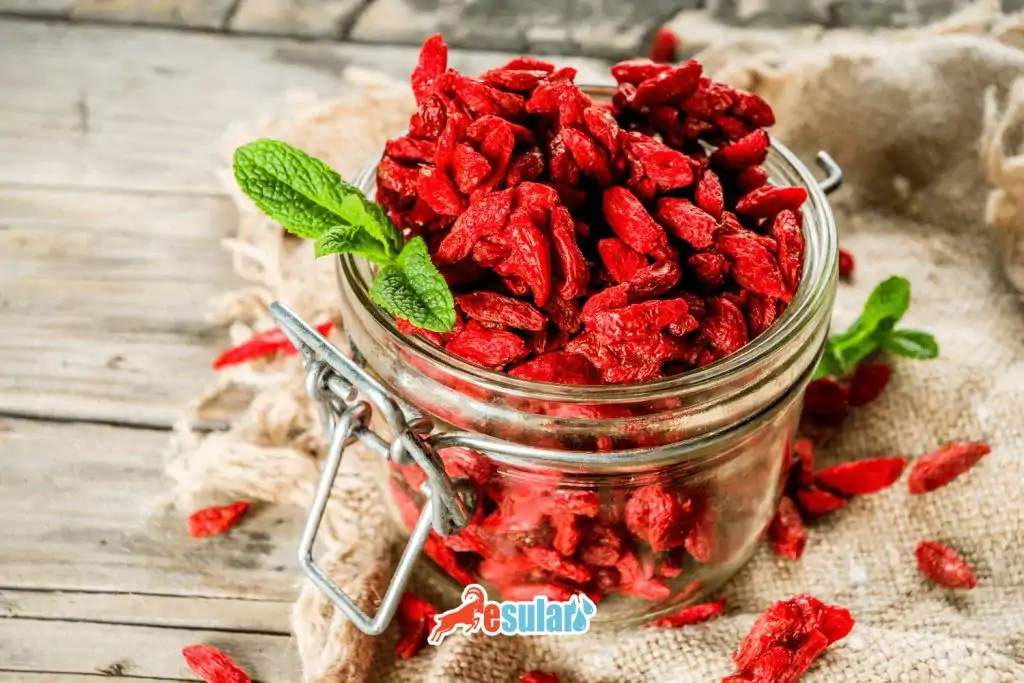
Goji berry is known as a fruit rich in antioxidants and offers many health benefits with the high amounts of vitamin C, vitamin A, and other nutrients it contains. Antioxidants strengthen the immune system and increase resistance to diseases by protecting the body against the harmful effects of free radicals. Regarding eye health, goji berry supports eye health with the carotenoids it contains and can reduce the risk of age-related eye diseases. In skin health, while the beta-carotene content helps protect the skin against the harmful rays of the sun, antioxidants protect skin cells from damage caused by free radicals and can reduce signs of aging. It supports heart health and helps fight cancer. Thanks to its high polysaccharide content, it is effective in fighting stress while it can regulate blood sugar levels. With this rich nutritional profile and health benefits, goji berry is an important supplement for a healthy lifestyle.
Where Does Goji Berry Grow?
Although the goji berry plant is of Asian origin, it can be grown in many different climates and geographical regions worldwide. Especially regions with a Mediterranean climate have ideal conditions for goji berry cultivation. However, it can also be successfully grown in cold and dry climates. The goji berry plant generally grows best in sun-loving, warm, and well-drained soils. In Turkey, regions with a Mediterranean climate such as Kayseri, Muğla, Antalya, and Adana stand out among the areas where goji berry is widely grown. Suitable climate conditions in these regions ensure the healthy growth of the plant and its ability to yield plenty of fruit.
Climate and Soil Structure in Goji Berry Cultivation
Suitable climate and soil conditions are important for goji berry cultivation. Ideally, the goji berry plant should be grown in warm and temperate climates. The plant prefers hot summers and mild winters. However, some species can also be grown in cold climates, but they may need to be protected against frost events. As for soil structure, well-drained, light, and sandy-loam soils are the most suitable for goji berry. Additionally, soils with a pH level between 6 and 8 should be preferred. Heavy clay soils that do not provide good drainage can cause the plant's roots to rot and lead to diseases. The goji berry plant, which needs plenty of sunlight, should be grown in full sun or slightly shaded areas. Too much shade can reduce the plant's yield.
Sapling Planting in Goji Berry Cultivation
It is important that the sapling is definitely pruned before planting. Root tips should be cleaned, and after planting, it should be tied by placing a support stick next to it. The goji berry plant loves sun and water, so these factors should be considered when choosing a planting site. The hole for the sapling should be opened according to the size of the sapling, and the upper and lower layers of the soil should be separated and placed in different spots. If well-rotted manure is available, it would be appropriate to mix it into the soil that will be placed at the base of the sapling. If the sapling is in a bag, we should carefully cut and remove the bag, taking care not to scatter the soil. If it is in a pot, we should turn the pot upside down to allow the sapling to come out. After the planting process is completed, life water should be given to the sapling, and it should be tied by placing a support stick next to it. This support stick will support the sapling for two years, and a sponge should be tied over it so as not to damage the sapling.
When is Goji Berry Sapling Planted?
The planting time and method of goji berry saplings are important for the healthy development of the plant. Saplings can be planted in any season in bags or pots. However, planting bare-root saplings in November-December encourages root development during the winter months and ensures the sapling adapts to soil conditions. In this way, it starts to grow and sprout rapidly in the spring. On the other hand, saplings planted in March undergo an adaptation process during the months suitable for development, which saves farmers a year. However, they may be adversely affected by frosts in regions with harsh winter conditions. Goji berry generally has a cold-resistant structure, but saplings planted in pots may be damaged by frosts.
Smart Irrigation Systems in Goji Berry Cultivation
Smart irrigation systems continuously monitor and manage the plant's water needs through sensors and digital control units. These systems automatically adjust the irrigation amount and timing by taking into account precipitation, soil moisture, air temperature, and other environmental factors. In this way, water is used efficiently and water waste is prevented.
The use of smart irrigation systems in goji berry cultivation brings many advantages. First, because the plant's water needs are continuously monitored, problems such as water stress are detected and prevented in advance. Additionally, because the irrigation amount and timing are adjusted according to the plant's growth stage, productivity increases. This both enables farmers to save water and reduces irrigation costs. Smart irrigation systems also offer farmers remote access. In this way, farmers can control the systems from anywhere and make adjustments when necessary. You can contact us to get more detailed information about this system. https://esular.com/akilli-sulama-sistemleri
Fertilization in Goji Berry Cultivation
The fertilization needs of goji berry saplings are determined according to their growth periods and the nutrient requirements of the plant. In winter months, fertilizers containing nitrogen can be used to promote the leaf and stem development of the saplings. However, it should not be forgotten that excessive nitrogen can reduce the sapling's resistance to frost. Before flowering, phosphorus and potassium-weighted fertilizers promote flowering while supporting fruit formation. During the flowering period, using fertilizers containing zinc and boron via foliage can increase fruit set. In the fruit formation period, fruit-enlarging fertilizers help increase the size and quality of the fruits. This fertilization program is important to ensure the healthy growth and efficient fruit yield of goji berry saplings. The amount and frequency of fertilization should be adjusted according to soil analyses and the plant's growth status, so that optimal nutrient intake can be achieved. Choosing and correctly applying organic fertilizers can increase the health and productivity of the plant.
When is Goji Berry Harvested?
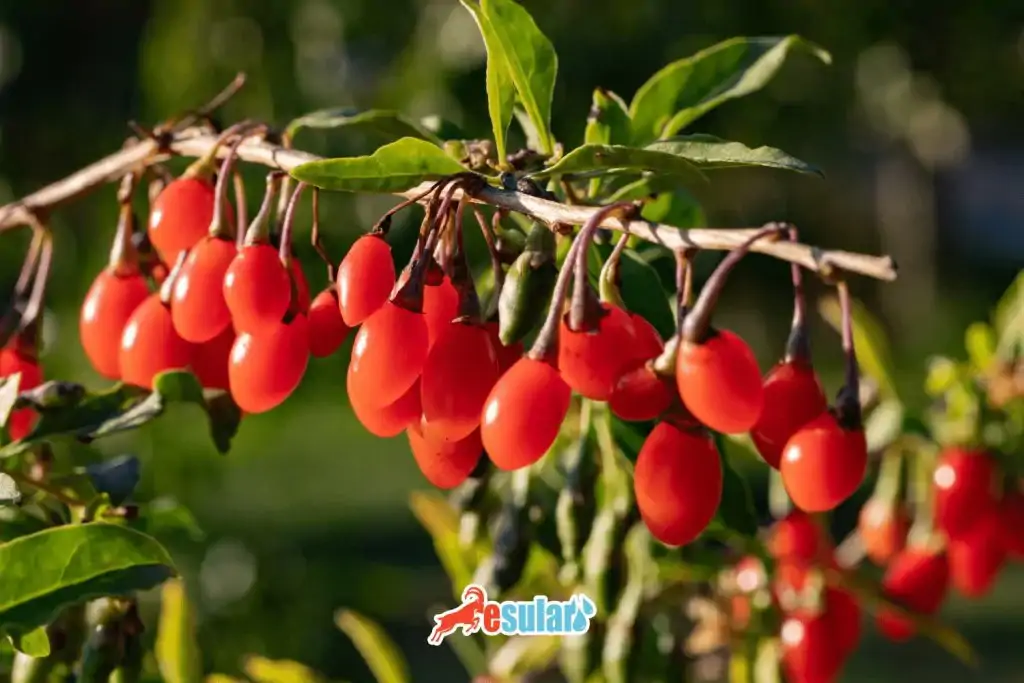
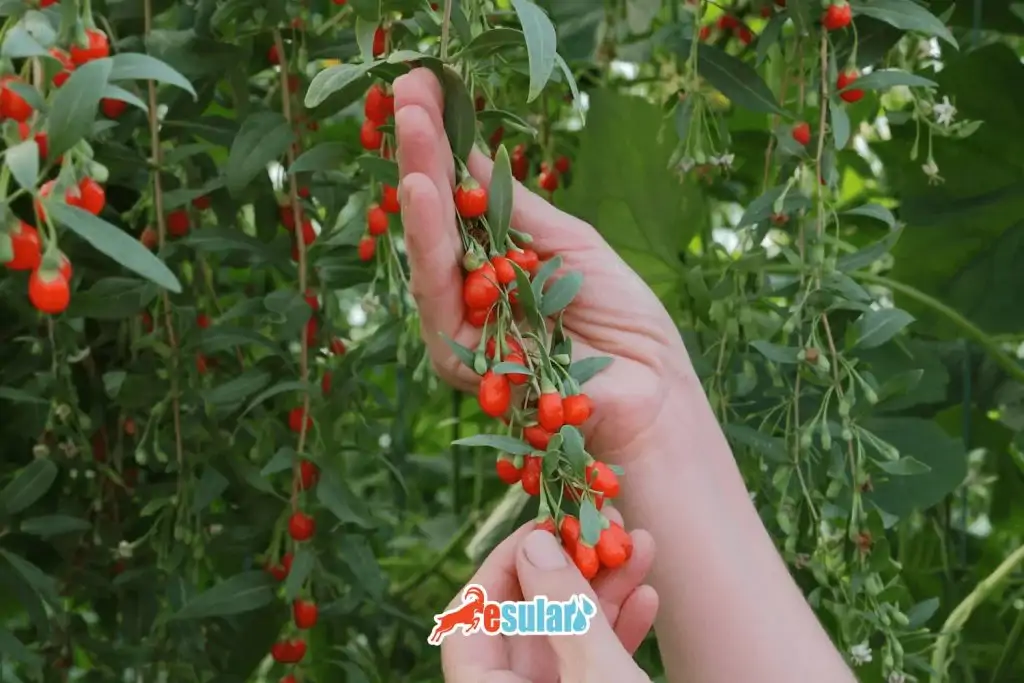
Goji berry harvest time usually starts in June and continues until October, lasting about five months in total. During this period, flowers, unripe fruits, and ripe fruits can be found on the same branch. The harvest time may vary depending on the ripening process of the fruits and the flowering time. While the fruits turn red during the ripening process, their taste and nutritional values also increase. During the harvest process, the collection of fruits should be done carefully, and the harvested fruits should be processed immediately. This is important to preserve the freshness of the fruits and maximize their quality.
How Many Years Does it Take for Goji Berry to Bear Fruit?
The goji berry plant can give a small amount of tasting fruits even in its first year. However, it takes some time to reach full yield, usually in the tree's 5th year. During this period, the goji berry tree becomes healthier and stronger, thus starting to produce more fruit. As of the 5th year, each tree is expected to yield approximately 8-10 kg of fresh fruit. This happens with the maturation of the tree and its transition to production at full capacity. During this process, caring for the tree and growing it under the right conditions can increase productivity and improve fruit quality.
Does Goji Berry Cultivation Make Money?
Goji berry cultivation can be a profitable investment. While goji berry saplings can be obtained at reasonable prices, the return on the crop is quite high. If you are interested in agriculture and looking for a profitable product, you can try goji berry cultivation and achieve high profits. However, as with every agricultural investment, providing the right conditions, performing regular maintenance, and determining marketing strategies are important to be successful.
Kategoriler
Etiketler