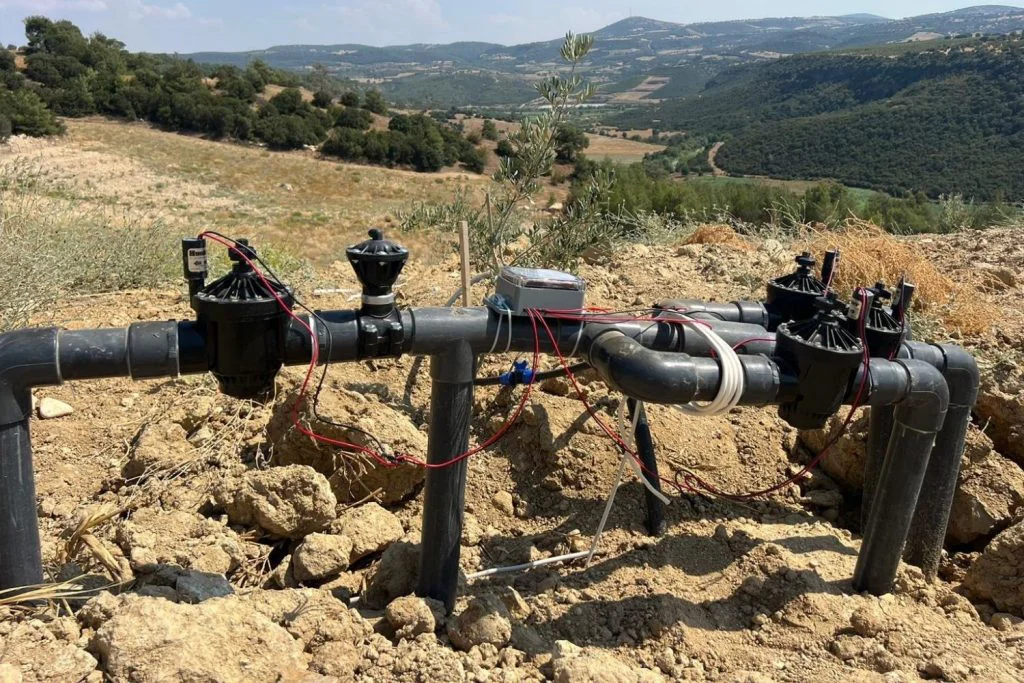
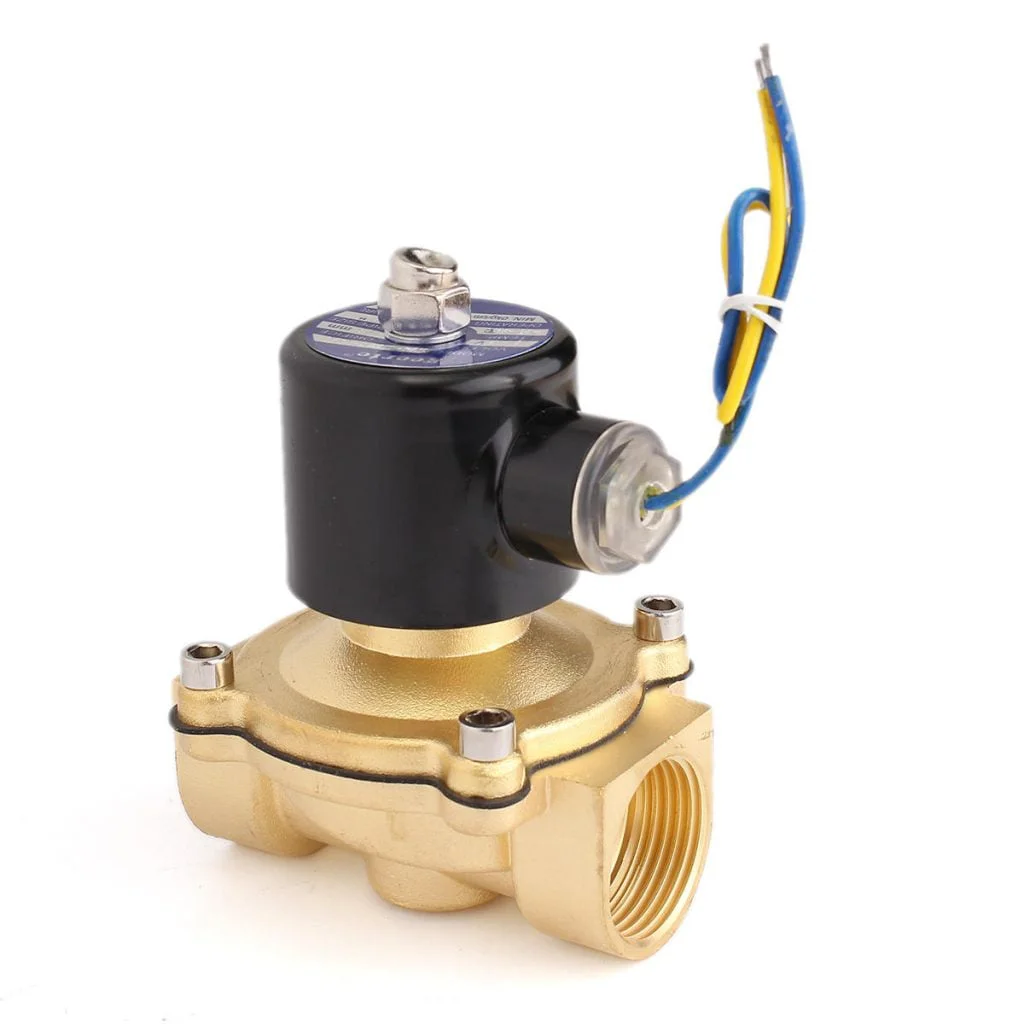
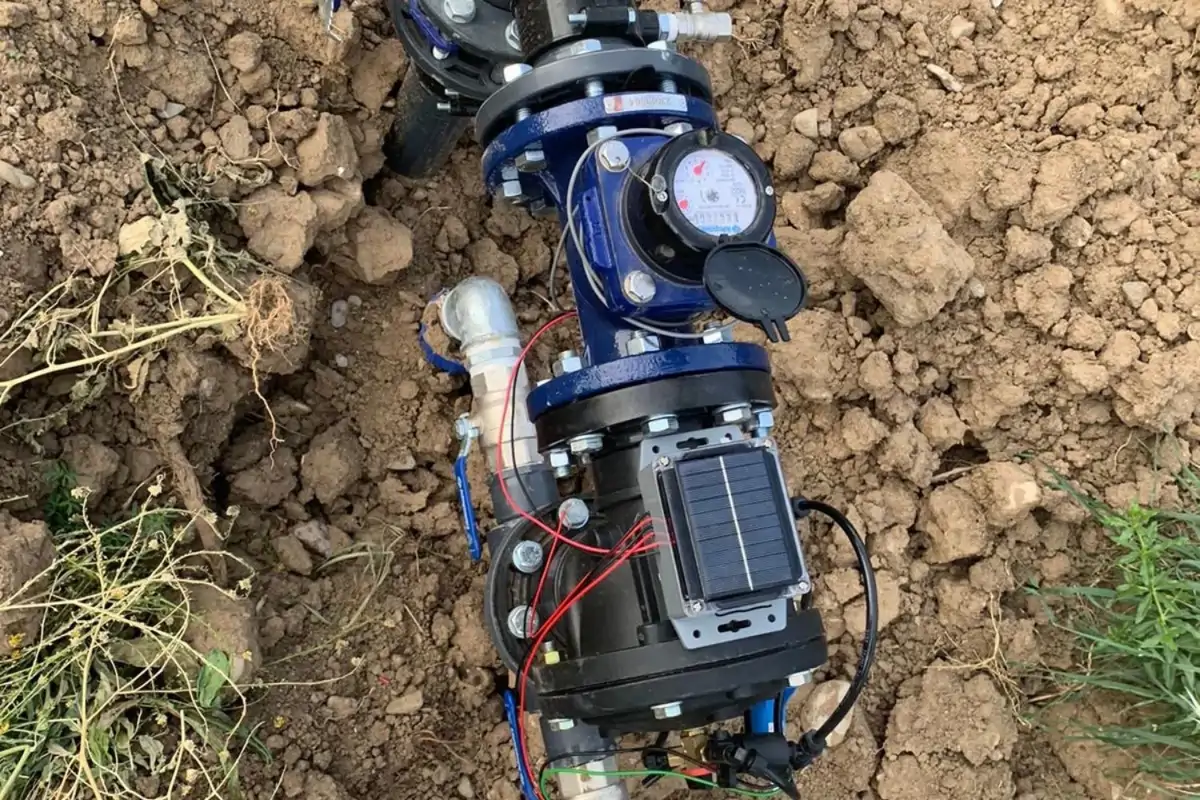
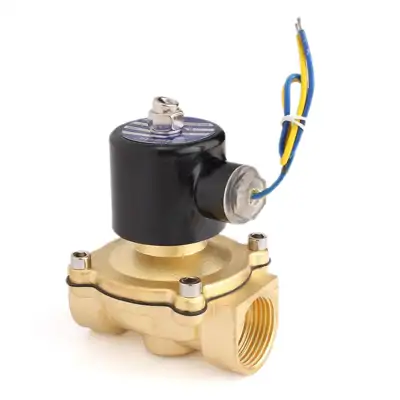
Valves are connected to the main line, allow water passage to the laterals, and take part in the opening and closing of the system. While only ball valves are used in manual systems, both ball and solenoid valves are used in automatic systems. In addition, many valves can be used on the line, for example, pressure reducing valves, line shut-off valves, etc. Valves can be used for different purposes. Solenoid valves are produced in 1’’, 1/2”, 2” diameters. Thanks to the coil on the solenoid valves, it transmits the signal from the control unit to the diaphragm and takes part in the opening and closing of the system. It works with the magnet inside moving up and down with the incoming signal.
Irrigation Valve Types
On-off, pressure and flow regulation air outlet, vacuum and pressure prevention valves;
One-way Valve: A valve that allows water to pass in one direction and prevents it from returning. The mentioned valves prevent the flow from returning when the system stops, and also prevent the shock waves occurring in large systems from damaging the pump and control unit.
Manual Valves: These valves provide physical closing possibilities for control or service needs both in the field and in the main control group in irrigation systems. Suitable for all applications.
Air release valves (air valves): They are used to evacuate air pockets that will form within the system.
Cleaning Valve (Discharge Valve): Used for occasional cleaning of dirt in the pipelines.
Pressure Regulator: ensures water is supplied to the system at constant pressure, reduces high pressures.
Flushing Manifold: Specifically for subsurface drip irrigation systems, flushing manifolds are placed at the end of the lateral pipelines to remove water during the washing of the system.
Vacuum Relief Valve (Vacuum Reduction Valve): Prevents damage to the system by reducing high pressures.
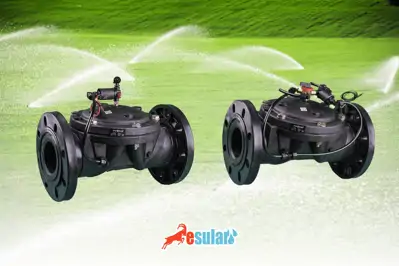
Hydraulic Control Valves: These are automatic valves with direct diaphragm closure operating with line pressure. What is kept in the foreground in its design is that its body and diaphragm provide a comfortable, smooth flow with minimum pressure loss. In hydraulic control valves, wearing parts such as shafts, bearings, and bushings are long-lasting. The only moving part of the valves is its diaphragm.
Solenoid Valve: Solenoid valves are types of valves, usually electrically controlled, used to allow the passage of fluid substances such as air, gas, water, and hydraulics through pipelines. They are hydraulic control valves that perform the opening-closing process by controlling the valve with a remote electrical signal using a solenoid coil mounted on it.
What Should Be Considered When Choosing a Valve
Choosing valves that allow irrigation water to pass in one direction.
The backflow of irrigation water causes breakdowns in the system's pump, pipe, or valve. To prevent such malfunctions, one-way valves should be used.
In sloped terrains, when we stop the Drip Irrigation system, if air cannot enter the main pipe, the water inside the pipe will flow downwards and create a vacuum in the pipe behind it, causing it to collapse; as a result, when the underground pipes are crushed, the soil above sits on them and water does not pass through the system when we want it again. On the soil surface, the main pipe will tear from its folded part due to continuous vacuuming during the opening and closing of the system. To prevent this vacuum effect, air release (discharge) valves should be used.
Selecting valves with flow control when choosing solenoid valves is important.
Valves resistant to chemicals, UV rays, and corrosion should be selected.
Installation and transport should be easy.
A valve box suitable for the number and size of valves should be selected.