
For Large Farms Sensor Solutions
Are you still relying on labor for irrigation on a 100-decare farm? Eliminate labor errors and stop water waste with soil moisture sensors, weather stations, and smart algorithms.
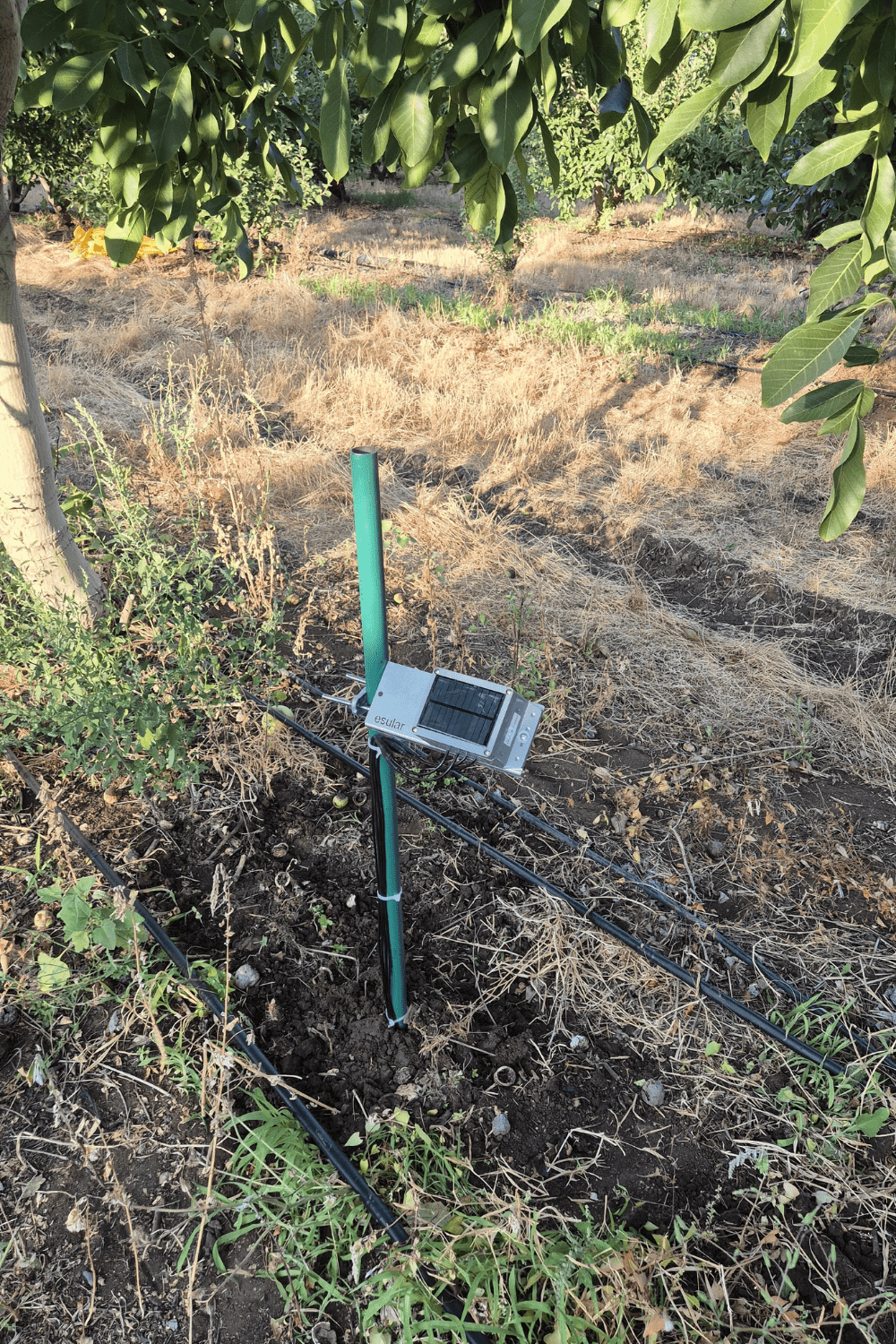
The True Cost of Farming Without Sensors on Large Farms
The number of farms with over 50 decares of land in Turkey is increasing every year. But as the land grows, management becomes more difficult. You don't know exactly how much each plot is being irrigated. Your workers go to the field early in the morning, open the valves, look at the soil, and decide it's 'enough' before closing them. But these decisions are based entirely on estimation and experience.
The problem is that it is physically impossible to accurately measure soil moisture with the human eye. While the soil surface may appear dry, there may still be sufficient moisture at a depth of 60 cm. Or vice versa — the root zone may have already dried out while the surface appears moist. This illusion is very common, especially in clay and loam soils. These 'blind spots' cause tens of thousands of Lira in losses every year on large farms.
In this article, we will explain in detail how large landowners solve these problems with soil moisture sensors and wireless sensor networks, reduce labor costs by up to 60%, and transition to data-driven farming by fully digitizing irrigation monitoring.
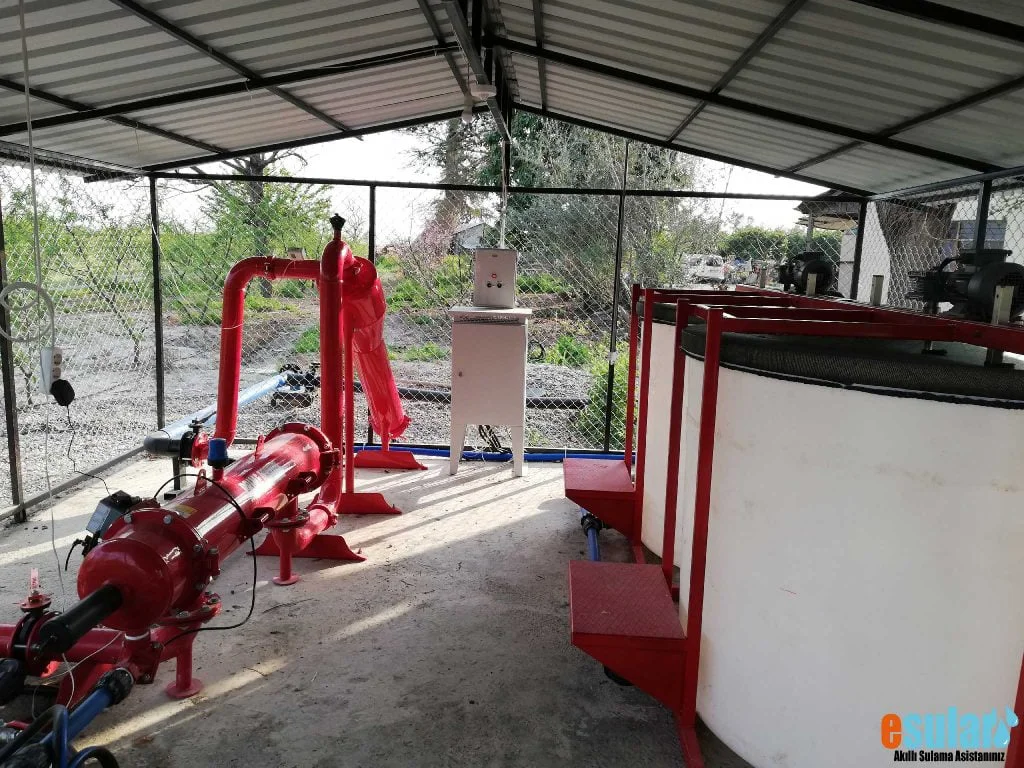
Agricultural Water Crisis in Turkey: Why Should Large Fields Go Digital?
Turkey is not a water-rich country. The annual per capita available water is around 1,300 m³, and this figure places it in the category of countries experiencing 'water stress' according to international standards. The agriculture sector, on the other hand, consumes approximately 72% of the total water consumption.
İklim değişikliğinin etkileri her geçen yıl daha belirgin hale gelmektedir. Konya Ovası'nda yeraltı su seviyeleri son 20 yılda 20 metreden fazla düşmüştür. Güneydoğu Anadolu Projesi (GAP) bölgesinde baraj doluluk oranları mevsimden mevsime dramatik dalgalanmalar göstermektedir. Ege'de kuyular kurumakta, Akdeniz'de deniz suyu tatlı su kaynaklarına karışma riski artmaktadır.
This table reveals a critical reality for large landowners: Water is no longer a 'cheap and unlimited' resource. Knowing where, when, and how much of every drop of water is delivered is no longer a luxury but a necessity.
Challenges of Water Management in Large Farms
Irrigation in a small garden is relatively easy — you visually check a few trees. But think about 100 decares, 200 decares, or 500 decares. The soil structure of each plot can be different: sandy soil quickly drains water on one side, while clay soil retains water on the other. On sloped terrains, the upper part dries out, and the lower part turns into a swamp. Plots exposed to wind dry out faster.
Attempting to manage this complexity through human means, i.e., visual inspection and experience, always leads to errors. And these errors have much more devastating consequences on large farms compared to small ones — because the affected area is much larger.

Labor Errors: The Silent Enemy of Large Fields
Sulama işçiliğinin maliyeti sadece maaşlardan ibaret değildir. Asıl maliyet, yapılan hatalardadır.
4 Critical Risks of Manual Irrigation Control
For irrigation monitoring in a 100-acre field, at least 2-3 workers must be employed daily. Each of them individually visiting plots, manually opening and closing valves, and visually checking the soil takes hours. Inevitably, errors are made during this process:
- Over-irrigation: The worker over-irrigates 'to be sure'. Result: root rot, fungal diseases, and energy waste.
- Under-irrigation: Worker skips a distant plot or closes valves early. Result: plant stress, yield loss, quality degradation.
- Inconsistent irrigation: Different workers make different decisions. The same parcel receives too much water one day and too little the next.
- Late intervention: Leaks, bursts, or blockages are only noticed the next day. After tons of water are wasted.
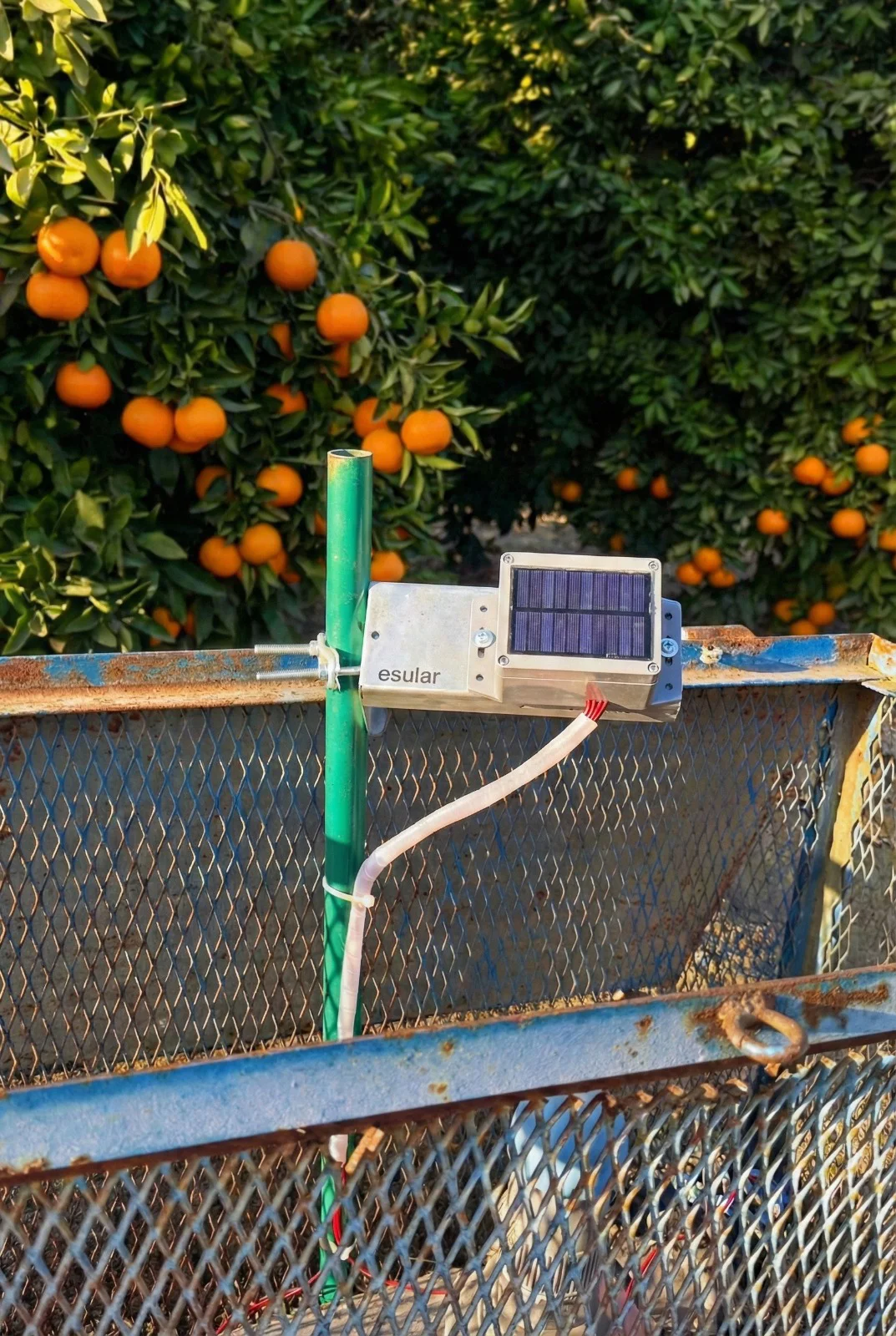
Labor Cost Comparison: Without Sensor vs. With Sensor
The table below compares the annual labor costs for a 100-decare farm:
| Item | Without Sensor (Traditional) | With Sensor (Esular) |
|---|---|---|
| Number of irrigation workers | 2-3 people/day | 0-1 person/day |
| Daily monitoring time | 4-6 hours | 15-30 minutes (by phone) |
| Annual labor cost | ~180,000 TRY | ~50,000 TRY |
| Incorrect irrigation rate | 35% | <%3 |
| Leak/burst detection time | 12-48 hours | Instant notification |
| Annual savings | — | ~130,000 TRY |
Arazinizdeki İşçilik Maliyetinizi Hesaplayın
Let our expert team analyze your field and prepare a custom savings report for you.
Free Cost AnalysisIrrigation Monitoring with Soil Moisture Sensor: Trust Data, Not Labor
Wireless soil moisture sensors make irrigation decisions in large fields entirely data-driven.
Why is Graduated Depth Measurement Important?
The soil surface might be dry, but there could still be sufficient moisture at a depth of 60 cm. Or vice versa: the root zone might be thirsty while the surface appears wet. This is why measurement from a single depth is not enough.
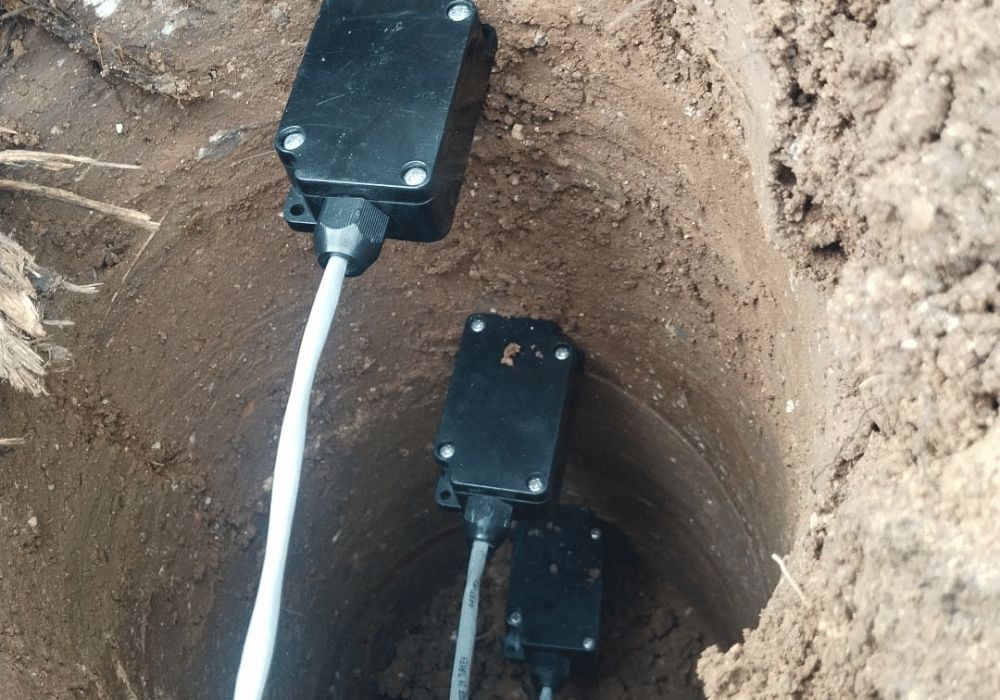
The Esular soil moisture sensor measures simultaneously at depths of 30cm, 60cm, 90cm, and 120cm, providing a complete root zone profile. This enables:
- You can see how deep the water has reached in the soil
- You can detect water seeping (and wasted) below the root zone
- You can set a separate threshold value for each depth
- You will learn the soil's water-holding capacity over time
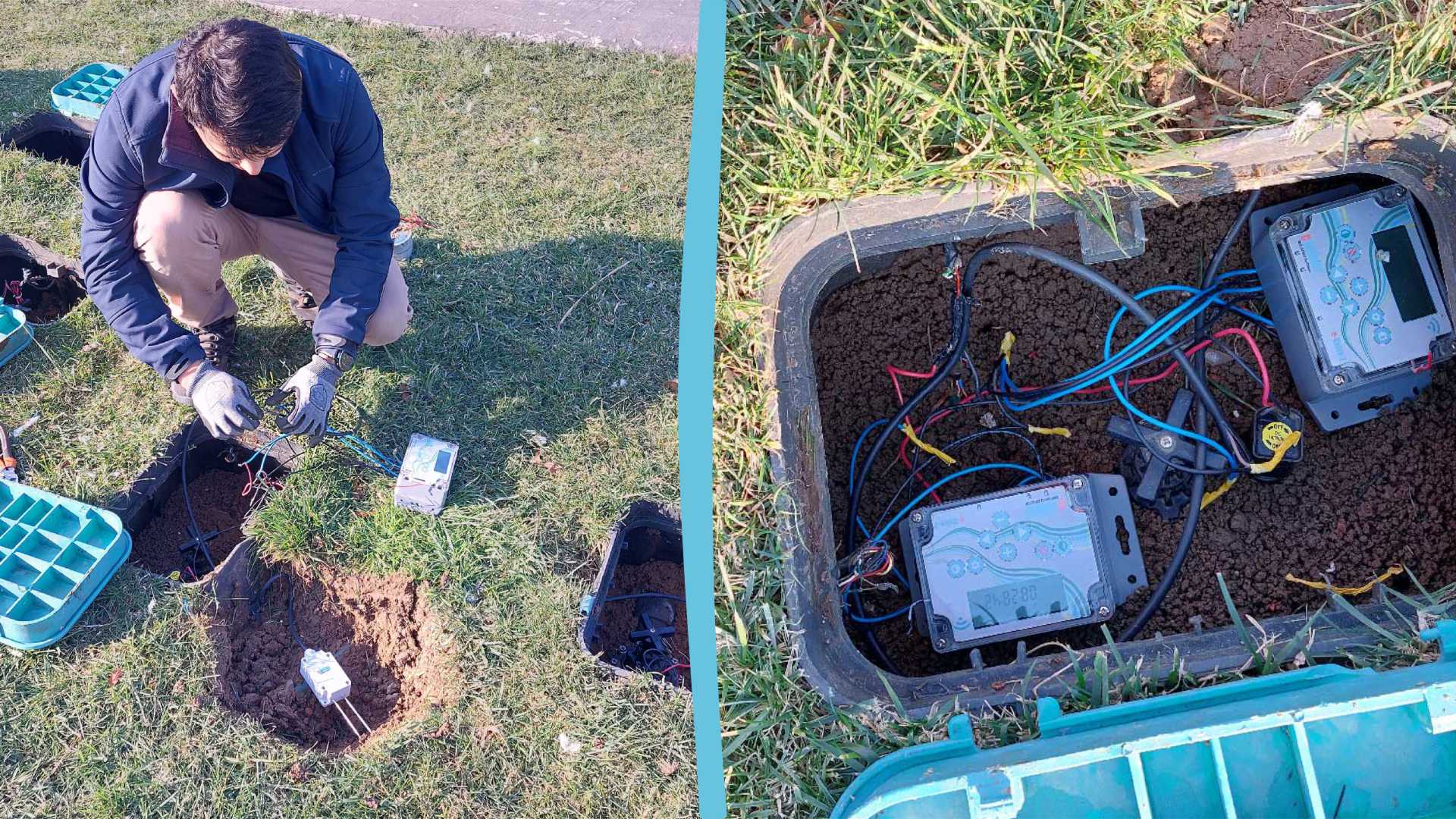

Sensor Automation: What the Worker Forgets, the Sensor Does
Soil moisture sensors are not just monitoring tools — they are the brain of irrigation automation. When the moisture drops below your defined threshold, the sensor automatically opens the valve for the relevant plot. It closes when the moisture reaches a sufficient level.
This means:
- Your farm is under control, even at midnight
- Even if the worker forgets to open the valve, irrigation is done on time
- Even if the worker provides more water than necessary, the sensor closes the valve
- When and how much each plot was irrigated is fully recorded
As a result, the irrigation decision is no longer based on human estimation, but on actual soil data.
Irrigation Scheduling with Sensor Data: A Practical Guide
Toprak nem sensörü kurulduktan sonra, verileri nasıl kullanacağınızı bilmek çok önemlidir. Sensör verileri ham olarak nem yüzdeleri gösterir — ama bu rakamları anlamlandırmak, doğru sulama kararları almak için temel bilgiler gerekir.
What are Field Capacity and Wilting Point?
Every soil type has two critical moisture values: Field capacity and wilting point. Field capacity is the maximum amount of moisture the soil can hold after draining excess water due to gravity. The wilting point is the minimum moisture level at which the plant can no longer extract water from the soil. Irrigation should be performed within the 'available water' band between these two values.
| Soil Type | Field Capacity | Wilting point | Usable Water | Irrigation Start Threshold |
|---|---|---|---|---|
| Sandy | %15-20 | %5-8 | %10-12 | %12 |
| Loamy | 25-35% | %10-15 | %15-20 | %18 |
| Clayey | %35-45 | 18-25% | %17-20 | 25% |
| Clay-Loam | %30-40 | %15-20 | %15-20 | %22 |
When the Esular soil moisture sensor is installed, the system learns your soil type and automatically sets these threshold values. You can also customize these values manually if you wish. The important point is this: It is not possible to make these calculations in a sensorless system — because you do not know the actual moisture value of the soil.
Parcel-Based Differences in Large Fields
In a 100-decare field, the soil structure of all plots may not be the same. While sandy soil in one plot may dry out in 2 hours, clay soil in the neighboring plot can retain the same water for 3 days. In a sensorless system, you water each plot for the same duration — the result: waste on one side, drought on the other.
Sensörlü sistemde ise her parselin kendi nem profili vardır. Sistem, her parseli bağımsız olarak yönetir: kumlu parsele daha sık ama kısa süreli, killi parsele daha seyrek ama uzun süreli sulama yapar. Bu 'parsel bazlı hassas yönetim', büyük arazilerde sensörün en büyük avantajıdır.
Seasonal Irrigation Strategy
Plants' water needs change dramatically from season to season. While a walnut tree requires 8-10 liters of water per day in June, the same tree is satisfied with 2-3 liters in October. Deep irrigation is done for root development during the vegetative period, while surface moisture is sufficient during the fruit ripening period.
It is very difficult to capture these transitions in a system without sensors. Workers usually follow the same program out of habit. In a sensor-based system, soil moisture automatically reflects seasonal changes: In rainy spring months, the system reduces irrigation, and in the dry middle of summer, it increases it. Everything is based on real data.
Irrigation Plan Specific to Your Soil Type
Let's analyze the soil structure of your land and determine plot-based irrigation thresholds.
Free Soil AnalysisComplete Sensor Ecosystem for Large Farmlands
A soil moisture sensor alone does a lot, but the real power comes from all sensors working together.
Soil Moisture, Temperature, and EC Sensor
Monitor the entire root zone in 4 levels. See the real-time soil moisture, temperature, and salinity status of each plot.
- 4 kademe: 30-60-90-120 cm
- 10+ years of battery life
- Automatic irrigation triggering
Climate and Meteorology Station
Track wind, precipitation, temperature, humidity, and pressure data live. Protect your crop with frost risk and extreme temperature alerts.
- 7 parameter measurement
- Solar Powered Operation
- Pre-rain irrigation deferral
Water Level Sensor
Remotely monitor water levels in wells, tanks, and pools. Receive alerts before water runs out and protect your pump from dry running.
- Ultrasonic precision measurement
- Low level alert
- Pump protection integration
Pressure and Flow Sensor
Monitor pressure and flow rate in the irrigation line in real-time. Detect bursts, blockages, and leaks in seconds.
- 0-16 bar pressure range
- Leak and burst detection
- Water consumption reporting
Tek bir sensörle başlayın, ihtiyaç duydukça sisteminizi büyütün. Tüm sensörler kablosuz, pilli ve birbiriyle uyumludur. Modüler yapı sayesinde yeni sensör eklemek 5 dakikadan kısa sürer.
Calculate Annual Savings for Your Land
Slide to adjust your field size and see how much you will save annually with the sensor system.
Field Success Stories: Results Proven with Numbers
Not theoretical promises, but real numbers from real fields. Here is the transformative effect of the Esular sensor network on large farmlands.
Vaka 1: Eskişehir — 90 Dekar Ceviz Bahçesi
A 90-decare walnut orchard in Eskişehir employed 3 full-time irrigation workers before switching to the Esular sensor system. Workers would visit the plots daily, manually check the soil, and make irrigation decisions based on their experience. Several problems were encountered during this process.
Primarily, root rot had begun in some plots due to over-irrigation. The roots of the walnut trees were constantly submerged, and Phytophthora fungus was spreading. Distant plots were not receiving enough water — workers prioritized nearby plots and skipped the distant ones. Water consumption was very high, but yield remained below expectations.
Installed System
After conducting soil analysis on the field, the Esular team installed the following system: 4 multi-depth soil moisture sensors (30-60-90-120 cm) for 4 parcels, 1 wireless weather station, 2 pressure sensors on the main line, and 8 wireless valve control units. The entire installation was completed in 2 days.
First Season Results
- Sulama işçisi ihtiyacı 3'ten 1'e düştü — %67 işçilik azalması
- Su tüketimi ilk yıl %35 azaldı (yıllık ~110.000 ₺ su tasarrufu)
- Yanlış sulama kaynaklı kök çürümesi tamamen durdu
- Walnut yield increased by 20% the following season
- Leak detected during nighttime hours — estimated to have been ongoing for 3 months
- Investment payback period: 8 months
Before-After Comparison
| Criterion | Sensörsüz Dönem | Sensörlü Dönem |
|---|---|---|
| Sulama işçisi | 3 full-time people | 1 person part-time |
| Günlük arazi turu | Walking for 3-4 hours | 10 min from phone |
| Annual water consumption | ~320,000 TRY | ~210,000 TRY |
| Root rot case | 12 trees/year | 0 |
| Leak detection time | Günler/haftalar | Instant notification |
| Ceviz verimi | Below average | %20 artış (2. sezon) |
Case 2: Konya — 350 Decare Grain and Corn Field
A farm growing wheat and corn on a 350-decare land in Konya was using a center pivot irrigation system. However, when the pivot would be activated depended entirely on the farm owner's estimation. If it ran a day early, it was waste; if it ran a day late, there was yield loss.
3 stratejik noktaya toprak nem sensörleri kurularak pivotun çalışma saatleri sensör verilerine bağlandı. Nem %55'in altına düştüğünde pivot otomatik devreye giriyor, %70'e ulaşınca duruyor. Bu basit otomasyon bile ilk yılda %28 su tasarrufu sağladı.
Furthermore, with the addition of a weather station, the pivot's operation is automatically postponed in case of rain forecasts. The farmer doesn't worry every night about 'Will the pivot run?' — the system makes all the decisions itself.
Geleneksel Yönetim vs Sensörlü Yönetim: Kapsamlı Karşılaştırma
Büyük arazilerde iki farklı yaklaşımın detaylı karşılaştırması.
| Criterion | Traditional (Labor + Estimation) | Sensor-based (IoT + Data) |
|---|---|---|
| Irrigation decision | Worker's experience and estimation | Toprak nem verisi + algoritma |
| Monitoring frequency | Günde 1-2 kez (iş saatleri) | 24/7 continuous |
| Monitoring depth | Surface (5-10 cm) | 4 kademe (30-60-90-120 cm) |
| Hata oranı | 25-40% | <%3 |
| Gece izleme | Yok | Automatic (alarm + automation) |
| Leak detection | Günler-haftalar sonra | Saniyeler içinde |
| Reporting | Yok | Detailed history and trend analysis |
| Scalability | İşçi sayısı ile sınırlı | Unlimited (modular structure) |
| Weather adaptation | Manual (following news) | Automatic (weather station) |
| Cost trend | Increasing every year (inflation) | Fixed investment, reduced operating costs |
What Our Farmers Say?
Esular sensör sistemini kullanan gerçek çiftçilerin kendi ağızlarından deneyimleri.
Digitize Your Large Field in 4 Steps
We are with you at every step, from site assessment to full automation.
Free Consultation
Our expert team visits your field, analyzes the soil structure, crop type, and irrigation infrastructure. We create a sensor plan tailored to your needs.
Quick setup
No need to pull cables thanks to wireless and battery-powered sensors. A 100-decare field can be equipped with sensors in 1 day. Installation is very easy with the plug-and-play structure.
Real-time Monitoring
Monitor all sensor data 24/7 live from your phone or computer. Set alarm thresholds and receive push notifications in critical situations.
Full Automation
Set up automatic irrigation scenarios with sensor data. Open the valve when moisture drops, close it when sufficient. Eliminate dependency on labor.
Frequently Asked Questions by Large Landowners
This varies depending on the land structure, crop type, and soil type. Generally, 1 soil moisture sensor is sufficient for every 10-15 decares. For a 100-decare area, an average of 7-10 soil moisture sensors, 1 weather station, and 1-2 pressure sensors are recommended. We conduct a full needs analysis during our free site visit.
Yes, Esular sensors provide not only monitoring but also full automation. When the soil moisture sensor drops below the threshold value you set, it automatically opens the valve and closes it when sufficient moisture is reached. You can operate it in fully automatic or semi-automatic (with confirmation) mode.
Yes. In our 90-decare projects, the need for irrigation labor has decreased from 3 people to 1. On lands larger than 500+ decares, this ratio increases further. Additionally, indirect losses due to labor errors (yield loss, disease, water waste) are eliminated.
Yes! Sensors and valve control units are completely battery-powered, providing a battery life of over 10 years. Electricity is only required for the central unit (gateway). We have a solar panel solution for locations where electricity is not accessible.
In large farmlands, the payback period for sensor investment is generally 6-12 months. The total savings from water conservation, reduced labor, and increased yield cover the investment cost within the first season.
Modular system details →Evet, Esular sensör sistemi mevcut damla sulama, yağmurlama, mikro sprink ve pivot sistemlerine sorunsuz entegre olur.
Wireless automation details →Don't Let Your Farm Remain Sensorless
Let our expert team visit your field, analyze your soil structure, and create a custom sensor plan for you. The initial consultation is completely free.
Related Content
Soil Moisture Sensor Solutions
Precision irrigation optimization detailed guide.
Open Field Irrigation Automation
Wireless control guide for large areas.
Smart Irrigation System Guide
Modern agriculture with IoT, sensors, and automation.
Wireless Irrigation Automation
Battery-powered IoT valve control solutions.