
Wireless Irrigation Automation
Battery-powered and IoT-supported irrigation automation solutions that require no wiring. For fields, greenhouses, gardens, and industrial facilities.
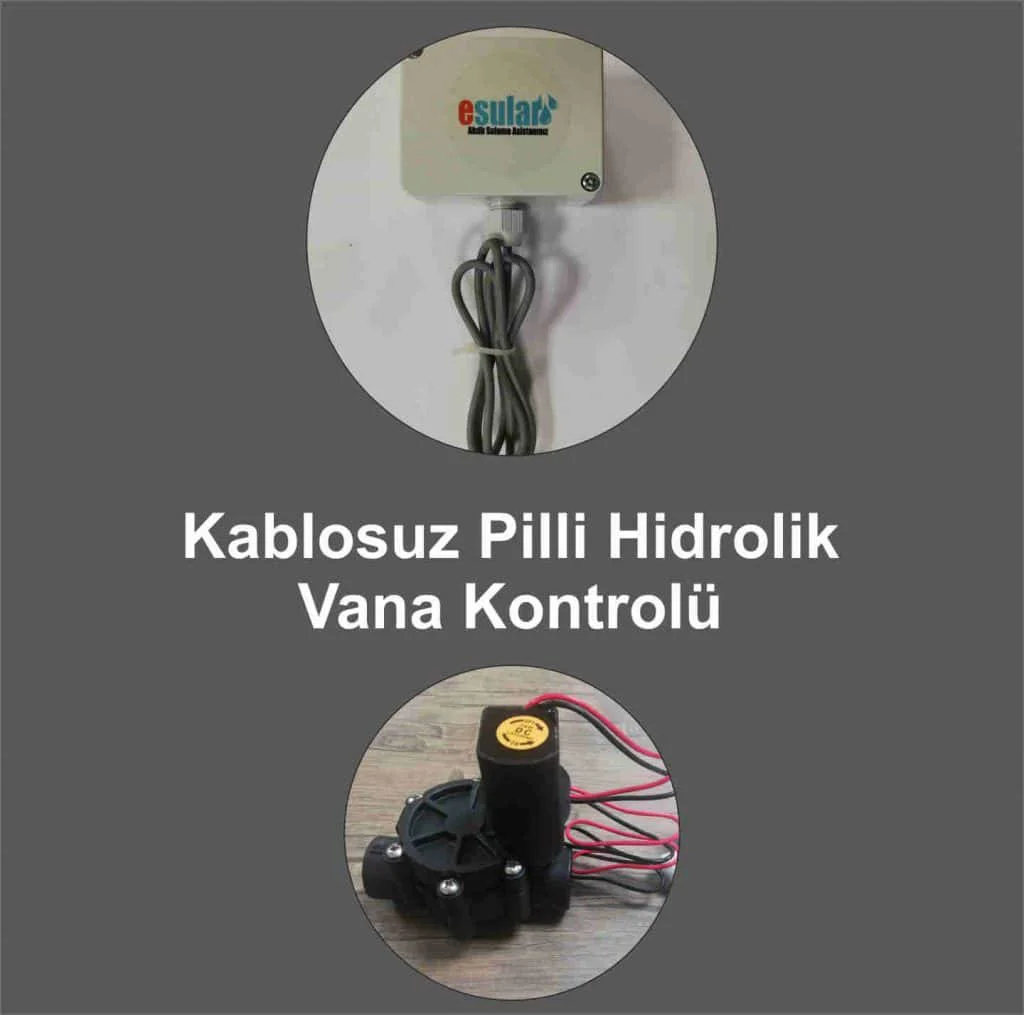
Why Wireless Irrigation Automation?
Traditional wired irrigation automation is a structure that requires expensive infrastructure, excavation work, and maintenance. Wireless IoT solutions eliminate these problems.
Esular wireless irrigation automation controls valves and pumps without wiring using battery-powered devices and LoRa radio technology. With a 5-10 km range, 10+ years of battery life, and plug-and-play installation, it is applied at all scales from agriculture to industrial facilities.
How Does Wireless Irrigation Automation Work?
Esular wireless irrigation automation uses LoRa radio communication between battery-powered control units in the field and the central gateway.
Send command
Create irrigation schedules via the mobile app or web panel, send manual open/close commands, or define automatic scenarios based on sensor threshold values.
Central Station
The 4G/LTE connected central station receives commands from the cloud server and distributes them to field units via LoRa radio. A single station can manage hundreds of devices within a 5 km radius.
Field Units
Battery-powered Smart Valve units receive the command and open/close the solenoid valve. It consumes energy only during opening and closing with 9V DC Latch technology.
Feedback
Field units report valve position, battery level, pressure, and flow data to the center. All data is displayed in real-time on the mobile app.
Wireless Irrigation Automation Components
Thanks to the modular structure, you can start with only valve control and add sensors and pump control later.
Central Station (Gateway)
The brain of the system. Connects to the cloud server via 4G/LTE and to field units via LoRa. IP67 protection, coordination of 200+ devices within a 5-10 km radius.
Operates energy-independently with built-in GPS, solar panel, and external power options.
Central station details →Smart Valve — Wireless Valve Control
Battery-powered control unit mounted directly on the solenoid valve. 10+ years of battery life with 9V DC Latch. 2 independent valve outputs, IP67.
It can detect clogs or bursts by monitoring line pressure with the built-in pressure sensor option.
Smart Valve details →Soil Moisture Sensors
Wireless moisture, temperature, and EC sensors prevent unnecessary irrigation by measuring the soil's actual water needs.
Smart rules such as 'irrigate when moisture falls below the threshold' can be defined by connecting sensor data to automation scenarios.
Precision irrigation solutions →Pump Control Unit
The wireless pump control unit remotely starts/stops the irrigation pump via LoRa or 4G. Support for three-phase and single-phase pumps.
Dry-run protection, overcurrent alarm, and automatic retry safety functions.
GSM pump control →Pressure and Flow Sensors
Continuously monitors line pressure and flow rate. A sudden pressure drop indicates a burst pipe, and low flow indicates a clogged filter.
You can track your actual costs with water consumption reports.
Water meter tracking →Climate Station
Irrigation decisions are made according to weather conditions with wind, precipitation, and air humidity-temperature sensors.
Scenarios such as delaying sprinkler irrigation if wind speed is high or stopping all irrigation if it is raining are automatically applied.
Climate station guide →Wired vs. Wireless Irrigation Automation
Traditional wired automation requires physical cables to be pulled to every point. Wireless IoT solutions eliminate these problems.
| Criterion | Wired Automation | Wireless (Esular IoT) |
|---|---|---|
| Infrastructure Cost | High — Cable, pipe, excavation, transformer | Low — Only device cost, no excavation |
| Installation Time | Weeks — Excavation, wiring, electrical works | Hours — Plug-and-play installation |
| Range | Limited by cable length (100-500 m) | 5-10 km LoRa, unlimited 4G/LTE |
| Scalability | Difficult — New cable for every new point | Easy — Add and pair new device |
| Maintenance | Cable failures, rodent damage, corrosion | Minimum — Battery replacement after 10+ years |
| Land Disturbance | Excavation required — field and landscape are damaged | No excavation — land is not disturbed |
| Energy Source | Mains power required | Battery + optional 1-5W solar panel |
| Data and Monitoring | Limited or none | Real-time cloud monitoring and reporting |
Application Scenarios
Wireless irrigation automation has a wide range of applications, from small gardens to large agricultural enterprises.
Field Irrigation — Drip and Sprinkler
Wireless control of drip irrigation or sprinkler systems in large field areas. Manage valves in multiple plots from a single center. Unnecessary irrigation is prevented when integrated with soil moisture sensors.
Drip irrigation guide →Greenhouse Automation
Irrigation, ventilation, and heating functions in greenhouses can be controlled wirelessly. Optimum conditions are ensured by monitoring soil moisture, air temperature, and CO₂. Precise fertilizer dosing with fertigation integration.
Greenhouse automation solutions →Landscape and Garden Irrigation
Automatic irrigation in villa, hotel, park, and garden areas. Automatic schedules at night, stopping unnecessary irrigation with rain detection. Multi-zone support.
Smart garden irrigation →Industrial and Municipal Water Management
Factory cooling water, municipal park-garden irrigation, industrial zone water distribution. All valve, pump, and sensor data on a single screen with a SCADA-like dashboard. Water loss and leakage detection.
Industrial water management →Recommended Products
Ready-to-use packages and components to quickly start wireless irrigation automation.
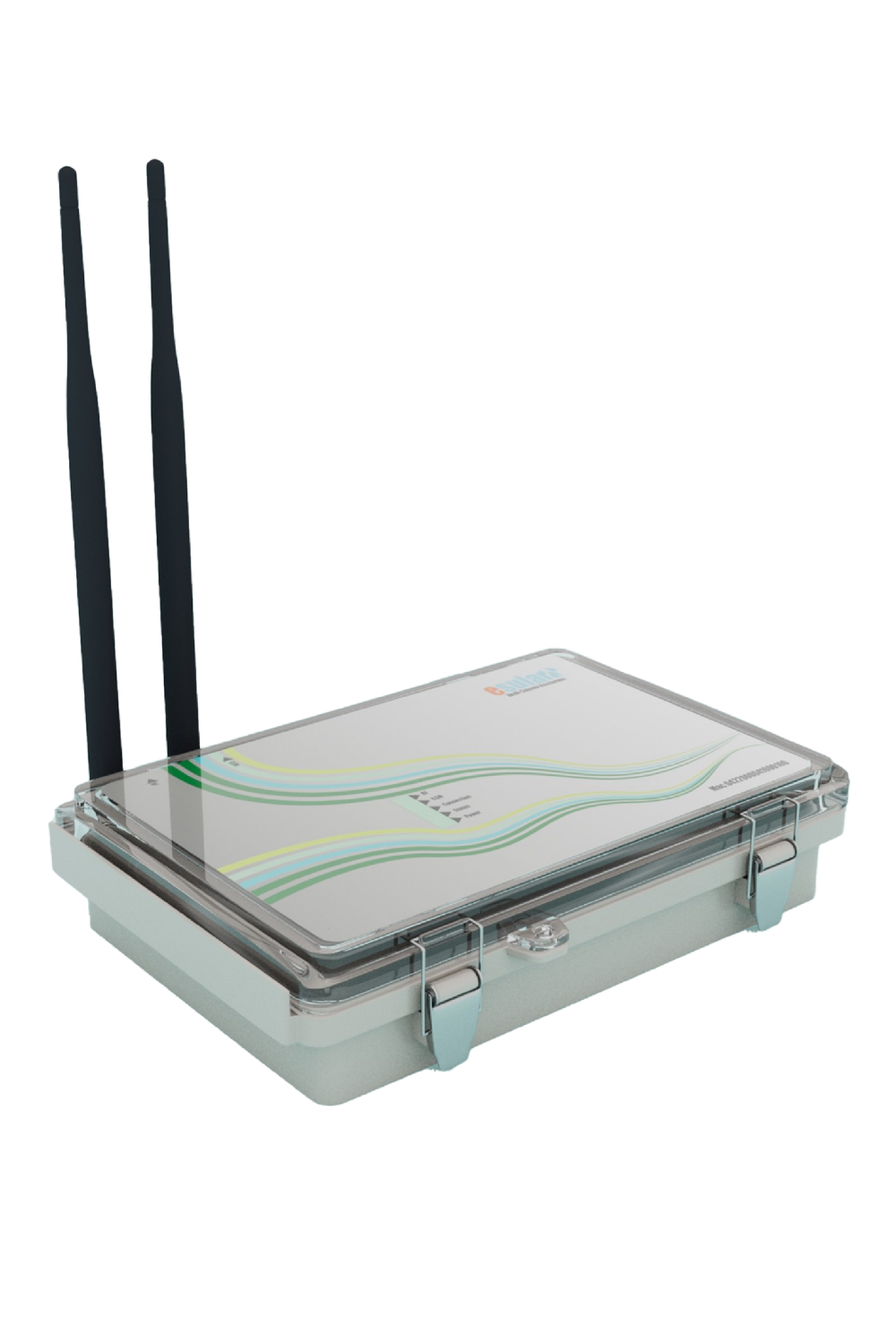
Smart Irrigation Basic Package
Central station + 5 Smart Valves + pressure sensor. Control for up to 10 valves.
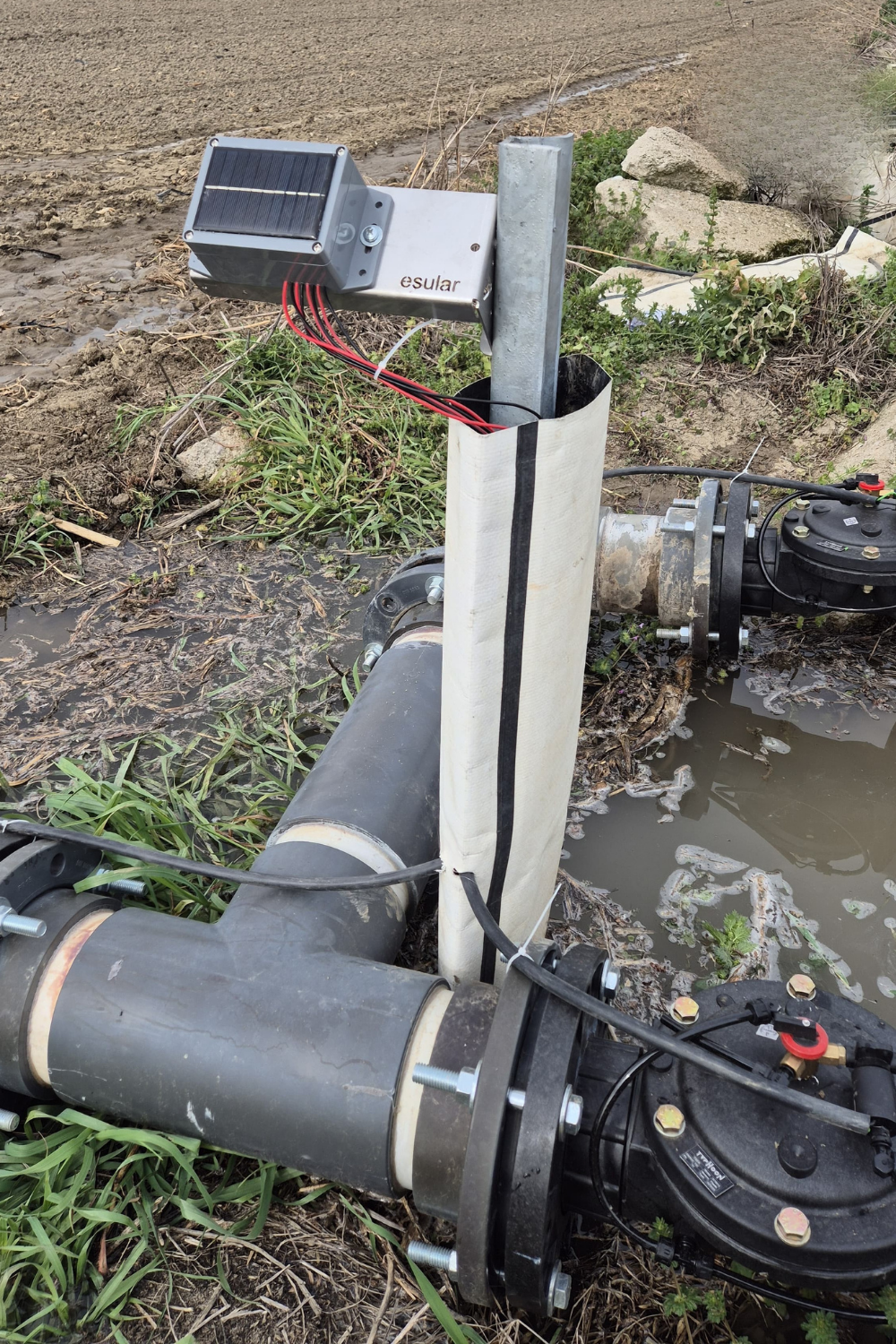
Smart Valve — Valve Control Unit
Battery-powered, wireless, 2-output solenoid valve control. 10+ years of life.
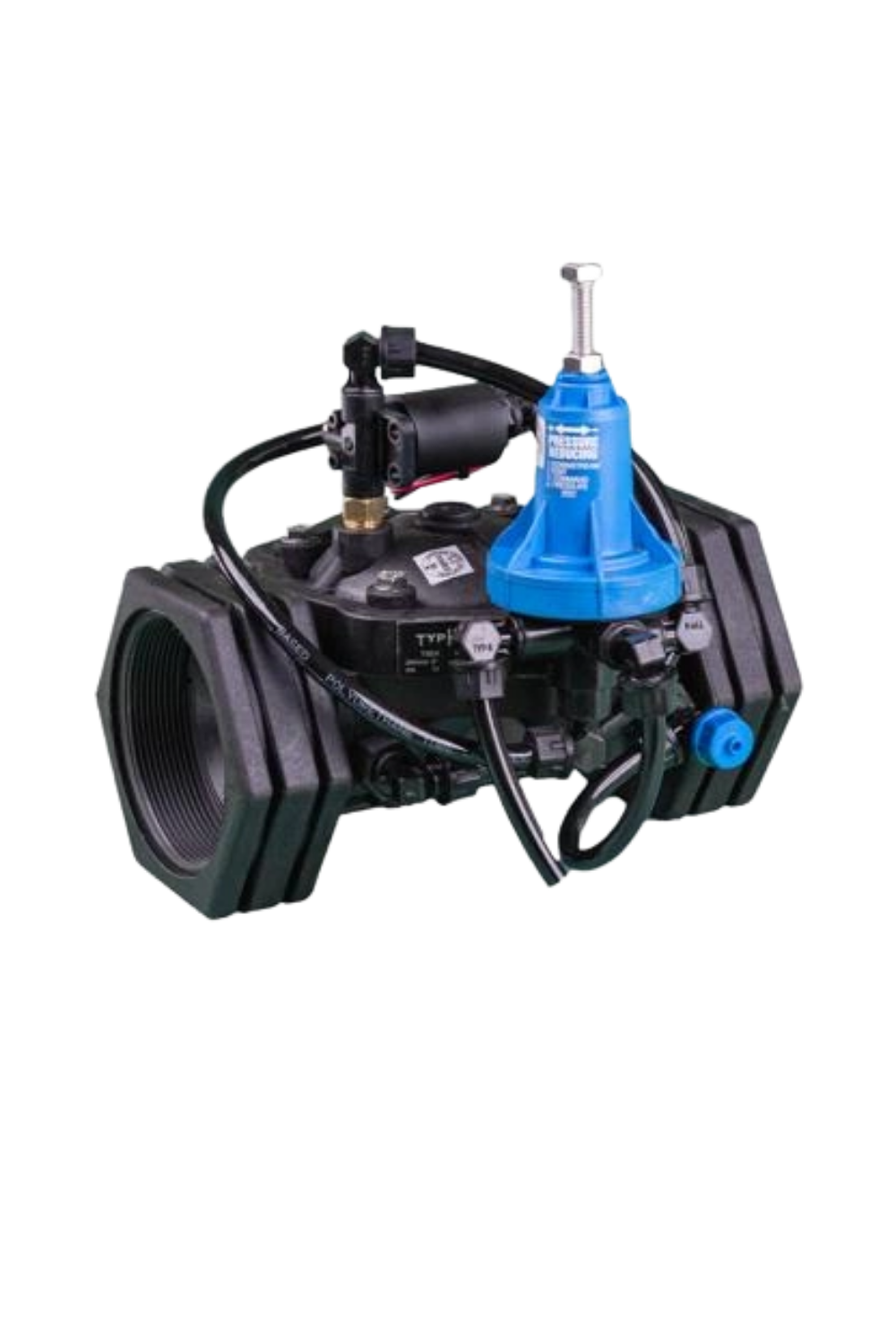
Threaded Hydraulic Solenoid Valve
9V DC Latch supported. Diameter options between 3/4" and 3".
Frequently Asked Questions
It is a modern irrigation management system that remotely controls solenoid valves and pumps with battery-powered IoT devices without requiring wiring. Field devices connect to the central station via LoRa radio technology.
Esular provides a 5-10 km range in open areas with LoRa technology. It can be extended with relay units in obstructed areas. There is no distance limit for products with 4G/LTE connectivity.
Esular Smart Valve units have a battery life of 10+ years with 2 irrigation cycles per day. Almost zero consumption in standby mode with 9V DC Latch technology. Unlimited use with optional 1-5W solar panel.
Yes, Esular wireless control units are mounted directly on existing solenoid valves. No new pipes or wiring required. Compatible with 9V DC Latch or 24V AC type valves.
Move Your Irrigation Automation to Wireless
End wiring costs. Automate your field, greenhouse, or garden in minutes with Esular wireless IoT solutions.
Related Content
Automatic Irrigation System
Comprehensive automatic irrigation solutions for fields, gardens, greenhouses, and landscapes.
Agricultural Smart Irrigation
Water management guide in modern agriculture with IoT sensors and automation.
What is Automatic Irrigation?
Comprehensive blog guide on automatic irrigation from fields to gardens.