Managing Avocado with Less Water
Irrigators may have to manage avocado trees with less water due to dry season conditions. In this case, a number of decisions may need to be made, including:
- purchasing additional water from a low-availability market
- prioritize water according to preferred regions
- giving it to other plant rows, reduced volumes with resulting reductions in production
- abandoning low-performing plant rows and
- possibly removing plantings with the lowest priority and bringing forward redevelopment plans.
The success of a reduced irrigation strategy must consider the effects in both the current season(s) and subsequent seasons. This is especially true for avocado because the effects of insufficient moisture are not temporary. A survival mechanism exists where moisture stress leads to blockages in the tree's water-conducting tissues until new conductive tissue develops (often called 'drought memory'). Water movement can be reduced for up to two years after a period of stress occurs.
Avocado's Water Requirements
Avocado has relatively high water requirements compared to other horticultural crops, and correct irrigation is the most important cultural practice in the production of avocados.
Avocado trees have a relatively shallow root system containing very few root hairs. Water uptake can be inefficient because trees cannot seek out and extract water that is tightly held to soil particles. Therefore, this crop is less forgiving of poor irrigation practices. About 90 percent of roots are typically found in the top 15 cm, and very little water can be taken from soil drier than -20 kPa.
For these reasons, there may be little that can be done to achieve significant water savings other than those produced by standard efficient irrigation practices (depending on current irrigation management). Water budgeting and purchasing additional water to provide full production potential to selected blocks (including the need for cooling sprays), canopy reduction, patch prioritization, and possibly bringing forward redevelopment plans are the most effective strategies to consider when managing low water availability.
Growth Stages of Avocado
It is important to avoid moisture stress in avocados at all growth stages, but it is especially important to avoid stress at three specific times:
Trees have high water requirements from flowering until the first fruit drop (fruit shedding) for the flower bud to elongate to flowering. Flowering is a critical period when the tree's evaporation surface increases by up to 90 percent.
- early fruit development, cell division and expansion (November-December)
- large fruit sizing (January-February).
Water demand continues during the winter months, but at a much lower rate as fruit size has formed and roots are still actively growing.
Regulated Deficit Irrigation for Avocado
Avocados are subtropical trees. They are evergreen with large leaves and a shallow root system, requiring water year-round and having 'drought memory'. For this reason, any deficit irrigation strategy applied to save water (regulated deficit irrigation or continuous deficit irrigation) is not recommended.
Emergency Water Saving Practices
Water Budgeting
Estimating monthly water requirements for each patch using average industry data and historical irrigation records can be used to develop a drought management plan and prioritize the allocation of water to blocks.
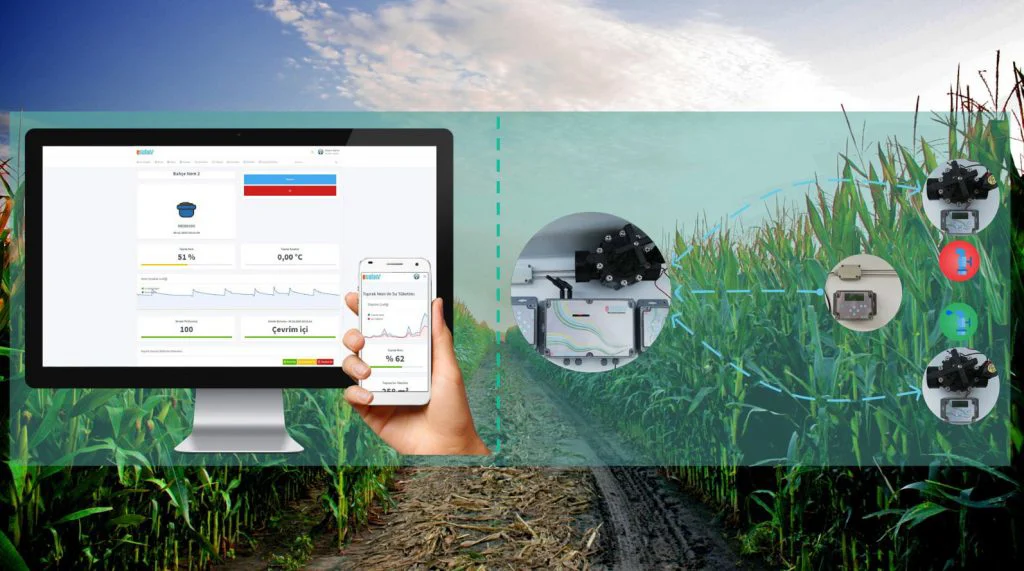
Install irrigation scheduling devices
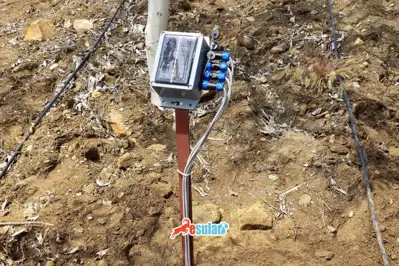
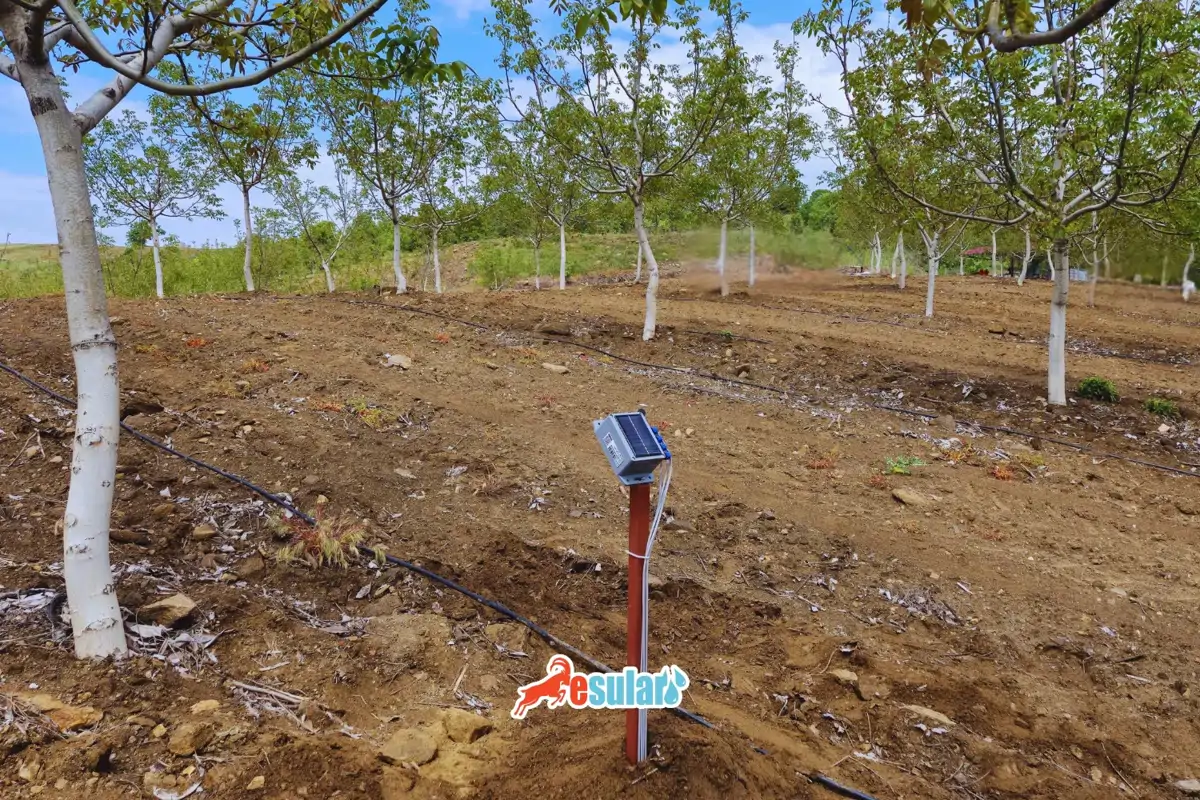
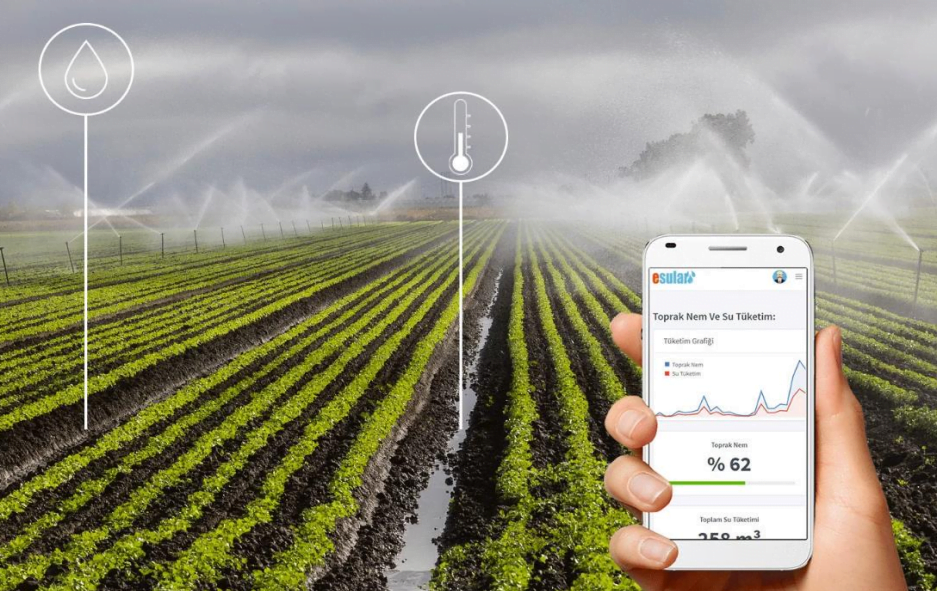
It is crucial to use soil moisture monitoring devices to accurately control water levels in the soil and allow for more precise scheduling of irrigations. Monitoring allows the effectiveness of water-saving practices to be easily determined. Tensiometers have often been a recommended tool because they are relatively inexpensive, easy to install, and easy to use.
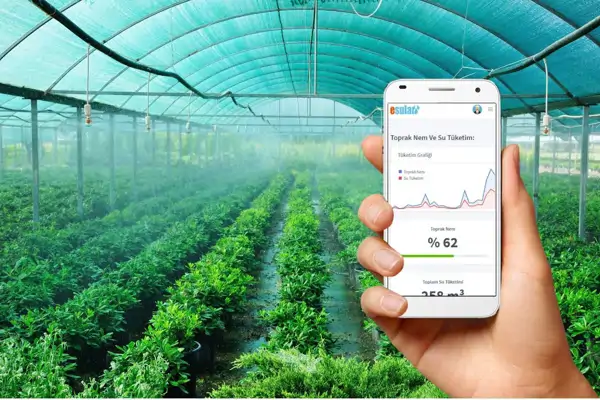
Tensiometers, however, are not particularly useful for heavily irrigated avocado orchards with frequent irrigation. In this case, more complex (and expensive) scheduling tools, namely soil moisture sensors, are recommended. Continuously recording devices will provide much more information, accuracy, and effectiveness in monitoring irrigation practices. They are particularly useful for being able to instantly determine the appropriate irrigation depth and encouraging confident, informed decisions regarding this.
Determining irrigation application depth and making appropriate adjustments is something that can often be quickly adopted with more advanced devices, although it usually takes longer to learn how to use these tools and fully understand the information obtained from them. If multiple sensor depths are installed, the active root zone is quickly determined. The long-term benefit and potential production benefits of adopting continuously recorded soil moisture monitoring should also be considered.
Check, manage, and maintain the irrigation system
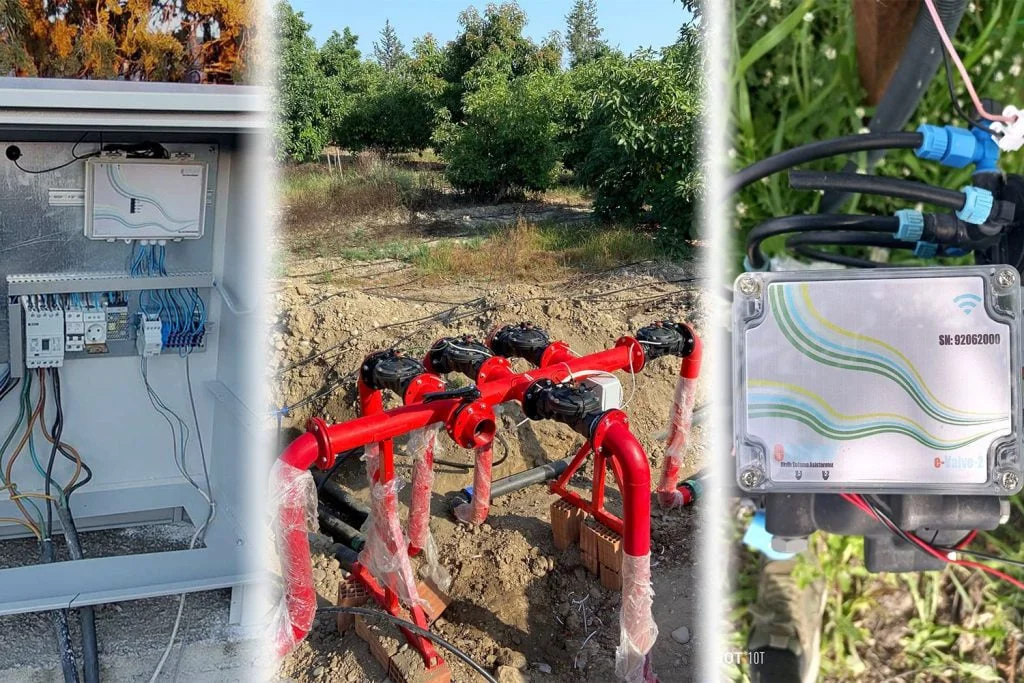
Irrigation systems should be checked for leaks or blockages with smart water meters. The accuracy of water meters should be checked by cross-referencing readings with application rates and system specifications. If irrigation uniformity is poor, an irrigation consultant may be needed to advise on improvements. The impact of an inefficient system on the orchard will be even greater during times of low water supply. Correcting these problems may only save a reasonable amount of water, but during a period of low water availability, these savings can be significant.
Avoiding losses through leaching
Ensure that water is not being applied and lost below the root zone by carefully monitoring soil moisture levels and irrigation depth. Sampling for soil salinity is recommended to determine if a strategic leaching program is needed. Water during a period of low availability may have high salinity levels.
Mulch the wetted strip
Mulching provides many benefits to avocado and is a strong industry recommendation that contributes to long-term orchard health and productivity. The shallow-rooted nature of avocados means that these roots can burn in unmulched soils during hot conditions. Applying mulch moderates soil temperatures and helps reduce soil evaporation; this is a significant benefit for such a shallow-rooted crop.
A thick layer of rye corn has proven beneficial in field applications because it has a long decomposition time. Note that the decomposition of some materials can cause nitrogen drawdown as soil microbes break down the material.
Mulches can act as a barrier to effective water penetration and can dry out quickly after getting wet. Accurate soil moisture monitoring is important to recognize this situation.
Reduce the wetted area
This applies most to young plantings. Irrigation with low-level sprinklers eliminates water application to the inter-row area where roots have not yet significantly colonized, if switching to a sprinkler head, adapter, or fitting a sleeve over the sprinkler head creates a narrower throw. Operating times can be significantly shortened while ensuring that most of the underdeveloped root zone is irrigated. This may involve moving sprinkler heads closer to the base of the tree. These recommendations are often adopted in a young avocado orchard.
Irrigate at night
Irrigating with low-level sprinklers at night can save 20-30 percent water compared to daytime irrigation by reducing evaporation losses. However, daytime irrigations may be necessary with avocado, especially in extreme heat conditions.
Eliminate water losses
Irrigation water should be kept in the orchard. If surface runoff occurs, consider breaking up soil crusts to improve water penetration and soil aeration. Traditional methods of improving water penetration include applying gypsum and/or ripping. Ripping is not recommended in a low water scenario due to the additional stress caused by root damage and the tree's reduced ability to access any rainfall. Good mulching programs, which are highly recommended for avocados, will also help eliminate runoff.
Reuse filter backwash water
To begin with, contact an irrigation designer to ensure that excessive backwash volumes are not occurring. Some small savings may be possible. Backwash water generated from drip irrigation filters can be reused if it is run into a settling tank. Discuss this option with an irrigation designer. Media filters typically use 4.0–5.0 percent of the water pumped for backwash, while disc and screen filters use 1.5–2.0 percent.
Reduce transpiration
Kaolin clay-based foliar spray products are claimed to reduce water losses from leaves. While no specific study has been documented for avocados, for a number of other products, neither water savings nor a reduction in plant stress has been reported following their application.
Full-scale weed control
Cleaning weeds and eliminating grasses will reduce competition for water. Herbicide is best sprayed on plant beds (at recommended rates) and allowed to form a mulch layer that protects the soil and reduces evaporation.
Managing orchard variation
Orchard variation will be more pronounced during times of low water application. Variation is mostly due to poor irrigation uniformity and soil type variation.
More localized tree health variations may also occur due to root rot. If the infection is severe, turn off the sprinklers around the infected trees and set the trees aside for replanting. If the infection is widespread and tree health is poor, the entire patch may be considered for redevelopment.