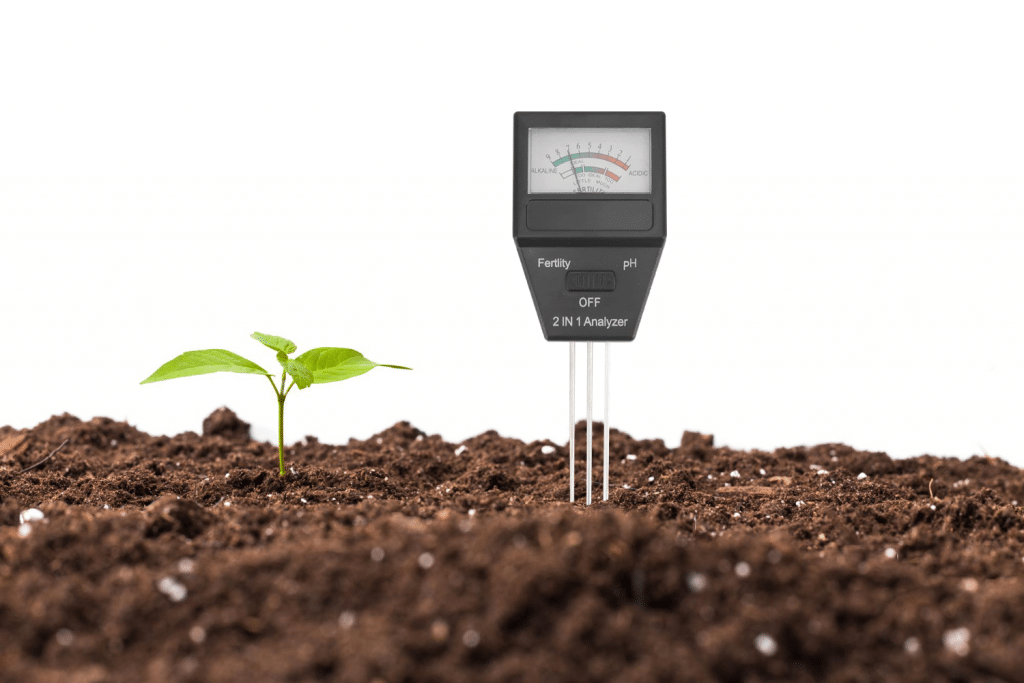
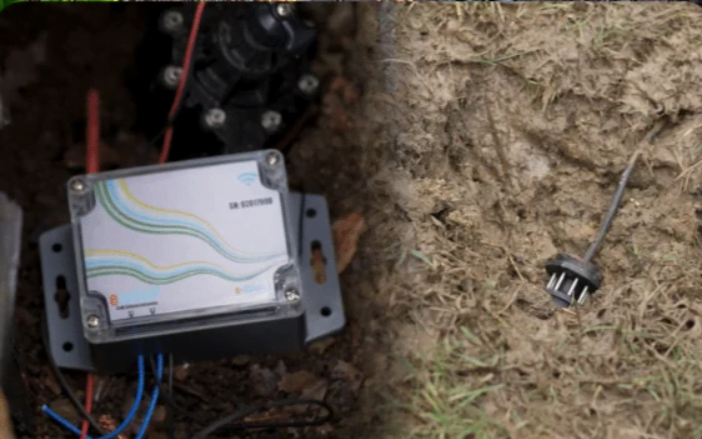
pH is the most important parameter reflecting the chemical composition of water. The presence and concentration of pH in streams depend on the flow of water, biological events, and chemical structure. At the same time, it carries great importance in terms of showing the productivity of water. It is known that the productivity of waters with acidic character (around pH 5) is low, and waters with alkaline character are more productive. In this article, we will explain the regulation of the soil pH level to you.
What is a PH Regulator?
The main purpose of PH regulators is to regulate the acidity and basicity properties. The presence of excess OH- ions in the soil is information indicating that this soil is alkaline, meaning its pH is high. Similarly, the presence of excess H+ ions in the soil indicates that this soil is acidic, meaning its pH is low.
What Does a PH Regulator Do?
As soil pH increases and decreases, the uptake of certain elements by the plant also decreases. Thanks to pH regulators, element uptakes are kept under control.
Plant roots take up nutrients within the soil solution, not the nutrients in the solid part of the soil. Therefore, the part that concerns us is the nutrients within the soil solution (liquid). Since some compounds are difficult to dissolve in water, they cannot pass into the liquid part and plants cannot benefit from these nutrients in a short time. Thanks to pH regulators, the dissolution of compounds in water is ensured.
In rainy regions, high leaching rates of basic cations and carbonic acid formed by CO2 are effective in lowering soil pH and increasing acidity. However, by using pH regulators in these areas, the soil pH can be kept at the desired level.
Organic matters added to the soil lower the soil pH because they directly form acids, increase the exchange capacity of the soil, and decrease the degree of base saturation. Thanks to pH regulators, it is possible to raise the soil pH again later.
PH Regulator in Soil
Organic matters added to the soil lower the soil pH because they directly form acids, increase the exchange capacity of the soil, and decrease the degree of base saturation.
It is easier to regulate the soil structure in soils with low pH. Soil pH can be increased by adding CaCO3 (lime) in certain proportions. However, generally, the pH of our soils is high, and lowering the pH of the soils is not that easy. Therefore, we must know the soil being cultivated very well, have it analyzed, and then perform an application. If we add lime to the soil without having an analysis done and if the pH is already high, we would increase it even more and worsen the soil even further.
In high pH soils, if we are working with a drip system, instead of applying high amounts of sulfur to lower the soil pH; it would be more correct to ensure the uptake of the nutrients we provide by acidifying the fertilizer solution we give or by choosing acidic-character fertilizers and sending an acidic fertilizer solution to the root zone.