Tüm Yazılar
What is Soilless Agriculture?
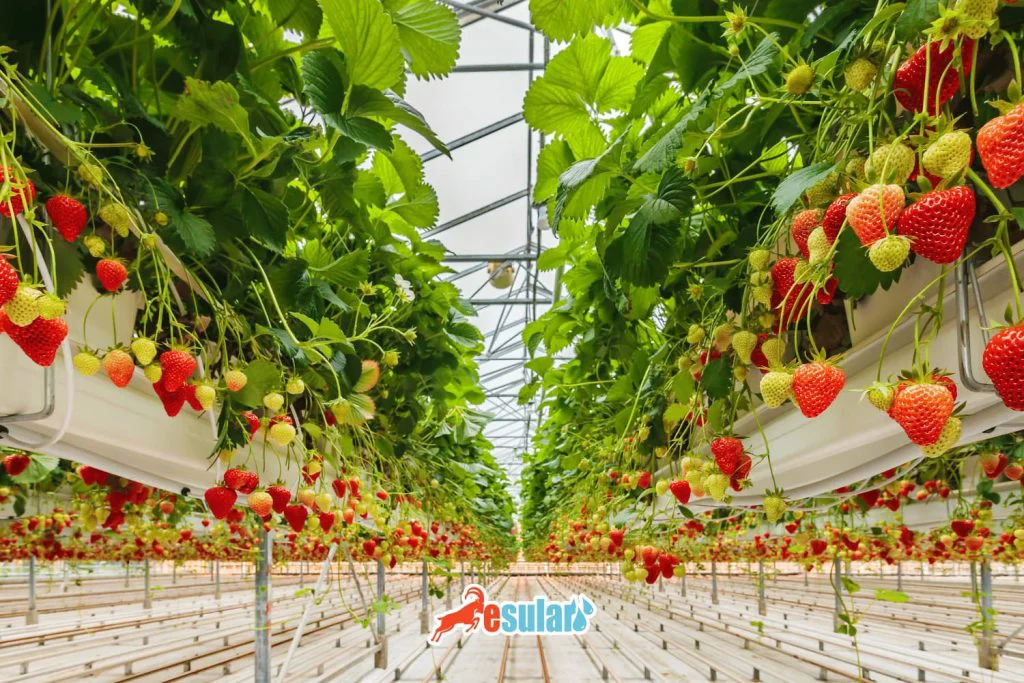
Soilless Agriculture has brought about a shift towards alternative agricultural techniques along with the challenges faced by traditional methods in the agricultural sector, the increasing population, and environmental factors. In this context, soilless agriculture (soilless agriculture) stands out among plant cultivation methods outside of traditional soil-based agriculture. Soilless hydroponic agriculture aims to overcome the limitations created by soil use and meets the nutritional needs of plants with nutrient solutions dissolved in water.
Among the challenges faced by traditional agriculture are factors such as land fragmentation, soil quality, and weather conditions that negatively affect production. Soilless agriculture, developed to overcome these problems, reduces dependence on soil use and ensures that plants are nourished by exposing their root systems directly to nutrient solutions.
What is the Purpose of Soilless Agriculture?
The main purpose of soilless agriculture is to provide a more controlled, efficient, and sustainable production environment by reducing the dependence of plants on traditional soil-based farming methods. This method aims to meet the nutritional needs of plants directly by exposing their root systems to nutrient solutions dissolved in water instead of soil. Factors such as water saving, controlled environment, efficiency, independence from seasonal conditions, and nutrient control are among the primary purposes of soilless agriculture. This method offers a solution to overcome the limitations of traditional agriculture by aiming to transform farming into a more sustainable, efficient, and environmentally friendly practice.
Research has shown that tomato fruits grown in soilless environments are at least as high quality as those grown in soil. With the establishment and widespread use of this system, successful greenhouse farming will also be possible in areas unsuitable for agriculture such as stony, rocky, saline, and barren lands, as well as regions with high groundwater levels. Various products can be grown using soilless culture. However, it is beneficial to select plants with high market value.
What are Soilless Agriculture Technologies?
Soilless agriculture, unlike traditional soil farming, is a farming method where plants are grown in special growth media instead of soil. In this modern agricultural approach, irrigation is carried out by providing nutrient solution or water directly to the plants' growth medium. Here are examples of soilless agriculture irrigation systems:
Hydroponic Systems:
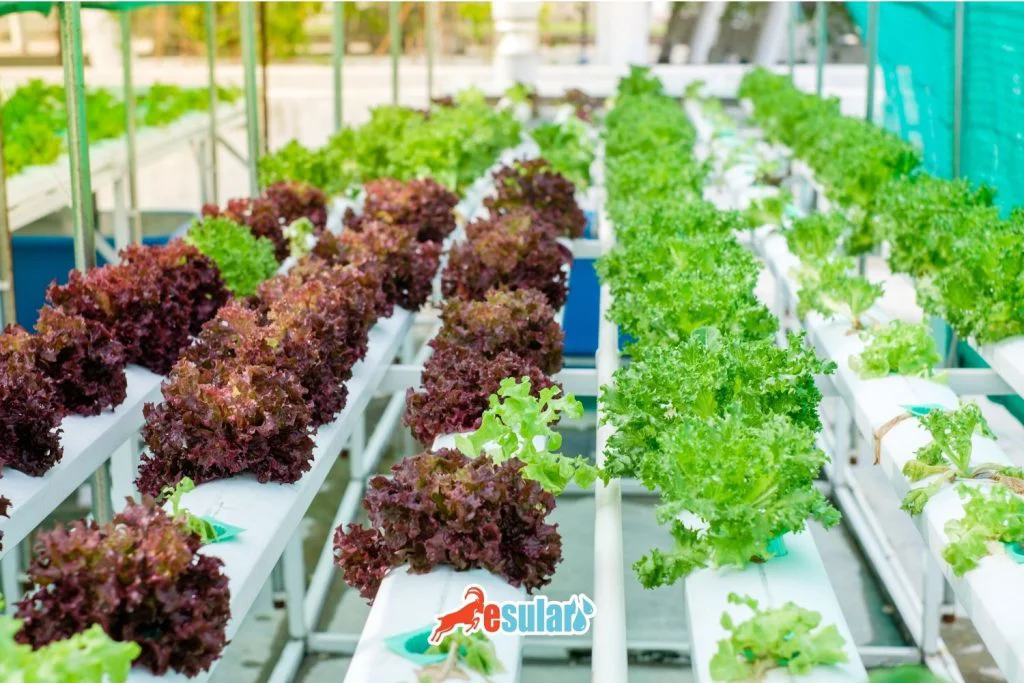
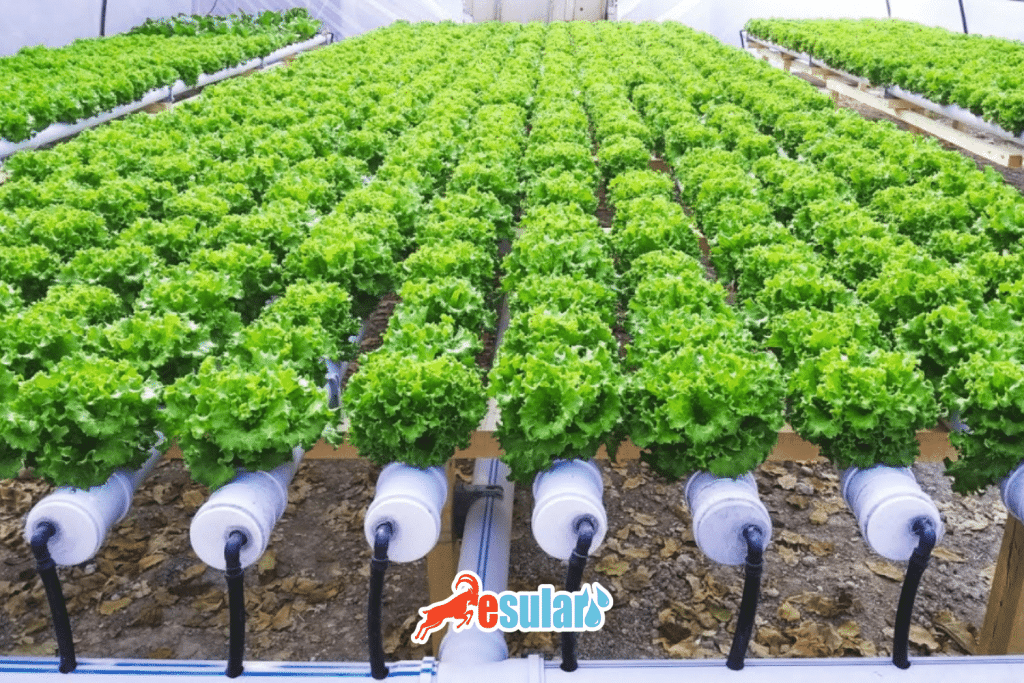
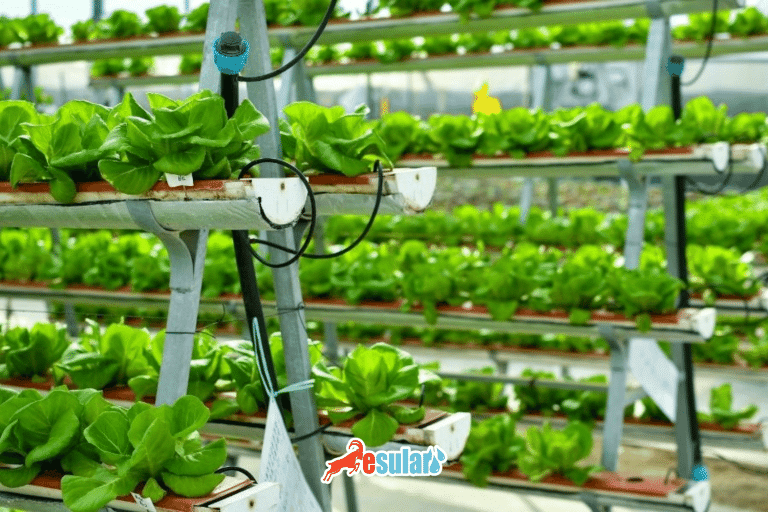
- NFT (Nutrient Film Technique): The roots of the plants are suspended in a film of nutrient solution flowing through an inclined channel.
- DWC (Deep Water Culture): Plant roots are suspended inside a water tank and fed by the nutrient solution in the water.
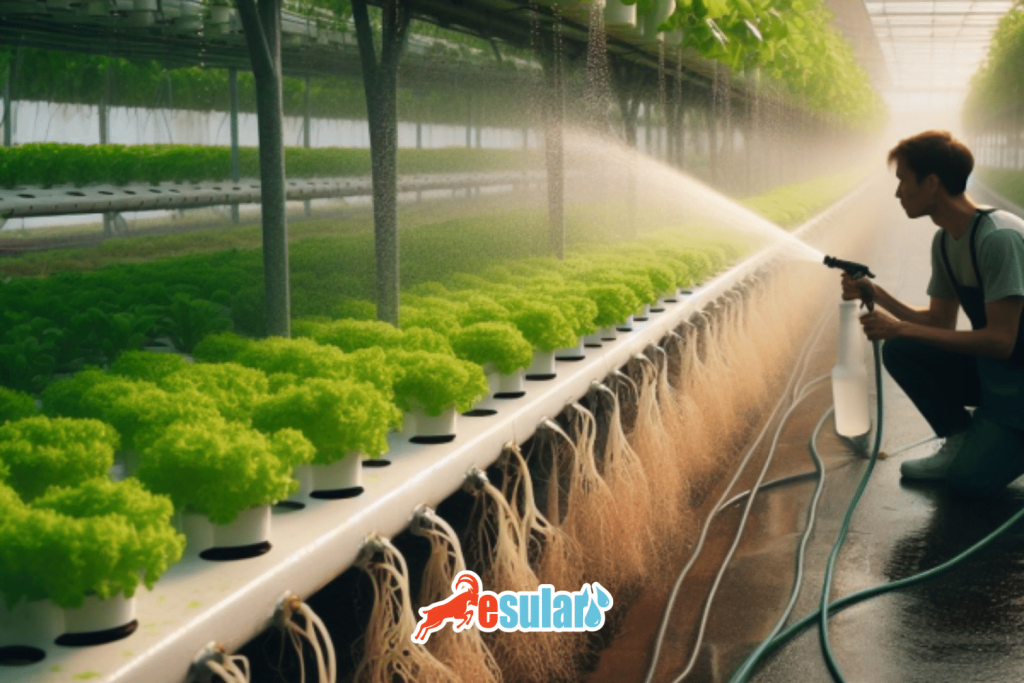
- Aeroponic Systems: Plant roots are fed by spraying nutrient solution with air.
Substrate-Based Systems:
Substrate-based systems are one of the soilless agriculture methods and use a special substrate or growth medium for plant growth instead of traditional soil. In these systems, the roots of the plants do not come into direct contact with the soil; instead, they develop in a specifically selected growth medium.
Aquaponic Systems:
Aquaponic systems are an agricultural method that combines fish farming (aquaculture) with hydroponic plant cultivation. This system provides both sustainable fish production and plant cultivation by creating an ecosystem that circulates between water, fish, and plants in a cycle.
Suspension Culture (Discrete System):
Suspension culture is a soilless farming method based on plants taking root in liquid nutrient solutions for growth instead of traditional soil. In this method, also known as a discrete system, the roots of the plants are directly exposed to the nutrient solution.
Suspension culture is a soilless farming method preferred especially in greenhouse conditions and in areas with space limitations. Allowing the roots of the plants to grow freely and receive nutrients directly enables them to grow faster and yield healthier products.
Soilless Peat System:
The soilless peat system is a soilless farming method used for the purpose of growing plants without using traditional soil. In this system, peat is used as a growth medium that provides support to the root system of plants and contains nutrients. The soilless peat system is a method preferred especially in greenhouse cultivation and controlled agricultural areas. It allows plants to grow in a more controlled environment and be nourished efficiently.
What are the Benefits of Soilless Agriculture?
One of the main reasons for adopting soilless agriculture is that it brings a range of advantages. These advantages make the soilless farming technique preferable to traditional agriculture:
High Yield: The yield per unit area is higher in soilless agriculture. Since the nutritional needs of plants are met more directly and in a controlled manner, they grow healthier.
Water Saving: In soilless agriculture, water requirement is lower since soil is not used. Production can be made using up to 10% less water compared to traditional agriculture, which brings water savings.
Quality Harvest: Supported by measurements and controls, soilless agriculture ensures obtaining a higher quality and more efficient harvest. The growth process of plants is better managed.
Sterile Environment: Since the areas and equipment used in soilless agriculture are sterile, there is no need for external spraying. This makes it possible to obtain healthier and natural products.
Larger Plants: Plants grown with the hydroponic system can generally be 30% larger than those grown in conventional agriculture.
Reduced Impact of Diseases and Pests: The controlled environment and soilless medium minimize the impact of diseases and pests on plants. This reduces the use of pesticides.
Effective Fertilizer Use: The nutrients needed by the plants are prepared with special solutions, and excess nutrients used are stored. This makes fertilizer use more effective.
Reduction in Labor Costs: Since there is no soil tillage in soilless agriculture and controlled systems are used, labor costs decrease.
Flexible Production Areas: Soilless agriculture can be applied in any land condition. Production is possible even in areas unsuitable for agriculture.
Independence from Weather Conditions: Soilless agriculture carried out in closed environments is not affected by adverse weather conditions. This minimizes production losses.
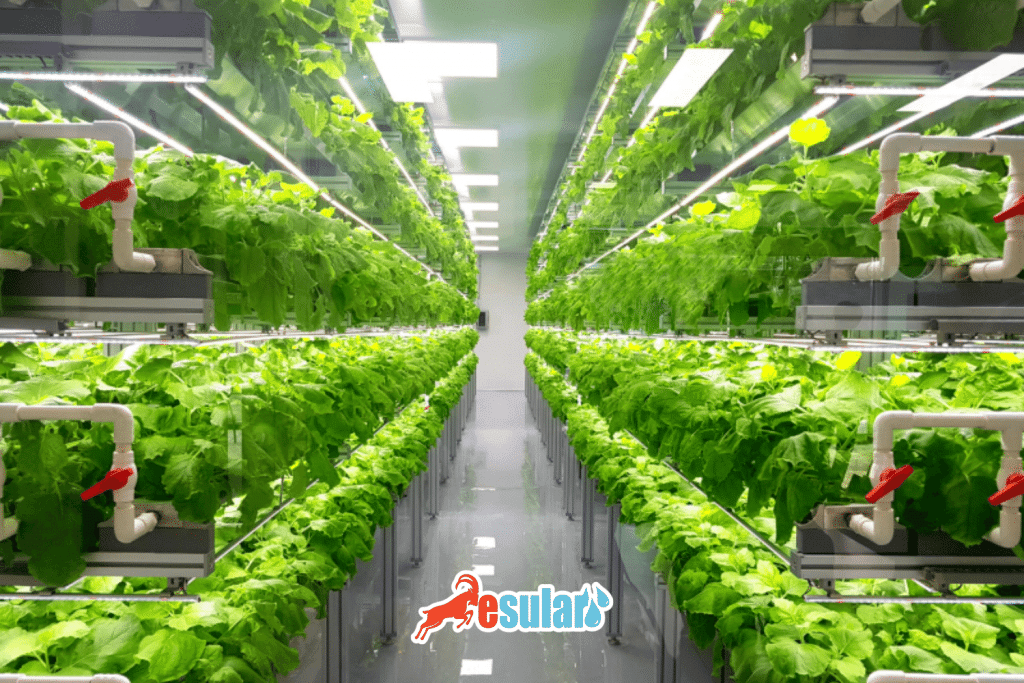
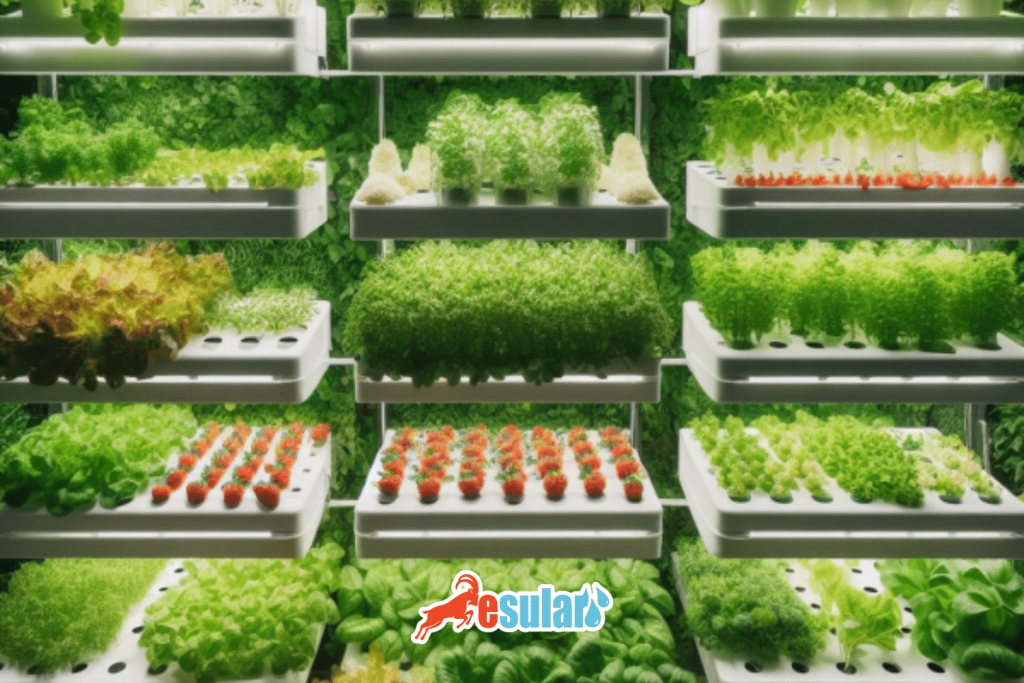
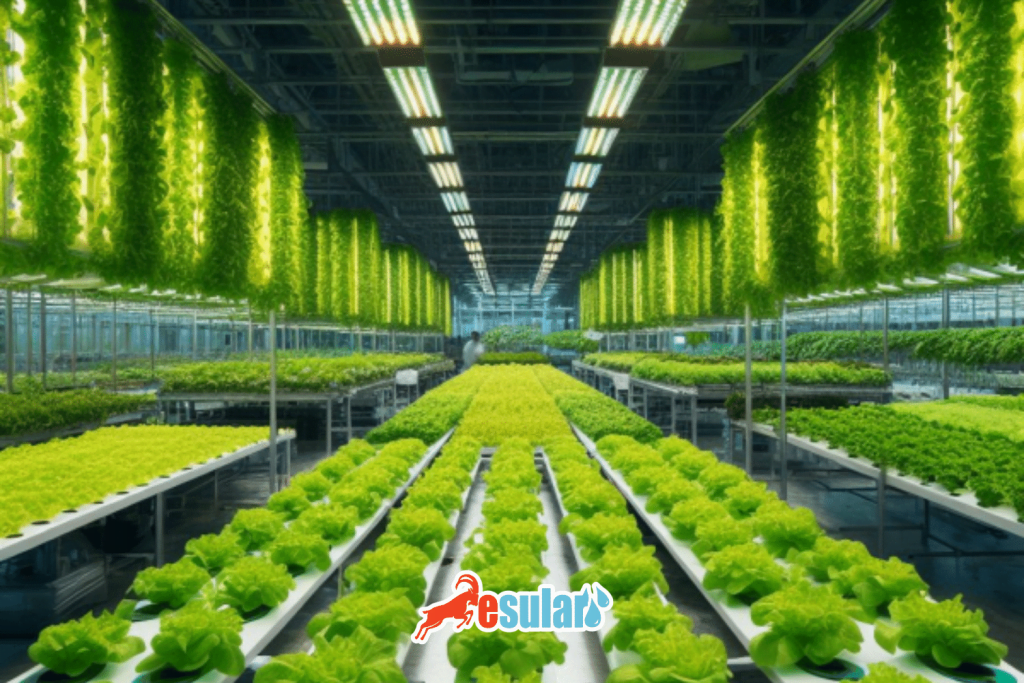
Opportunity for Vertical Farming: Soilless agriculture allows for vertical farming applications, which provides the opportunity for more planting.
Long Shelf Life: Some research shows that products grown with a hydroponic system have a longer shelf life.
These advantages of soilless agriculture contribute to its significant place in modern agricultural practice, especially considering the growing population and the need for sustainable agriculture.
What are the Disadvantages of Soilless Agriculture?
Despite the many advantages brought by soilless agriculture, there are also some disadvantages. These disadvantages are important points that those considering switching to soilless agriculture should take into account:
High Capital Requirement: Installation of soilless agriculture systems is costly. There is a high capital requirement, especially at the beginning. Investment in special equipment and technology may be necessary instead of free natural resources.
Need for Knowledge and Experience: Technical knowledge and experience are needed for an efficient production process. This knowledge ensures that correct applications and decisions are made. Therefore, the need for an experienced team or consultancy services increases.
Impact of System Failures: Soilless agriculture is a whole system, and a failure that may occur in the system can damage the entire production. Therefore, plans should be made in advance against failures and alternative solutions should be considered.
Power Outages: Hydroponic farming is dependent on electricity. Power outages can negatively affect production. Therefore, creating a strong backup system requires additional cost.
Energy and Fertilizer Costs: The energy crisis experienced in greenhouses heated with natural gas increases costs. In addition, increases in fertilizer prices also affect costs.
Nutrient Solution Preparation Error: The nutrient solution prepared for the plant must be error-free. An error can negatively affect production and is difficult to reverse.
These disadvantages are factors affecting the feasibility of soilless agriculture. Therefore, it is important to perform detailed planning and analysis before switching to soilless agriculture.
What are Soilless Agriculture Irrigation Systems?
The most important point of soilless agriculture is effective water management and the efficiency of the irrigation system. In soilless agriculture, all fertilizers, pesticides, and other resources needed by plants are carried by water. It is possible to use various automation solutions in irrigation systems.
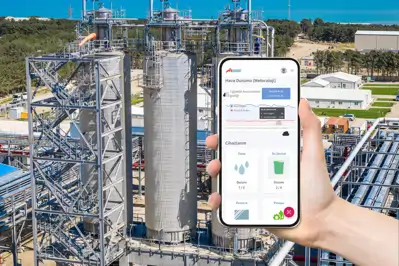
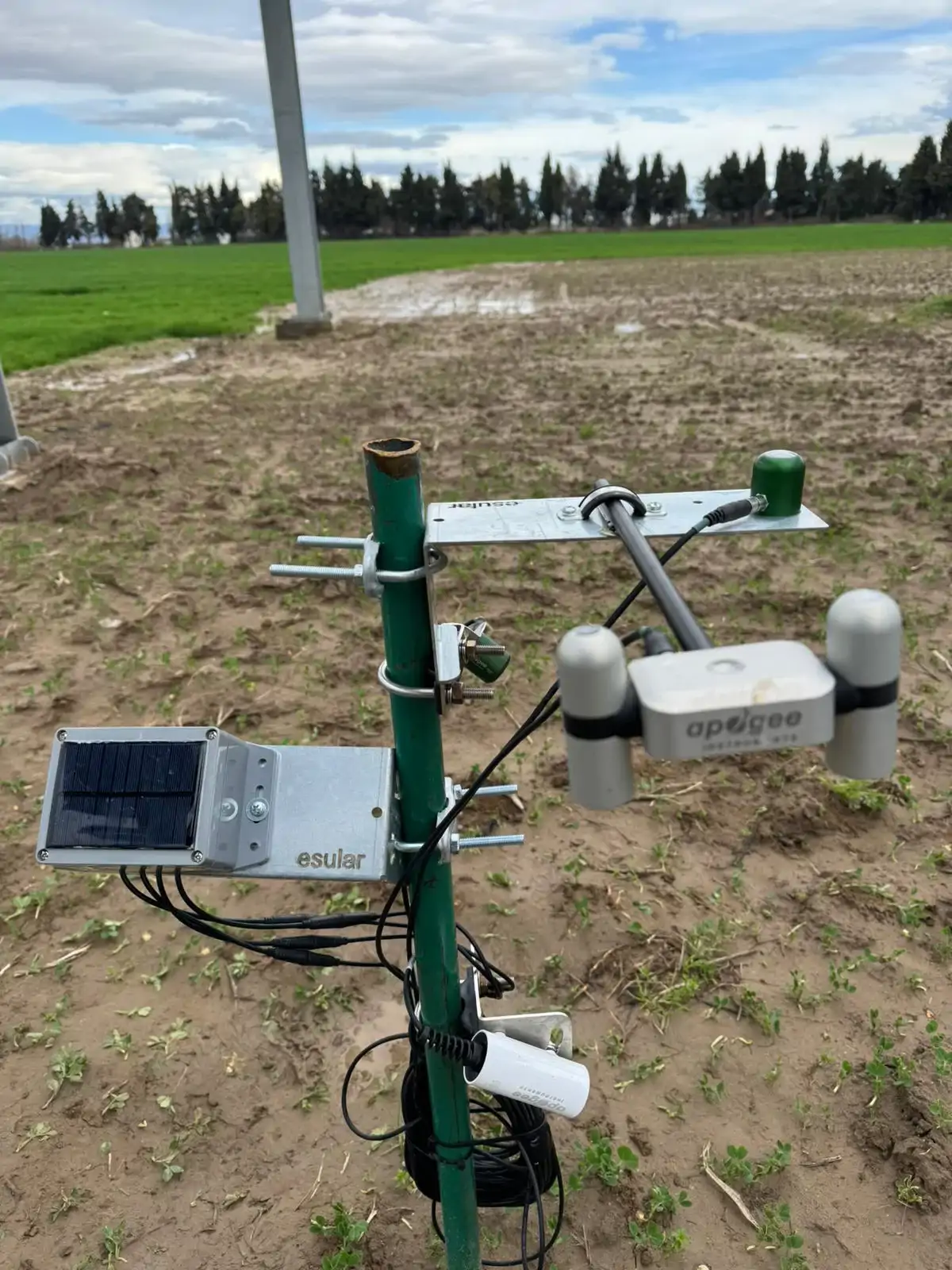
As esular, we offer wireless and IOT solutions for soilless agriculture applications. We know the importance of irrigation in agriculture and develop wireless battery-powered irrigation and sensor solutions for irrigation. We provide smart irrigation solutions with web and mobile supported interfaces, wireless battery-powered valve control units, soil moisture sensors, ultrasonic flow meters, and battery-powered, solar-powered GSM solutions. You can use esular smart irrigation and automatic irrigation solutions in soilless agriculture irrigation systems. It allows for both automatic irrigation and fertilization, as well as remote monitoring and control possibilities.
Click Here for Soilless Agriculture Greenhouse Irrigation and Climate Control Solutions.
The Importance of EC-pH Measurement in Soilless Agriculture
One of the primary factors you should pay attention to in soilless agriculture applications is pH and EC values. For good plant development, the EC and pH values of the nutrient solution must be kept within certain limits. These values are measured with instruments called EC meters and pH meters.
Soilless agriculture is a method implemented to achieve fast and high yields. Soilless agriculture systems are basically plant cultivation systems where seedlings or seeds sown in Jiffy tablets, rock wool, or plug trays can suspend their roots into the water with the help of basket pots. It is known as the most efficient method among modern agricultural methods. Optimum nutrition of the plant is the goal. Suitable conditions must be provided for growing plants. If these conditions are not met, yield losses may occur and even a large part of the harvest can be lost.
The Importance of pH Measurement in Soilless Agriculture
One of the most important conditions for soilless agriculture is that the pH value, i.e., the acidity level of the environment where the plant will grow, is at appropriate values. Each plant has its own specific pH value and gives the best yield within the range of these values. The pH value of the nutrient solution involved in soilless agriculture must be constantly monitored and pH changes should be intervened according to the plant being grown. A pH value of 7 is neutral. Liquid environments showing values below 7 are acidic, while values above 7 are basic. Most plants generally develop better in a slightly acidic environment between 5.5 and 6.5. If the nutrient solution, i.e., the pH value of the nutrient solutions, is high, nitric acid, phosphoric acid, water, or nutrient solution should be added to the environment to lower the pH; if it is low, the nutrient solution should be brought to the pH value desired by the plant by making basic character liquid supplements to the environment to raise the pH.
What are the effects of pH on plant development?
- Solubility and availability of Plant Nutrients by the plant depend on the soil pH value. While some Plant Nutrients cannot dissolve in water at high pH values, some Plant Nutrients cannot be taken up by roots at low pH values and directly affect the yield.
- At low pH values, the activities of fungi in the soil increase. In high pH situations, bacteria multiply rapidly.
- There is a close relationship between the benefits of nutrient elements to plants and pH values. In some cases, a change in the pH value of the environment makes it difficult for plants to benefit from the nutrient elements in the soil.
The Importance of EC Measurement in Soilless Agriculture
The EC value, which is very important in soilless agriculture, consists of the first letters of the words Electrical Conductivity and indicates electrical conductivity. Since the conductivity of water depends on the ions dissolved within it, EC also expresses the ratio of salt dissolved in the water. In other words, it is the salinity value. At the same time, it expresses the density of fertilizers and additional nutrients you provide to your plants. By controlling these values, you can solve the nutritional disorders of your plants or increase their nutritional efficiency.
To understand whether your plants are being fed correctly, their leaves must be constantly monitored. Various tests can be applied when unusual color changes and marks are observed. When plants experience a problem caused by incorrect irrigation and fertilization, these values should be measured and necessary intervention should be made.
What are the effects of EC value on plant development?
- As a result of increased salinity in the soil, osmotic pressure also increases. The transition from a less dense environment to a highly dense environment is called osmosis. The part of this related to plants is as follows. If the plant's sap is denser than the water around its roots, the water around its roots is absorbed by the plant, but if the water around its roots is saltier than the plant sap, the plant cannot absorb this water and the plant cannot use this water no matter how moist the soil is. If the salinity value is much higher, the plant's sap is absorbed by this salty water around the roots, leaving the plant dehydrated and causing it to dry out.
In conclusion; if we want to achieve correct production, we must pay extreme attention to EC and pH values. Especially in soilless agriculture, all important nutrients are given to the plant through the nutrient solution. If any nutrient in the solution is less or more than required, plants show symptoms of nutritional disorders. If the pH and EC of the solution are also outside the recommended limits, these symptoms are seen. These symptoms include changes in the plant's size, growth rate, leaf shape and thickness, stem color, internodal distance, and the structure of the root system.
Fertilization in Soilless Agriculture
Fertilization in soilless agriculture involves adding the nutrients necessary for the growth and development of plants to the growth media in which they are grown in a water or air environment. These nutrients are given in a balanced way according to the needs of the plants.
Here are the basic principles of fertilization in soilless agriculture;
Selection of Hydroponic or Aeroponic System: There are two main growth systems you can use in soilless agriculture. These are hydroponic and aeroponic. Both provide nutrients to plants in a water or air environment.
Nutrient Solution Preparation:
Prepare a nutrient solution containing the nutrients needed by the plants. This nutrient solution is usually created with special fertilizers mixed into water. The basic nutrients that the nutrient solution should contain include macro elements (nitrogen, phosphorus, potassium, calcium, magnesium, sulfur) and micro elements (iron, copper, zinc, manganese, molybdenum, boron).
Electrical Conductivity (EC) and pH Control:
Regular monitoring of the electrical conductivity (EC) and pH levels of the nutrient solution is important. While EC determines the concentration of nutrients, pH is important for plants to be able to take up the nutrients. Generally, EC and pH values are adjusted according to the plant species. Generally, appropriate pH levels for plants should be between 5.5 and 6.5.
Presenting Nutrients to Plants:
The roots of the plants are located in containers or systems with a special structure to receive the nutrient solution. The nutrient solution is provided to the roots regularly and continuously.
Irrigation Schedule:
An appropriate irrigation schedule should be created according to the growth stages of the plants. Generally, the water requirement of plants changes according to the growth stages.
Nutrient Supplements:
Additional nutrient supplements can be made according to the growth stages and needs of the plants. This is important to ensure that plants grow healthy and efficiently.
Fertilization in soilless agriculture is a method where plants are grown in a fully controlled environment and nutrients are precisely adjusted. This method can reduce waste of water and nutrients and optimize the growth of plants.
Fertilizer Preparation in Soilless Agriculture
We know that plants reach Carbon, Hydrogen, and Oxygen elements from the air and water. In soilless agriculture plant cultivation, the high oxygen ratio of the water and the lack of CO2 in the environment, which is the only way plants can reach the Carbon element, is one of the most important problems.
The most basic composition necessary for plants, known as NPK, is obtained from ready-to-use fertilizers containing Nitrogen, Phosphorus, and Potassium. Ca, i.e., Calcium, is one of the basic elements plants need. This element is found in Calcium Nitrate CaNO3. Magnesium and Sulfur elements can be provided by obtaining Magnesium Sulfate MgSO4.
Micro nutrients that plants need even in very small amounts can also be easily obtained. The most commonly used micro elements are Copper, Zinc, Boron, Molybdenum, Iron, Manganese, and Chlorine.
Matters to be Considered When Fertilizing in Soilless Agriculture
There are fertilizers produced for various systems in soilless agriculture.
You should use the fertilizer suitable for the system you use by taking suggestions and help.
The most commonly used type of fertilizer in soilless agriculture is liquid worm fertilizer. In scientific research conducted within the scope of soilless agriculture development activities, striking results have emerged in soilless agriculture trials conducted using only liquid worm fertilizer. It has been observed that higher yields are obtained from areas where liquid worm fertilizer is used. Pots containing worm fertilizer are placed inside plastic wastewater pipes carved at certain intervals, and seedlings for agricultural products are planted inside these pots.
With the system circulating below, by giving water and liquid worm fertilizer, the most ideal results emerge with a very small amount of fertilizer.
Kategoriler