What is a Jersey Cow and Its Types

24 Ocak 2026 Fatma Aktaş 0 görüntülenme
Tüm Yazılar

What is a Jersey Cow and Its Types​

You can learn what a Jersey cow is and its types from this article. The Jersey breed originated on the Island of Jersey in the English Channel off the coast of France. Jersey is one of the oldest dairy breeds and has been recognized as purebred by authorities for almost six centuries. The Jersey cows breed has been known in England since 1771. It is a very important cattle species due to its milk and butter production. In these early dates, the cows of Jersey island were generally called Alderney cows, although cattle from this island later came to be known simply as Jersey. Jersey cows were brought to America in the 1850s.

esular-jersey-sigir_2

Excellent Jersey cattle herds, capable of adapting to a wide range of climatic and geographical conditions, can be found in many places from Denmark to Australia and New Zealand, from Canada to South America, from South Africa to Japan. Jersey cows are excellent grazers. They are more heat-tolerant than larger breeds. Jersey cows, weighing an average of 410 kg, produce more milk per body weight than other breeds. Most Jersey cattle produce more than 13 times their body weight in milk during each lactation period.

esular-jersey-sigir_3

Jersey cows are a special type of dairy cattle that stand out with their milk productivity, elegance, and broad adaptation capabilities. Here is what you need to know about these magnificent cows and their different types:

1. Origin and History of Jersey Cows:

Jersey cows originated on the Island of Jersey in the English Channel off the coast of France. Historically, they have been known as purebred for about six centuries. They began to be recognized in England in 1771 and were brought to America in the 1850s.

2. Different Types and Color Variety:

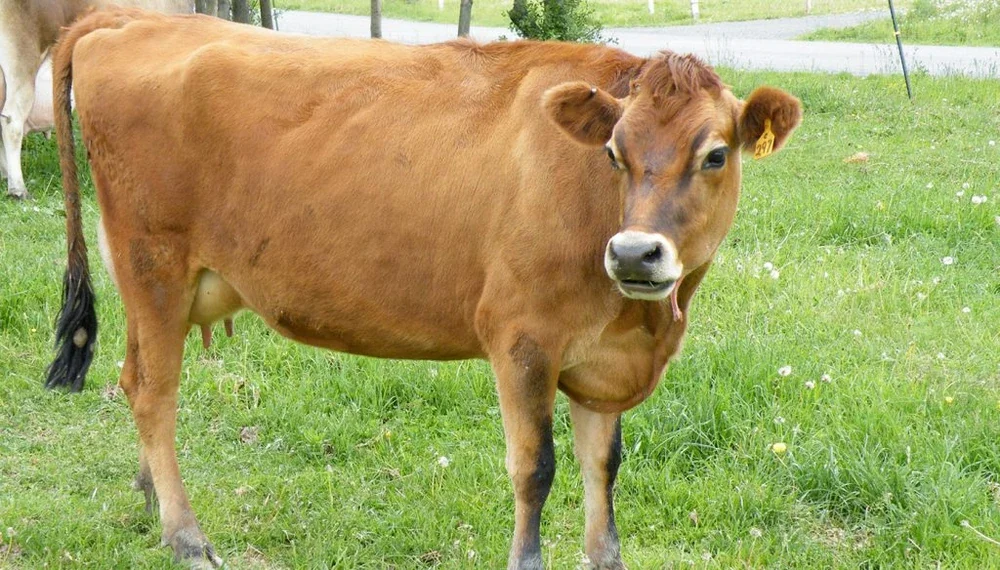
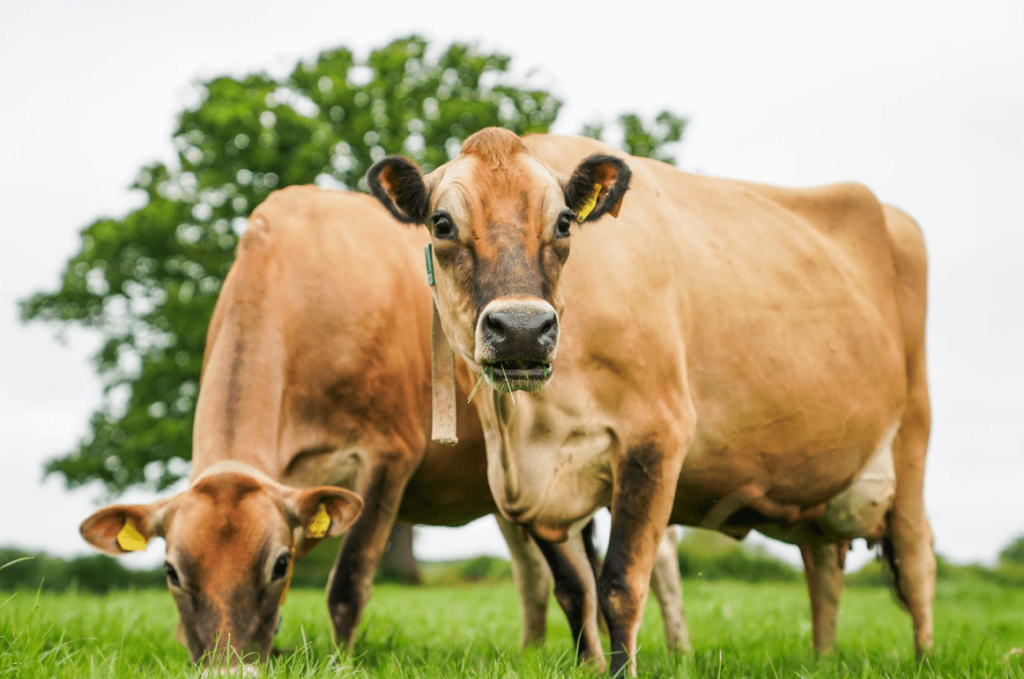
Jersey cows are generally cream or yellow in color, and darker tones are also common. Their colors can span a wide range; they can vary from a very light gray to a very dark light brown or almost black.

3. Adaptation Capabilities and Distribution:

Jersey cows are cows that can adapt to wide climatic and geographical conditions. They are talented animals showing excellent milk yield in many countries around the world, from Denmark to New Zealand, and from South Africa to Japan.

4. Milk Productivity and Excellent Fat Content:

Jersey cows have the capacity to produce more milk relative to their body weight than other cattle. These cattle, with an average weight of 410 kg, generally have a higher milk fat content than other breeds. These characteristics provide a significant advantage in milk and butter production.

5. General Structure and Harmonious Appearance:

Jersey cows attract attention with the distinct elegance of their heads and shoulders, and their long and straight top lines. Medium-sized cows are generally more preferred. They have a harmonious appearance, are docile, and easy to care for, but they generally have a slightly more nervous temperament than other dairy cattle.


Jersey cows play an important role in milk production on dairy farms and in many countries around the world. They are unique when it comes to milk. With their elegant appearance and high milk quality, Jersey cattle offer a valuable option to farmers and breeders in the dairy industry.

What is the Difference of Jersey Cow Milk

Jersey cows stand out as a purebred species and receive great interest in terms of milk productivity. According to research, Jersey breed cows consume 32% less water compared to other breeds, require 11% less pasture, and can make do with simpler terrain. Additionally, they have higher fat content and can produce more milk. Jersey breed cows are known as the cattle breed that produces the highest quality milk worldwide in terms of calcium, protein, and fat ratio. Compared to average cow milk, Jersey milk contains 15% more protein, 18% more calcium, and 10% more phosphorus. Jersey milk is slightly more yellow in color compared to other cow milks and can be easily distinguished by its dense consistency and unique flavor thanks to its high fat content and nutritional value.

Is Jersey milk healthy? Benefits

Jersey milk is a healthy type of milk. Thanks to its high fat content and nutritional values, it is among the most preferred milk types for health. Its quality is higher compared to other cattle breeds. While it is A2 milk and its fat content reaches levels of 5-6%, it also has a rich content in terms of vitamins and minerals. Jersey cow milk has a rich content containing nutritional values such as zinc, iodine, B12, B6, B2, and essential fatty acids like arachidonic acid and linoleic acid. This milk has many benefits:

  • Vitamin, mineral, and fatty acid content provides a positive effect on brain development.
  • Protein, calcium, and phosphorus content contributes to balancing blood pressure and supports cardiovascular health.
  • Dense fat content makes the milk more delicious.
  • Jersey milk belonging to the A2 milk group can reduce the feeling of bloating compared to other milks.
  • Yogurt made from Jersey milk is rich in prebiotic bacteria and supports the digestive system.

How many kilos of milk does a Jersey Cow give

Jersey cows are a breed with a higher milk production capacity relative to their body weight than other cattle. The average weight of these cattle is 410 kg, and they generally have a higher milk fat content compared to other breeds. Most Jersey cattle can produce more than 13 times their body weight in milk during each lactation period. These features provide a significant advantage in milk and butter production.

Where are Jersey Cows Raised in Turkey

Jersey cattle are a type of cattle intensively raised especially in the Black Sea Region of Turkey. They are also raised in the Aegean and Mediterranean regions. Jersey cattle, brought to Turkey for the first time in 1958 from America, were placed in the Samsun Karaköy Stud Farm and began to be raised in this region where the Black Sea climate prevails (41°52'N, 35°99'E). It is known that Jersey breed cattle were transferred to the Amasya Gökhöyük Agricultural Enterprise in 2014.

Yorumlar

Daha Fazla İçerik İster misiniz?

Akıllı tarım hakkında en güncel içerikleri takip edin.