Tüm Yazılar
What is Brucellosis Abortion Disease?
Brucellosis is a contagious disease caused by Brucella group bacteria in animals, causing chronic inflammation in various organs and the dropping of offspring. Brucellosis causes abortion, decreased milk yield, loss of breeding value, and infertility, especially in domestic animals such as cattle, sheep, and goats. Additionally, it is an economically and public health-wise important disease that can be transmitted from animals to humans (zoonosis). This disease, called contagious abortion disease in domestic animals, is also known by names such as undulant fever, Malta fever, and Mediterranean fever in humans. It is common worldwide. The rapid spread of the disease, difficulties in control and struggle, its long-lasting course, and cost are noteworthy. There are also damages such as the negative effect of this disease on animal protein sources, its ability to hinder animal and animal product trade, and its prevention of the socio-economic development of animal breeders with limited opportunities, mostly located in rural areas.
What are the Agents of Brucellosis?
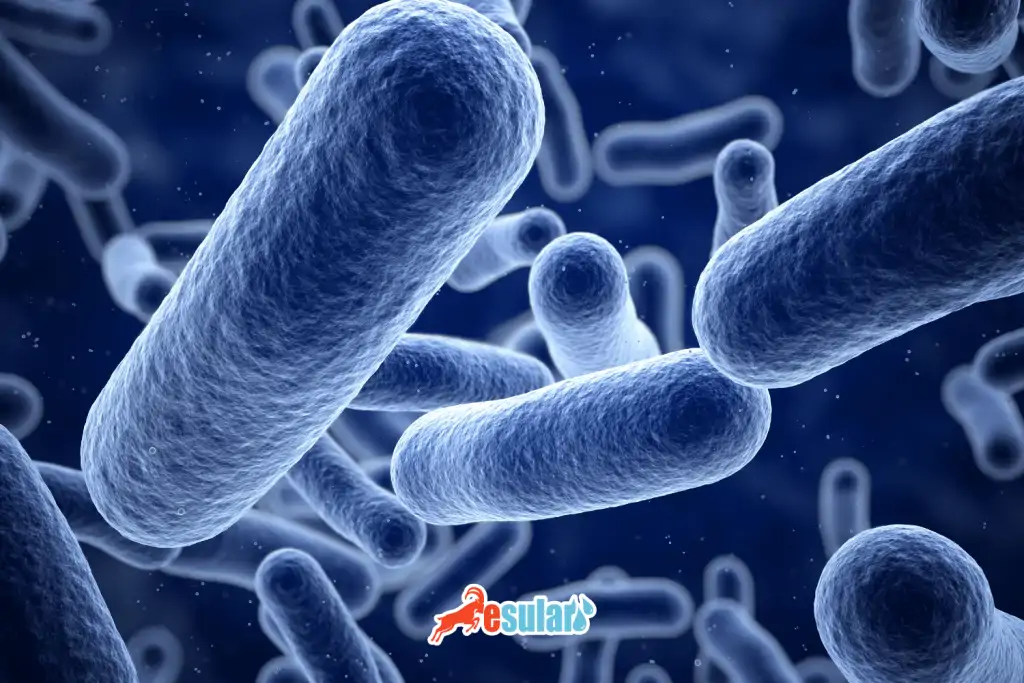
Among the six species under Brucella group microorganisms, Brucella melitensis, Brucella abortus, and Brucella suis are of great importance for public health. B. melitensis usually affects sheep and goats. However, it can also infect cattle and dogs. Due to the close contact of people with these animals in rural areas and the traditional consumption style of sheep-goat milk, sheep-goat brucellosis (B. melitensis) has greater importance for human health in our country. B. abortus causes infection in cattle, and can also be transmitted to buffalo, camels, deer, horses, sheep, dogs, pigs, and humans. Its pathogenicity for humans comes after B. suis. B. suis usually causes infection in pigs. Additionally, infection can be seen in reindeer, cattle, buffalo, and some other wild animals. It is the most pathogenic species for humans after B. melitensis.
Resistance of Brucella to Environmental Conditions
Brucella group microorganisms generally do not multiply outside the host animal. However, they maintain their vitality for different periods depending on the temperature, humidity, and acidity levels of the environment. Brucella microorganisms are sensitive to direct sunlight, disinfectants, pasteurization, and dry conditions. They die within 1-12 hours in sunlight, in 10 minutes at 60°C, and immediately at 100°C. They can stay alive for several months in tap water at 4-8°C, for 2.5 years at 0°C, for several years in frozen tissues, for 60 days in moist soil, and for 144 days in an environment containing 40% humidity at 20°C. They can live for 30 days in urine, for at least 75 days in waste fetuses, and for more than 200 days in uterine discharges. It is destroyed in 4.5 hours at 56-61°C in bedding contaminated with infected fecal material. It can stay alive for 142 days in the refrigerator in unsalted cream butter made from raw milk, for 45 days in pickled cheese containing 10% salt, and for 1 month in 17% salt. The pH change (acidity) that occurs during the normal aging process of meat is sufficient to kill Brucella microorganisms that may be present in the meat.
What are the Symptoms of Brucellosis?
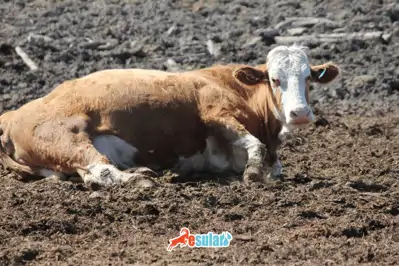
The main symptom of the disease is abortion. Abortions are seen in the 6th-8th months of pregnancy in cattle, and in the 3rd-4th months in sheep and goats. A decrease in milk yield is observed. Symptoms in bulls and rams are the appearance of redness and swellings resembling millet grains on the male organs. The emergence of the disease in cattle-rearing regions can cause great economic losses. The abortion rate of pregnant animals is 80%. Another possibility is that the calves born are very weak. Immediate death after birth can be seen in offspring born by completing the gestation period. Due to uterine inflammation or the inability to expel the membranes of the offspring, gestation periods are prolonged and permanent infertility may occur. Goats are more sensitive to infection than sheep. The decrease in milk production in sheep and goats is more pronounced than in cattle.
Symptoms of brucellosis in humans
The symptoms of Brucellosis in humans are as follows:
- Continuous, periodic, or irregular fever
- Sweating
- Exhaustion
- Symptoms such as general pains and depression are observed.
How to recognize an animal with Brucellosis?
Symptoms in animals with Brucella infection may vary. Of course, abortion is at the top of the symptoms. Among these symptoms, miscarriage or an increase in the risk of miscarriage, fertility problems, and a decrease in milk yield are seen.
How is Brucellosis diagnosed?
There is no effective diagnostic method based on appearance for Brucellosis in animals. Diagnosis of the disease can only be made with laboratory tests. Laboratory diagnosis is carried out through the detection of the microorganism itself or the determination of antibodies in the animal's blood serum and milk. In this context, waste offspring, fetal membranes, vaginal swab samples are used for the detection of the microorganism, and blood serum and milk samples are used in laboratories for antibody detection.
How is Brucellosis Transmitted?
Transmission in animals usually occurs through the consumption, drinking, or contact with contaminated materials. Also, it can be transmitted through the oral intake of infected food and water, from the eye mucosa, and skin (through cracks, wounds, and intact skin). Furthermore, it can be transmitted through mating with diseased bulls and rams and through sexual organs. Sheep that catch the disease can spread germs in their milk for about 2 months, goats for about 2 years, and cattle for life depending on the settlement status of the disease. Additionally, they can spread germs for periods ranging from 15 days to 2-3 months with uterine discharges.
Is Brucellosis transmitted to humans?
Yes, Brucellosis can be transmitted to humans. Brucellosis can be passed to humans especially through infected animal products such as raw milk and dairy products. Additionally, contact with infected animals, animal carcasses, waste offspring, and genital discharges, urine, and feces of aborting animals can also increase the risk of transmission. Besides direct contact, the consumption of meat or meat products obtained from infected animals can also be a source of transmission. However, Brucellosis is usually transmitted through direct animal-to-human transmission; transmission between humans is rare.
How is Brucellosis transmitted to humans?
Brucellosis can be transmitted to humans through the consumption of raw milk and dairy products (cheese, cream, butter, ice cream, etc.) contaminated with the disease agents. However, it can also be transmitted through direct contact with infected animals, animal carcasses, waste offspring, and genital discharges, urine, and feces of aborting animals. Although direct contact is a route where transmission through the digestive system is prominent, transmission through damaged skin and the respiratory tract is also possible. The consumption of vegetables contaminated with animal manure can also increase the risk of infection in humans. Direct transmission between humans is extremely rare. Rarely, transmission can also be seen to babies through breast milk and through sexual contact. Transmission through meat is rare and can only occur if organs such as the liver and spleen are consumed without being well-cooked.
Brucellosis Treatment
Attempts made for the treatment of Brucellosis in animals have generally not yielded successful results. A long-term and combination antibiotic treatment is required to completely remove Brucella microorganisms from the body. Unfortunately, this treatment is not always successful. Animals usually continue to carry the microorganism secretly and can be a source of infection for other animals. Treatment in animals is not recommended because the treatment is not economical and carrier status cannot be prevented. However, protective measures can be applied in the fight against the disease.
Brucellosis treatment in humans
Antibiotics can be effective against Brucella microorganisms, but the treatment of the disease is usually a challenging process. Since Brucella microorganisms are located intracellularly, multiple antibiotics may need to be used for a long period (at least 6 weeks) for an effective treatment. Additionally, the treatment period can be long because it is not exactly known where the microorganisms hide in the body and they can cause infection in places like the bone marrow. Short-term treatment carries the risk of the infection recurring. Depending on the time of starting treatment and the severity of the disease, the healing process can vary from a few weeks to several months. The mortality rate is generally low.
Ways of Protection from Brucellosis
When Brucellosis infects an animal herd, clearing this herd of the disease is a challenging, time-consuming, and costly process. Additionally, considering the risks for animal owners, their environment, and those who consume dairy products in contact with an infected herd, protection from the disease is of great importance. For the control of Brucellosis, in addition to general hygiene measures, quarantine, removal of infected animals from the herd (testing and slaughter), and vaccination methods can be applied.
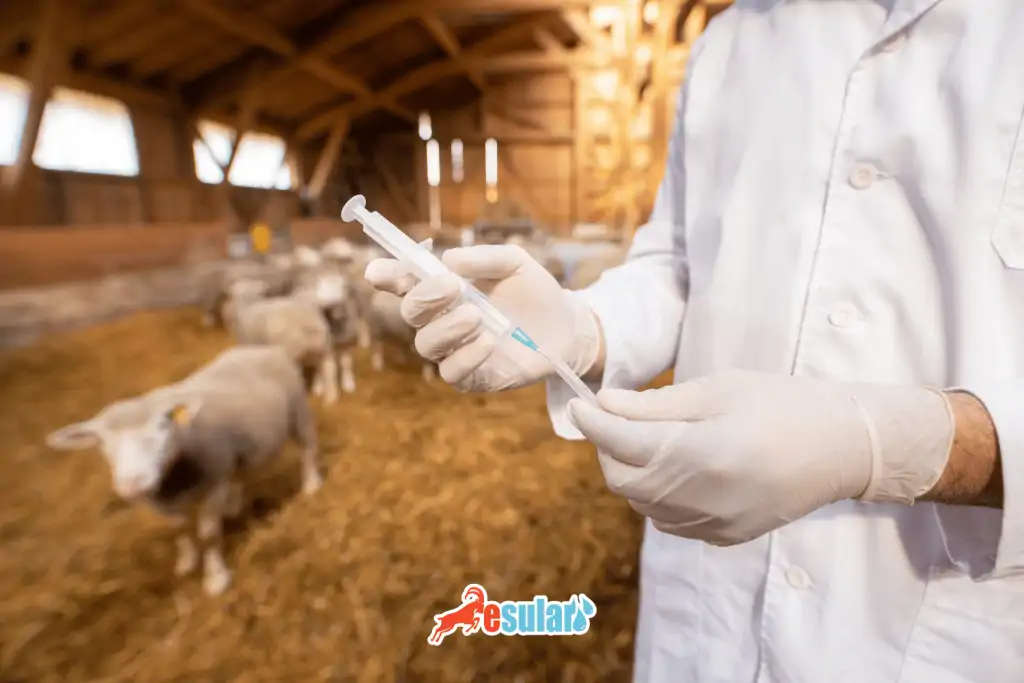
- The fundamental way to be protected from Brucellosis is to vaccinate animals. The vaccine is generally applied to calves 4-8 months old, and lambs and kids 3-5 months old. Before birth approaches, animals should be taken to a separate section and births should be carried out there. To be protected from the disease, you should vaccinate cattle twice at 12-month intervals throughout their lives, and sheep and goats once throughout their lives.
- In cases of abortion and stillbirth in pregnant animals, the dead offspring born should not be thrown away randomly. Instead, they should be buried in deep pits and unslaked lime should be thrown over them. The feed and bedding that these animals come into contact with should either be buried deeply and unslaked lime poured over them or destroyed by burning.
- Barns and pens should be cleaned and disinfected regularly. Aborting animals should be separated from healthy ones and removed from the herd.
- Testing should be done before taking animals into the herd. New animals should be kept separately from other animals and brought together with other animals after being re-tested 30-60 days later.
- In cases of waste (abortion), Ministry Provincial and District Directorates or a veterinarian should be consulted immediately.
Ways of protection from Brucellosis in humans
- Unpasteurized or not fully boiled milk and dairy products made from such milk, such as cheese, cream, and ice cream, should not be consumed.
- In cases where it is not known whether milk and dairy products are pasteurized, these products should not be consumed.
- Animal breeders should destroy all waste from aborting animals and the feed and bedding that these wastes come into contact with without touching them with bare hands.
- Wastes should not be thrown into the environment, and especially should not be given to cats and dogs.
- Regular disinfection should be carried out in barns and pens.
- When waste (abortion) is seen, a veterinarian should be informed immediately, and the animals must be vaccinated after the diagnosis of the disease is made.
- Additionally, priority should be given to the vaccination of young animals as protective measures. Because the prevention of brucellosis in humans depends on the control and eradication of the disease in animals.
When should the Brucellosis vaccine be administered?
The Brucellosis vaccine is usually given when animals reach a certain age. Here are the general recommendations for the Brucellosis vaccine:
Cattle: Animals are usually vaccinated as 4-8 month old calves. The vaccine should be applied when the calves are in this age range.
Sheep and Goats: Similar to calves, lambs and kids are usually vaccinated when they are 3-5 months old.
To be protected from the disease, you should vaccinate cattle twice at 12-month intervals throughout their lives, and sheep and goats once throughout their lives. Animal owners should determine the most appropriate vaccination program by communicating with their veterinarians.
Kategoriler
Etiketler