What is Compost
Compost is an organic fertilizer and soil improver obtained as a result of the decomposition or grinding of animal and vegetable wastes. Often called "black gold," compost is not applied directly to plants, but is used to increase soil quality and optimize productivity.
The benefits of compost to the soil are diverse. The organic matter it contains increases the humus content of the soil, which supports the nutrition of plant roots by increasing the water holding capacity and air permeability of the soil. At the same time, it provides an ideal environment for microorganisms in the soil, which enriches the soil ecosystem.
Compost contains important elements that increase the nutrient content of the soil. Nitrogen, phosphorus, potassium, and other micronutrients are essential nutrients necessary for the healthy growth and development of plants. In this way, compost provides a natural and balanced source of nutrients for plants.
Additionally, compost has the ability to regulate the soil pH balance. By helping the soil reach its optimum pH level, it allows plants to take up nutrients more effectively. This can increase plant health by reducing plant diseases and pests.
Compost is an important part of sustainable agricultural practices. Compost obtained through the recycling of wastes reduces environmental impacts and increases the long-term productivity of agricultural areas. Therefore, the production and use of compost is considered an important strategy in terms of protecting soil health, promoting plant growth, and environmental sustainability.
What is Composting?
Composting is the process of converting biochemically degradable organic substances into stabilized and mineralized products by microorganisms. This process generally occurs as microorganisms, especially bacteria and fungi, in waste piles, break down and decompose organic substances through biochemical pathways using oxygen in the environment.
Certain conditions are required for the composting process. A water content between 45-60% is important for microorganisms to operate. This moisture level provides a suitable environment for microorganisms to carry out their metabolic processes.
The composting process usually takes place in two main stages. The first stage is the decomposition of organic substances by microorganisms in aerobic conditions, that is, in an environment where oxygen is present. In this stage, the temperature increases, and the internal temperature of the decaying material can rise to 55-65°C. This temperature helps kill harmful microorganisms and disinfect the compost.
The second stage continues for a longer time as the temperature drops and more microorganisms come into play. This stage is the maturation and stabilization of the compost. Finally, organic wastes turn into compost and become a material that enriches the soil and is nutritious for plants. Composting is an effective method for sustainable waste management and organic material recycling.
What are Compost Wastes?
When identifying usable wastes for composting, the general rule is that everything that was once alive is compostable. However, there are some exceptions. Basically, two types of materials, green and brown, are used when making compost. Green materials include fresh and wet wastes and cover wastes such as green leafy vegetables, herbs, fruits, tea grounds, eggshells, and coffee grounds. On the other hand, brown materials include dry wastes and include materials such as tree and branch pieces, dried leaves, herbs, paper pieces, and nut shells.
However, there are also some materials that should not be used when making compost. Fruits in the citrus group are not preferred because they can create an overly acidic environment. Overly oily wastes and materials too large to dissolve in the soil are also not used in compost making. Meat and dairy products are not suitable for the cold compost method because this method cannot completely eliminate pathogens that may occur during the dissolution of meat and dairy products, and this situation may risk human health. Therefore, it is important to ensure a proper balance with carefully selected materials when making compost.
How to Make Compost?
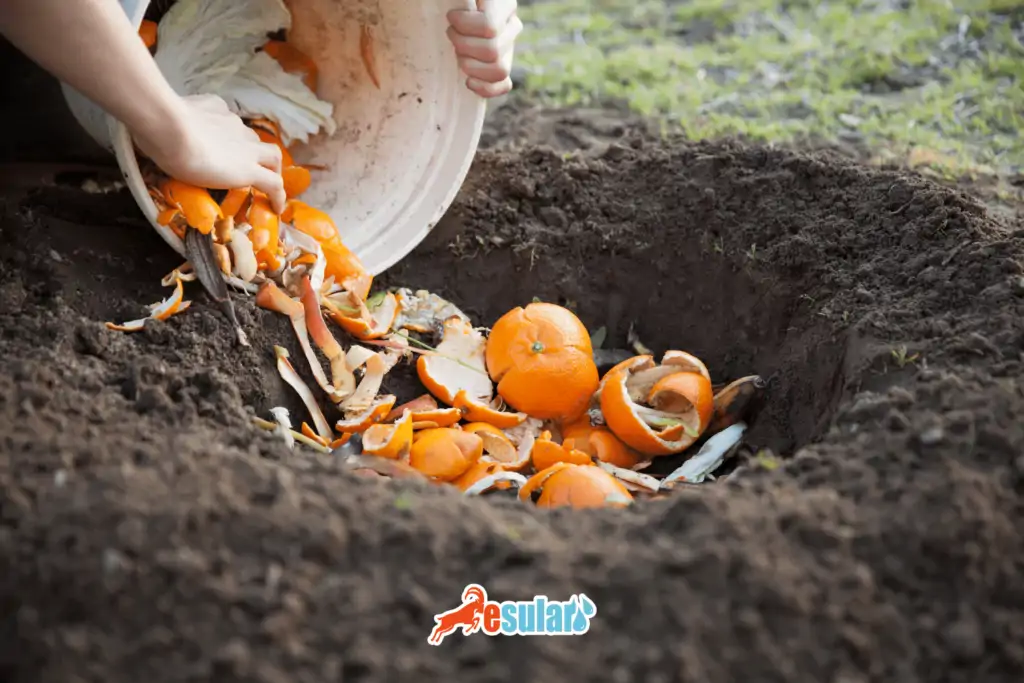
The first step to making compost is to identify the organic wastes coming out of our kitchen and group them. These wastes generally include organic materials such as fruit and vegetable peels, coffee grounds, eggshells, and leaves. Then, considering the amount of organic waste on hand and the time we can allocate to making compost, we can choose one of the methods such as hot compost, cold compost, or worm compost. Hot composting provides rapid decomposition at high temperatures, while cold composting occurs over a longer process and at lower temperatures. Worm compost is a method where special worms are used; these worms digest organic materials and produce a high-quality compost. Factors to be considered during the composting process include carbon and nitrogen balance, moisture level, regular mixing, and choosing a suitable location. By following these steps, we can transform organic wastes into a valuable soil conditioner at home or in the garden.
How to Do Hot Composting?
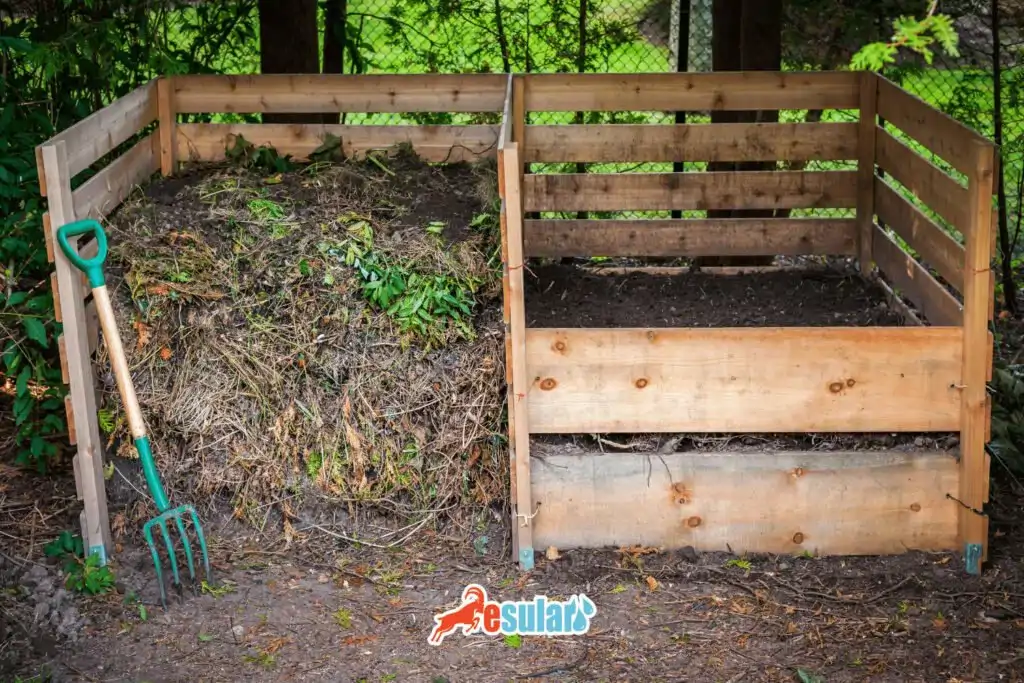
Hot compost is an effective method for those who want to rapidly increase soil fertility, but it requires careful application. This method gives faster results compared to cold compost, but the risk of failure is also higher. As the first step, the waste pile to be used for making hot compost must be prepared at once. Once the created compost has started, new organic wastes cannot be added.
For hot compost production, an area of approximately 1 cubic meter and a thermometer are needed. After dividing green and brown colored wastes into small pieces, they should be arranged sequentially in layers approximately 10 centimeters thick. Moistening should be done between each layer, and substances such as ash or charcoal should be added to speed up dissolution.
After preparing the hot compost, temperature control is important. A temperature reaching 30 degrees indicates that the compost is interacting with fungi, bacteria, and nematodes. Immediately after, the temperature will rise to 50-70°C. When the temperature drops below 43°C after a few days, it is important to increase the amount of oxygen by mixing the compost. Cases of overheating or not heating enough may indicate that the carbon and nitrogen balance could not be adjusted correctly. If the compost gets too hot, it may be necessary to increase the amount of brown materials; if it does not heat enough, it is necessary to increase the amount of green materials.
How to Do Cold Composting?
Cold compost is the composting method with the lowest risk of failure and the simplest application. If you do not want to spend much time and effort on the composting process, this method may be ideal for you. All you need when applying this method is to fill a box or container suitable for compost making with equal amounts of green and brown colored materials.
As the box used fills up, you can continue to add organic matter. However, you must cover the materials added each time with carbon-containing organic wastes such as dry leaves or straw. This ensures the compost breathes and stays moist. Additionally, this application prevents the compost from smelling bad or attracting flies, providing a more pleasant experience.
The cold compost method is a suitable option especially for gardeners who want a simple composting process or have limited time. However, effective results are obtained over a longer period and it produces less heat compared to hot compost.
How to Make Worm Compost?
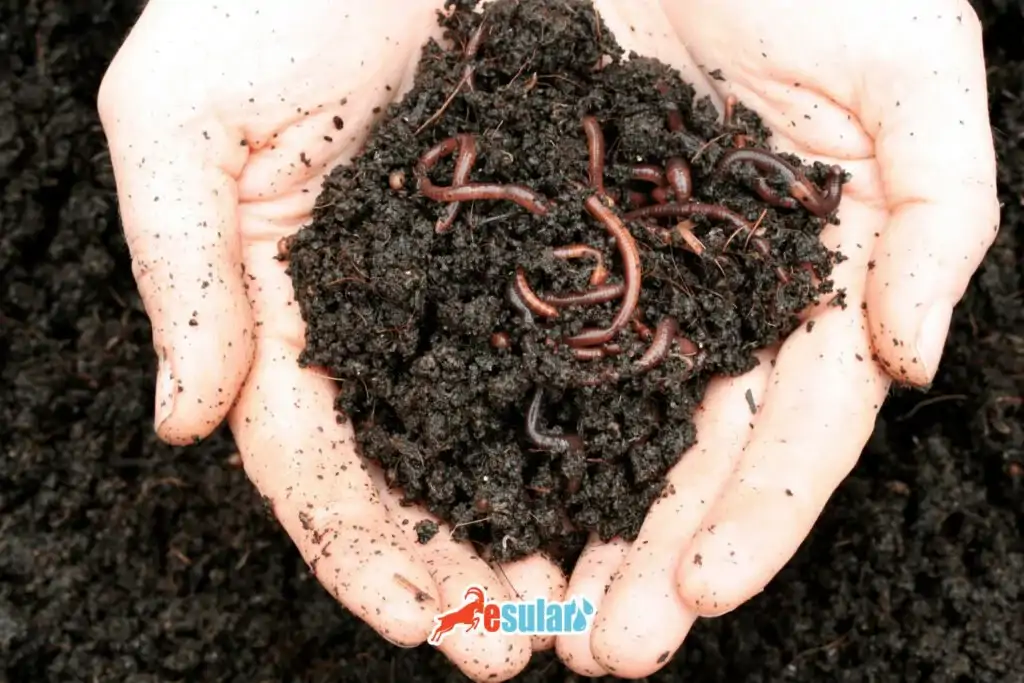
Worm compost is a method where special compost worms are used. Worms digest organic materials and produce a high-quality compost. This method is generally preferred in smaller-scale applications.
Factors to be considered during the composting process include carbon and nitrogen ratio, moisture level, regular mixing, and choosing a suitable location. By following these steps, you can produce your own compost at home or in the garden and transform your organic wastes into a valuable soil conditioner.
How Many Days Does It Take for Compost to Form?
The compost formation time varies depending on the composting method used and various factors. The formation time of cold compost generally varies between 6 months and 2 years. This period progresses at a speed similar to the decomposition process of compost in nature. In the cold compost method, after adding the materials and completing the pile, it is sufficient to leave the compost to itself.
In the hot compost method, the time can be shorter. By keeping the carbon and nitrogen balance in the pile at a correct level, with regular mixing, and by keeping it at the appropriate temperature, it is possible to speed up the formation time of the compost. In this method, it is possible for the compost to be completed in approximately 20 to 30 days.
In both cases, the composting process is a sustainable practice that contributes to the protection of nature and reduces the amount of waste. In this process, you can also reduce the amount of waste by choosing sustainable packaging and turn towards a lifestyle that causes less harm to nature.
What are the Agricultural Benefits of Compost?
The agricultural benefits of compost are quite diverse and significantly improve soil health. Here are some of the agricultural benefits of compost:
Increases Pore Volume in the Soil: Compost increases the pore volume of the soil, allowing roots to develop better. This supports plants in having a stronger root system.
Ensures Ventilation of the Ground: Compost contributes to better ventilation of the soil. Ventilated soil allows plant roots to take up oxygen more effectively.
Facilitates Soil Cultivation: Compost improves the structure of soils that are difficult to cultivate and makes cultivation easier. This feature can increase productivity in agricultural areas.
Increases Water Holding Capacity: Compost increases the water holding capacity of the soil. This helps plants meet their water needs during dry periods and prevents salinization.
Buffer Effect Against Mineral Fertilization: When high rates of mineral fertilization are applied, compost acts as a buffer in the soil. This can reduce the effects of over-fertilization and protects soil health.
Improves Nutrient Utilization of Plants: Compost ensures better nutrition of plants with the organic matter and nutrients it contains. This supports the healthy growth and development of plants.
Promotes Humus Production: Compost promotes humus formation in the soil. Humus improves the structure of the soil, increases water holding capacity, and promotes microbial activity.
Useful in Self-Sufficient Humus Production: Especially in gardens that do not produce self-sufficient humus, the use of compost plays an important role and can increase soil fertility.
All these factors show that the use of compost in agricultural areas positively affects soil health and plant growth.
What is the Difference Between Compost and Fertilizer?
Compost and fertilizer are products that serve different purposes in agricultural applications. Compost is a natural soil conditioner generally obtained as a result of the decomposition or decay of organic wastes. It is used for soil conditioning purposes such as improving the structure of the soil, increasing water holding capacity, and promoting the activity of microorganisms. Compost is used not to provide nutrients to plants, but to improve the overall health of the soil. On the other hand, fertilizer contains nutrients necessary for the growth and development of plants. Fertilizer enriched with basic elements such as nitrogen, phosphorus, and potassium provides nutrients to plants quickly and is used to increase crop yield. While the formation of compost usually involves a longer process, fertilizer shows its effect in a shorter time. Additionally, since compost is obtained from natural sources, it can eliminate the artificial taste problem in agricultural products, which contributes to sustainable agricultural practices.