What is Gid Disease in Sheep?
Gid (Coenurus cerebralis) is a parasitic infection seen in sheep and rarely in goats. The most common type of these parasites is called Coenurus Cerebralis. Gid disease, which also holds critical importance in terms of animal health, can affect many animal species, especially sheep. It can cause cyst formation in the internal organs of animals and even deaths. This situation can also lead to significant losses for animal breeders.
What Causes Gid Disease?
This parasite, called Coenurus cerebralis, is found in the intestines of carnivorous animals such as dogs, wolves, and foxes and is spread to the environment through their feces. When sheep graze, they become infected by eating grass and greens contaminated with this parasite. The larvae of the parasite start spreading through the sheep's body, beginning from the digestive system. Finally, they reach the nervous system and settle in the sheep's brain. It disrupts the normal functioning of the nervous system. This situation leads to behavioral problems, coordination disorders, and other nervous system problems in the sheep.
What are the Symptoms of Gid Disease in Sheep?
The symptoms observed in infected animals are as follows;
- Disruption of the balance center.
- Inability to follow the flock.
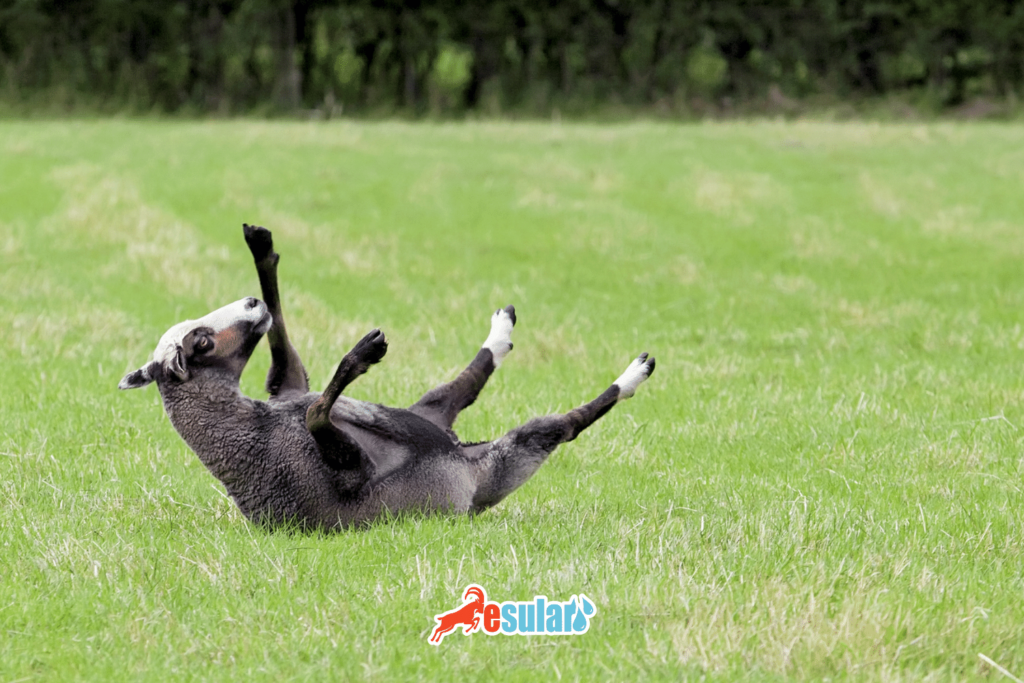
- Staggering and unbalanced movement of the animal while walking.
- Keeping its head constantly tilted to one side.
- Performing a circular motion around itself.
- Tendency to lean its head against something.
- Blindness and vision loss in advanced stages.
these are the most common and most distinct symptoms. besides these, symptoms such as salivation from the mouth, weakness, loss of appetite, and teeth grinding can also be commonly seen.
Is There a Treatment for Gid Disease?
There is not yet an effective treatment method for gid disease, which is especially seen in sheep and goats. For this reason, it usually causes the death of the animals. However, in rare cases, treatment attempts can be made in very valuable breeding stock. This is because the success rate of these treatments is quite low. Surgical intervention is a method used in the treatment of gid disease in sheep, but the success rates are quite low. Antiparasitic drugs are another method used in the treatment of gid disease. These drugs, used in high doses and for a certain period, can give positive results in some cases. However, this treatment method is not always effective either.
The treatment of the disease is generally difficult to implement because it is high-cost, challenging, and has a low success rate. Therefore, many sources state that there is no applicable treatment for this disease. However, the important thing is to focus on preventive measures to stop the disease from spreading and to minimize the occurrence of this parasite in animals.
What Measures Should Be Taken to Protect Against Gid Disease?
Various measures should be taken to prevent gid disease. Because in order to control this disease, which poses a risk in terms of animal health and human health, the following general measures should be taken and implemented:
- First of all, animal breeders and business owners must subject their animals to regular veterinary checks. In these checks, the health status of the animals should be monitored and early diagnosis of possible diseases should be ensured.
- Dogs should be passed through regular veterinary control, necessary vaccinations should be made, and anti-parasitic treatments should be applied before being brought near sheep and goat flocks.
- Sheep and goat breeders should destroy the head parts of the animals, especially the heads, in garbage dumps or other safe areas where they cannot reach other animals.
- Isolation of sick animals is important; animals that catch the disease should be kept away from other healthy animals to prevent the spread of the disease.
- Sheep and goat breeders should regularly review the general health of the animals and the areas where they are grazed, identify possible risks in advance, and take preventive measures.
These measures are important for the control of gid disease and the prevention of its spread.
Is Gid Disease in Sheep Transmitted to Humans?
This parasite, which is rare but can be transmitted to humans, has the ability to form cysts by settling especially in the brain and spinal cord region. This parasite, although rare, can lead to serious health problems. The cysts it forms in the regions where it settles can disrupt nerve functions by putting pressure on surrounding tissues. This situation can lead to headaches, coordination disorders, neurological symptoms, and other serious health problems in the individual. It has been recorded that it can cause consequences that can lead to the death of the parasite's host, namely the intermediate host human.
For this reason, paying attention to factors such as animal health, maintaining hygiene standards, and meat consumption plays an important role in reducing the risk of transmission of this and similar parasites to humans. If symptoms of the disease appear, it is important to apply to a health professional immediately.

Can the Meat of a Sheep with Gid Disease Be Eaten?
The larvae causing the disease usually settle in the brain of the living creature. For this reason, there is generally no harm seen in consuming other body parts except for the brain. But, the head of the diseased sheep must be destroyed. This process can be carried out using quicklime and disinfectants. The sheep's head should be buried in the ground after being disinfected with these materials.
But still, it is important to consult your veterinarian to give a definitive answer on whether the meat of the diseased sheep can be consumed. Especially in advanced level diseases, the consumption of meat may be objectionable. For this reason, you should consult your veterinarian and take appropriate measures.
Yorumlar