What is Mulching? How is it Done?
Mulching is the creation of a layer around plant roots by spreading organic or synthetic materials on top of the soil. It is a method frequently used in different regions of our country. It is more commonly applied in regions with favorable climatic conditions such as the Mediterranean Region (Antalya, Muğla), the Aegean Region (İzmir, Aydın), and the Southeastern Anatolia Region (Şanlıurfa, Gaziantep). While the hot climate of these regions increases the effectiveness of mulching, it is used as a preferred technique in plant growing processes in agricultural areas and gardens throughout Turkey.
Why is Mulching Done?
Mulching is an effective method especially widely preferred in agriculture and gardening that offers many advantages. One of its primary goals is to provide water savings in plant growing processes. The mulch layer spread on top of the soil prevents the evaporation of water, preserves the soil's moisture, and ensures that plants are irrigated more regularly. In this way, it ensures more effective use of water and reduces irrigation costs. Besides this; it has benefits in many areas such as water saving, soil protection, and plant health, which makes it a frequently preferred agricultural practice.
What are the Benefits of Mulching?
The widely known benefits of mulching can be listed as follows;
Moisture Protection: The mulch layer spread on top of the soil reduces water evaporation and protects the soil's moisture. This can create a more regular irrigation requirement for the plants.
Weed Control: Mulch prevents the growth of weeds by covering the soil surface. In this way, it reduces competition with plants and supports the healthy development of agricultural products.
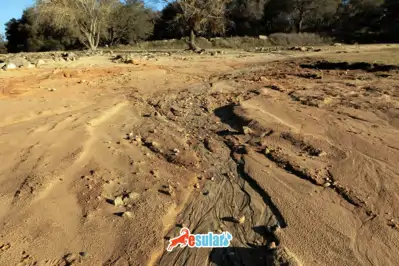
Protecting the Soil: It prevents erosion and prevents the soil from being transported by wind or water. This protects soil fertility and quality.
Nourishing the Soil: Organic mulches decompose over time, providing organic matter and nutrients to the soil. This helps plants grow in a healthier environment by increasing the nutrient value of the soil.
Supporting Plant Health: By protecting the root zones, it ensures that plants have a healthier growth environment.
How is Mulching Done?
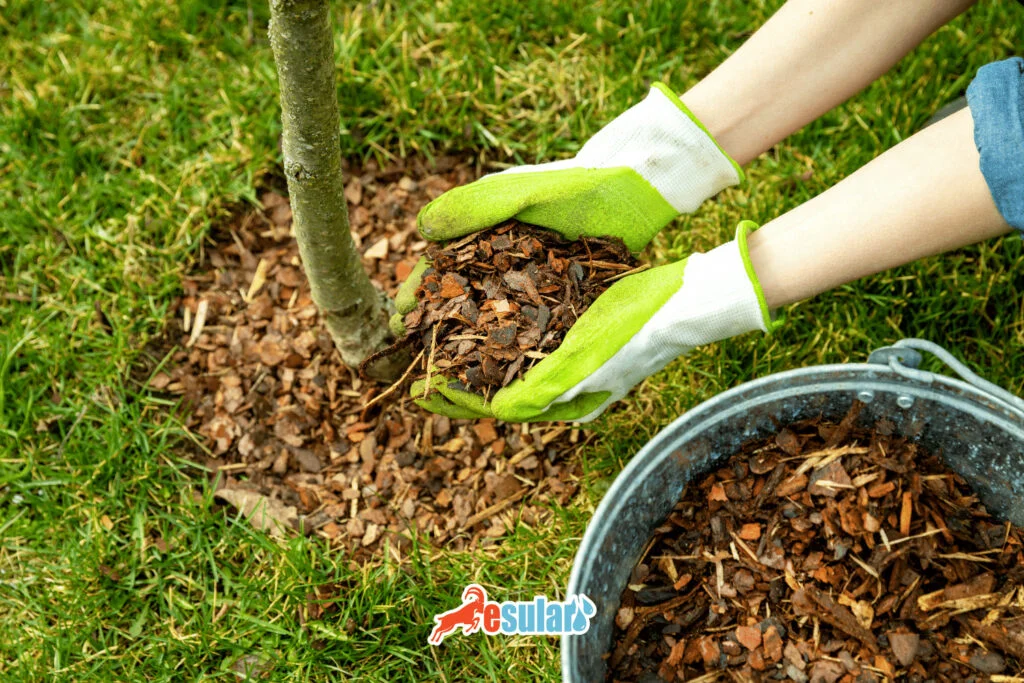
Mulch is an organic or synthetic layer spread on top of the soil and generally covers the root zones of plants. The application steps of this method are as follows;
Soil Preparation: The field or garden is leveled, weeds are cleared, and leveling is performed if necessary.
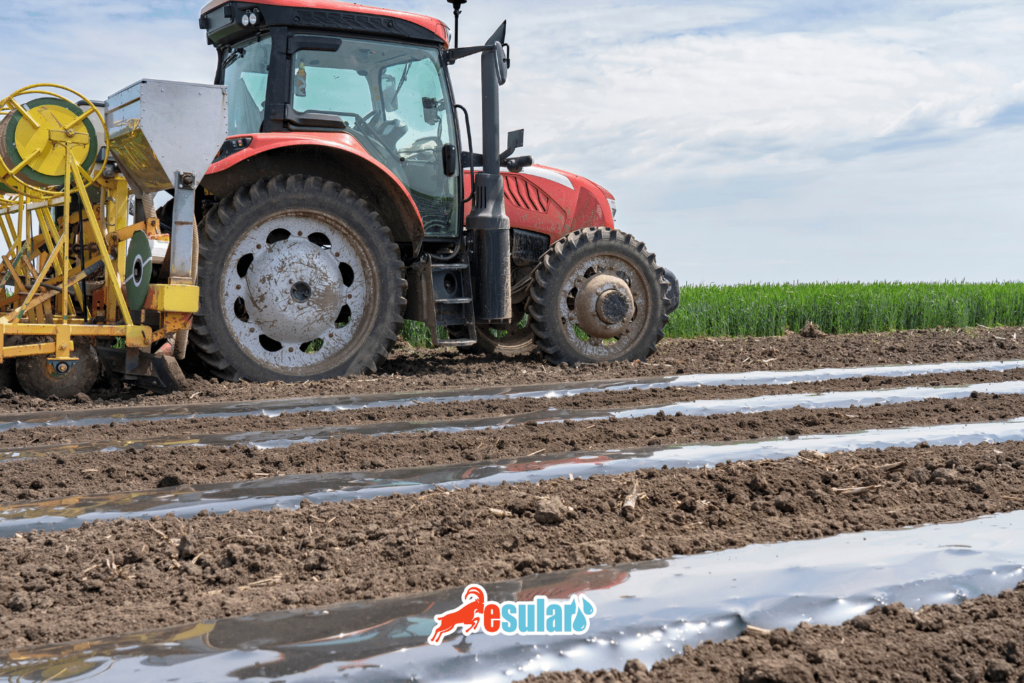
Mulch Material Selection: It is determined whether organic (straw, grass, leaves) or synthetic (black plastic film) mulches are suitable for your needs.
Application: The selected mulch material is spread on top of the soil and carefully distributed to avoid damaging the plant roots.
Layer Thickness Adjustment: Mulch is applied at a thickness of 5 to 10 cm, which can be adjusted according to the needs of the plants.
Maintenance: The mulch material is regularly checked and renewed or completed if necessary. These simple steps contribute to growing plants in a healthier and more productive environment.
What are Mulch Materials?
Materials used for mulching can vary for the layer spread on top of the soil during the plant growing process. These include:
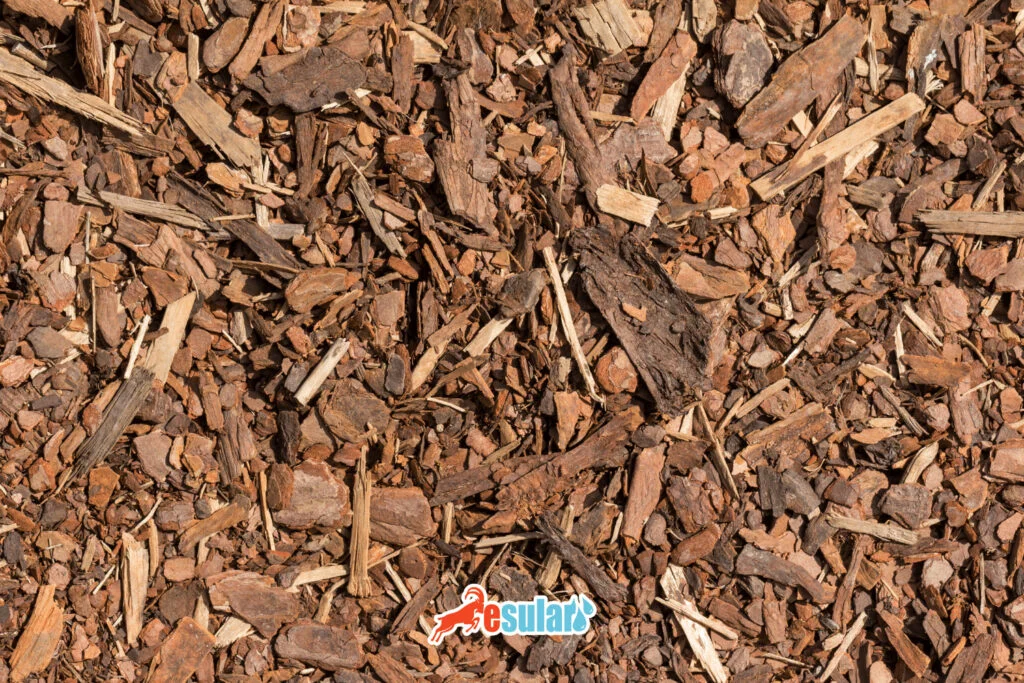
Organic Mulch: Natural materials such as straw, grass, leaves, sawdust, compost, and some ground cover plants for example clover, vetch, broad beans, etc. While these materials support the growth of plants, they contribute to the nourishment of the soil and prevent the soil from drying out with their moisture-retaining property.
Synthetic Mulch: Synthetic materials such as black plastic film, pumice, gravel stones, mulching paper, special mulching cloth. These materials may not be water-permeable, but they can better protect the root zones of plants and preserve the soil's moisture by reducing water evaporation.
Each mulch material offers different advantages and is preferred for different purposes in the plant growing process. Organic mulches generally improve the natural structure of the soil, while synthetic mulches may have a higher water retention capacity. These materials increase productivity by ensuring that plants grow in a healthy environment.
Which Plants is Mulching Done For?
Mulching is widely preferred in the cultivation of cultivated plants in agricultural lands where row planting is performed and which are suitable for mechanized agriculture. This method provides weed control and prevents soil erosion by covering row spaces or ridge tops. Among row-planted field crops, especially plants such as corn, cotton, beans, soy, and sunflower are grown with mulching. Additionally, covering the soil with cover crops in trees is a common application where mulching is prevalent. For example, forage crops such as clover and vetch can be planted for mulching in fruit trees. Mulching can also be done in citrus fruits (lemon, orange, mandarin, pomegranate, etc.), stone fruits (apricot, almond, olive), and berries. Other plants where mulching is applied in the garden include vegetables whose leaves or fruits are consumed, such as tomatoes, cabbage, okra, lettuce, peppers, and eggplants. Additionally, mulching is frequently used in plants such as cucumber, watermelon, strawberry, and melon. This method supports plant health, protects the soil, and increases yield.

Yorumlar