The letters NPK represent the three main nutrients that plants need to live and grow. These are nitrogen (N), phosphorus (P), and potassium (K).
Nitrogen (N): Nitrogen is of vital importance in plants. Our country's soils, which have a very low amount of organic matter, are also quite poor in terms of nitrogen. Nitrogen is part of the structure of many important organic compounds in the plant. Proteins, amino acids, nucleic acids, enzymes, chlorophyll, ATP, ADP are important organic compounds containing nitrogen. The effect of nitrogen on the synthesis of proteins and chlorophyll is quite large. It is the basic building block of the plant cell wall. It plays an important role in the respiration of roots, the timely occurrence of flowering, the formation and ripening of the fruit. Nitrogen is a mobile element in the soil. It moves downwards with irrigation water.
What happens in nitrogen deficiency?
Nitrogen is necessary for the formation of new cells in plants. In nitrogen deficiency;
Growth slows down in plants. Especially the vegetative development of the plant is negatively affected.
The leaf and stem system weakens, and their resistance to mechanical damage decreases.
Root development weakens and branching in roots decreases.
Flowering and fruit set rates decrease, fruits remain small.
The general appearance of the plants takes on a light green color instead of a dark and vibrant green.
The leaf area index drops and photosynthesis occurs less.
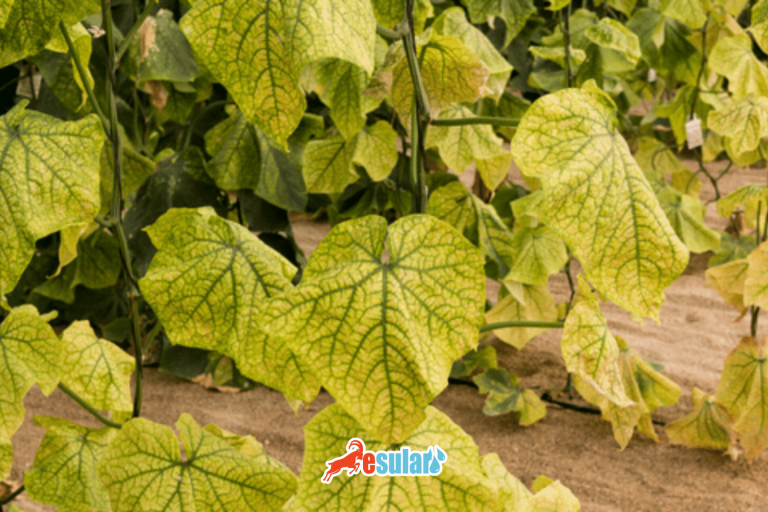
If the deficiency is at more advanced levels, chlorosis is observed in the leaves. Chlorosis is seen as a homogeneous yellowing of the leaf.
When nitrogen deficiency increases, the leaves turn yellow and the plant dies.
What happens in nitrogen excess?
It extends the vegetative growth period of the plant, delays flowering, and reduces sugar synthesis.
In nitrogen excess, the color of the plant's leaves takes on a dark green color.
Curling and spotting are observed on the leaves.
Because the water content of the leaves increases, the plant becomes sensitive to frost, disease factors, and insect damage.
Lodging is observed especially in cereals, and a decrease in yield and quality occurs in fruit and seed plants.
As a result of feeding with excessive ammonium nitrogen, transmission tissues are disrupted and accordingly, the plant's water uptake is prevented.
Fruit set weakens, especially in fruit trees.
Since carbohydrate synthesis is negatively affected, a regression in growth occurs. Accordingly, delays occur in harvest times.
Phosphorus (P): Phosphorus is a very important nutrient element for plants, usually found in the soil in the form of phosphate. A significant part of the world's soils is deficient in phosphorus, which causes a serious limitation in crop yield. Plants need phosphorus for the formation of ATP, sugars, and nucleic acids. ATP, which performs energy transfer in plants, is the most important of these compounds. It is necessary for the formation of DNA, which determines genetic characteristics in the plant. It accelerates the maturation of plants. It helps the uptake of potassium by plants. It increases the resistance of the plant against diseases and pests. It ensures the effective use of water by regulating the water uptake of plant roots. Phosphorus plays a role in regulating physiological reactions in plants and in increasing abiotic stress tolerance such as heat, salinity, drought, flooding, high CO2, and heavy metal toxicity.
What happens in phosphorus deficiency?
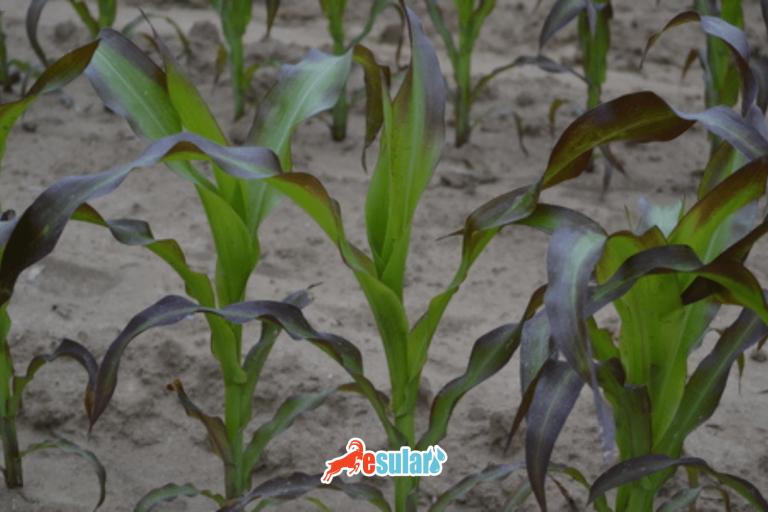
A dark green color prevails in the leaves. Leaf edges, veins, and stems show purple tones that can spread to the entire leaf blade.
Growth regresses in plants with phosphorus deficiency. Fruits are small and of poor quality.
Root development of the plants weakens.
The plant's resistance to frost events and diseases decreases.
What happens in phosphorus excess?
The effect of phosphorus excess on plants occurs mostly in an indirect way.
In case of excess phosphorus, deficiencies of micronutrients such as zinc and iron occur, while calcium, boron, copper, and manganese deficiencies may also occur.
Potassium (K): Potassium is the third important nutrient element that limits plant production after nitrogen and phosphorus. Potassium is a macronutrient element with metabolic, physiological, and biochemical functions that are of vital importance in plants. Potassium helps enzyme activity, photosynthesis, transport of plant nutrients and photosynthesis products, reduces water loss through transpiration, increases protein content, regulates turgor, and prevents water loss and related wilting in plants. While potassium positively affects root development and growth in plants, it prevents lodging in plants, increases resistance to cold, ensures early maturation, increases the effectiveness of nitrogen, and strengthens resistance against diseases and pests.
What Happens in Potassium Deficiency?
Regressions in growth occur.
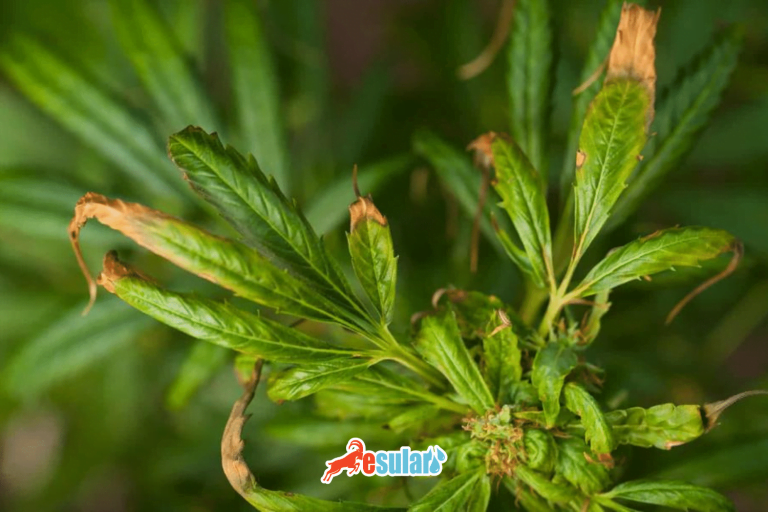
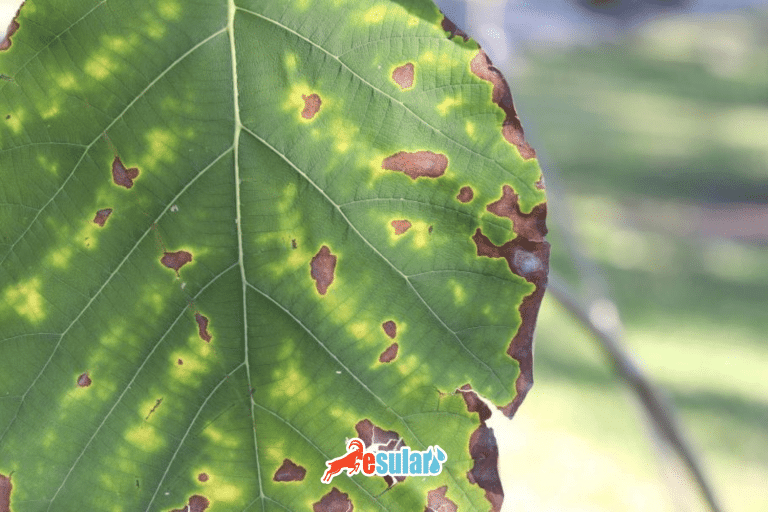
Deficiency symptoms in many plants (fruit trees, cereals, corn, etc.) first start with yellowing at the leaf edges, and later the yellow areas turn brown. If precautions are not taken, these parts dry up and fall off.
In some plants, potassium deficiency is seen as necrotic spots on the leaf.
The plant's resistance to drought and frost decreases.
Lodging occurs in cereals.
Resistance to salinity and disease factors decreases.
What Happens in Potassium Excess?
Potassium excess causes (Mg, Ca, B, Zn, Mn) deficiency.
Fruit quality decreases.
Bitter pit is seen in apples.
The shelf life of the product decreases.
What are NPK Fertilizer Types?
The presence of nitrogen, phosphorus, and potassium nutrients in different amounts within NPK fertilizer creates NPK fertilizer types. There are 4 NPK fertilizer types in total. These are; NPK 15–15–15, NPK 25-5–10, NPK 10–20–20, NPK 20–20–20. The first of the numbers written on the packaging or bags they are in indicates the ratio of nitrogen in the fertilizer, the second number indicates the phosphorus ratio, and the third number indicates the potassium ratio. For example, an NPK fertilizer with 10-20-20 written on it contains 10% nitrogen, 20% phosphorus, and 20% potassium.