Tüm Yazılar

What is Phosphorous Fertilizer?

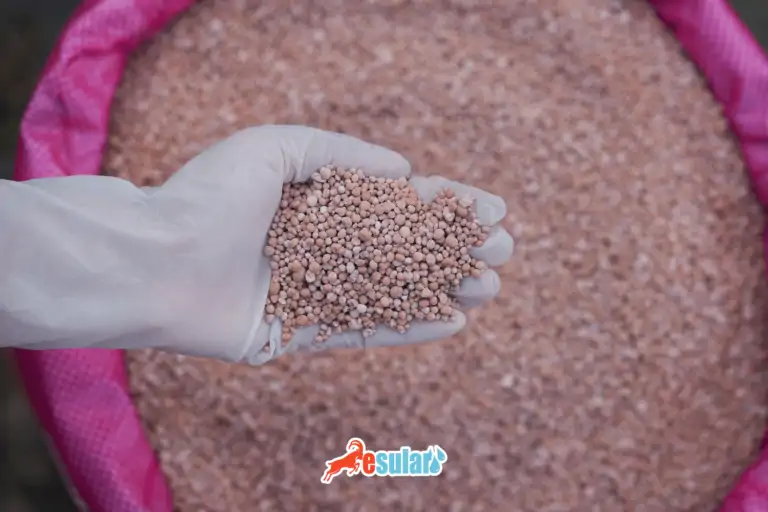
Phosphorous fertilizer is a type of fertilizer that provides phosphorus for plants to grow, develop, and yield products healthily. Also known among the public as “base fertilizer,” phosphorous fertilizers are generally used to increase the soil's natural phosphorus content or to address deficiencies. These fertilizers contain chemically processed phosphorus compounds. Phosphates are the primary components of phosphorous fertilizers. Phosphorus is taken up directly from the soil by plants, so sufficient phosphorus content is required for fertile soil.

What Does Phosphorous Fertilizer Do?

Phosphorus is an essential nutrient for plants and plays a role in many important processes such as root development, seed formation, and energy transfer. Therefore, phosphorus is vital for the healthy growth and efficient yielding of plants. At the same time, it is effective in the processes of flowering and fruit formation, supporting the reproductive capacity and seed formation of plants. Phosphorus plays an important role in the energy transfer of plants and provides the energy required for cellular functions. Additionally, it takes part in biochemical reactions such as protein synthesis by regulating plant metabolism. Phosphorous fertilizers increase the phosphorus levels in the soil, providing plants with better access to this critical element.

What are the Types of Phosphorous Fertilizer?

Phosphorous fertilizers are generally diversified based on different phosphorus compounds. Some common types of phosphorous fertilizers can be listed as follows;

  1. Super Phosphate: Super phosphate is a concentrated type of phosphorous fertilizer. It is generally called calcium superphosphate or single superphosphate. It is obtained by treating various phosphorus compounds with acid. It increases soil fertility by ensuring that plants take up phosphorus quickly.

  2. Triple Super Phosphate: This fertilizer is a type of phosphorous fertilizer containing calcium, phosphorus, and sulfur. It meets the long-term phosphorus needs of plants and simultaneously increases soil fertility with its sulfur content.

  3. Monoammonium Phosphate (MAP): This fertilizer is obtained from the reaction of ammonium nitrate and phosphoric acid. It provides the nutrients needed by plants with both nitrogen and phosphorus content.

  4. Diammonium Phosphate (DAP): Produced by the reaction of ammonia and phosphoric acid. It contains 18% nitrogen (N) and 46% phosphorus (P2O5).

  5. Local Phosphorous Fertilizer Mixtures: There are different phosphorous fertilizer mixtures that vary from region to region. These mixtures are customized according to local soil conditions and plant needs.

These phosphorous fertilizer types are used to meet the phosphorus needs of plants and increase soil fertility. Fertilizer selection is made depending on the plant species, soil characteristics, and growth stage. Each type of phosphorous fertilizer has different phosphorus contents and areas of use.

phosphorous fertilizer types

Which Fertilizer Has the Most Phosphorus?

The fertilizer with the highest phosphorus ratio is generally known as DAP (Diammonium Phosphate). This fertilizer usually has a content of 18% nitrogen, 46% phosphorus, and 0% potassium. Due to its high phosphorus content, DAP is a preferred type of fertilizer to meet this important nutrient requirement of plants.

What are the Symptoms of Phosphorus Deficiency in Plants?

Phosphorus deficiency in plants can cause various symptoms. These include:

  1. Slow or Weak Growth: Phosphorus plays an important role in cell division and energy transfer in plants. In case of deficiency, the growth and development of plants slow down.

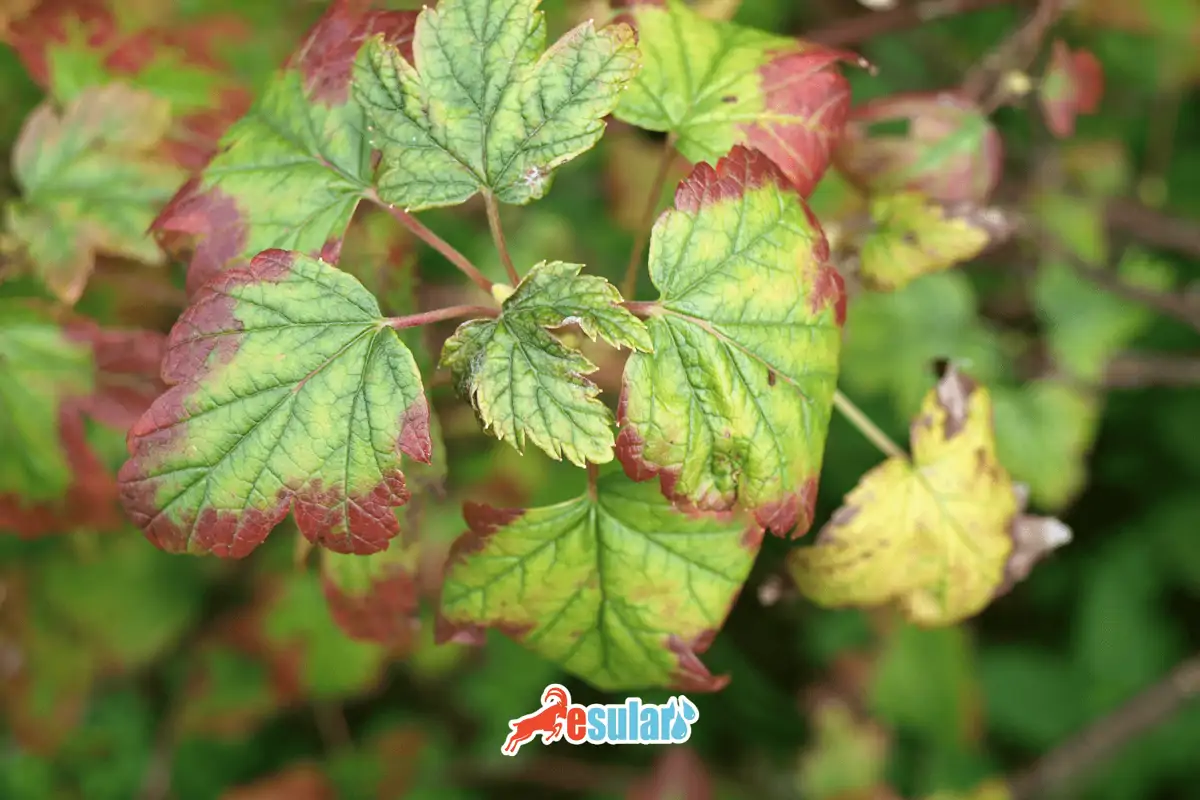
  2. Purpling: Purplish discoloration can be seen especially on leaf edges or veins.

  3. Color Changes in Leaves: Leaves may take on a darker green than normal or sometimes a reddish color.

  4. Spotting on Leaves: Yellow, brown, or purple spots may appear on leaves.

  5. Leaf Drop: Phosphorus deficiency can cause leaves to fall, especially affecting lower leaves.

  6. Reduction in Flowering and Fruit Formation: Phosphorus is necessary for flowering and fruit formation in plants. In case of deficiency, these processes can be affected and reduced.

  7. Problems in Root Development: Phosphorus deficiency can lead to development problems in roots, which can affect the plant's nutrient uptake.

If these symptoms are seen in your plants, it may be due to phosphorus deficiency. To solve this problem, it may be useful to use appropriate phosphorus-containing fertilizers.

phosphorus deficiency in plants

When Should Phosphorous Fertilizers Be Used?, How are Phosphorous Fertilizers Applied?

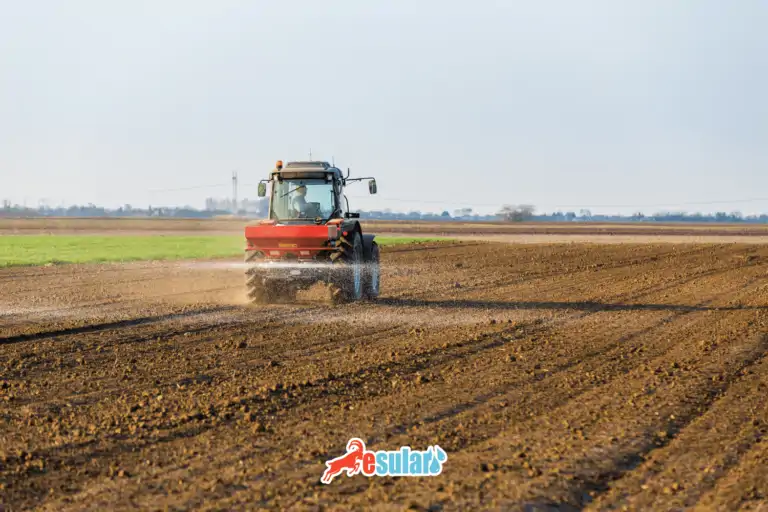
Phosphorous fertilizers should be placed in the soil at a depth where plant roots can access them immediately. At the moment of sowing or planting, they should be applied by burying them at the same depth as the seeds or slightly deeper. This ensures they are accessible to the plant's roots and allows the fertilizer to benefit the plant in the best possible way.

In case of early application, phosphorous fertilizers can transform over time into a form that cannot be used by the plant and may lose their effect. Late application, on the other hand, can cause the fertilizer to remain on the soil surface and not be fully absorbed by the plant. Therefore, placing the fertilizer directly into the soil at the time of sowing or planting and burying it at a depth compatible with the seeds ensures the use of phosphorous fertilizer at the most appropriate time and in the most appropriate way for the plant's development.

fertilizer use

Yorumlar

Daha Fazla İçerik İster misiniz?

Akıllı tarım hakkında en güncel içerikleri takip edin.