Tüm Yazılar

What is the Plymouth Rock Chicken?

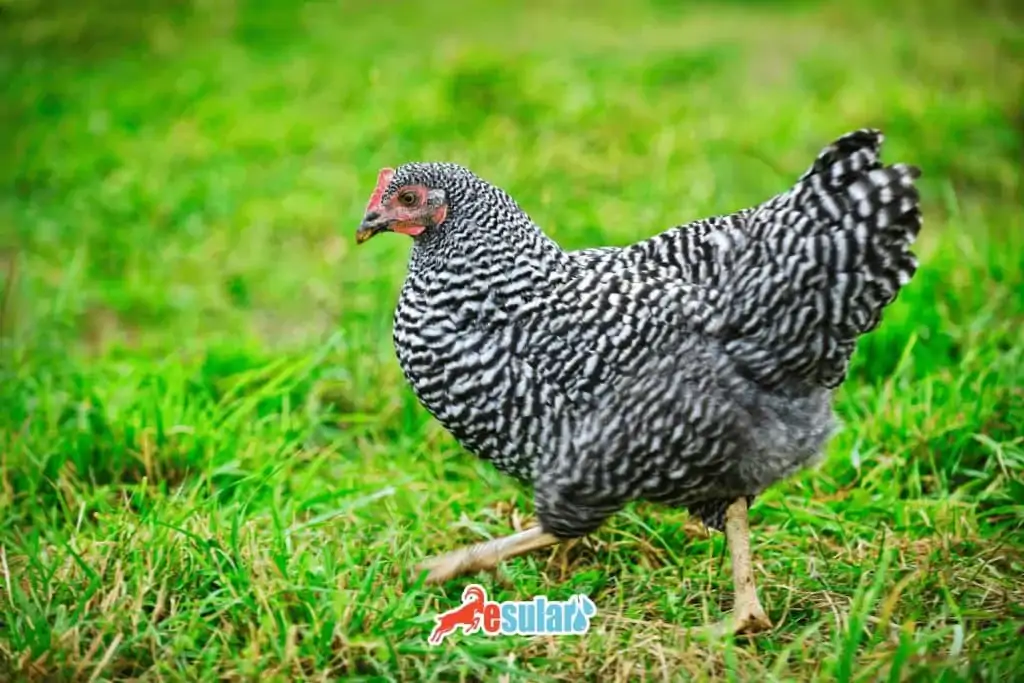
The Plymouth chicken is also known as “Plymouth Rock” because it was developed in the city of Plymouth, USA. This chicken breed was created in the late 19th century in America by crossbreeding various local chicken breeds. Later, in 1874, it was officially recognized with standards set by the American Poultry Association. Therefore, Plymouth chickens gained popularity by spreading across America from this period onwards. Plymouth chickens are a versatile breed known for their high productivity in both meat and egg production. Since they have a docile and calm nature, they generally do not cause problems among poultry and adapt easily. Therefore, they are a breed found in most breeders' coops due to both their adaptation abilities and their meat and egg yields.

What are the Characteristics of the Plymouth Rock Chicken?

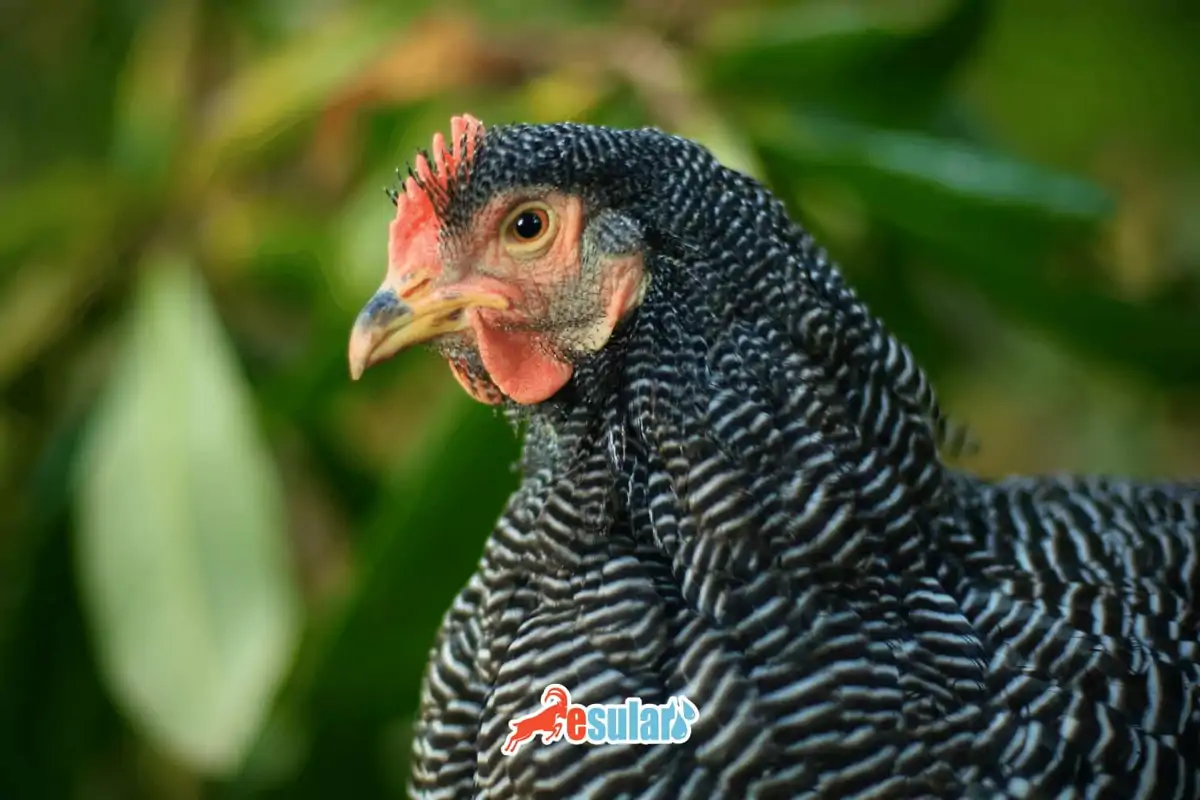
It is a breed of American origin and is a dual-purpose chicken type used for both meat and egg production. These chickens are known for their resilient structures against environmental factors and attract attention with 7 different color varieties. The most well-known are the barred and white varieties. On average, their usability as both meat and egg chickens makes them versatile. White Plymouth roosters have a live weight of around 4-4.5 kg, and hens 3.0-3.5 kg; barred Plymouth roosters have a live weight of around 3.5-4.0 kg, and hens 2.5-3.0 kg. Along with having a docile nature, they can quickly adapt to the coop and environmental changes. Plymouth chickens are a breed known for their resilient structure, high productivity, and various areas of use. However, they also have some disadvantages, such as high feed consumption. Therefore, it can be said that the Plymouth chicken breed is more inclined to be used as a meat chicken.

pleymut-tavuk-yumurtasi

How Many Eggs Does a Plymouth Rock Chicken Lay per Year?

Plymouth chickens that have completed 1 year of age and have no health problems can produce an average of between 215-245 eggs annually. However, this yield may vary depending on the care conditions, nutritional conditions, and general health status of the chickens. Under optimal conditions, Plymouth chickens are a dual-purpose breed with high egg yield.

How Much Feed Does a Plymouth Rock Chicken Eat?

These chickens consume an average of around 110-130 grams of feed per day. However, this amount may vary according to the age, size, activity level, and environmental conditions of the chickens. With careful observation and an appropriate diet program regarding nutrition and feed consumption, it can be ensured that the chickens grow healthily and are productive.

Points to Consider in Plymouth Rock Chicken Care

The Plymouth breed is known as an old and hardy chicken breed. Thanks to the natural adaptation ability of this breed, it can easily adapt to various climates and environmental conditions. Due to this feature, no special and extra care requirements are needed for Plymouth chickens. Basic chicken care is generally sufficient for this breed. However, Plymouth roosters have large combs. These combs can carry a risk of frost, especially in winter months. In cold and freezing weather conditions, there is a simple solution to prevent the risk of freezing that may occur on the rooster's comb. A layer of petroleum jelly applied to the comb helps protect the comb. This simple measure can help roosters spend the winter more comfortably and healthily.

pleymut-tavuk

Disadvantages of Plymouth Rock Chickens

Plymouth chickens are generally known for having a resilient and flexible structure. However, there are also some disadvantages of this breed that should be considered. Especially, Plymouth chickens may consume a higher amount of feed compared to other breeds. This can increase feeding costs and may require special attention to nutritional management. Additionally, the large combs found in roosters carry a risk of freezing in winter months, so the use of protective substances like petroleum jelly for the comb is recommended in cold weather. Regarding egg yield, they may not be as high as some breeds, and this may vary depending on breeding conditions. Furthermore, Plymouth chickens are generally known for having a docile nature, which can make them more vulnerable to predators. Finally, because they do not immediately get used to new environments or care methods, their adaptation processes may be a bit challenging initially.

Yorumlar

Daha Fazla İçerik İster misiniz?

Akıllı tarım hakkında en güncel içerikleri takip edin.