It is very important to know Wheat Diseases and to combat them. Because Wheat ranks first in the world in terms of planting and production among the cultivated plants used in human nutrition. At the same time, it is used in many food and industrial sectors, especially bakery products. Below, we have mentioned the most important Wheat diseases to you.
Wheat Powdery Mildew
Symptoms
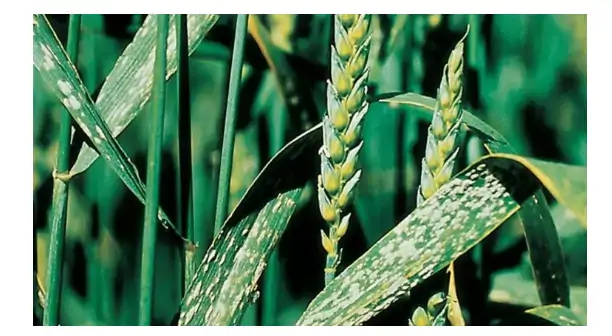
Cottony, white-gray growth patches are seen on the upper surface of the leaves, which turn gray-brown. Chlorotic patches develop on the leaves opposite the fungal growth. The fungus often becomes visible as black dots on the mold on the stems.
Agent
Fungus
Disease Development Conditions
The occurrence of the disease favors heavy nitrogen fertilization. It prefers relatively cool and humid environmental conditions to develop.
Control Method
Planting resistant wheat varieties is one of the best ways to protect plants against powdery mildew. At the same time, the application of appropriate leaf fungicides and the removal of crop residues from the field after harvest to reduce the level of overwintering fungus are also control methods.
Wheat Tan Spot Disease
Symptoms
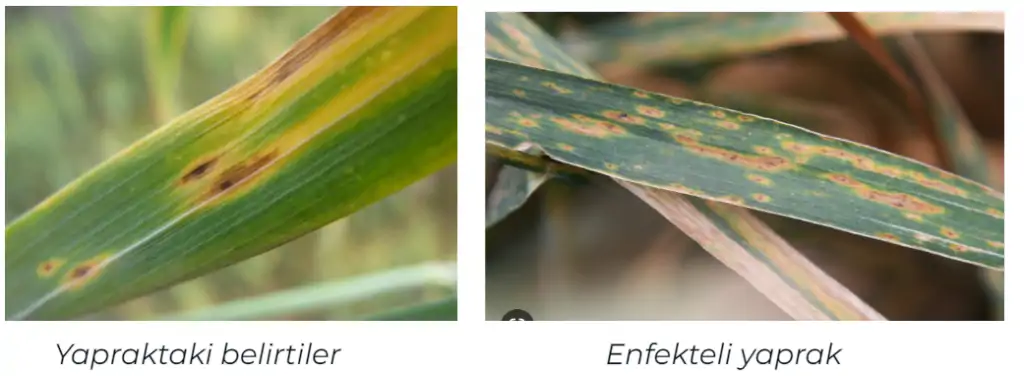
This disease affects the leaves as well as the spikes and grains. In all symptom cases, brown spots first form. In necrosis, it is observed that brown spots grow and expand. Lens or diamond-shaped lesions form. These lesions are bordered by yellow halos. In chlorosis, yellow areas develop that rapidly surround the lesions on the leaf blade and grow.
Agent
Fungus
Disease Development Conditions
The disease develops very rapidly in foggy, rainy weather and above 10°C. Frequent rains during the growing season promote disease as much as they promote plant growth. New spore release occurs in every humid period, and lesions expand.
Control Method
The disease can be significantly reduced by rotating crops with non-hosts after harvest and by plowing crop residues into the soil. Resistant varieties should be preferred.
Head Blight in Wheat
Symptoms
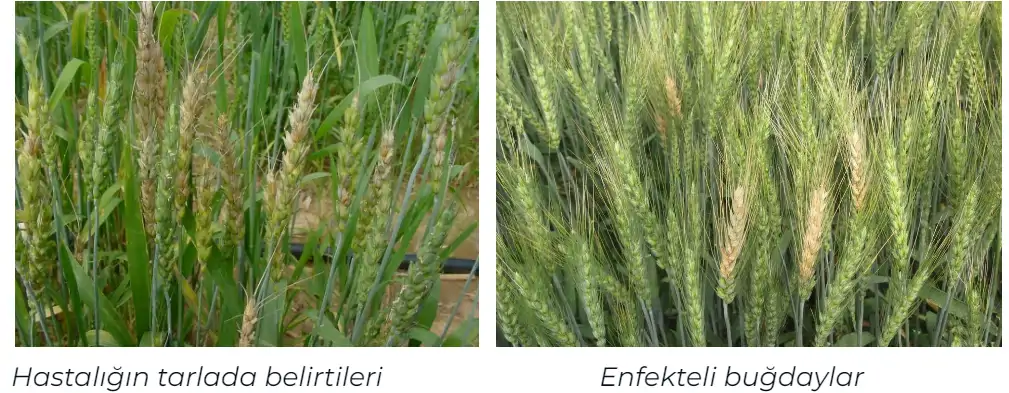
The disease can be recognized by the whitening or premature ripening of one or more spikelets of the wheat. Grains in severely infected spikes take on a grayish-white, pinkish, or reddish color. They are mostly badly shriveled and twisted, and the seed coat has become noticeably hardened and flaky.
Agent
Fungus
Disease Development Conditions
The fungus survives between seasons on host plant residues. It can survive on host residues for several years; warm, humid conditions promote the spread of the disease when present.
Control Method
Combating this disease is difficult because the agent is both host and soil-borne. Resistant varieties must be preferred. Good soil tillage should be applied. Plant residues in the soil should be eliminated before planting. Excessive nitrogen fertilization should be avoided. In areas where the disease is intensely seen, a 2-3 year crop rotation should be applied.
Rust Diseases in Wheat
Symptoms
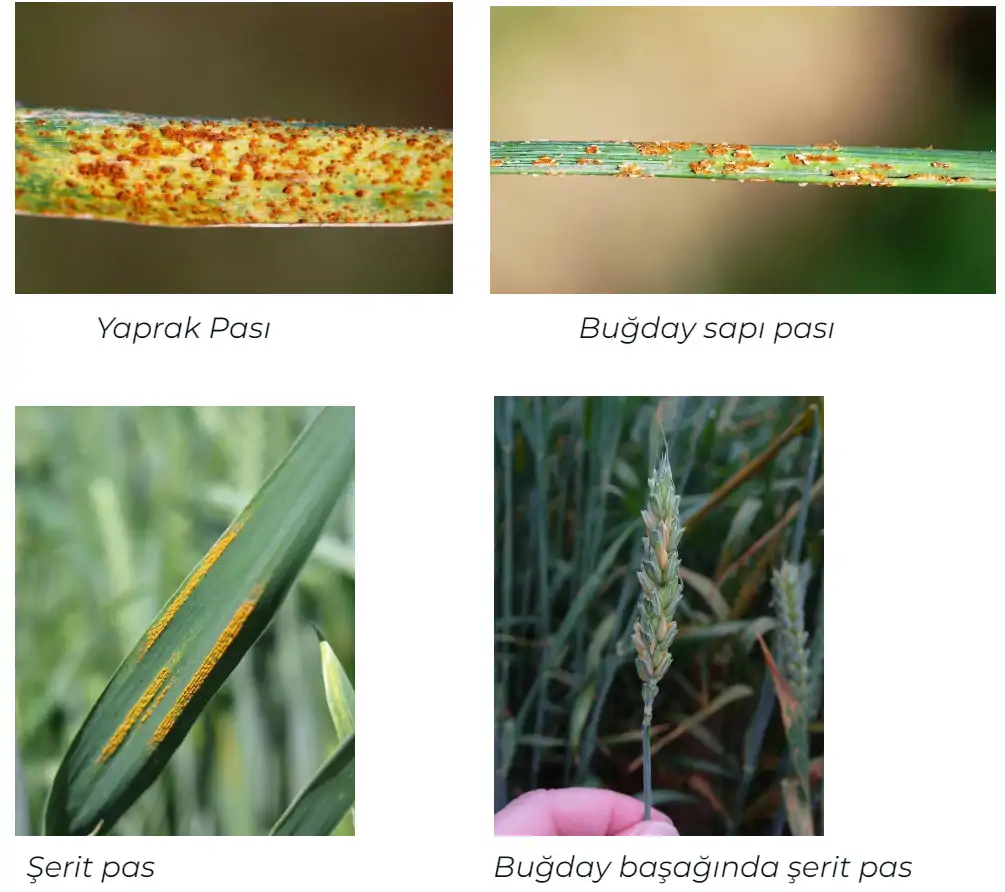
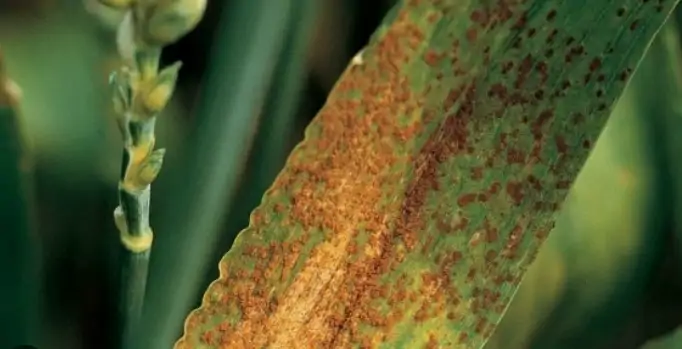
Chlorotic spots or brown necrotic spots on the leaves or stems are among its most typical symptoms. Yellow stripes or patches are seen on the leaves. Brown necrotic stripes on the foliage and raised orange pustules in the lesions may be present.
Agent
Fungus
Disease Development Conditions
The occurrence of the disease favors cool and wet conditions.
Control Method
The most effective method in combating rust is to plant resistant wheat varieties. At the same time, applications of suitable protective fungicides should also be made. Early maturing wheat varieties should be grown.
Leaf Streak Disease in Wheat
Symptoms
Disease symptoms typically manifest as brown-black streaks or spots on the leaves and glumes. In humid weather, abundant bacterial discharge is seen in the form of droplets on the diseased tissues.
Agent
Bacteria
Disease Development Conditions
The disease is spread through infected seeds and splashing water.
Control Method
The use of varieties resistant to the disease can reduce the disease. The correct choice of irrigation method is very important for this disease. Overhead irrigation methods should not be used.
Ergot
Symptoms
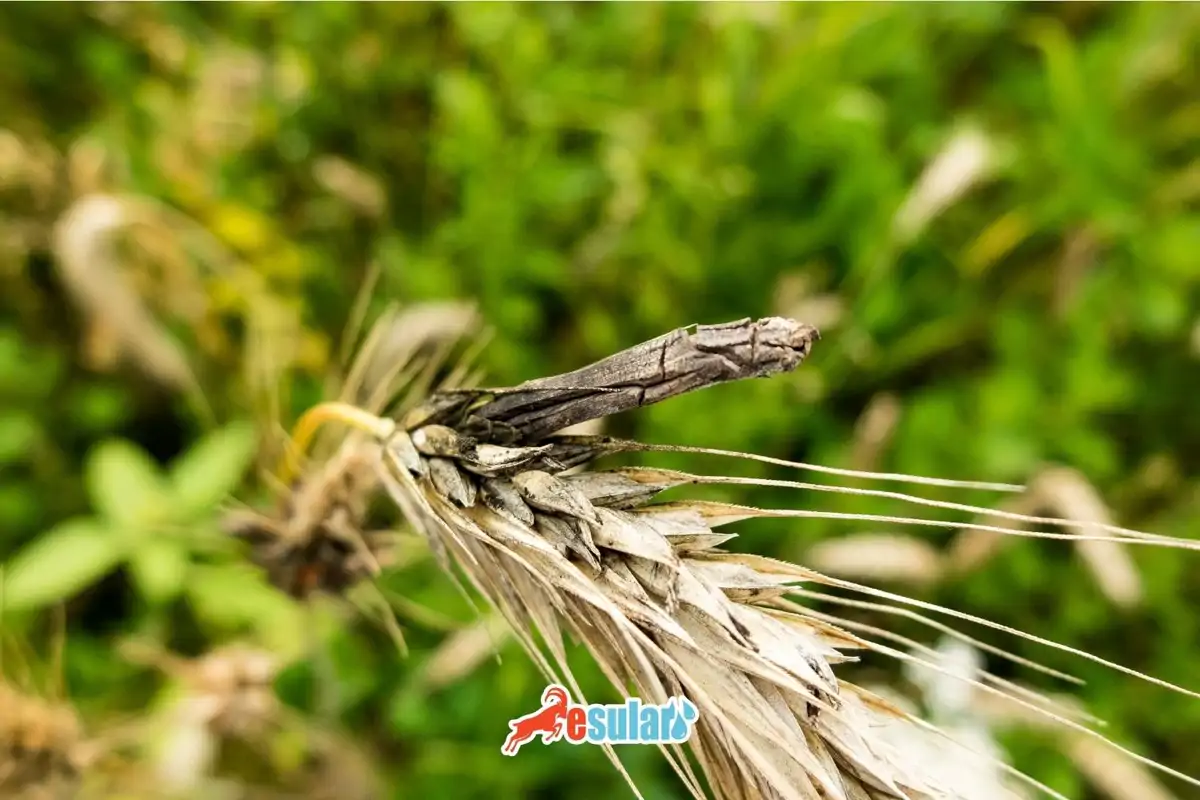
Initially, sticky droplets in cream-golden yellow color leak from the flowers in diseased spikes. This leakage, which is not very noticeable at first, is soon replaced by hard, purple-black colored masses in the appearance of horns or spurs, replacing these whitish-colored mycelia.
Agent
Fungus
Disease Development Conditions
It spends the winter in the soil or mixed with seeds.
Control Method
Clean seeds must be used. Deep plowing should be done in summer. Weed cleaning should be done at the field edges.