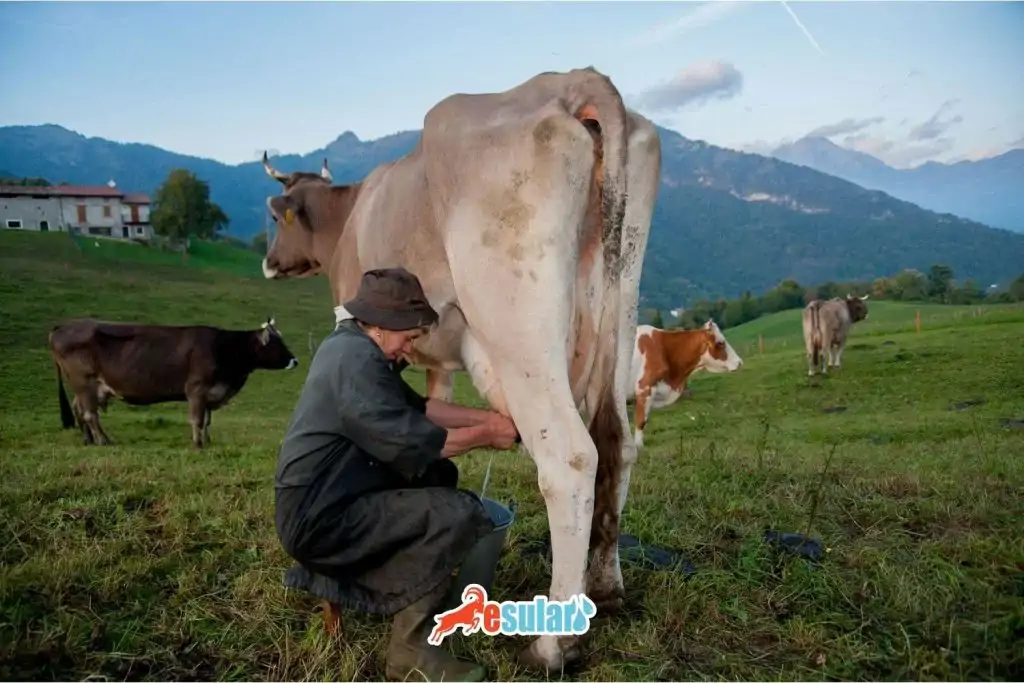
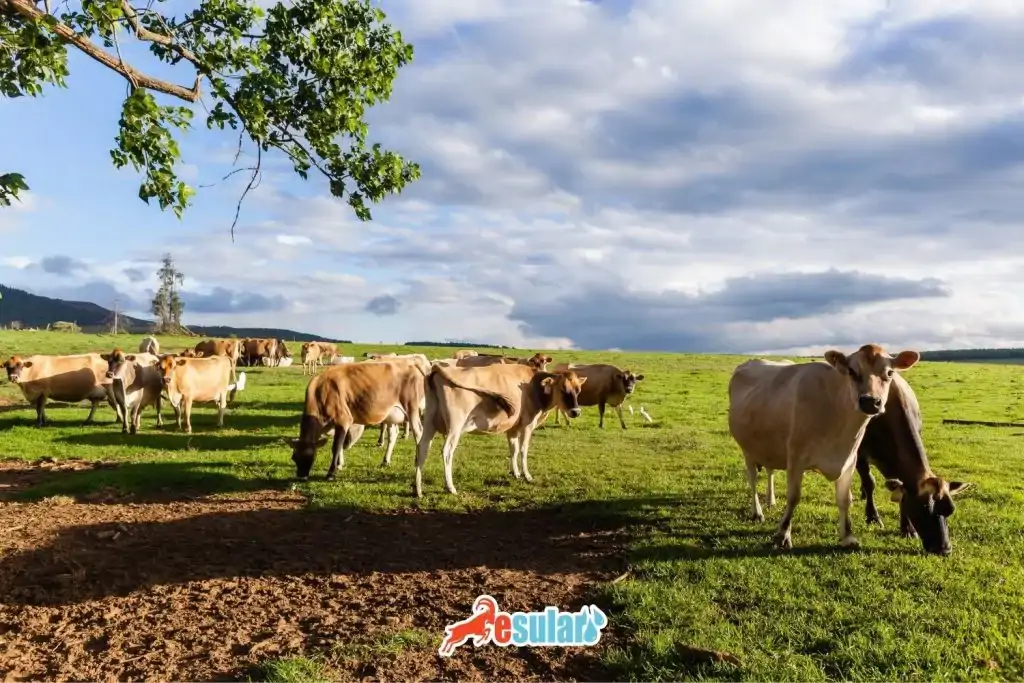
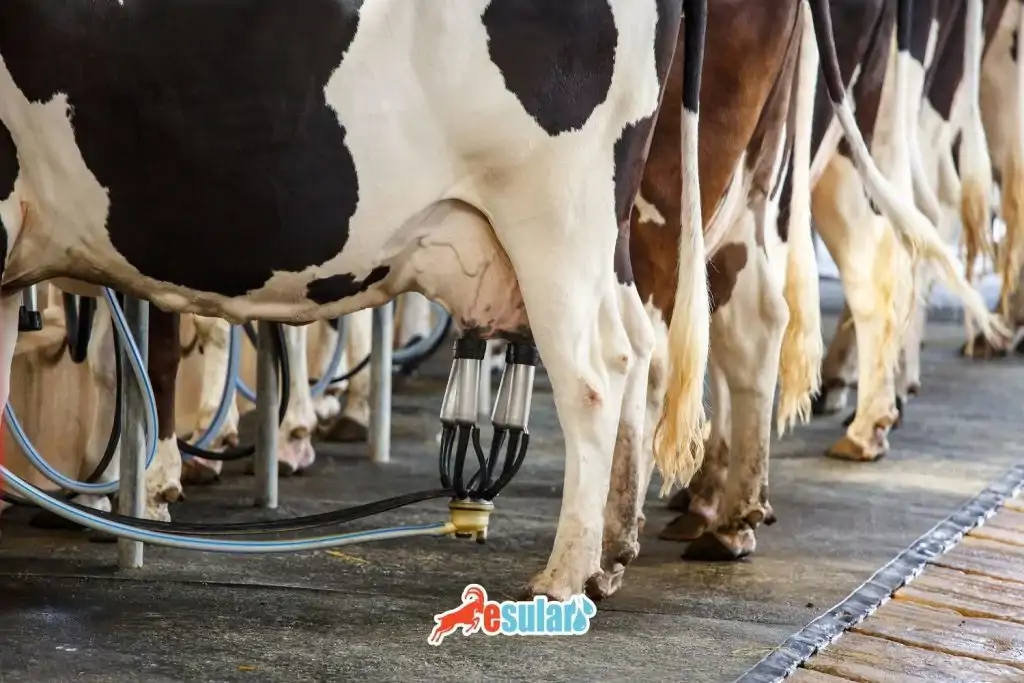
High milk-yielding cow breeds are breeds preferred for milk production worldwide and exhibit superior performance in this field. These breeds generally stand out in terms of milk yield, quality, and efficiency as a result of special selection and breed improvement studies. Common foreign breeds such as Holstein, Jersey, Ayrshire, and Guernsey are known for having the highest milk yield worldwide. Holstein is especially known for its large milk yield, durability, and general health status, while Jersey stands out with its high milk fat and protein content despite its smaller size. Ayrshire and Guernsey are among the breeds preferred especially for milk quality and efficiency. In addition to these breeds, native breeds also play an important role with their power of adaptation, suitability for local conditions, and milk yield in certain regions. In Turkey, native cow breeds such as Kıvırcık, Anatolian Red, and Karayaka are known as breeds that provide milk yield by adapting to local breeding conditions.
Which Native Dairy Cows Are Raised in Turkey?
Some native dairy cows raised in Turkey are as follows:
Native Black Cow: It is a species commonly found throughout Turkey. Average daily milk yield can vary between 10-12 kg. These cows are generally durable and easy to care for.
Eastern Anatolian Red: These cows, raised in the Eastern Anatolia Region, are resistant to cold climates. Average daily milk yield is around 12-14 kg. Lactation period: 205 days and milk fat is around 3.45%.
Southern Yellow-Red: These cows, raised in our southern regions, develop more compatibly with hot climates. Daily milk yield generally varies between 8-10 kg. Lactation period: 158 – 235 days and milk fat is between 3% – 4.1%.
Grey Cow: Commonly found in the Black Sea Region. Average daily milk yield is around 10-12 kg. Lactation period is 220 days and milk fat rate is 3.93%
Zavot: It is a species raised in the Aegean Region. Daily milk yield can generally vary between 8-10 kg. Lactation period: 275-300 days and milk fat rate: between 3.5-4.5%.
The milk yields of these cows may vary depending on the region where they are raised, feeding conditions, and local factors.
Which Foreign Dairy Cows Are Raised in Turkey?
Some foreign dairy cows raised in Turkey are as follows:
Holstein-Friesian: Holstein is among the most common dairy cattle worldwide. It has high milk yield, generally with milk fat content ranging between 3.5% and 4.0%. Lactation period is around 305 days, and daily milk yield is on average between 25-30 kg.
Jersey: Jersey cows are small-sized and known for their high milk fat content (between 4.5% and 5.5%). Daily milk yield is between 15-20 kg.
Ayrshire: Ayrshire cows are medium-sized dairy cattle. They generally have a milk fat content between 3.8% and 4.2%. Daily milk yield is between 15-20 kg.
Guernsey: Guernsey cows are small-sized similar to Jersey and generally have a milk fat content between 4.5% and 5.0%. Their milk is known as nutritious and high quality. Daily milk yield is between 20-25 kg.
Simmental: Simmental cows are large-structured and strong dairy cattle. Milk fat content generally varies between 3.5% and 4.0% and they have a daily milk yield of 25-30 kg.
The breeding of these cattle in Turkey is important in terms of adaptation to local conditions and milk efficiency. The characteristics of each, milk yield, lactation period, and milk fat content may vary depending on breeding methods and feeding conditions.
How Should Dairy Cows Be Fed?
Healthy feeding of dairy cows is a very important factor for high-quality milk production. The daily feeding program should be balanced to meet the energy, protein, vitamin, and mineral needs of the cows. For this purpose, commercial feeds are used as well as feeds such as alfalfa, corn silage, and straw. Providing clean and plenty of water for cows is vital for increasing digestive health and milk yield. Mineral supplements, especially the regular provision of minerals such as calcium, phosphorus, and sodium, are necessary for bone health and general body functions. Furthermore, the sustainability of milk production is ensured with correct protein sources. Feeding programs should be adjusted according to the age of the cows, milk yield, and seasonal changes. This approach supports dairy cows in staying healthy and producing milk efficiently, while also providing economic advantages to farmers.