Tüm Yazılar
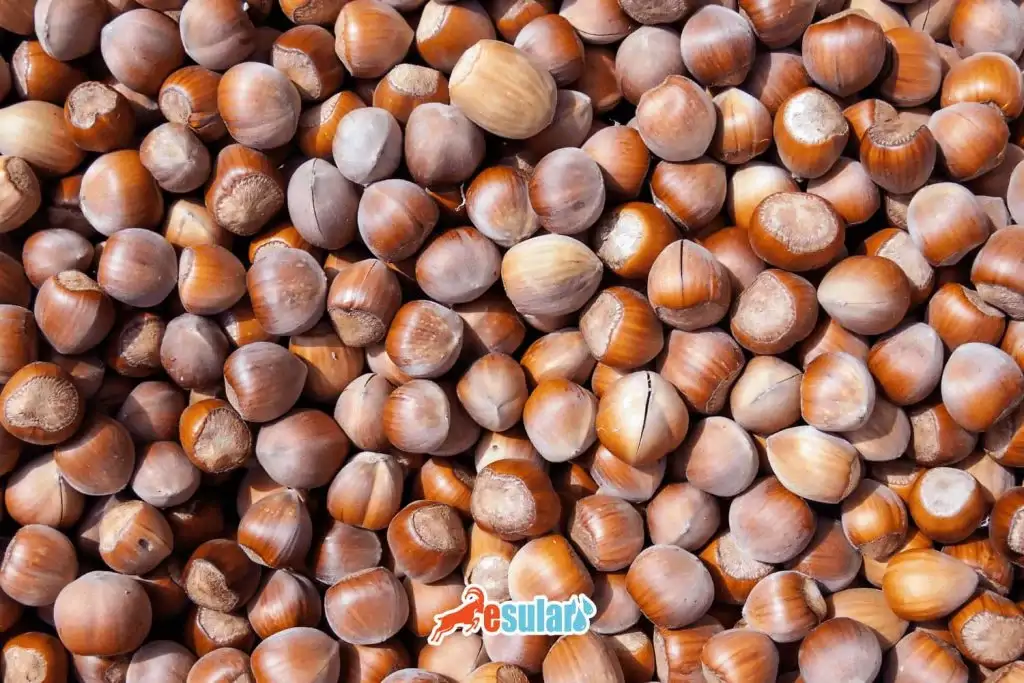
How is Hazelnut Cultivation Done?
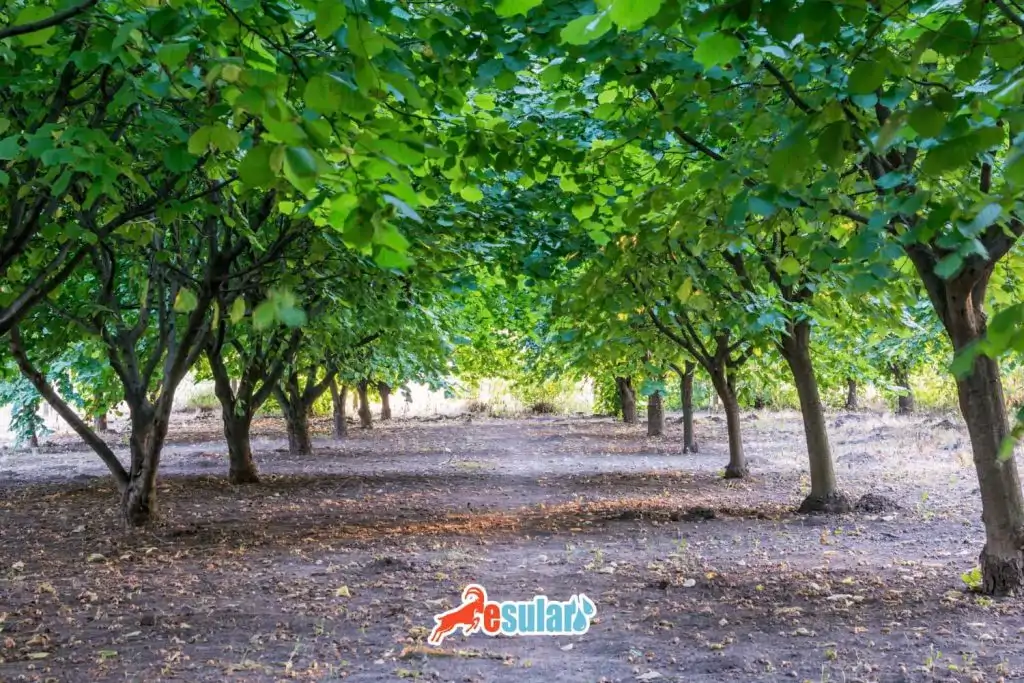
Hazelnut cultivation has a great value for Turkey in economic, social, and cultural terms. Especially the humid climate and fertile soils of the Black Sea Region provide an ideal environment for hazelnut cultivation. Turkey is a global leader in this field, meeting approximately 70% of the world's hazelnut production. Hazelnut production in Turkey takes place on an area of approximately 744 thousand hectares. This production is generally concentrated in the Eastern Black Sea Region. Turkey's annual hazelnut production varies between 400 thousand and 800 thousand tons. Other important producers in hazelnut production worldwide, besides Turkey, include countries such as Italy, the USA, Azerbaijan, Georgia, and Chile. However, Turkey's quality hazelnut production and export capacity have made it the most important actor in this field.
A large part of Turkey's hazelnut exports is made to EU countries, primarily Germany, Italy, France, Canada, and Switzerland. Turkish hazelnut has become a brand recognized in the international market for its quality and flavor. Hazelnut cultivation provides not only economic but also ecological and social benefits. Hazelnut trees contribute to the protection of soils by preventing soil erosion.
What are the Hazelnut Varieties?
There are many different varieties for hazelnut cultivation. Some of the hazelnut varieties grown in Turkey and the world are as follows:
TOMBUL: It is one of the most widely grown hazelnut varieties in Turkey. It is high-yielding and high-quality.
PALAZ: This variety, which has medium-sized fruits, ripens later than Tombul.
CAKILDAK: Cakildak, which has large fruits, pollinates well with varieties such as Tombul and Palaz.
INCEKARA: It has thin-shelled and medium-sized fruits. It pollinates well with Wild Palaz.
SIVRI: This variety, which has long and pointed fruits, pollinates well with other varieties.
KALINKARA: It is a variety with medium-sized, round fruits. It is compatible with varieties such as Cakildak, Palaz, and Sivri for pollination.
Wild Hazelnut Varieties: Natural wild hazelnut varieties such as Wild Sivri, Wild Tombul, and Wild Palaz can also be used as pollinators and pollinate well with some main varieties.
In addition to these varieties, there are many local and regional varieties for hazelnut cultivation. Factors such as climate conditions, soil structure, and resistance to diseases and pests should be considered in variety selection. Furthermore, factors such as productivity, quality, market demand, and pollinator varieties also play an important role in variety selection in hazelnut cultivation.
In Which Climate and Soil Does Hazelnut Grow?
Hazelnut exhibits its best development in the Black Sea Region. Optimal growing areas are regions where the annual average temperature is between 13°C and 16°C, does not fall below -8°C, -10°C in winter months, and summer temperatures do not exceed 36°C, 37°C. In addition, the annual precipitation amount must be over 750 mm and this precipitation must be balanced across the months. Since hazelnut completes its flowering and pollination process in the winter months, low temperatures are very important at this stage. Hazelnut likes high humidity levels, and it is preferred that the relative air humidity does not fall below 60% in June-July.
Hazelnut, which is sensitive to drought conditions, forms most of its roots at a depth of approximately 60 cm. Superficial or rocky soils, impermeable and clayey soils are not suitable for hazelnut. Humus-rich and loamy soils, rich in nutrients, are ideal for hazelnut. Hazelnut likes slightly acidic soils, and a pH value between 6 and 6.5 is ideal. Liming can be done in more acidic soils. Especially in the coastal areas of the Black Sea, high ground water levels should be noted and drainage works should be carried out when necessary. Terracing applications in upper parts with sloping lands will be beneficial in hazelnut cultivation.
How and When to Plant Hazelnut Saplings?
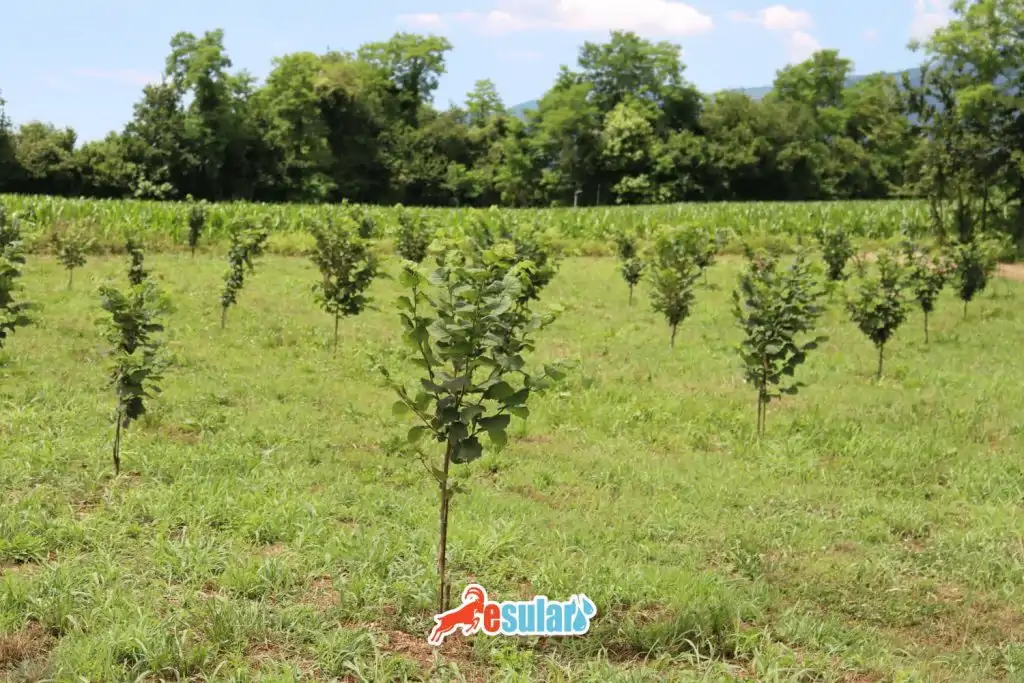
Hazelnut planting is generally carried out in the autumn season, especially in October and November. However, in regions where winter is extremely cold, planting can also be done in the spring, in March and April. Before planting, it is recommended to process the soil deeply, clean weeds, and add organic fertilizer or compost. In planting, pits are generally opened 60 cm wide and 60 cm deep, and the nutrient value of the soil is increased by adding organic fertilizer to the bottom of the pits. Saplings are placed in these pits along with their roots and tightly filled with soil. The sapling is planted so that the trunk part comes up to the soil level. After planting, the sapling is given plenty of water and irrigation is carried out so that the roots hold onto the soil well. It is generally recommended to leave a distance of 4-6 meters between saplings. This is important in terms of soil fertility, the development of the trees, and ease of harvest. After the planting process is completed, necessary measures should be taken to protect the saplings from diseases and pests.
How Many Hazelnut Trees are Planted per 1 Decare?
How many hazelnut trees will be planted on 1 decare of land varies depending on the planting interval and the row system. For example, if planting is done with an interval of 1.8 m x 5 m, 182 saplings can be planted per 1 decare, while if planting is done with an interval of 2.4 m x 5 m, 142 saplings can be planted per 1 decare. Therefore, the number of saplings to be planted per 1 decare may vary depending on the interval used for planting hazelnut trees.
Irrigation in Hazelnut Cultivation
Hazelnut trees' need for water increases, especially during flowering and fruit formation periods. Irrigation prevents water stress and prevents loss of yield and quality by preventing the trees from being under stress. Generally, drip irrigation or sprinkler irrigation methods are preferred. Drip irrigation helps to save water by ensuring that water is given directly to the root zone of the plant. Sprinkler irrigation ensures that water is distributed evenly and the soil is moistened. The quality of the irrigation water is also of great importance; salty or contaminated irrigation water should not be used, and clean and salt-free water should be preferred as much as possible. Therefore, efficient, high-quality, and sustainable production can be achieved in hazelnut cultivation with correct irrigation practices.
Fertilization in Hazelnut Cultivation
The first step when determining the fertilization strategy is to conduct a soil analysis to understand the chemical and physical properties of the soil. This analysis shows how the fertilization program will be created by determining the deficient and excess nutrients in the soil. In hazelnut cultivation, organic and chemical fertilizers are generally preferred. Organic fertilizers provide nutrients obtained from natural sources such as animal manure, compost, and green manure. Chemical fertilizers support the nutrition of the soil with synthetic substances such as urea, ammonium sulfate, and potassium nitrate. The timing of fertilization is also important; spring and autumn months are the periods when hazelnut trees need it, and fertilization should be done during these periods. The application method of the fertilizer provides effective nutrition by being sprinkled in an area close to the root zone of the trees or provided with an irrigation system. However, determining the correct amount of fertilizer is also critical; excessive fertilizer use can lead to salt accumulation in the soil, while insufficient fertilization can cause yield loss. As a result, correct and balanced fertilization in hazelnut cultivation is a fundamental factor for sustainable, efficient, and high-quality production.
Harvesting in Hazelnut Cultivation
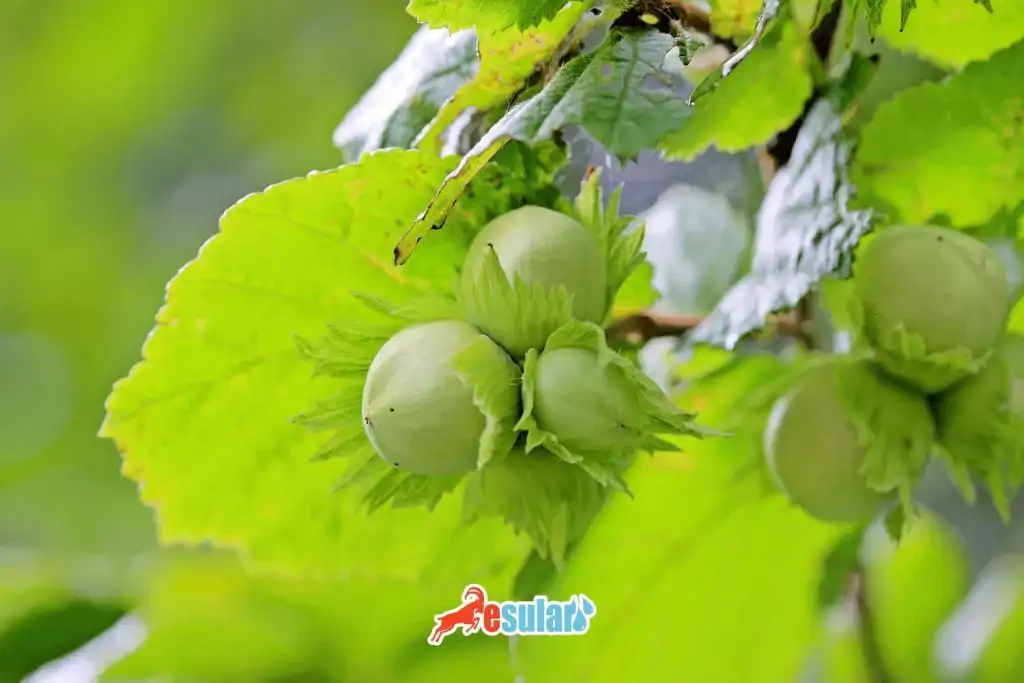
Harvesting in hazelnut cultivation generally takes place in September and October, depending on the fruit ripening process of the hazelnut trees. In determining the harvest time, attention is paid to the hazelnut variety, climate conditions, geographical region, and the age of the tree. Hazelnut fruits should be harvested when the nut inside is fully ripe while the husks are still green. The harvesting process is generally done by hand or using special hazelnut harvesting machines. Collected hazelnuts are subjected to a drying process to separate them from their husks. After the drying process, hazelnuts are processed in special machines and separated from their shells. Dry, cool, and well-ventilated storage areas are preferred for storing the harvested hazelnuts. The harvesting process is one of the most important stages of hazelnut cultivation, and when done at the right time and with appropriate methods, it is possible to obtain a high-quality and efficient product.
How Much Hazelnut is Produced from 1 Decare of Land?
The amount of hazelnut to be obtained from 1 decare varies depending on many factors. These factors include hazelnut variety, climate conditions, soil quality, maintenance practices, and harvesting techniques. In general, an average of 100 to 300 kilograms of hazelnuts can be obtained from 1 decare from hazelnut orchards that are well-maintained and grown under appropriate conditions. However, this value may vary according to the specified factors. For higher yields, besides appropriate maintenance and management practices, combating diseases and harmful organisms is also important.
How Many Years After Planting Does Hazelnut Bear Fruit?
Hazelnut starts to give its first fruits within 2 to 5 years after planting. However, a longer period is required for the hazelnut tree to fully mature and reach maximum productivity. Generally, hazelnut trees mature between 7 and 8 years and reach their full productivity. In this process, the trees need time for growth, development, and strengthening of their root systems. This maturation process in hazelnut cultivation is important for the trees to grow healthily and in balance. When the maturation process is completed, hazelnut trees begin to bear fruit regularly and consistently on an annual basis.
Kategoriler