Tüm Yazılar
How is Tea Cultivation Done?
Tea cultivation provides significant sources of income to the economies of many countries and creates employment opportunities. Especially in rural areas, tea farming and processing processes contribute to the local economy by providing employment for thousands of people. In addition, earning foreign currency through the export of tea is also an important source of income for many countries. Tea cultivation is generally carried out in humid and temperate climate conditions. Therefore, tea production in Turkey is generally concentrated in the Black Sea Region. In these regions, tea farming also plays an important role in terms of tourism. Tea gardens and factories are popular visiting points for tourists. As a result, tea cultivation is an important sector worldwide that provides many benefits in agricultural, economic, social, and cultural aspects.
Climate And Soil In Tea Cultivation
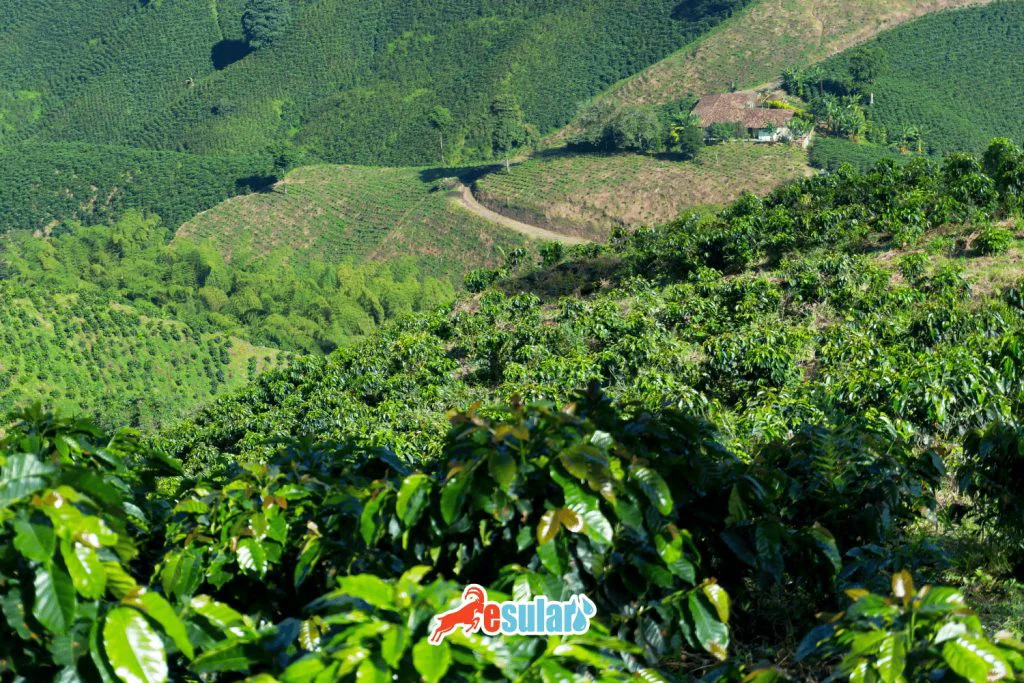
The tea plant generally grows in humid and temperate climate conditions. It is important to have at least 70% humidity for growing tea. For this reason, tea production in Turkey is generally concentrated in the Black Sea Region. Provinces such as Rize, Trabzon, Ordu, Artvin, and Giresun are the main regions where tea is grown. A humid and rainy climate is preferred for the cultivation of tea. In these regions, precipitation falls in abundance throughout the year, and the soils are generally acidic in structure. In addition, high-altitude lands are more suitable for tea cultivation. The tea plant can grow better in mountainous and sloping terrain conditions. Therefore, the slopes of the Black Sea are ideal areas for tea farming. The climate and soil structure of these regions allow the tea plant to grow qualitatively and productively. Generally, for the tea plant, the annual average temperature should not fall below 14 degrees and precipitation should not be less than 2000 mm. The plant's temperature at the place where it is planted should not fall below 0 degrees. The upper temperature limit is generally determined between 30-40 degrees.
Where Does Tea Grow?
Tea production worldwide is concentrated especially on the Asian continent. Among the largest tea-producing countries, names such as China, India, Sri Lanka, and Kenya stand out. China carries out tea cultivation in various regions spread over wide geographical areas. India, on the other hand, is known for regions such as Assam, Darjeeling, and Nilgiri, and especially Assam tea is in demand worldwide. Sri Lanka produces quality teas in its high-altitude regions, while Kenya is an important tea producer in Africa. In Turkey, tea production is generally concentrated in the Black Sea Region, especially in provinces such as Rize, Trabzon, Artvin, Ordu, and Giresun. While tea is generally grown in humid and rainy climates in these countries, the fields are usually located in the form of terraces in mountainous areas, and the appropriate climate conditions required for the tea plant are provided.
When Is Tea Planted?
The planting of new tea saplings is generally carried out in the autumn and early winter months, namely in October, November, and December. This period is chosen as the times when the soil is still warm but cold weather conditions have not yet started. The planting process includes these steps: Soil preparation, sapling selection, and planting. In the soil preparation stage, the soil is cultivated, fertilization is performed, and necessary arrangements are completed. Healthy, disease-free saplings should be selected for planting, and attention should be paid to the root system before planting. During planting, saplings are planted at appropriate intervals and at the correct depth. Then, irrigation is performed to ensure that the roots of the saplings come into good contact with the soil. The planting process is an important step for the healthy growth and productive yielding of tea plants. Therefore, using the correct timing and correct techniques is important.
Tea Fertilization
In tea gardens, 25-5-10 (N P K) compound fertilizer is generally preferred. This fertilizer contains important nutrients that the tea plant needs. It is recommended to give farmers 70 kilograms of fertilizer per decare. However, depending on the needs of the tea soils, 3-4 tons of farm manure (every 3-4 years) can be given per decare. Before fertilization, it is very important to have a soil analysis done. Materials such as organic fertilizers, dolomite, and agricultural lime can be used to regulate soil pH. Fertilization is done during the growth period of the tea and when the soil is moist. It is recommended that fertilization be organized in several applications. The first fertilization is usually done in March-April, and the second fertilization is carried out after the first harvest period. The third fertilization is applied after the second harvest period. Regular fertilization done in this way ensures the healthy growth of the tea plant and high yields. Therefore, it is important for farmers to plan the fertilization program correctly and apply it on time. For more detailed information about NPK fertilizer, you can visit our https://esular.com/npk-gubre-nedir article.
Tea Pruning
The pruning process, which holds an important place in tea cultivation, helps the rejuvenation of tea bushes that have become shrubby or have decreased in yield and the obtaining of quality products. Fresh shoots developing after pruning are rich in quality elements and have high growth power, which increases the quality of dry tea. The pruning process is carried out using various methods. Formative pruning is a type of pruning applied to tea saplings that have completed three years and entered their fourth year. This pruning, carried out in November-December or March, turns tea saplings into bushes by branching them. Product pruning is done following the first harvest after formative pruning. This pruning prevents the table surfaces of the tea bushes from becoming shrubby and increases the yield. Rejuvenation pruning is a type of pruning done as the table level rises. It is carried out by adding 5 cm to the previous pruning level after each product pruning and helps in the rejuvenation of tea bushes. The pruning process is important to support the natural development of the tea plant and to obtain a regular yield. For this reason, pruning should be done regularly in tea areas.
When and How is Tea Harvested?
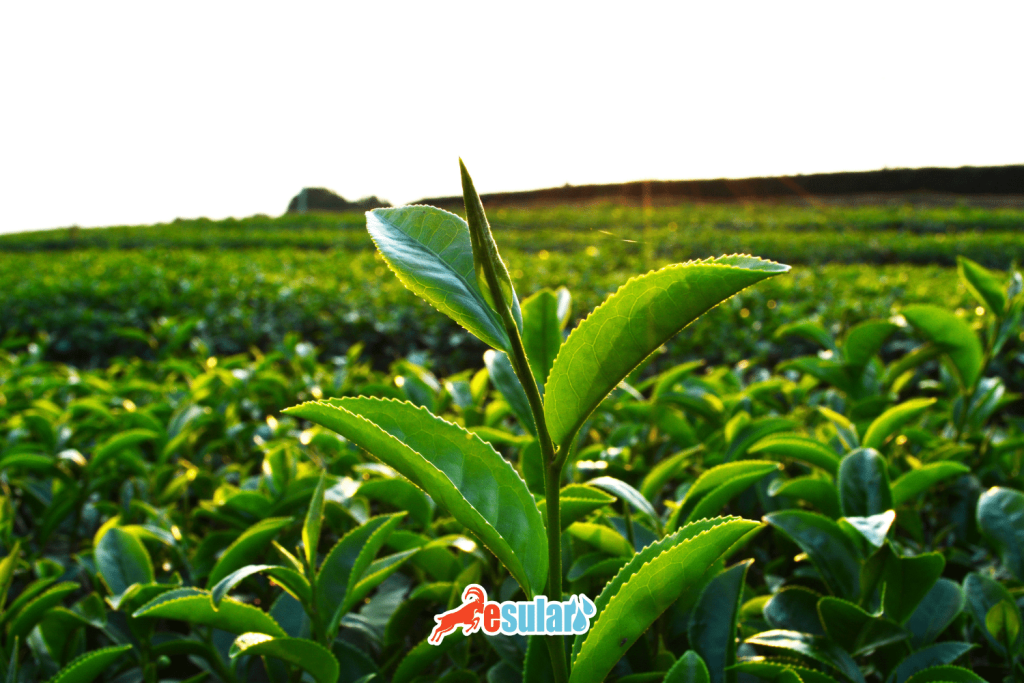
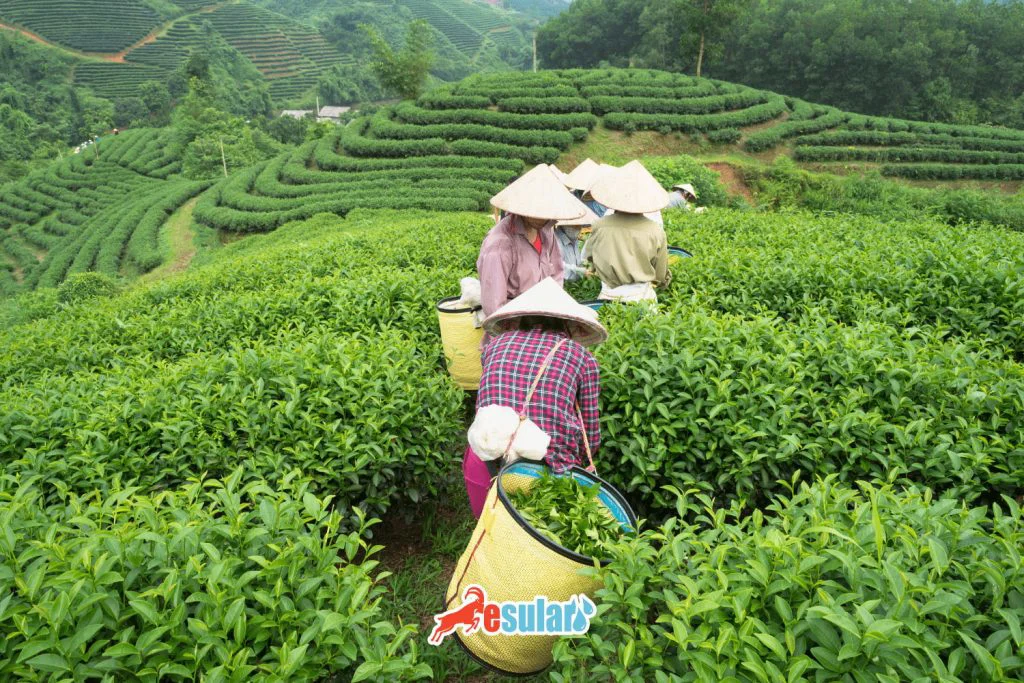
Tea harvest varies depending on climate conditions and the growth period of the tea plant. Throughout the growing season, newly growing shoots are usually collected at 7 to 12-day intervals. Determining the harvest time is critical for collecting the most tender leaves of the tea plant. Because this ensures the highest quality tea is obtained. Tea harvesting is a very difficult and labor-intensive process. Thousands of tea leaves must be collected to produce unprocessed tea. Tea harvesters must understand the importance of collecting leaves when they are at their most tender and freshest and must acquire this skill. This ensures the highest quality tea is obtained. After the harvest, the collected tea leaves are transported to factories for processing. Generally, harvested teas are collected in places close to the factories. Thus, the harvested leaves can be taken into processing quickly. This is important for preserving the freshness and quality of the tea.
How is Tea Dried?
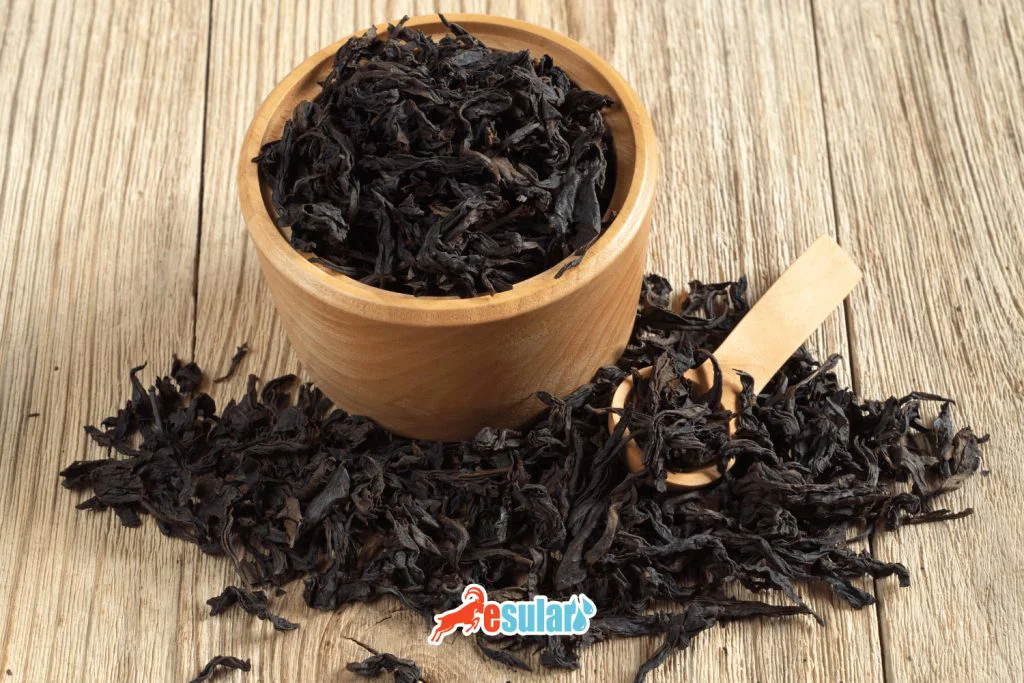
The drying process is carried out with the aim of reducing the moisture content of the tea leaf to approximately 70%, but this value may vary from region to region. The drying process is generally done by ventilating the tea leaves spread on wire meshes in large trays called tea troughs. These troughs usually have a rotating system, so that air circulation is provided between the tea leaves and moisture is removed. The drying process generally lasts between 15 and 20 hours. During this period, the tea leaves soften and become flexible. This allows them to be rolled better. This flexibility of the leaves affects the final quality of the tea, so the drying process must be carried out meticulously and for the correct duration.
Kategoriler