Tüm Yazılar
How to Grow Armenian Cucumber?
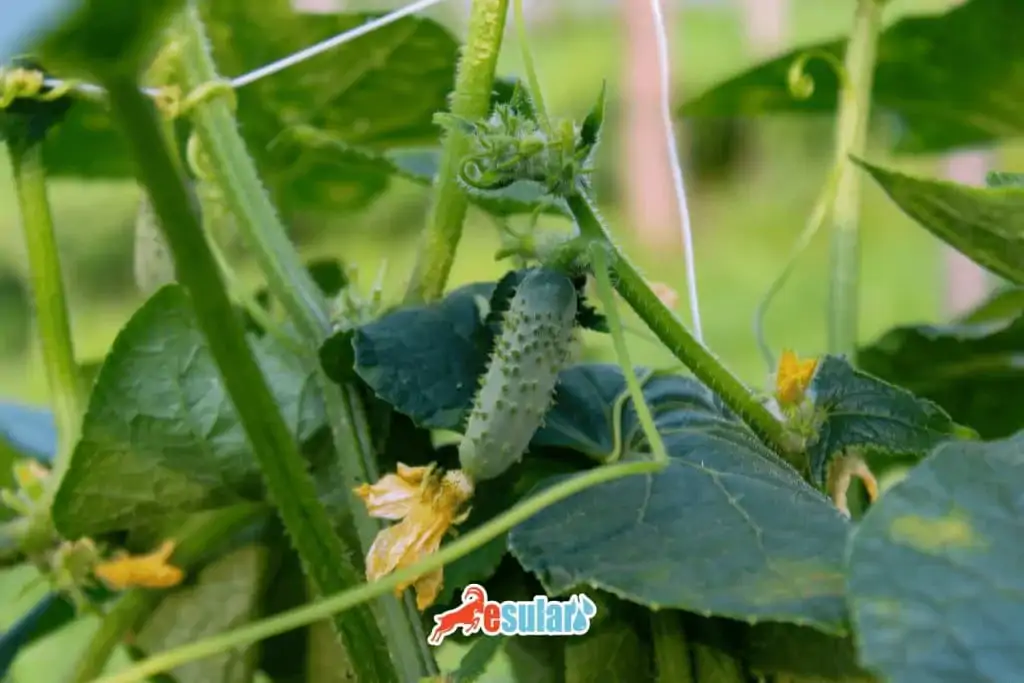
Armenian cucumber cultivation is generally carried out in open field conditions during the summer months. Although the homeland of the Armenian cucumber, also known among the people as “snake melon”, is not clearly known, Anatolia, Iran, Afghanistan, and South West Asia are accepted as its origin. The plant characteristics of the Armenian cucumber are quite diverse. While its roots can go deep in arid lands, they spread superficially in properly prepared soils. Its leaves are similar to melon leaves and are round, heart-shaped, or five-angled. Its flowers emerge from the leaf axils and resemble melon flowers.
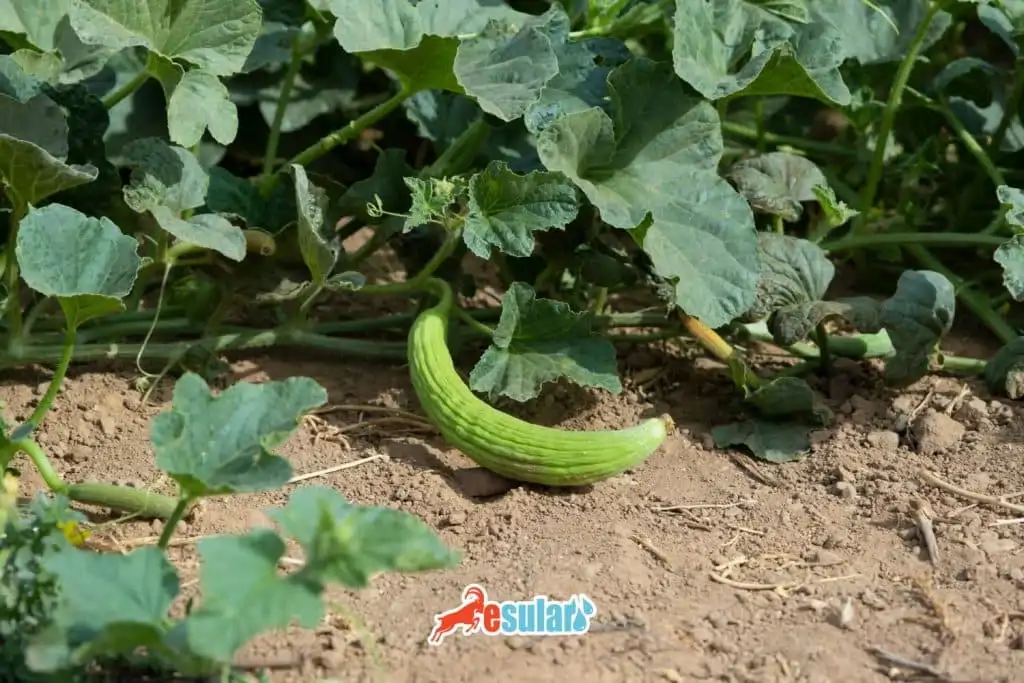
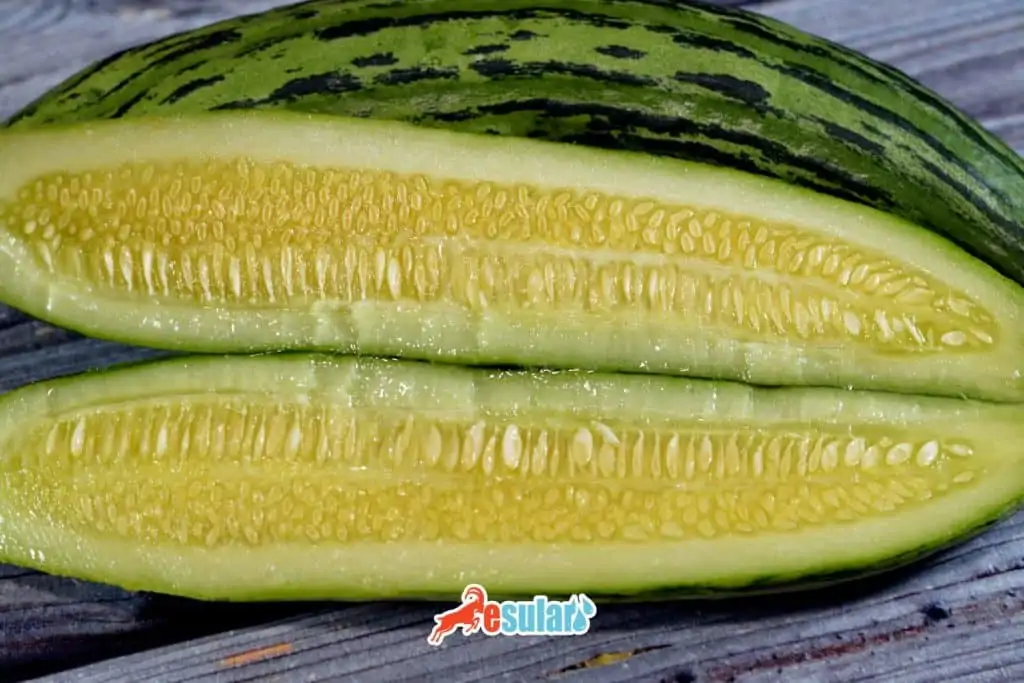
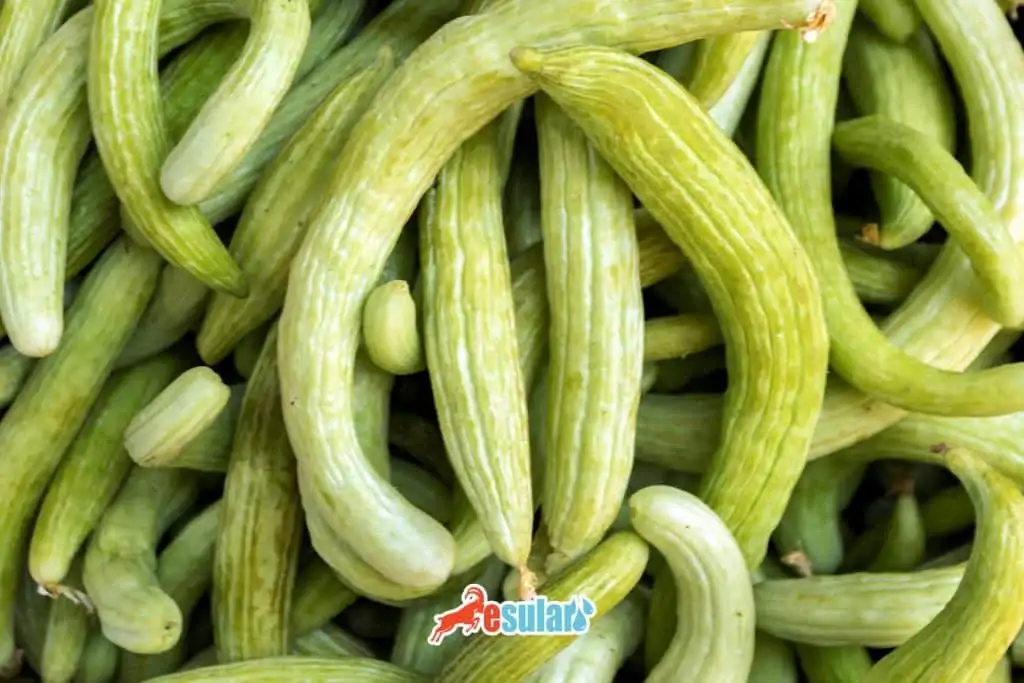
Armenian cucumber fruits can be in different shapes and colors. The fruits, which are generally long and cylindrical, can be curved or sickle-shaped and are mostly 45-90 cm long and 2.5-7.5 cm in diameter. Their colors generally vary from gray-white to dark green and are longitudinally grooved. Some varieties have round fruits and are used for canning. The agricultural importance of the Armenian cucumber is quite large. In addition to being consumed fresh, this plant, which is also used in pickle making, is an important part of regional agriculture and the domestic market. While its cultivation and consumption contribute to regional economies, it also stands out as a healthy and diverse food source.
Where Does Armenian Cucumber Grow?
In our country, it is known that Armenian cucumber cultivation is carried out especially in the Mediterranean, Aegean, Central Anatolia, and Southeastern Anatolia regions. The climatic conditions and soil structure of these regions offer suitable environments for the healthy growth of Armenian cucumber. The hot and humid climate of the Mediterranean is favorable for growing warm climate plants like Armenian cucumber. In the Aegean Region, the mild climate and fertile soils allow the Armenian cucumber to develop well. While suitable conditions for arid lands and drought-tolerant plants are found in the Central Anatolia Region, the hot and dry climate of the Southeastern Anatolia Region is also favorable for Armenian cucumber cultivation.
Climate and Soil Structure in Armenian Cucumber Cultivation
This plant is generally grown in the same regions as warm climate vegetables, and the optimum growth temperature is between 20-30°C. However, it is important to maintain this temperature range so that temperature fluctuations do not adversely affect the development of the plant and fruit yield. In terms of soil structure, Armenian cucumber grows best in deep, well-draining, loamy soils rich in organic matter and nutrients. However, while there is a risk of root diseases in heavy-structured soils, regular irrigation is necessary in sandy soils. Otherwise, plant growth slows down and its lifespan shortens. It is important that the soil pH value is neutral so that acidic or alkaline soils do not adversely affect the healthy growth of the plant. Therefore, providing suitable climate and soil conditions in Armenian cucumber cultivation is of vital importance for the plant to grow healthily and obtain productive products. By providing these conditions correctly, farmers can achieve a more successful Armenian cucumber production.
How to Plant Armenian Cucumber Seeds? Armenian Cucumber Seedling Planting
Armenian cucumber seed sowing, which is generally done in the spring and autumn months, may vary according to the growth period of the plant. These sowing times, preferred depending on the soil temperature, ensure the healthy growth and development of the plant. Factors such as sowing depth of seeds, distance between rows, and distance on rows are very important for harvest yield. Placing the seeds in the soil at the correct depth and intervals ensures the root release and nutrition of the plant. Sowing depth is generally preferred as 2-2.5 cm, while the distance between rows should be between 120-180 cm and the distance on rows should be between 60-100 cm. The amount of Armenian cucumber seeds sown per decare generally varies between 200-300 grams. This amount can be adjusted based on factors such as seed quality and soil fertility. If seedlings are to be used, frosts should be expected to pass and the planting intervals of the seedlings should be determined correctly.
Irrigation in Armenian Cucumber Cultivation
Irrigation after planting Armenian cucumber is important for healthy plant growth and to obtain a productive harvest. The Armenian cucumber plant needs water continuously from planting until the first flowering and ripening of the fruit. In this period, especially the drip irrigation system meets the water needs of the plant more efficiently and provides more suitable results. In some regions, in cases where rainfall is sufficient, Armenian cucumber can be grown by dry farming method without irrigation. However, in cases where irrigation is not performed, the yield may decrease and the development of the plant may be negatively affected because the water need of the plant is not met. For this reason, regular irrigation is necessary to obtain a healthier Armenian cucumber harvest, especially in arid regions and during periods of low rainfall.
Fertilization in Armenian Cucumber Cultivation
Armenian cucumber shows good development in soils rich in organic matter. However, if organic matter is insufficient in the soil, the nutrient value should be increased using commercial fertilizers. Appropriate amounts of farm manure and artificial fertilizers according to the amount of soil. Especially if sowing is to be done in light and arid lands, the amount of fertilizer should be increased. Amounts such as 2-4 tons of farm manure, 3-6 kg of nitrogen, 4-6 kg of phosphorus, and 5-6 kg of energy per decare are recommended. This fertilization application not only increases the yield but also positively affects the product quality. The fertilization process can be carried out after sowing or planting processes have started. In the cells of the fertilizers, it ensures healthy growth and development by meeting the basic nutritional needs.
Armenian Cucumber Harvest
Harvesting is carried out when the plant reaches the maturity stage. Armenian cucumber fruits become ready for harvest when they reach a certain size and color depending on the variety. There are hairs on the fruits at the maturity stage, and this is a clear sign indicating that the harvest time has come. As the harvest time is delayed, the hairs on the fruits disappear and the fruit flesh gradually hardens. In addition, the inside of the seed becomes empty, and color change and hardening occur in the seeds. At this stage, the fruits begin to take on a melon scent. The harvesting process is done in the early morning or at sunset in the evening, by cutting from the fruit stem with the help of a sharp knife or scissors. Harvested fruits should be stored under suitable conditions to maintain their freshness and flavor. In this way, it will be possible to obtain healthy and delicious Armenian cucumber fruits.
How Many Days Does Armenian Cucumber Grow?
Within 35 days from sowing, the first female flowers begin to bloom and about 35 days after this, the first harvest period begins. The Armenian cucumber plant can maintain its vitality for 4 to 5 years when grown under suitable C conditions.
Diseases and Pests Seen in Armenian Cucumber Cultivation
Commonly seen diseases and pests in Armenian cucumber cultivation are as follows:
Cucumber Common Mosaic Virus: It creates light green mosaic spots, rings, and wavy lines on the leaves. This virus spreads through aphids and sucking insects.
Cucumber Blister Mosaic Virus: It is seen especially in Armenian cucumbers grown in greenhouses. It creates dark green spotted mosaic spots on the leaf or fruit. It reduces yield and quality.
Downy Mildew Disease: Small pale green or yellowish spots appear on the leaves. A gray or violet colored mold layer is seen on the lower surface of the leaves.
Powdery Mildew: Piecemeal spots appear on the old leaves of the plants and the leaves dry and fall off. It spreads around with wind and insects throughout the summer.
Cucumber Stem Rot: A soft watery rot appears on the stems of the plants and the disease spreads rapidly, killing the plant.
Cucumber Angular Leaf Spot Disease: It starts with yellow spots on the leaves and then the spots turn brown, become perforated, and cover the entire surface of the leaf.
These diseases and pests can harm the health and productivity of the Armenian cucumber plant. In the struggle, measures such as suitable agricultural practices, chemical control methods, and fungicides used in the fight against the disease can be taken. In addition, rapid identification and destruction of diseased plants is important.
Kategoriler