Tüm Yazılar
How to Grow Lettuce?
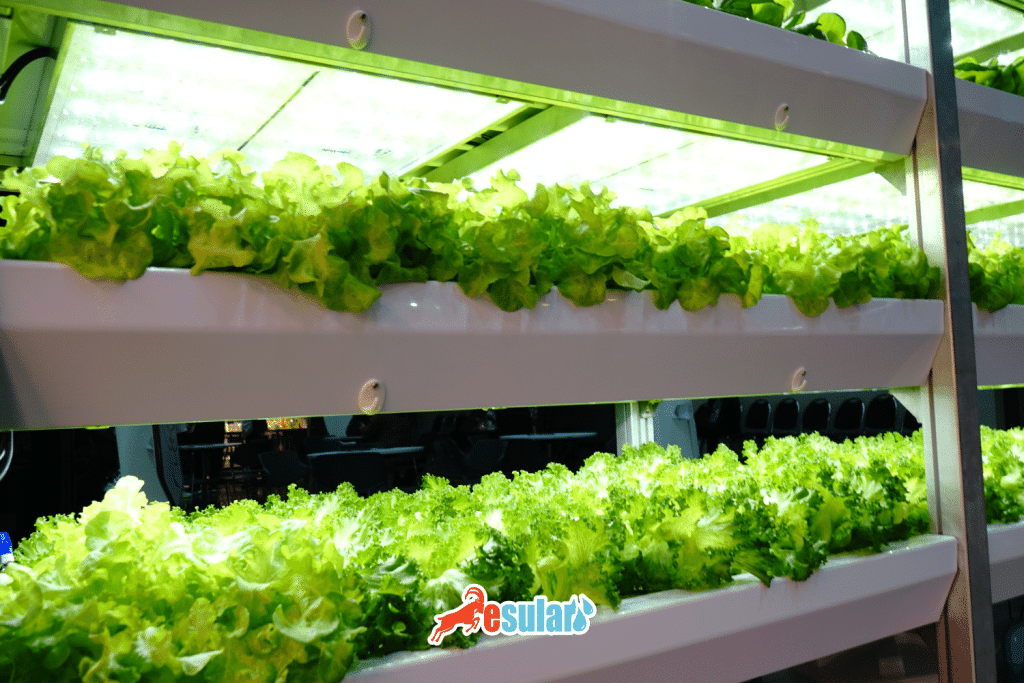
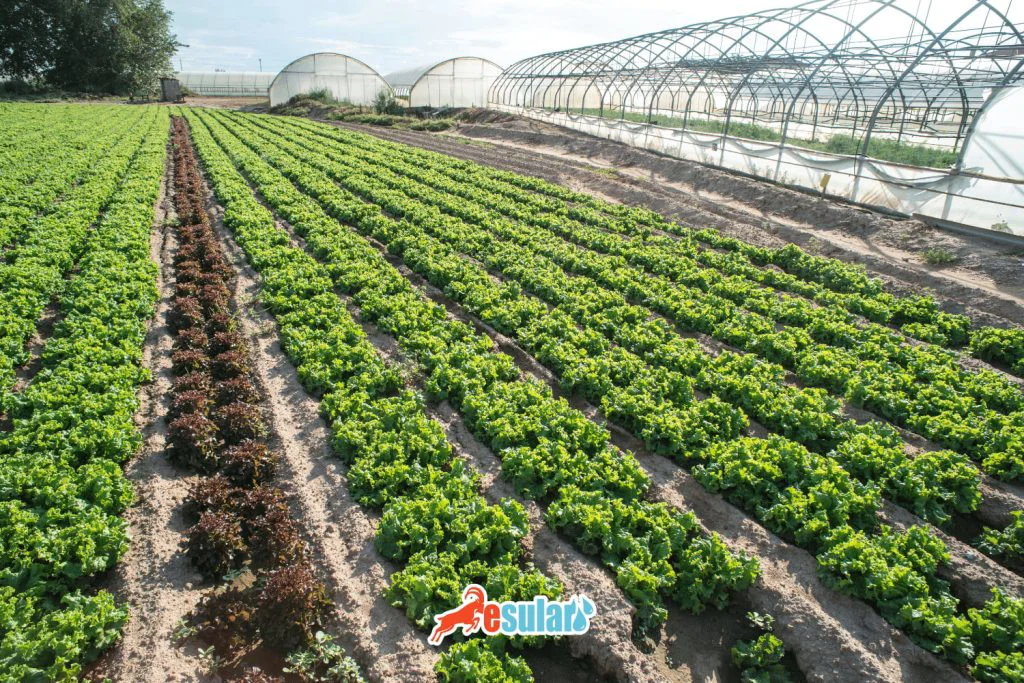
Lettuce cultivation is an agricultural practice preferred by many farmers who want to obtain a healthy and delicious vegetable. Lettuce is an annual cool-season vegetable and its growing period is usually as short as 2-3 months. Therefore, there are varieties of salad and lettuce types bred to be suitable for different seasons by being grown in open fields and under cover. Thanks to this diversity, it is possible to produce lettuce consecutively in 12 months of the year. This flexibility allows agricultural enterprises to grow lettuce in various seasons and offer it to the market. Additionally, lettuce's rapid growth and harvestability offer farmers the opportunity to obtain products in shorter periods. This situation makes lettuce cultivation commercially attractive.
How Should Climate and Soil Be in Lettuce Cultivation?
Suitable climate and soil conditions are very important in lettuce cultivation. Lettuce is a partially cold-resistant plant and needs humid weather conditions. The ideal growing temperature is generally between 15.5°C and 18.3°C, but at temperatures above 18°C, head formation and development of the plants may be negatively affected. Therefore, cool-warm climates are more favorable for lettuce cultivation. In terms of soil structure, the soils where lettuce grows best are those between sandy loam and clay loam. For the lettuce plant, which has shallow roots, the upper 20-30 cm depth of the soil must contain sufficient nutrients. Additionally, it is preferred that the soil pH level be between 6.0 and 7.0; if the pH level is below 6.0, liming can be performed. These suitable climate and soil conditions are necessary for healthy and productive lettuce cultivation.
Where Does Lettuce Grow?
Although the soil selectivity of lettuce seed is low, it provides better growth in soils where the nutrients necessary for its development are present. It is very important for the development of the lettuce plant that the layers where the soil layer is 25-30 cm are rich in nutrients and humus. Since it has a short formation period, it can be grown in almost every region of Turkey. It can also be grown in regions where summers are cool and in plateaus above 1000 m. Additionally, lettuce cultivation is a very common practice in greenhouses.
How is Lettuce Grown?
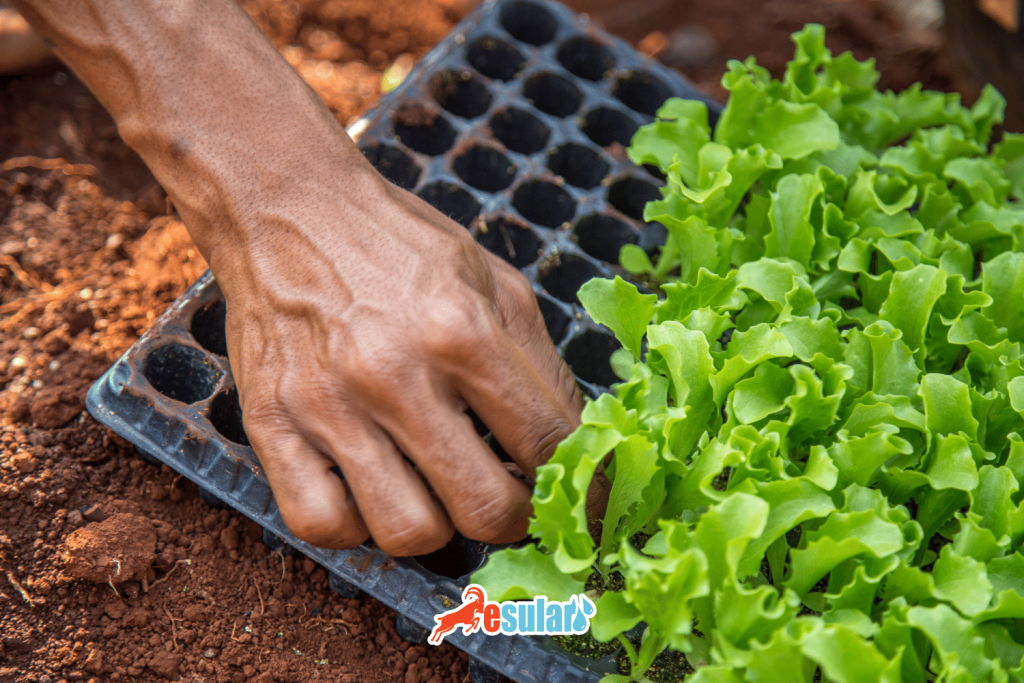
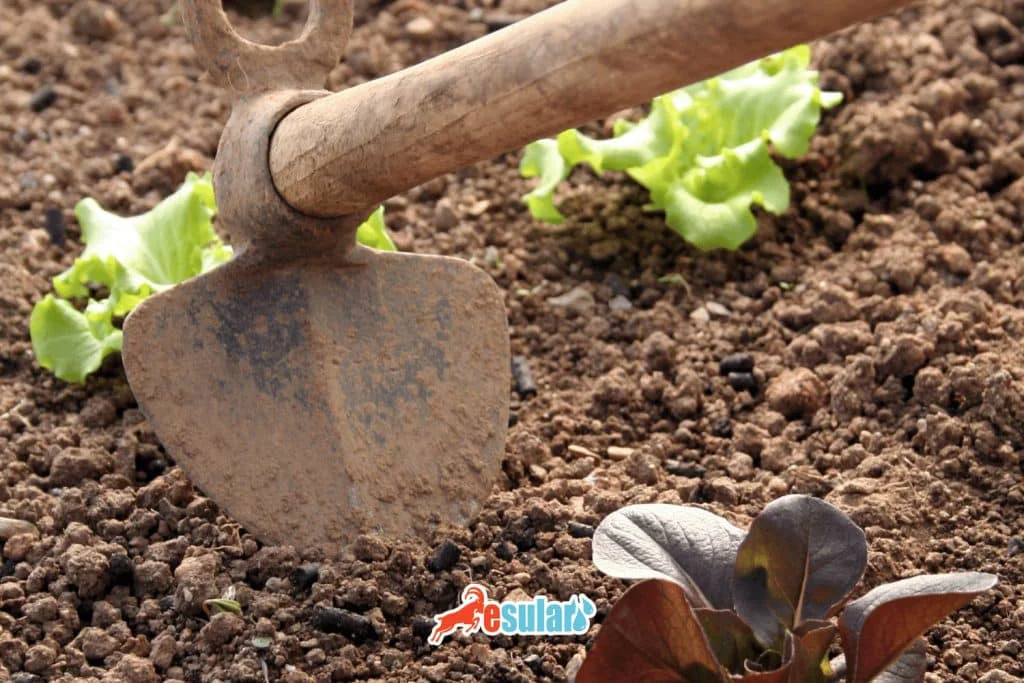
Although there are two basic lettuce growing methods, namely growing from seedlings and growing directly from seed, the seedling growing method is generally more preferred. In seedling cultivation, seedlings are grown in greenhouses, low or high tunnels, and in warm or cold beds depending on the season. Seedlings reach planting size between 6 to 8 weeks depending on the seasonal temperature. For seedling planting, the soil is plowed deeply, ventilated for a few days, and then leveled. Row spacings are determined with tools such as ridges or "pig nose" furrowers, and planting is carried out. Planting is done between 15 to 25 cm on the row. If flat planting is to be done, planting is carried out in wide strips with the same distances, and each strip contains 3 to 4 plant rows. During the planting of seedlings, care should be taken to place the roots deep enough into the soil. The growing tip should be left above the soil.
Smart Irrigation in Lettuce Cultivation
In lettuce cultivation, smart irrigation systems are widely used to increase productivity and provide water savings. These systems use sensors and automation technology to determine the amount of water the plant needs. Soil moisture sensors measure the moisture level in the root zone of the plant and determine the irrigation need. Air temperature and humidity sensors are also taken into account to automatically adjust the irrigation program. As a result, water is ensured to be given at the right time and in the right amount. Additionally, water waste is prevented and the plant is prevented from experiencing water stress. Smart irrigation systems create an environmentally friendly agricultural practice by ensuring the efficient use of water. These systems play an important role in obtaining healthier and more productive products in lettuce cultivation. For more detailed information on this subject, you can call us and examine our https://esular.com/akilli-sulama-sistemleri article.
Does Lettuce Need a Lot of Water?
The lettuce plant needs regular and sufficient amounts of water throughout its growth process. Continuous moisture in the soil is important for the healthy and rapid growth of lettuce. After planting lettuce, if there is not a particularly rainy season, irrigation should be done within 12 days at the latest to prevent the soil from drying out. In the process from the head-binding period to the end of harvest, irrigation intervals should not be longer than 8 days. In this process, maintaining soil moisture in a balanced way is necessary for the healthy development of the plant. The irrigation process should be done at regular intervals without allowing the soil to dry out and should be applied in a way that allows the roots of the plant to receive enough moisture. Excessive irrigation should be avoided, and excessive irrigation that will cause water to accumulate in the soil should be avoided. In this way, the lettuce plant can grow healthily and productively.
Fertilization in Lettuce Cultivation
If the soil does not contain sufficient organic matter, 4-5 tons of well-rotted farm manure per decare can be applied to the field. However, it is important to handle existing nutrients in a balanced way along with the application of farm manure, and the fertilization program should be organized accordingly. If farm manure is not applied, giving 10-20 kg of nitrogen, 10-12 kg of phosphorus pentoxide, and 18-20 kg of potassium oxide per decare will generally be sufficient. However, the most suitable fertilization program should be determined based on soil analysis. Phosphorus and potassium fertilizers are generally applied before seedling planting, while a portion of the nitrogen fertilizer is given during seedling planting and the other portion is given before irrigation during the growth period of the plant.
Diseases and Pests Encountered in Lettuce Cultivation
Commonly encountered diseases in lettuce cultivation include fungal diseases such as downy mildew, anthracnose, and sclerotinia. In addition to these, fungal diseases such as powdery mildew, bottom rot, and gray mold can also damage the lettuce plant. Among virus diseases, the most common ones are lettuce mosaic virus (LMV) and big vein virus. In the fight against these diseases, it is recommended to prefer resistant or immune varieties. Major pests in lettuce cultivation include snails, corn earworm, aphids, spider mites, and nematodes. In the fight against these pests, it is important to apply cultural measures before resorting to chemical methods. Chemical control should be considered as a last resort in cases where other methods are insufficient. In this way, the damage caused by pests and diseases to the plant is minimized and a healthy product is obtained.
Harvest in Lettuce Cultivation
Lettuce harvest is carried out by cutting from the root collar area with a knife when the heads reach maturity. During harvest, care should be taken not to let the leaves come into contact with the soil, because the leaves that remain in contact with the soil will need to be washed and labor costs will increase. After cutting, the diseased, old, and slightly yellowed outer leaves of the lettuce are discarded and the stalk is cut neatly from the line of the outermost leaf. Harvested lettuces are placed in a single row in packaging containers with their heads facing downwards. In standard varieties, not all plants mature for harvest at the same time, so especially in local varieties, harvest is done in several rounds. However, in bred varieties, development may be more uniform and a large portion of the plants can reach harvest size at the same time. The harvest process organized in this way preserves the quality of the lettuces and optimizes the marketing process.
How Many Days Does Lettuce Grow?
The growing period of lettuce may vary depending on the variety and growing conditions. Generally, the lettuce plant grows from seed to harvest in about 2 to 3 months. However, in some fast-growing varieties, this period may be shorter. Factors such as growing methods, climate conditions, soil quality, and fertilization can also affect the growing period.
How Much Lettuce is Produced from 1 Decare Area?
Depending on the lettuce cultivation conditions in our country, the amount of product obtained from a decare is generally around 7-8 thousand units. This means a yield of 3-4 tons per decare in weight. However, these figures may vary depending on factors such as climate, soil structure, growing methods, and variety. Yield may vary according to the fresh weight, size, and quality of the lettuce. Harvested lettuce heads should be kept in suitable packaging and storage conditions before being sent to the market. This can increase market value by preserving the freshness of the product and minimize post-harvest losses.
Kategoriler
Etiketler