What is Enterotoxemia (Çelerme) Disease?

23 Ocak 2026 Çağla Altıntaş 14 görüntülenme
Tüm Yazılar

What is Enterotoxemia (Çelerme) Disease?

Enterotoxemia, also known as Çelerme in colloquial language, is a disease that can lead to fatal consequences in cattle, goats, and sheep. Enterotoxemia disease usually occurs between 3 to 8 weeks, especially in healthy animals taken for fattening, and between 6 months and 1 year of age. Older sheep, on the other hand, are generally at risk of catching the disease in the spring and summer months. In our country, this problem is generally called "çelerme" or "çelertme". The bacteria causing the disease are classified into types such as A, B, C, D, E, F depending on the type of toxins they produce. There are six different types of this disease, and types B, C, and D are especially more common on the American continent. Type A enterotoxemia can cause inflammation of the large intestine.

What Causes Enterotoxemia?

Enterotoxemia usually occurs as a result of an intestinal infection caused by toxins produced by the bacteria called Clostridium perfringens. This bacterium is naturally found in the intestines of animals, but the disease occurs when it over-reproduces and secretes toxins under the influence of various factors. Various factors such as a high-protein and high-energy diet, consumption of feeds containing excessive amounts of milk or grain, imbalances in the intestinal flora, stress, inadequate hygiene, overfeeding, or rapid feed changes lead to the over-reproduction of this bacterium, causing the disease to emerge.

what is enterotoxemia

What are the Symptoms of Enterotoxemia Disease?

The symptoms of enterotoxemia disease are usually sudden and severe. Therefore, the disease often starts with sudden deaths in affected animals. However, in cases where symptoms can be observed, these symptoms are generally as follows:

  • Sudden death,
  • Loss of appetite,
  • Extreme weakness and fatigue,
  • High body temperature,
  • Respiratory distress,
  • Bloody diarrhea or bloody stool,
  • Difficulty in moving,
  • Teeth grinding,
  • Depression and restlessness,
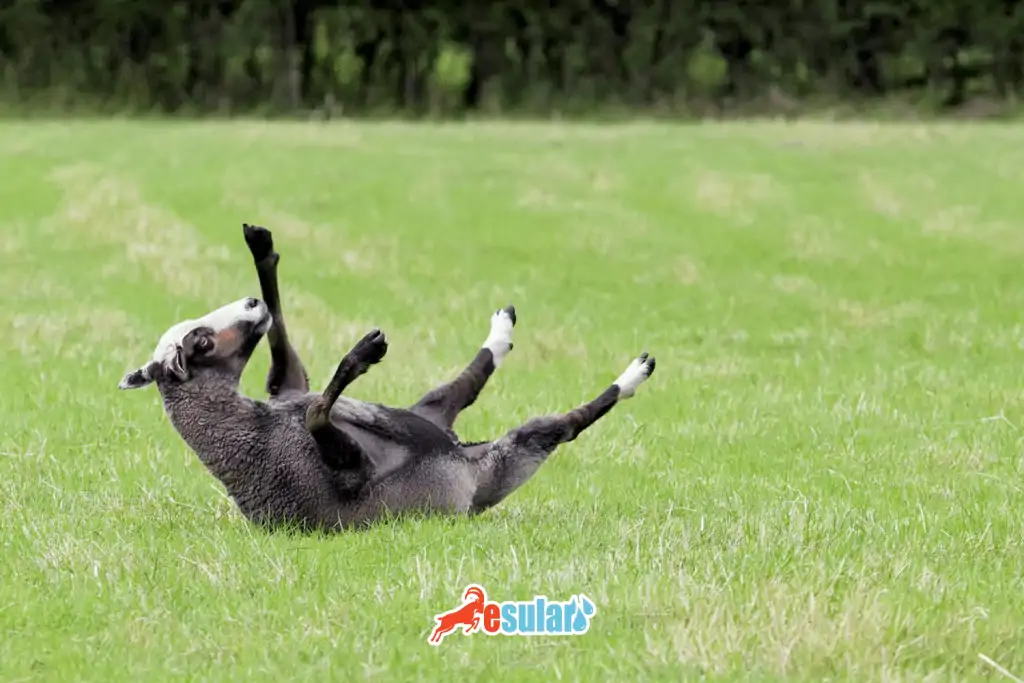
  • Bellowing, unconsciousness, and convulsions are seen. 

These symptoms may vary depending on the severity of the disease and the general health status of the affected animal. When early symptoms of the disease are observed, it is important to consult a veterinarian immediately.

enterotoxemia

Enterotoxemia Disease Treatment Methods

In case the animal catches the disease, antibiotics can be used to control the infection. To help relieve the digestive system, stomach acid reducers can be given orally. To reduce gas accumulation, drugs that prevent foam formation can be used. Painkillers can be applied to contribute to the animal's comfort and the recovery process. Vitamin B1 can be given to prevent or treat nervous system problems. Additionally, the use of natural or commercial probiotics to regulate the intestinal microflora is also a common treatment method. However, the treatment process may vary depending on the severity of the disease, the general health status of the animal, and the veterinarian's assessment. Therefore, an appropriate treatment plan for each patient should be determined by a veterinarian.

What are the Ways to Prevent Enterotoxemia Disease?

Vaccination against enterotoxemia is one of the most suitable and effective methods. Therefore, lambs and kids should be vaccinated against enterotoxemia when they are 4 to 8 weeks old. Adult animals should be vaccinated once a year and vaccination records should be kept. Vaccines should always be fresh and stored in the refrigerator; animals showing disease symptoms should not be vaccinated. A sudden transition to concentrate or grain feeds should not be made; an adaptation period of 5-7 days should be applied for the transition to new feed. Single-born lambs should not be allowed to consume excessive amounts of milk; these animals should be carefully followed while sucking their mothers. Animals should be regularly treated against internal and external parasites, and attention should be paid to cleaning and hygiene conditions in enterprises. Especially, practices that could stress lambs and kids should be avoided, including crowded housing, frequent handling, inadequate feeder and waterer use. Consequently, these measures help you protect your animals against enterotoxemia disease.

enterotoxemia

When is the Çelerme Vaccine Administered?

The Çelerme vaccine is usually administered for lambs and kids in the 4 to 8-week age range. Additionally, it is recommended to vaccinate adult animals once a year. These vaccines should be applied before the periods when the disease is common, namely in the spring and autumn months. In this way, animals are better protected against the disease. The appropriate vaccination timing should be determined in line with the recommendations of your veterinarian.

Yorumlar

Daha Fazla İçerik İster misiniz?

Akıllı tarım hakkında en güncel içerikleri takip edin.