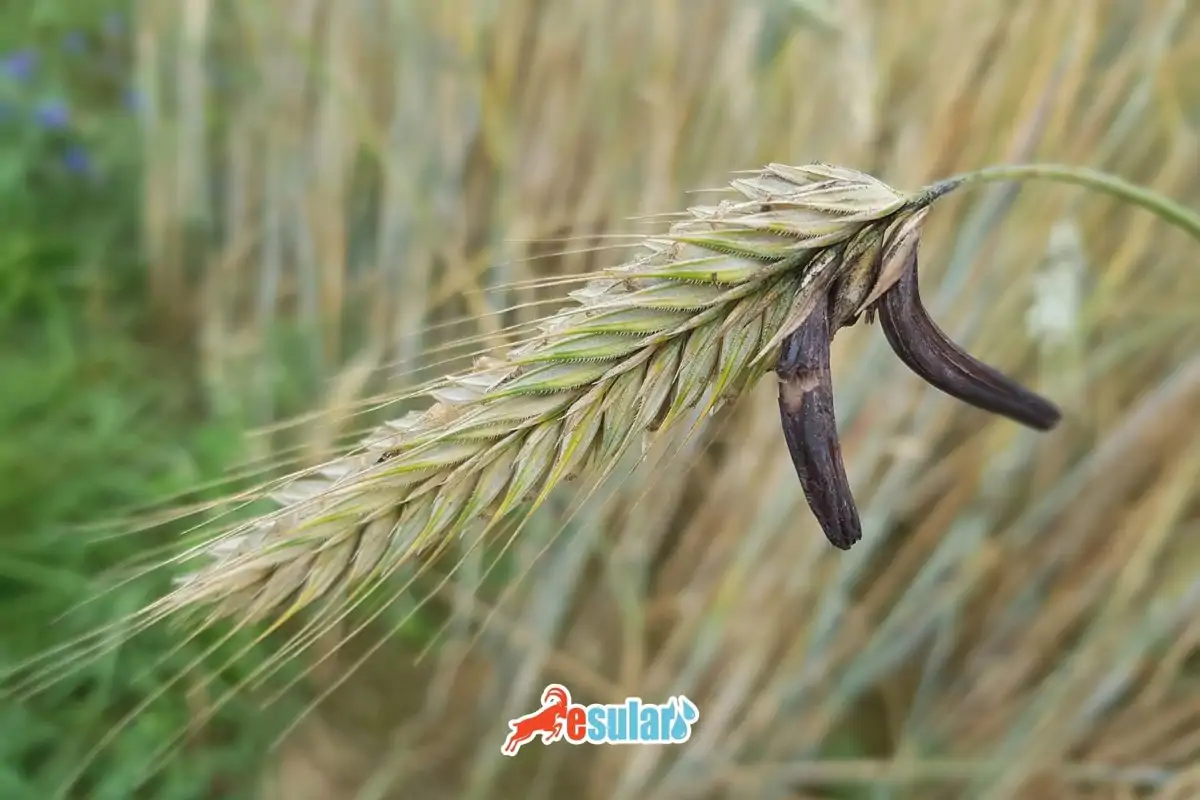
Ergot is a type of fungus that develops on rye and other cereals and holds an important place in the agricultural world. This fungus emerges as a result of an infection caused by a pathogen called “Claviceps purpurea”. Known throughout history for its serious effects on human and animal health, ergot is especially known for causing mass poisonings in Europe during the Middle Ages known as “St. Anthony’s Fire”. These poisonings result from toxic alkaloids produced by the fungus and can cause serious neurological and vascular problems. In this article, we will share comprehensive information on what ergot is, its historical significance, its effects in the modern world, and how this fungus can be managed in agricultural production.
History of Ergotism
Ergotism is a type of poisoning that occurs as a result of consuming grains contaminated with toxins produced by the ergot fungus, and it led to major epidemics, especially in Medieval Europe. These epidemics, known as “St. Anthony’s Fire,” resulted in terrible pain, hallucinations, gangrene, and deaths. To combat this disease, the Catholic Church established the Order of St. Anthony and opened monastery hospitals to help patients. With the Renaissance period, the connection between ergotism and the ergot fungus was discovered, but epidemics continued until the 19th century. Thanks to modern agricultural techniques and medical progress, ergotism cases have decreased, and in the 20th century, it was revealed that alkaloids obtained from the fungus could be used in medicine. Today, ergotism is a rare disease thanks to food safety and controls in agriculture, but the effects it created throughout history have not been forgotten.
Ergot Fungus (Claviceps purpurea)
Ergot fungus (Claviceps purpurea) is a fungal species that settles as a parasite on rye spikes and other grains. The spores of this fungus attack the grain spikes and form dark-colored, cylindrical structures called ergot there. Ergot fungus produces toxic alkaloids such as ergotamine and ergometrine; these components can be effective on the nervous system, constrict vessels, and cause muscle contractions. The effects of the ergot fungus have led to various epidemics throughout history, and these situations were named “St. Anthony’s Fire” in the Middle Ages. Modern agricultural and food safety practices have largely brought such epidemics under control today, but the potential health risks and historical effects of the ergot fungus require constant attention and research in this regard.
Ergot Poisoning (Ergotism)
Ergot poisoning is known as ergotism and occurs as a result of ergot fungus (Claviceps purpurea) contaminating grains. Ergot spores on rye spikes can create toxic effects when these grains are consumed. Ergotism generally occurs in two main forms:
Synergistic Ergotism: Effective on the nervous system, leading to muscle contractions, hallucinations, and nervous system disorders. This form is generally characterized by dilating vessels and severe headaches.
Gangrenous Ergotism: As a result of the narrowing of blood vessels, it can cause gangrene formation in the hands, feet, or other extremities. In this form, bruising, swelling, and tissue death may be seen on the skin.
Symptoms of poisoning emerge with the accumulation of ergot alkaloids in the body, and this situation leads to various health problems.