Tüm Yazılar

What is Gölevez (Kolakas)?

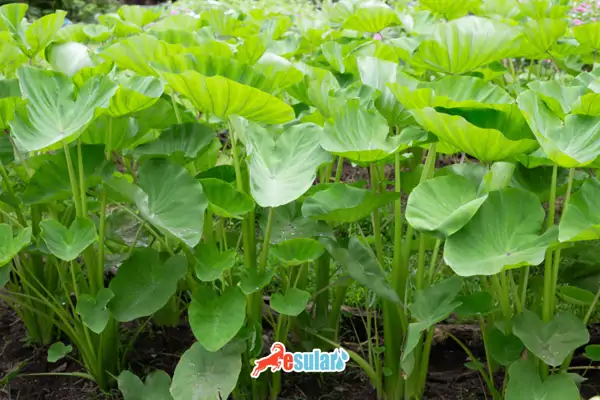
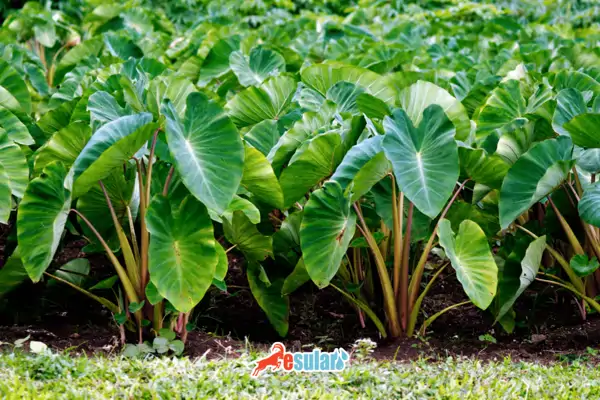
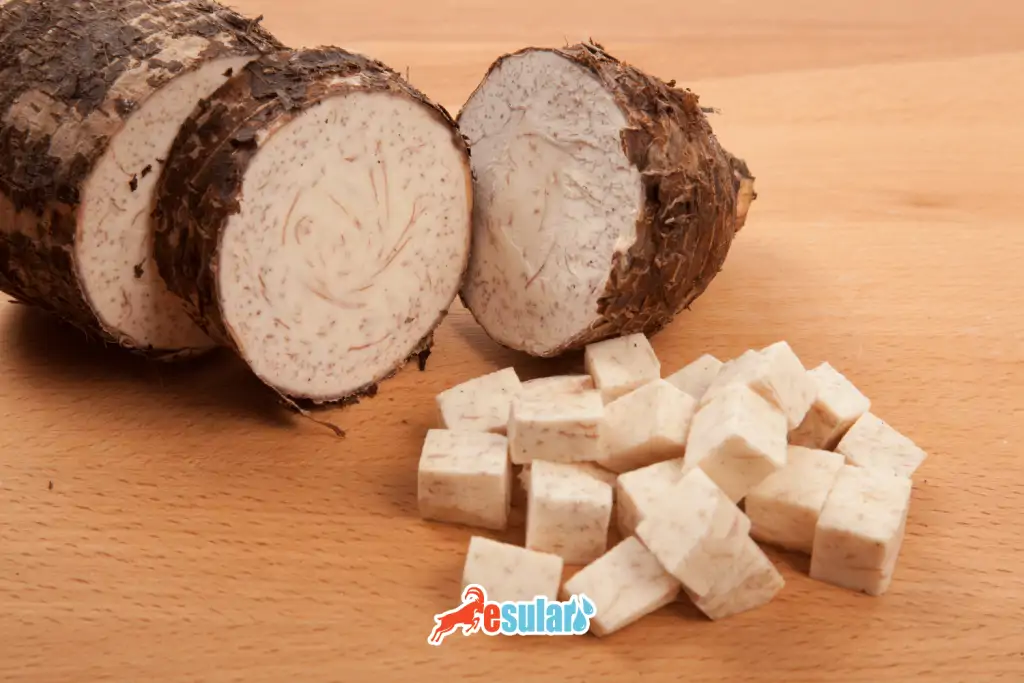
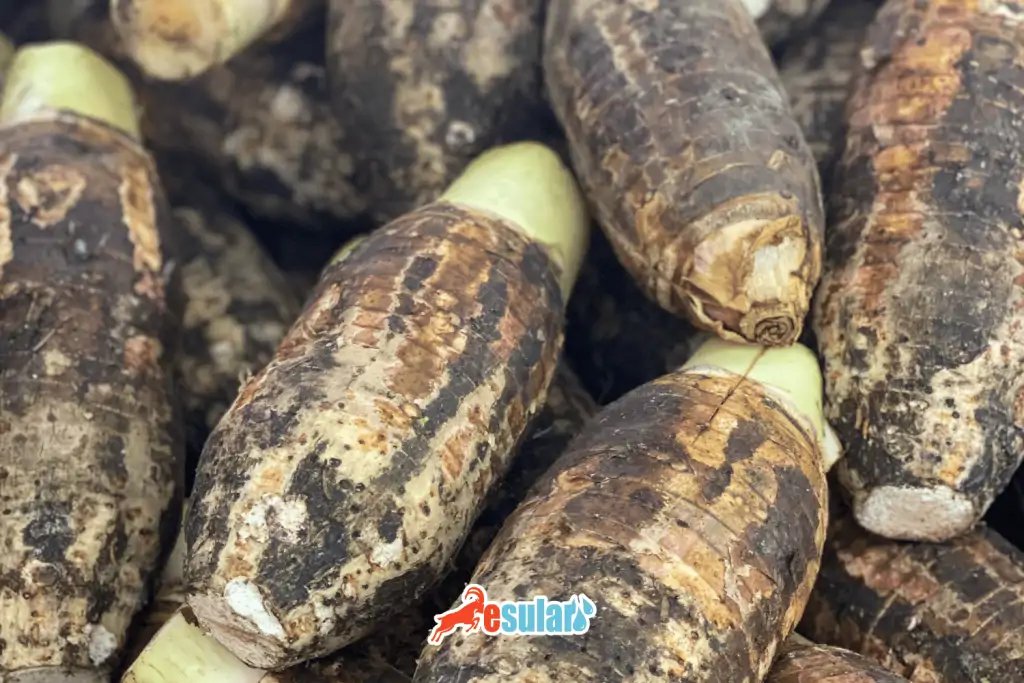
The family it belongs to is Araceae and it generally has a broad-leaved and tuberous structure. Commonly known as “taro” or “kolakas”, gölevez is frequently used especially in rural areas. The gölevez root and leaves, which are toxic when consumed raw, become safer when consumed cooked. Especially when cooked with bicarbonate, it becomes more beneficial due to the calcium oxalate crystals it contains. In our country, it is cultivated in the Mediterranean region, especially in the provinces of Antalya and Mersin.

How is Gölevez Cultivation Done?

This plant belongs to the Araceae family and generally prefers humid and warm climates. The gölevez plant is grown on the edges of ponds and in wetlands. The cultivation of gölevez is generally done through its tubers. Tubers are usually planted at a depth of 10-15 cm and at intervals of 60-70 cm. The planting process takes place in April and the harvest is made approximately 7-8 months later. The gölevez plant can go into dormancy by stopping its vital activities when completely dehydrated, so it needs to be watered constantly. However, staying in stagnant water puddles can cause rot and diseases. For this reason, irrigation with drip irrigation systems is recommended. The soil structure of the gölevez plant should be slightly moist and well-drained. The soil mix should consist of a mixture of materials such as pumice and peat. The plant should be grown in semi-shaded areas and protected from direct sunlight. For this plant to grow healthily; regular irrigation, proper soil care, and appropriate climate conditions are required.

golevez-nerede-yetisir

What are the Benefits of Gölevez?

Gölevez is a vegetable that attracts attention with its high nutritional value as well as being low in calories. With the fiber and resistant starch it contains, it supports the digestive system, protects intestinal health, and prevents digestive problems. Additionally, it has a protective effect against cancer and strengthens the immune system. Taro, which supports heart health, lowers cholesterol, balances blood sugar to reduce the risk of diabetes, and ensures the healthy functioning of blood vessels. Since it contains many nutrients such as magnesium, potassium, iron, phosphorus, vitamins C and E, it strengthens the immune system and provides protection against infections. Taro, which can be consumed with delicious recipes, is a valuable food for a healthy life.

Where Does Gölevez Grow?

Gölevez is a plant that grows mainly in South India and Southeast Asia regions, preferring humid and rainy climates. It is especially common in tropical and subtropical climates. In these regions, it grows productively by adapting to soil conditions and climate conditions. In Turkey, it is cultivated especially in the Mediterranean Region, in provinces such as Mersin and Antalya. The mild climate and humid air of the Mediterranean provide a suitable environment for the development of gölevez. In recent years, with the discovery of the health benefits and usage areas of gölevez by wider audiences, gölevez production in Turkey has also increased. This vegetable is both used in various dishes in local cuisines and sent abroad as a subject of export.

golevez tarimi

Climate And Soil Structure In Gölevez Cultivation

This plant prefers warm and humid climates. High humidity and mild temperatures ensure that gölevez grows healthily and yields productively. For this reason, gölevez farming is generally more common in tropical and subtropical climate regions. Soil structure is also important for gölevez cultivation. It prefers loamy soils that are humus-rich, well-drained, and hold water well. These types of soils ensure that the plant's roots take hold firmly and receive water and nutrients effectively. To create an ideal environment for gölevez farming, regular irrigation and fertilization are required in addition to suitable climate and soil conditions. Furthermore, appropriate measures should be taken to protect the plant from harmful insects and diseases.

When is Gölevez Seed Planted?

The cultivation and production of gölevez are generally carried out through root tubers. These tubers are planted at a certain depth and interval. Planting is usually done in April and the harvest time comes approximately 7-8 months later. The harvesting process continues throughout the winter, and a productive product is obtained. If cultivation is to be done with gölevez seeds, first an environment at a temperature of 20-22 degrees is provided for the seeds to germinate. Before the seeds are planted, the germination process is accelerated by keeping them in a damp cloth for 24 hours. Afterwards, seeds are planted in pots or open field areas at certain intervals. Each hole is usually planted with 2-3 seeds and the germination process is completed in a period such as 10-20 days. For the germination process to be successful, it is important that the soil is slightly moist and the seeds are planted at the correct depth. With these methods, gölevez cultivation is carried out healthily, and as a result, a delicious and nutritious product is obtained.

golevez-yetistiriciligi-nasil-yapilir

How is Gölevez Consumed?

Gölevez is a vegetable that can be consumed in various ways. You can turn this vegetable into cooked chips; for this, you can get a healthy snack by cutting gölevez slices thin and cooking them in the oven. Additionally, gölevez can be steamed and made into a puree and consumed as an appetizer by flavoring it with various sauces or spices. You can add flavor to meals by using it in dishes with tomato paste or in dishes like potatoes. You can also use it in your different pastry recipes by preparing a paste from gölevez. However, raw consumption of gölevez is not recommended because some toxic substances can be found in raw taro root. For this reason, it is important to consume gölevez by cooking it. You can develop recipes suitable for your own taste by trying different cooking methods for gölevez.

golevez nasil yenir

When is Gölevez Harvested?

In Turkey, planting is carried out at the end of March or the beginning of April, and root development begins to become evident within approximately three months after planting. Harvest time usually coincides with the months of September and October. During this period, the roots of the plant have developed and matured sufficiently. During the harvest process, the roots of the gölevez are carefully removed and processed. Then it is packaged or marketed to be presented to the consumer. The harvest time of gölevez may vary depending on the growth cycle of the plant and the climate conditions in which it grows

Yorumlar

Daha Fazla İçerik İster misiniz?

Akıllı tarım hakkında en güncel içerikleri takip edin.