Tomato Leafminer (Tuta absoluta), is a pest that threatens tomato plants and has a high reproductive potential. First identified in Peru in 1917, this pest has spread all over the world over time. In Turkey, it was first observed in the Urla district of Izmir in 2009 and rapidly spread to the Aegean and Mediterranean coastal strips. Tomato Leafminer poses a major threat, especially in tomato cultivation. This pest can damage all organs of the tomato plant and can seriously reduce fruit quality. Thanks to its high reproductive capacity and wide dispersal ability, tomato leafminer negatively affects tomato production both in open fields and in greenhouses. Knowing effective control methods against this pest is of great importance for healthy and productive tomato cultivation.
Physical Characteristics of the Tomato Leafminer
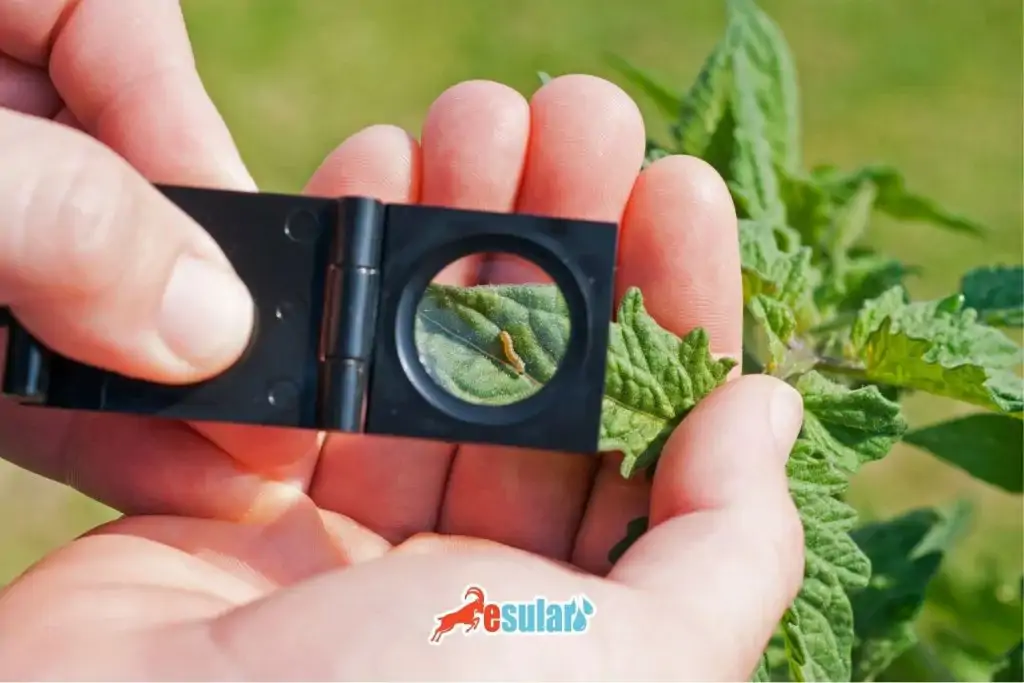
Adults of the tomato leafminer are slender and long, about 6 mm in length, and have a wingspan of approximately 10 mm. The forewings are narrow, silvery gray or brownish, with characteristic large and small blackish spots on them. Its antennae are thread-like, and these features make it easier to identify the pest. Eggs are cylindrical in structure, averaging 0.4 mm in length and 0.2 mm in width. Eggs are usually laid on the undersides of leaves or under the sepals of the fruit. Larvae emerging from the eggs are whitish-cream in color with black heads. The heads of mature larvae are brown, and their body color is green. In the fourth instar, the upper body of the larvae takes on a pinkish color, and the dark-colored thin band on the prothorax is a distinguishing feature of the larva.
Pupae are 6 mm long, initially greenish in color, and turn light brown over time. Larvae pupate in galleries they open in the soil or on the plant after completing their development. Tomato leafminer can produce 3-5 generations per year depending on climatic conditions. Adults are usually active at night and hide among the leaves of plants during the day. A female can lay 120-260 eggs during her lifespan. Eggs usually hatch within 4-5 days, and larvae feed on various parts of the tomato plant.
Damage Pattern and Economic Importance of Tomato Leafminer
Tomato leafminer is a pest that can cause serious economic damage in both open-field and greenhouse tomato cultivation. The effects of this pest occur on tomato plants at various stages and significantly affect the agricultural sector. Larvae emerging from eggs feed on the leaves, fruits, stems, and stalks of the tomato plant. Larvae, which particularly prefer young and immature fruits, spoil the quality of these fruits by creating galleries inside them. These galleries in the fruits have a significant impact that reduces market value. The galleries opened by the larvae in the leaves become transparent voids and turn into brown necrotic spots over time. Such damage reduces the photosynthetic capacity of the plants and impairs their general health. The impact of this pest on the economy is largely related to crop losses and the decline in market value. These losses cause producers to experience serious economic damage. Additionally, the quality decline and rots caused by the pest lower the market value and reduce the income of producers.
Control Methods for Tomato Leafminer
Effective control of the tomato leafminer (Tuta absoluta) requires a combination of cultural, biological, biotechnical, and chemical methods:
Cultural Measures:
Infested seedlings and plants should not be used.
Infested plants and leaves must be destroyed.
Weeds that could be hosts for the pest should be controlled.
Plant residues after harvest should be destroyed, and deep plowing should be performed.
Crop rotation (crops not belonging to the Solanaceae family) should be practiced.
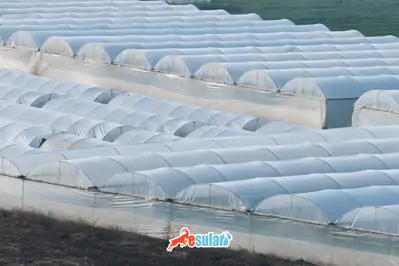
In greenhouses, entrance and ventilation openings should be closed in a way that the pest cannot enter.
Biological Control:
Natural enemies, for example, Nesidiocoris tenuis and the egg parasitoid Trichogramma evanescens, should be used.
In chemical control, products with the least side effects on natural enemies should be preferred.
Biotechnical Control:
Pheromone and water traps can be used in mass trapping methods.
In greenhouses where traps are located, ventilation openings must be covered with netting and have double doors.
Chemical Control:
Effective insecticides such as Voliam Targo 063 SC can be used.
Sexual attractant traps should be used to determine adult emergence, and plants should be checked regularly.
The application of these methods together helps provide an effective fight against the tomato leafminer and prevent the spread of the pest.