What is Water Pollution? How to Prevent It?
Water pollution is the situation where the quality of water decreases as a result of foreign, harmful, or unwanted substances entering water resources. Increasing population, climate changes, and unsustainable water management practices cause the depletion of water resources and the pollution of existing water resources in many regions. This situation affects many sectors such as agriculture, industry, energy production, and basic human needs. Understanding the value of water and using the water resources we have more correctly is important for a sustainable future. Adopting water-saving technologies, using efficient methods in agricultural irrigation, treating industrial wastewater more effectively, and spreading conscious water consumption habits can help alleviate water scarcity and use the clean water resources we have more efficiently.
The State of Clean Water Resources in Turkey
In our country, the average annual precipitation is 643 mm, and the water equivalent of this precipitation is 501 billion m3. However, the amount of water lost due to various reasons reaches 234 billion m3 of usable water. The amount of groundwater and surface water that can be consumed technically and economically has been determined as 112 billion m3. It is predicted that 95 billion m3 of this water can be obtained from domestic rivers, 3 billion m3 from rivers coming from abroad, and 14 billion m3 from groundwater. As a result, in this period where usable water resources are limited, we must use our limited water resources in the most effective way. Contrary to popular belief, our country is among the water-poor countries according to the index of usable water availability per capita. We use approximately 70% of our existing water potential in the agricultural sector. A 1% saving to be achieved from the agricultural sector can lead to significant changes in the industrial sector and domestic use.
What is Water Pollution?
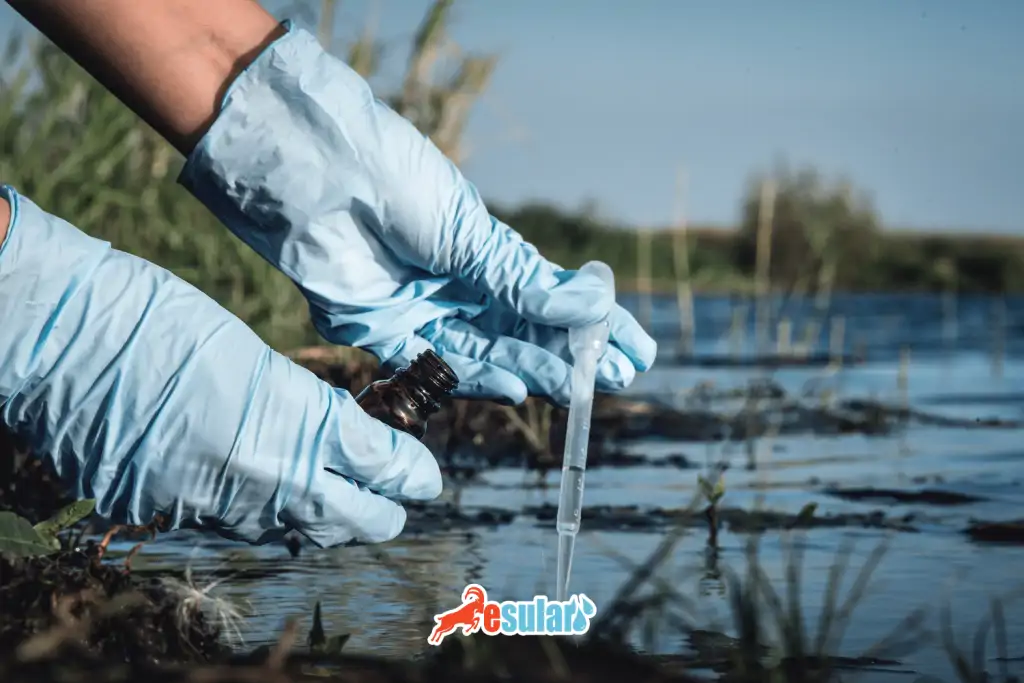
Water pollution is the situation where the quality of water decreases as a result of foreign, harmful, or unwanted substances entering water resources. Water pollution occurs when organic and inorganic substances, microbes, heavy metals, chemical wastes, and other pollutants originating from various sources mix into water systems. These pollutants usually originate from various human activities such as industrial activities, agricultural practices, domestic waste, mining, energy production, and environmental interactions. This problem can affect lakes, rivers, streams, groundwater, and seas. These pollutants can damage water ecosystems, drinking water resources, agricultural areas, and human health. It can cause difficulties in drinking water supply, degradation in water ecosystems, damage to the health of fish and other aquatic organisms, decrease in irrigation water quality, and economic losses.
What are the Causes of Water Pollution?
The complexity and wide scope of water pollution can be explained by the combination of a series of factors originating from various sources. In this context, the main causes effective in the formation of water pollution are as follows:
- Chemical fertilizers used unconsciously in agriculture: Chemical fertilizers used in agricultural areas can cause water pollution by mixing into the water. Excessive use of these fertilizers can lead to waters being overloaded with nutrients such as nitrates and phosphates.
- Pesticides used for insects and plants: Agricultural pesticides can cause water pollution by leaking into water systems.
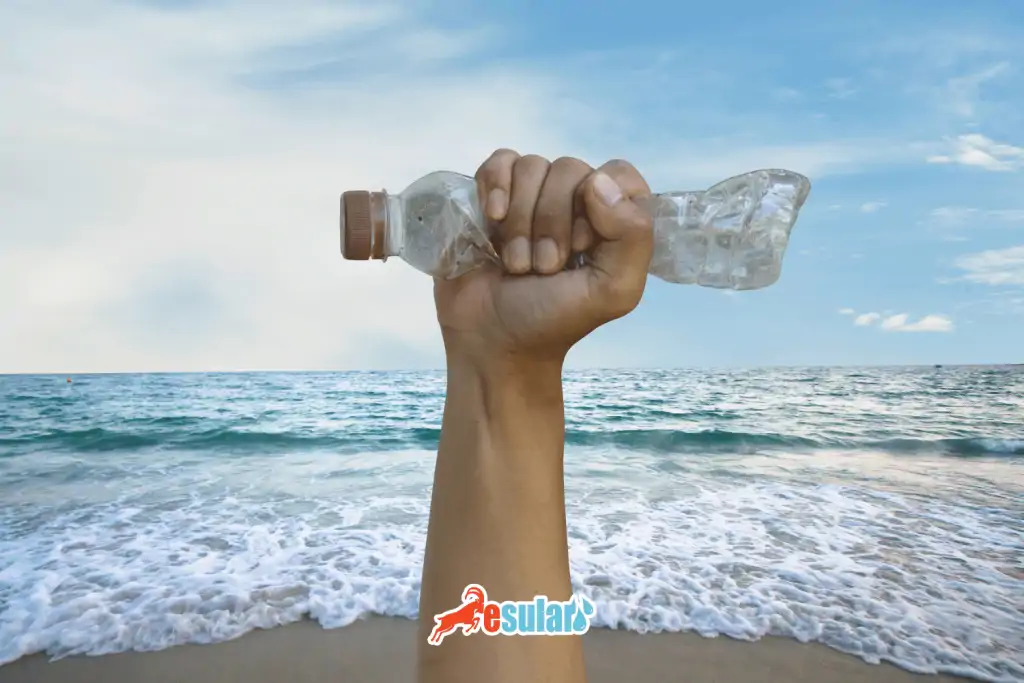
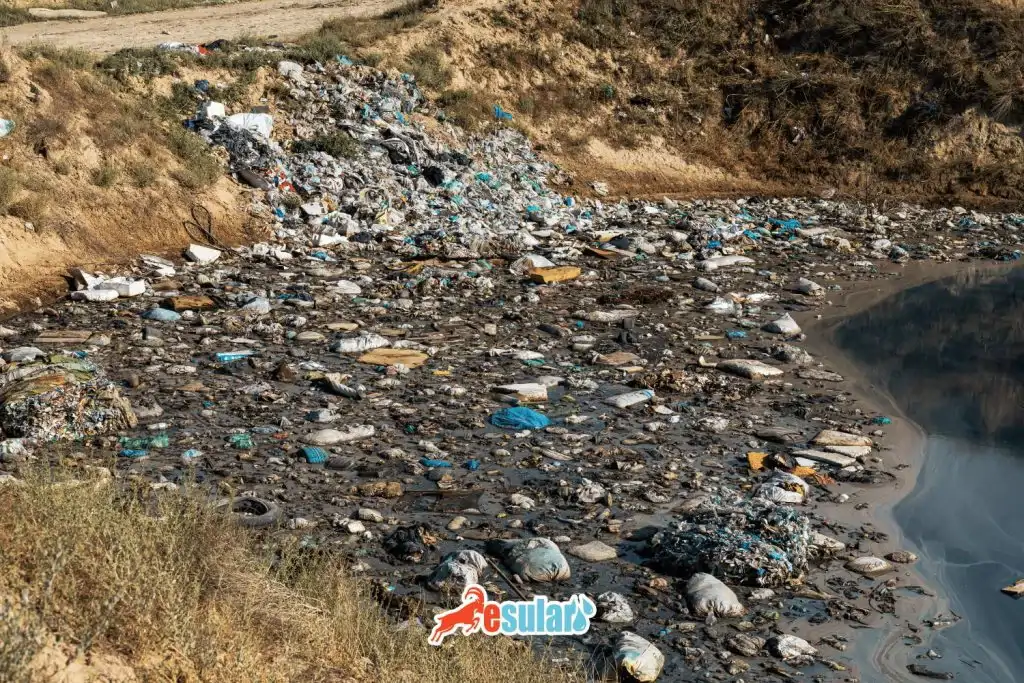
- Non-recyclable and non-biodegradable wastes: Non-recyclable wastes such as plastics can lead to water pollution.
- Industrial heavy metals: Metals such as lead, mercury, and cadmium can damage aquatic organisms.
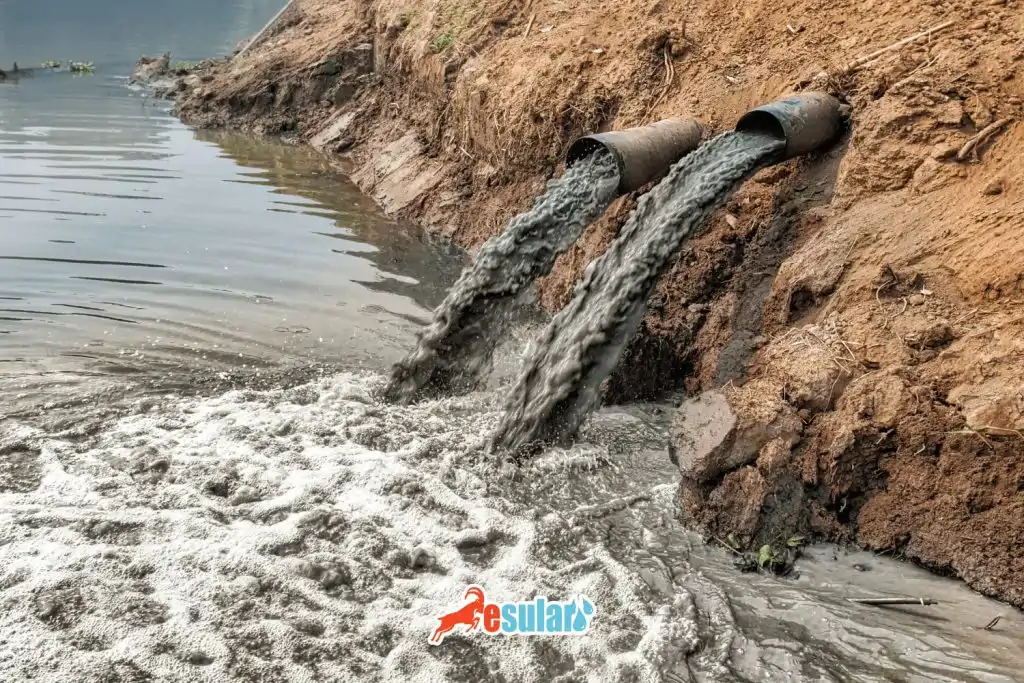
- Harmful gases released from factories without being filtered: The release of wastes originating from industrial facilities into nature without filtering or with insufficient filtering can increase water pollution.
- Sewage wastes released into waters without being separated in waste facilities
- Incorrectly used waste sites: Waste sites where wastes are stored irregularly or uncontrolled waste sites can lead to pollution by leaking into waters.
- Change of water ecosystem due to global warming
- Fuel consumption of marine vehicles such as ships and boats: Can cause oil spills and water pollution in the seas.
What are the Effects of Water Pollution on Human Health and the Environment?
Water pollution is a problem that creates serious effects on human health and the environment. Drinking contaminated water can lead to diseases due to the microbes, chemical pollutants, and heavy metals they contain. Pollution in water resources can pass into the human body through fish and other aquatic products. This causes the consumption of dangerous substances in the food chain. In addition, contaminated waters can cause the spread of infectious diseases, increased carcinogenic effects, and respiratory problems.
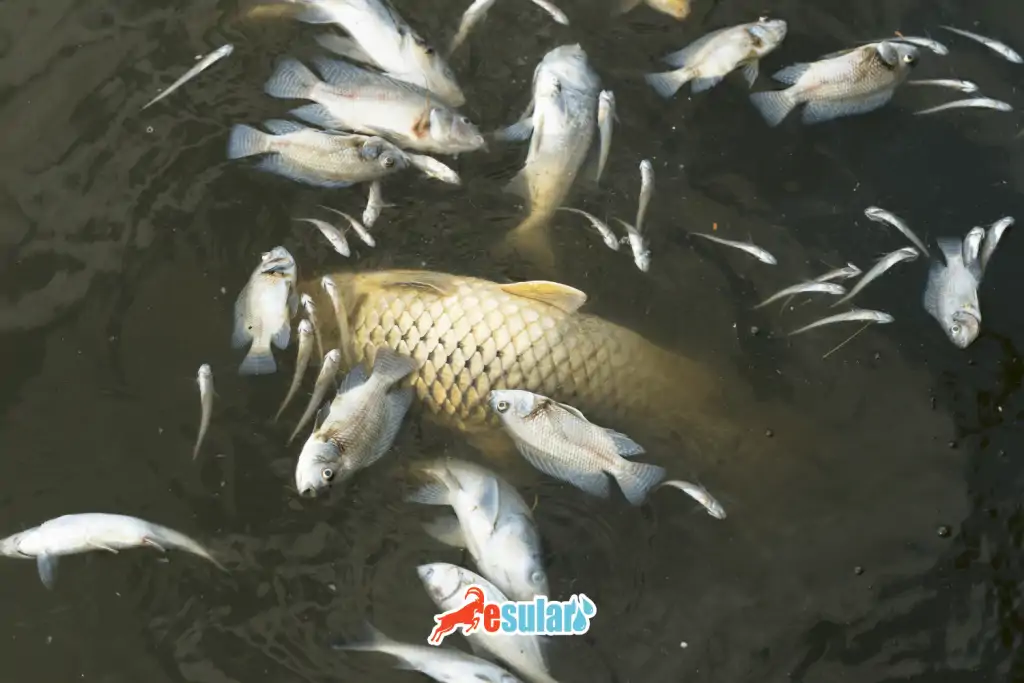
Water pollution leaves negative effects not only on human health but also on the environment. Contaminated waters destroy the habitats of aquatic plants and animals by creating an imbalance in water ecosystems. It can cause the extinction of species. Fish and other aquatic organisms may face deaths, reproductive problems, and population decreases caused by water pollution. Agricultural areas can also be negatively affected by contaminated waters. Soil pollution and plant health problems may occur. This situation causes economic losses, especially loss of income in the agriculture and fishing sectors. Therefore, effective measures to be taken against water pollution, protecting and keeping water resources clean, are vital for both human health and the environment.

How to Prevent Water Pollution?
In the fight against water pollution, it is aimed to protect and clean water resources by using various strategies. Examples of these strategies include measures such as environmental regulations, water treatment systems, waste management, sustainable water use, and increasing social awareness. It is possible for every individual to contribute to the fight against water pollution by fulfilling their duty with a common understanding. One of the effective ways to control water pollution is to minimize water consumption. Daily life practices that can be applied simply but are effective, such as reducing shower time as much as possible, not leaving the water running while brushing teeth, and using water at a minimum level while shaving, are very important.
In addition, attention should be paid to substances that mix into the water via the kitchen sink. One of the domestic causes of water pollution is oils poured into the sink. While it is possible to recycle the water coming out of the drain via the sink, disposing of oils in this way makes the water completely dysfunctional. Collecting oils and sending them to waste oil facilities is a solution that can prevent the problem. When we look at the measures that can be taken outside the home, agricultural areas come first as the areas where the most water is consumed. In agricultural areas, the use of pressurized irrigation systems and automation systems in irrigation allows us to use water in the most efficient way. If you wish, regarding the promotion of smart irrigation systems; https://esular.com/akilli-sulama-sistemlerinin-desteklenmesi and https://esular.com/kirsal-kalkinma-destekleri-kapsaminda-bireysel-sulama-sistemlerinin-desteklenmesi you can visit our articles and call for more detailed information. In short, with these and similar methods, we can prevent water pollution and leave a better world for future generations.
Yorumlar