Tüm Yazılar

How is Broccoli Cultivation Done?

Broccoli cultivation is an important agricultural activity worldwide and in Turkey due to both its historical origins and nutritional value. Broccoli belongs to the Brassicaceae family and comes from the same family as other cabbage species. Initially thought to be native to the Mediterranean region, broccoli has been discovered and developed by different cultures throughout history. It is especially accepted as a popular vegetable in many parts of Asia, America, and Europe. In Turkey, broccoli cultivation is common, especially in the Mediterranean and Aegean Regions. In terms of market need, broccoli is offered to consumers as fresh and frozen in many supermarkets, greengrocers, and markets. With increasing health awareness and changes in consumers' eating habits, the demand for broccoli has also increased. Therefore, broccoli cultivation has significant potential in both domestic and foreign markets.

Where Does Broccoli Grow?

Broccoli cultivation in Turkey is generally common in regions where a cool and temperate climate prevails. For this reason, the Mediterranean and Aegean Regions are the most suitable areas for broccoli production. Broccoli cultivation is quite popular especially in cities such as Antalya, Izmir, Mugla, Aydin, Mersin, Adana, Hatay, Denizli, Manisa, and Balikesir. The climatic conditions of these regions ensure that high-quality products are obtained.

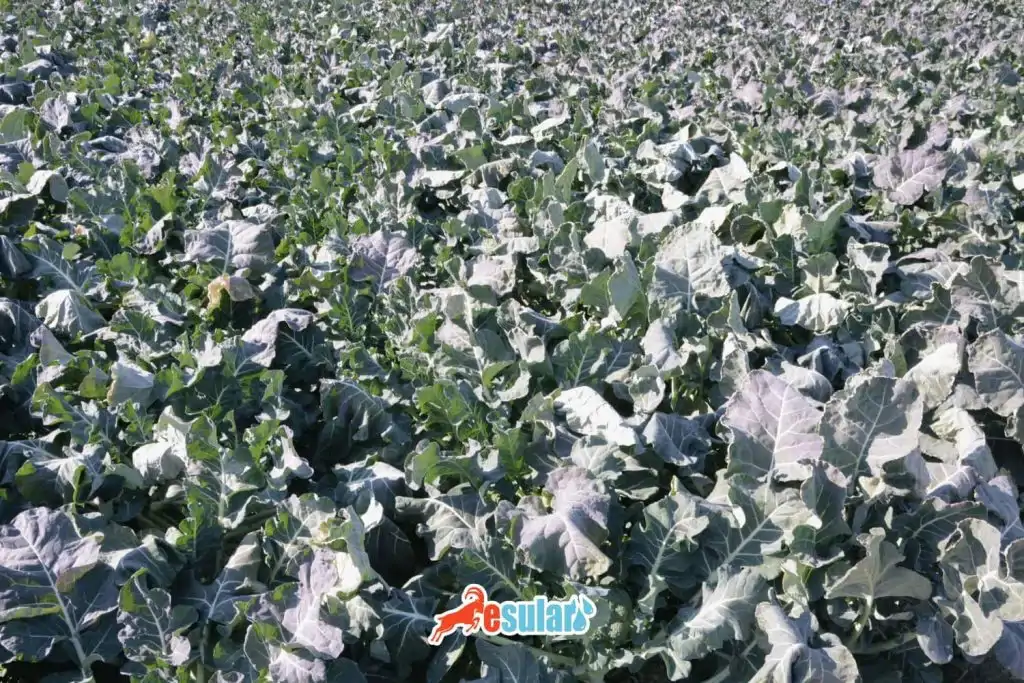
brokoli-nerede-yetisir

Climate and Soil Structure in Broccoli Cultivation

Preferring temperate climates, broccoli is among the cool-season vegetables. High temperatures and drought negatively affect the development of broccoli's immature flower buds. Therefore, ideal climate conditions are temperatures ranging between 15-20°C and balanced humidity levels. In terms of soil structure, it prefers light, well-drained, humus-rich soils with a pH value between 6.0 and 7.0. Soils with good water retention help the plant's roots develop healthily and take up nutrients effectively. Additionally, soils rich in organic matter provide the nutrients necessary for broccoli growth.

Sowing in Broccoli Cultivation

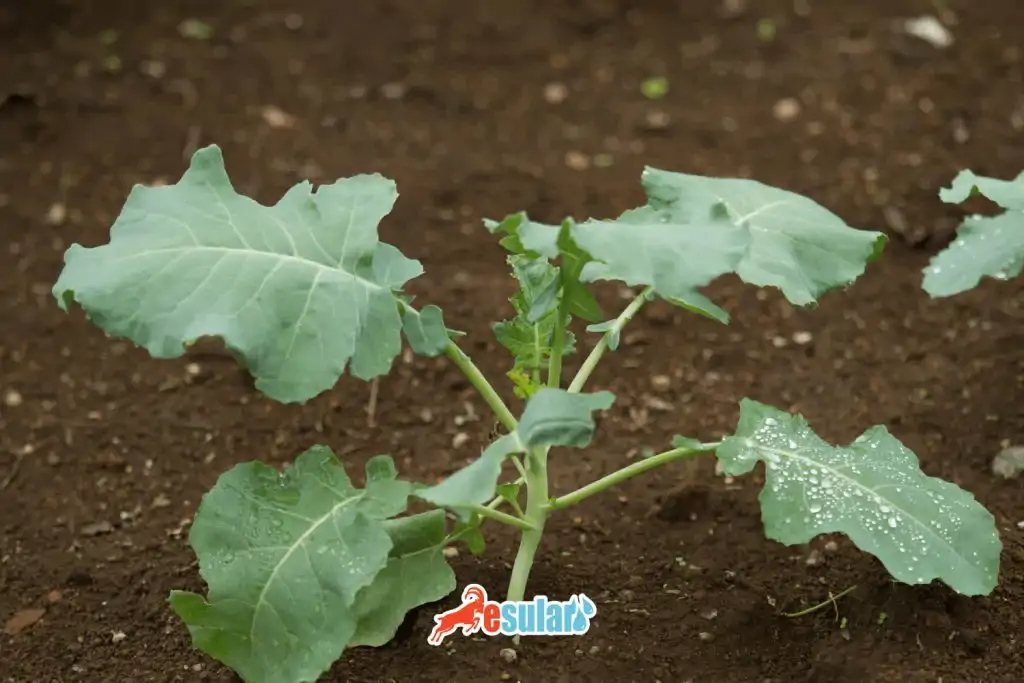
One of the cool-climate vegetables, broccoli is generally sown in the winter months. Seed selection is very important for the success of this process. Healthy and quality seeds are the first step to obtaining a healthy and productive broccoli plant. Preparing the soil well before sowing is also very important. Soil nourishment is provided through soil plowing and necessary fertilizations. Broccoli seeds are generally planted with a distance of 45-70 cm between rows and 30-50 cm on the row. Sowing depth may vary depending on the seed size, but it is generally sown at a depth of 1-2 cm. Regular irrigation and weed control should be carried out after sowing to maintain soil moisture. During the sowing period, protective sprayings against harmful insects and diseases should also be done regularly. By following these steps, it is possible to obtain a successful and healthy product in broccoli sowing.

brokoli-yetistirme

Irrigation in Broccoli Cultivation

Since it is a plant that does not like excessive humidity, care should be taken regarding the irrigation of broccoli. Constantly moist soil leads to root rot and diseases in the broccoli plant. Generally, the ideal irrigation interval for broccoli is 7-10 days. However, this period varies depending on the region's climate, the soil's moisture retention capacity, and weather conditions. The drip irrigation system is one of the most suitable irrigation methods for broccoli. This method ensures that water is given directly to the root zone of the plant. If a drip irrigation system cannot be applied, furrow irrigation is also an effective alternative. The irrigation need of the broccoli plant increases especially in the first weeks after seedling planting and during the heading period. During these periods, irrigation frequency and amount are increased to meet the plant's water needs. However, in broccoli cultivation, excessive irrigation should always be avoided and the soil's water retention capacity should be taken into account.

Fertilization in Broccoli Cultivation

First of all, soil analysis should be performed before growing broccoli. Based on the soil analysis results, it is determined what types of fertilizers should be used. In broccoli cultivation, nitrogenous, phosphorus, and potassium fertilizers are generally used. During planting, all of the phosphorus and potassium fertilizers and one-third of the nitrogenous fertilizer are mixed into the soil. This helps the plant's root systems strengthen and make a healthy start during the initial growth periods. As the broccoli plant grows and main heads begin to form, the remaining amount of nitrogenous fertilizer and other nutrients are applied in different ratios and at specific periods. This ensures the plant is fed continuously and in a balanced manner. Consequently, high-quality and healthy products are obtained.

brokoli-tarimi

Harvest in Broccoli Cultivation

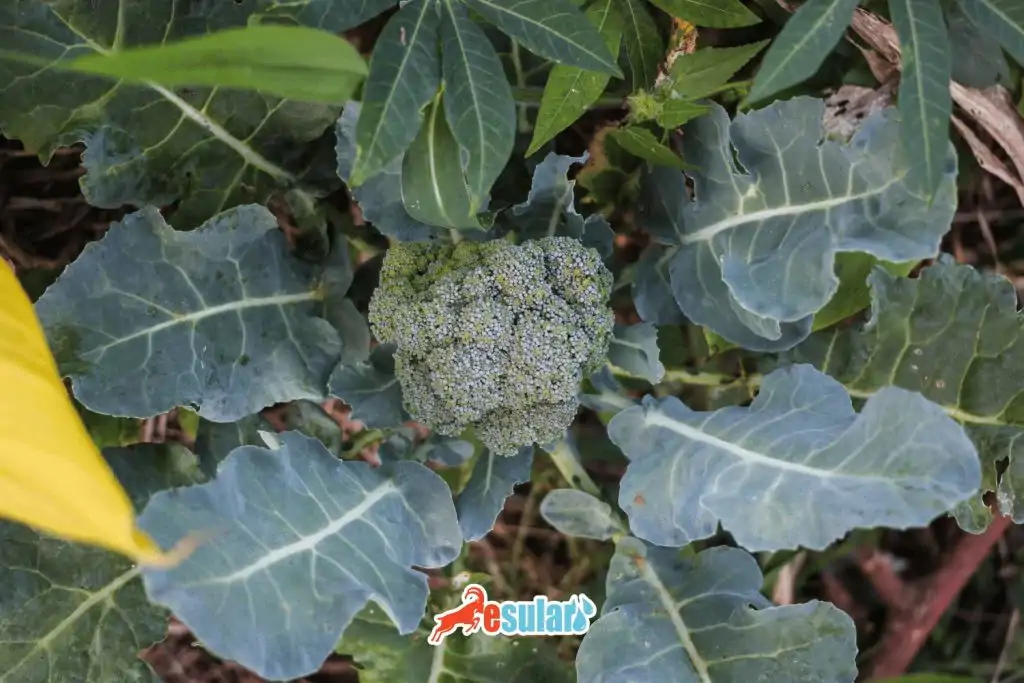
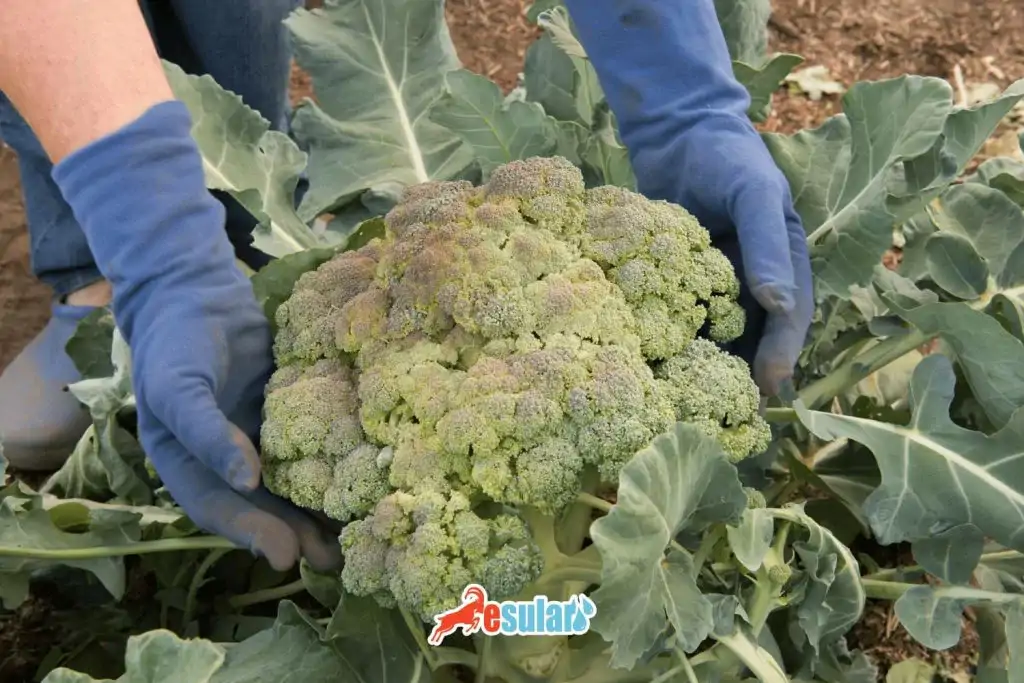
The harvest process is carried out before the flower buds of the broccoli plant have opened yet. The starting of buds to open and the appearance of yellow flower petals means that the product has lost its market quality. During the harvest process, with the cutting of the main broccoli head in the middle, the shoots on the sides grow rapidly and form smaller heads. During a growing season, harvesting is usually repeated 4-6 times, generally every 2-3 days. 

brokoli-hasati

How Much Broccoli is Produced from 1 Decare?

The yield of harvested broccoli varies depending on the harvest method, the variety used, the planting distance, and growing conditions. Generally, a yield between 2000-3000 kg per decare is obtained. Broccoli heads continue to develop even after harvest. Therefore, harvested broccolis turn yellow within about three days at room temperature and lose their market value. The most suitable storage conditions for broccoli are provided at a temperature of 0°C and 95% humidity in a well-ventilated environment. Harvested broccoli should not be stored for more than 2-3 weeks under these conditions. Long-term storage causes the color of the flower buds to change and the buds to drop. Therefore, broccoli should be delivered to the consumer as soon as possible after being harvested.

Yorumlar

Daha Fazla İçerik İster misiniz?

Akıllı tarım hakkında en güncel içerikleri takip edin.