Tüm Yazılar
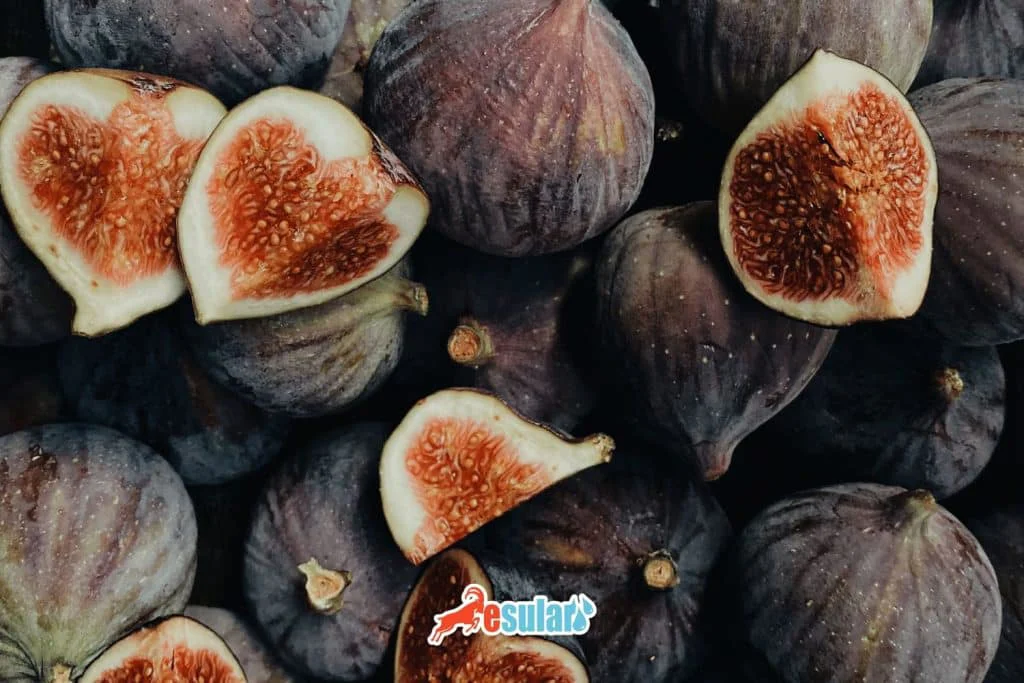
How is Fig Cultivation Done?
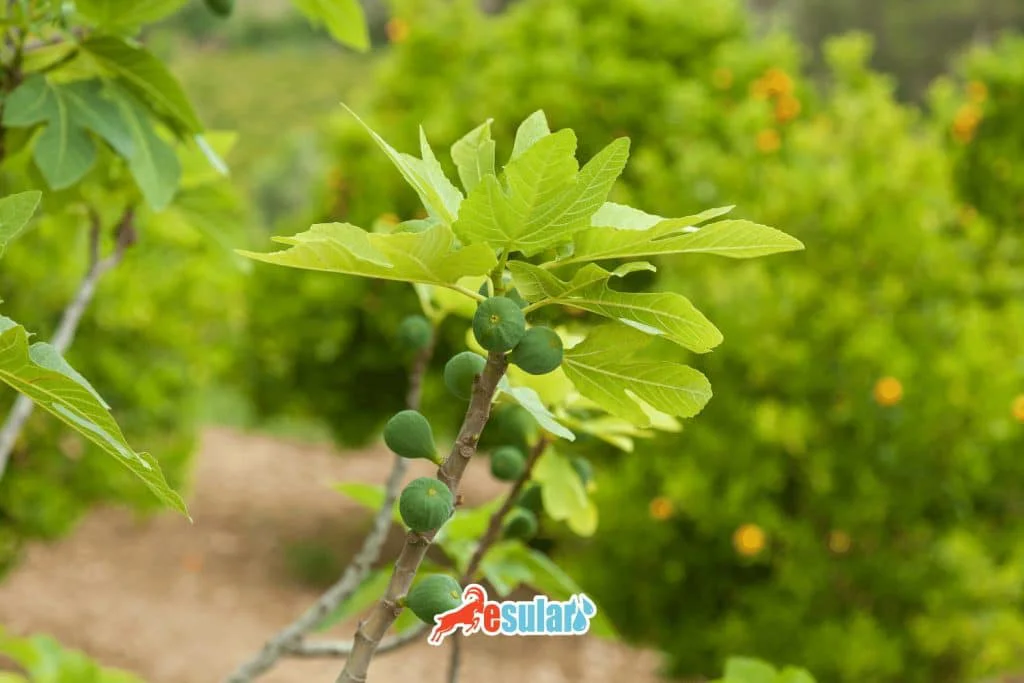
Fig cultivation is an agricultural activity with a history of thousands of years and is carried out intensively in regions where the Mediterranean climate prevails. Turkey is an important player in fig cultivation worldwide and stands out in this field, especially with the fertile lands of the Aegean Region. In addition, figs have many health benefits. In particular, while supporting the digestive system thanks to its high fiber content, it also strengthens the immune system by being rich in antioxidants. In an era where sustainable agricultural practices are gaining importance today, organic fig cultivation is also receiving increasing interest. Organic fig cultivation, where the use of chemical fertilizers and pesticides is kept at a minimum level and soil and water resources are protected, both adopts an environmentally friendly approach and allows for high-quality products to be obtained. As a result, fig cultivation is a valuable agricultural activity from both economic and ecological perspectives, and it has great importance worldwide and especially in Turkey.
What are the Fig Varieties?
The fig is a fruit that has many different species and varieties in the world. Some popular fig varieties are:
Sarı Lop (Calimyrna): It is a popular variety grown in the Aegean region of Turkey. Sarı Lop is known as a large, yellowish-brown colored, and sweet fig.
Smyrna (Izmir Fig): Coming from the same family as Sarı Lop, this variety is smaller and sweeter. It is frequently grown in Izmir and its surroundings.
Brown Turkey (Kahverengi Türkiye): This variety is known for its brown skin and sweet interior. It is medium-sized and quite delicious.
Mission (Arab): This fig variety, which is black-purple in color, has a sweet and sugary interior. It is frequently grown especially in America.
Kadota: This variety has a green-brown skin and a sweet interior. It is medium-sized and quite delicious.
Adriatic: This variety has a white or light yellow skin and a sweet interior. It is medium-sized and has a juicy structure.
Black Mission: This fig variety, which has a black and shiny skin, has a sweet and aromatic taste.
Osborn Prolific: This variety produces large and sweet figs. It is a very productive tree and is medium-sized with a green-brown color.
Brunswick: This variety produces large figs with a sweet and juicy interior. The skin color is yellow-brown.
Violet de Bordeaux: This variety, which has a purplish-black skin and a sweet interior, is small and aromatic.
Each of these varieties can grow in different climate and soil conditions and has different flavor profiles. To obtain the best flavor and yield among fig varieties, it is important to apply appropriate care and cultivation methods.
Climate and Soil Structure in Fig Cultivation
This plant grows best in regions with mild winters and hot, dry summers, in places where the average annual temperature is between 18-20°C. In the period from fruit emergence to the end of harvest, especially in the months of May-October, it needs higher average temperatures. Especially during the fruit ripening and drying period (August-September), average temperatures reaching up to 30°C are suitable. Figs can withstand short-term cold above -9°C; however, early frosts falling to -3, -4°C in October-November can damage young trees and lead to the death of the tree. Winter temperatures of -4°C and -7°C can damage the boğa crop and the ilek wasp, especially in male figs. For this reason, male fig orchards should be established in regions that are closed to the north and face south. During the drying season, it is desired that the month of July passes without rain and without clouds. During the drying period, air humidity should be between 40-45%. High relative humidity during the ripening period can cause cracks in the fruits.
Regarding soil requirements, the fig tree can grow in almost any type of soil except for very moist soils. However, for dry fig quality, deep, sandy-clayey soils rich in organic matter and lime are preferred. The soil pH value should be neutral or close to neutral, between 6, 7, 8. It is sensitive to excessive amounts of sodium and boron minerals. High water table levels and unstable water tables are harmful to trees. The water table level should not be closer than 2 meters from the ground.
Sapling Planting in Fig Cultivation
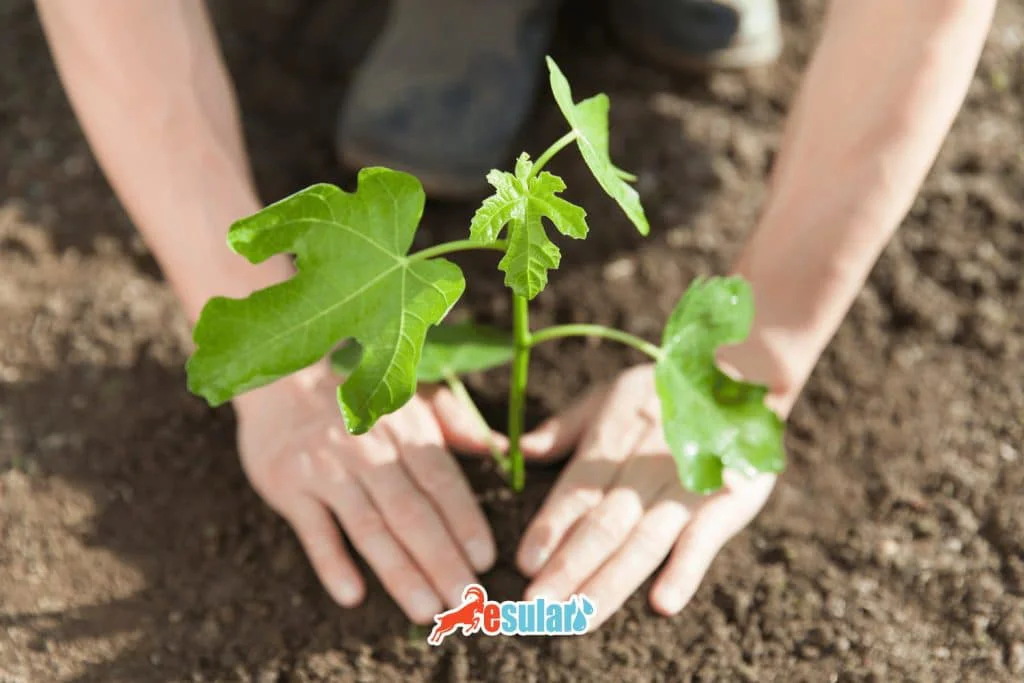
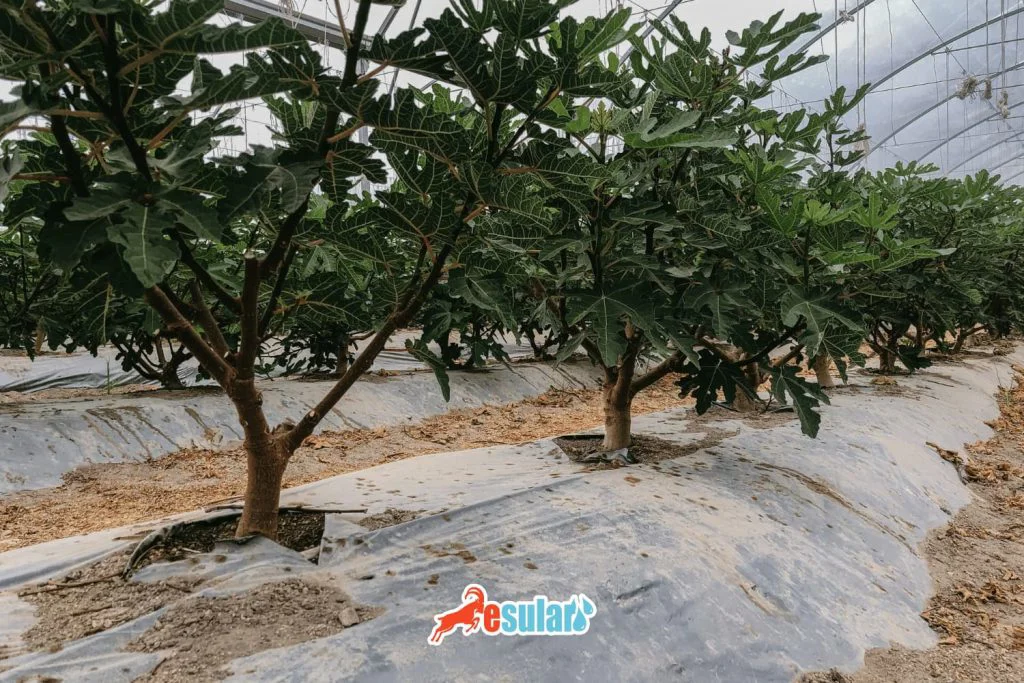
In the preparation stage of the land to be planted, especially in sloping lands, precautions should be taken against floods and it should be cleared of weeds with deep roots and rhizomes during the summer months. The saplings to be selected for planting should be between 1-2 years old, healthy and developed. Fig saplings should most appropriately be planted during the dormancy period, i.e., between leaf fall and the re-circulation of water in the spring. However, in regions where winters are not very cold and severe frost events do not occur, planting can also be done following the autumn leaf fall. While square or rectangular planting patterns are generally preferred on flat lands, the triangular planting pattern is preferred on slightly sloping lands, and the contour planting pattern is preferred in cases where the slope is above 3%.
The planting distance varies depending on soil conditions and climate conditions. While planting intervals are kept narrower in shallow and unproductive soils, wider intervals are preferred in deep and fertile soils. After planting is completed, life water is given to the sapling. Finally, the crown part of the sapling is cut from the determined crown height immediately after planting or before sprouting. The sapling trunk can be wrapped with protective materials or whitewashed with lime to protect it from sunburn. By following these steps, you can plant fig saplings and create a healthy fig orchard.
How Many Fig Trees are Planted per 1 Decare?
According to the recommended planting interval, with a planting determined as a minimum of 6x6 meters, approximately 15 to 30 fig trees can be planted per 1 decare. However, planting at 8x6 or 8x8 meters by leaving a wider area ensures that the trees grow healthier and more productively. In light of this information, between 15 and 30 fig saplings can be planted on a 1-decare land. Planting density is important for the trees to develop well, have access to sunlight, and provide ease during harvest. The most suitable planting interval should be determined by considering the conditions of the land to be planted, water resources, and soil structure.
How to Prune a Fig Tree?
Fig trees left to their natural development weaken and age due to the continuous longitudinal growth of their main branches. This situation leads to the lower parts of the tree remaining bare, sunburns, and a decrease in product quality. Therefore, regular pruning should be done to obtain high-quality products and extend the life of the tree. There are three main types of pruning in fig trees: training pruning, production pruning, and rejuvenation pruning.
Training Pruning: Appropriate intervals are left with 3-4 buds, and the main branches of the tree are determined. The balanced growth of the main branches distributed equally on the tree trunk is encouraged. This process ensures that the tree forms a vertical and strong main framework.
Production Pruning: This type of pruning is done to maintain the shape of the trees in their yielding age and to ensure balanced growth. It ensures that light is distributed equally everywhere by thinning. In winter, dense, diseased, and dried branches are cut. In summer, unwanted shoots and fruit branches are removed.
Rejuvenation Pruning: It is used in aged and neglected trees. Dried and diseased branches are cleaned and the tree is rejuvenated. Shortening is done on all branches and new shoots are encouraged.
These pruning techniques ensure the healthy, balanced, and efficient growth of the fig tree, thus obtaining higher quality products.
Irrigation in Fig Cultivation
The annual rainfall requirement of fig trees is 625 mm. Irrigation should be done when the amount of precipitation falls below 550 mm. Besides the amount of precipitation, the form of precipitation and its distribution throughout the year are among the factors affecting the irrigation need. Especially the drought in July, August, and September during the product ripening period can cause leaf fall and a decrease in fruit quality. In this case, the fruits can be small, tasteless, low in flesh, and without honey. The market value of such figs is also low. In flat lands, in years when precipitation is sufficient, figs can be grown without irrigation. However, when precipitation is insufficient, irrigation should be done 1-2 times. In addition, excessive and late irrigation should be avoided. Especially the Sarılop variety is sensitive to irrigation. Therefore, irrigation should be terminated one month before the harvest.
Fertilization in Fig Cultivation
The first step for a correct fertilization program is to conduct soil analysis. Fertilizers are selected according to the analysis results. While nitrogen encourages leaf growth and shoot length, its excessive use negatively affects fruit quality by reducing fruit size. Phosphorus encourages root development. Therefore, phosphoric fertilizers are generally applied in the spring or during soil preparation. Potassium increases fruit quality, prevents sunburn of the fruits, and increases the tree's stress tolerance. Potassium fertilizers are generally applied to fig trees in late summer or early autumn. Organic fertilizers improve the soil structure, encourage microorganism activity, and increase soil fertility. Therefore, farm manure, compost, or other organic materials can be applied to fig trees immediately after harvest or in the autumn. Care should be taken during the application of fertilizers, and the amount of fertilizer should be carefully calculated to prevent over-fertilization. Since every tree and every orchard is different, the fertilization program should be reviewed every year and adjustments should be made when necessary.
Harvesting in Fig Cultivation
Fresh fig harvest directly affects the way the fruit is presented to the consumer and its quality. Baskets made of reed, vitex, and willow are generally used as collection containers for fresh figs. It is important that the inner surfaces of these baskets are smooth so that the figs are not damaged and the fruit is not damaged while being transported to fresh markets. The harvest time varies depending on the maturity of the fig fruits. While fresh figs for the domestic market are harvested at full eating ripeness, for the foreign market, the fruits are harvested before full ripeness, according to demand and to be resistant to travel. A mature fig fruit should have taken the variety-specific color of its skin, be shiny, flexible, and easy to peel. In addition, it should have a sweet, substantial, and soft fruit flesh. The harvesting process is done by hand and should be done carefully so that the collected figs are not damaged during harvest. The harvesting of fresh figs should be done in the early hours of the morning while the weather is cool and should not be exposed to the sun. The collected product should be packaged in a shady and cool place and shipped to the market as soon as possible.
Dried figs, on the other hand, lose water on the tree and fall off by themselves. The collection of these fallen figs is important, especially to prevent the negative effects of mold fungi and fig moth butterflies that may occur in dried figs. The collection process of dried figs should be done regularly every day, and baskets, buckets, or similar containers of 10-15 kilograms should be used as collection containers.
How Many Years After Does a Fig Tree Give Fruit?
Fig trees start to give fruit within the second year at the latest, except for the year they are planted. This situation is stated by considering that the sapling is generally between 1-2 years old when planted. Therefore, a fig tree starts to give fruit in the following year or at the latest within the second year from the year it is planted.
Kategoriler
Etiketler