How is Onion Cultivation Done?

24 Ocak 2026 Çağla Altıntaş 2 görüntülenme
Tüm Yazılar

How is Onion Cultivation Done?

Onion cultivation is an activity that holds an important place in agricultural production and is widely practiced worldwide. Onion cultivation is an important part of agricultural production and is widely carried out worldwide. Onion is known for being a nutritious and delicious vegetable and is used as an important ingredient in many recipes. Although there are different varieties and types of onions, they are grown in different regions in accordance with climate conditions and soil characteristics. This process consists of various stages such as soil preparation, planting, irrigation, fertilization, pest control, and harvesting. In countries like Turkey where onion cultivation is carried out intensively, this activity provides an important source of income for farmers, while also supplying raw materials to the food industry and playing an important role in trade.

How Should Climate and Soil Structure Be in Onion Cultivation?

Suitable climate and soil conditions are very important for onion cultivation. The onion plant develops best in a cool and humid environment. This plant is also resistant to frost. In terms of soil structure, onion generally prefers light and well-drained soils. Sandy-loamy and clayey-sandy soils rich in humus are the most suitable for onion cultivation. Well-drained soils prevent water accumulation and support the healthy development of onion roots. The pH level of the soil is also important and the most suitable values are between 6 and 6.5. Under these conditions, it is possible to obtain a healthy and productive onion harvest.

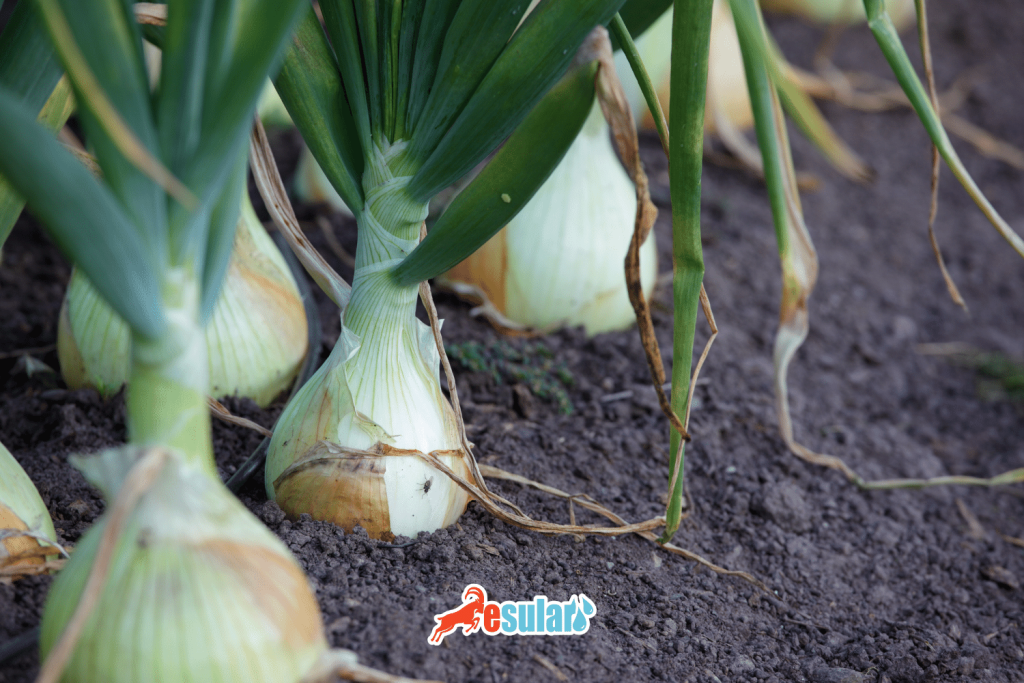
Onion Bulbing

Cool weather is important in the early growth stage, but warmer environments are required for the bulbing and maturation process. The average temperature should be below 12.8 ºC in the early stage, 21 ºC during the bulbing period, and in the range of 24-27 ºC for maturation.

sogan-yetistiriciligi

How to Grow Onions? How is Onion Planting Done?

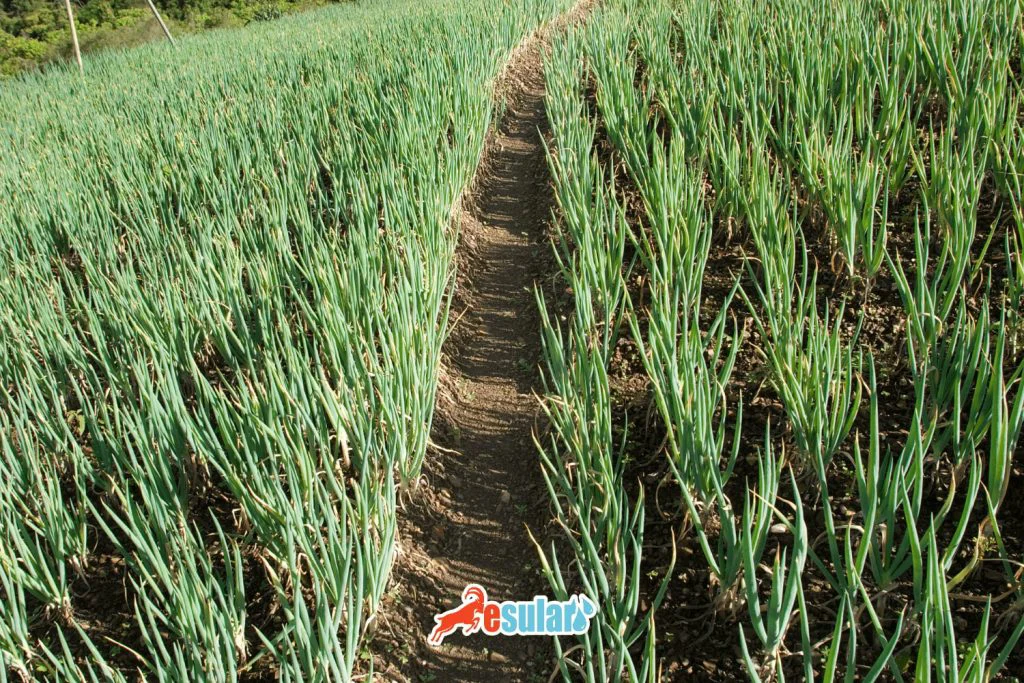
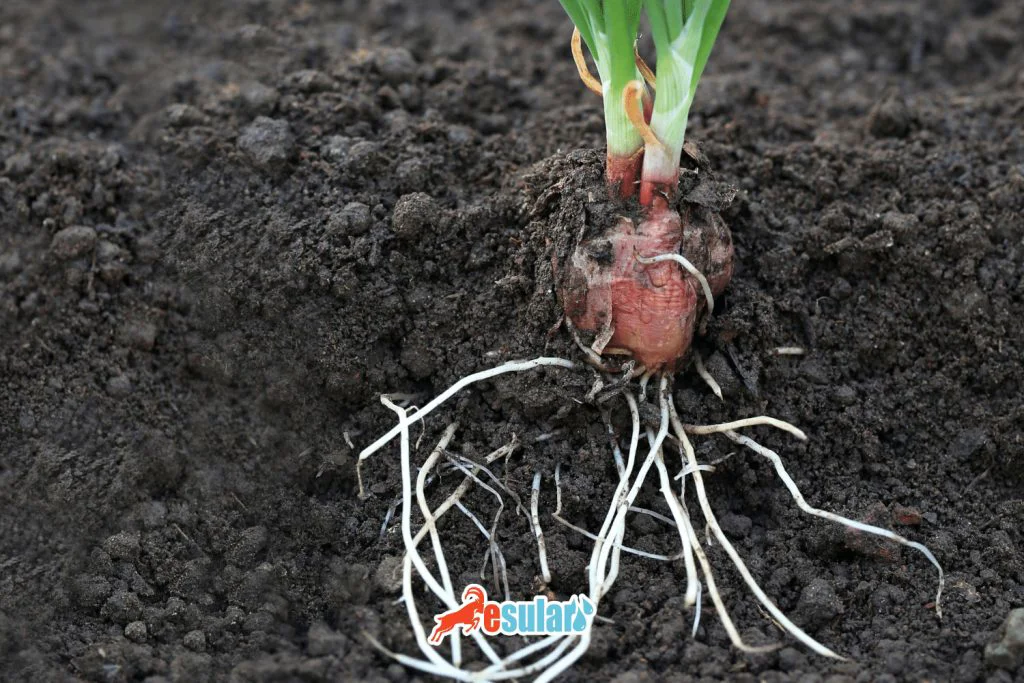
Onion cultivation is carried out in three different ways. The first method starts with direct seed sowing and is harvested in a 5-6 month process within the same vegetation period. In the second method, which is cultivation with sets, sets are obtained in the first year. In the second year, these sets are planted to obtain bulbs. The third method is cultivation with seedlings and has the same duration as seed sowing; however, bulbs are obtained within the same year. Economically, the most suitable method is the one with direct seed sowing. For this method to be applied successfully, very good soil preparation must be done in the field. The field is processed in the autumn, and 2-4 tons of well-rotted farmyard manure per decare are applied before processing. In the Mediterranean region, the seed sowing date usually corresponds to the period between August 15 and October 15. Before sowing, as soon as the soil reaches tilth, shallow processing is done. The soil is thoroughly broken up with a cultivator and rake, then pressed, and the seeds are sown. The plant row spacing should be 20-30 cm, and manual thinning is done to adjust the intra-row distances when the plants reach a height of 10 cm.

Fertilization in Onion Cultivation

Fertilization in onion cultivation ensures healthy growth and high yields by providing the nutrients the plant needs. Fertilization generally includes the use of organic and chemical fertilizers. The fertilization process is usually done during the soil preparation stage and is used in amounts determined according to soil analysis results. Organic fertilizers improve the structure of the soil, increase the water and nutrient retention capacity of the soil, and encourage the healthy growth of plants by nourishing the soil. Chemical fertilizers, on the other hand, are applied before seed sowing or at certain intervals after the plants start growing and generally contain main nutrients such as nitrogen, phosphorus, and potassium. In addition, microelement fertilizers can also be used to provide the plants with microelements that are deficient according to the soil analysis results. The amount and timing of fertilization may vary depending on the onion variety grown, soil characteristics, and climate conditions. It is important to get support from local agricultural experts or agricultural consultants regarding the amount and types of fertilization.

sogan-yetistiriciligi

Irrigation in Onion Cultivation

In onion cultivation, if a rainfall amount of 450-500 mm cannot be provided during the vegetation period of the plant, irrigation may be necessary. The most suitable irrigation method is usually the sprinkler system and 1-2 irrigations may generally be sufficient. However, irrigation should not be done during the bulb maturation period, because irrigation in this period can negatively affect the storage of the onion. Therefore, the irrigation program and methods should be carefully adjusted according to local climate conditions and the growth stages of the plant.

When is Harvest Done for Green Onions?

Onions are usually harvested when they reach a diameter of 1-2 cm. The top leaves of the harvested onions are carefully cleaned and their roots are purified by washing. Then, onions are usually organized into bunches and marketed. This process ensures that the onions are offered for sale fresh and attractively in terms of presentation.

How Many Kg of Dry Onions are Produced from 1 Decare?

When grown under suitable conditions from a one-decare area, generally between 1 and 1.5 tons of sets can be obtained. This amount may vary depending on factors such as sowing conditions, climate conditions, and fertilization. The diameter of the sets to be used in dry onion production is also important and is usually preferred to be between 1.0 and 1.8 cm. The amount of sets required when sowing per decare varies approximately between 35 and 40 kilograms. This amount can be adjusted according to factors such as soil fertility, variety selection, and sowing density.

sogan tarimi

Dry Onion Harvest

Before harvest, irrigation should be cut off to avoid difficulties in storage. When onions reach a certain size and their leaves start to turn yellow, it means the harvest time has come. In this process, the upper parts of the onions are broken and laid on the ground. After about 15-20 days, the outer leaves of the onions dry completely and the onions are dug up and removed from the soil. Then, the harvested onions are dried in the sun to be ready for storage. Digging onions from the soil is usually done by hand and the upper dry stems of the harvested onions are pulled off. The drying process is usually not performed on early-season onions.

What are the Diseases and Pests Seen in Onion Cultivation?

Among the most common diseases in onion cultivation, downy mildew and onion smut stand out. Common pests in onions include the onion fly and onion stem nematode. For the control of diseases and pests, farmers resort to cultural measures such as choosing resistant varieties and destroying diseased plants. In addition, spraying is done using chemical control methods. When the ambient temperature exceeds 16 degrees and the humidity rate exceeds 80%, the spraying process is started and intervention is made as soon as the first symptoms of the disease are seen.

Yorumlar

Daha Fazla İçerik İster misiniz?

Akıllı tarım hakkında en güncel içerikleri takip edin.