Tüm Yazılar
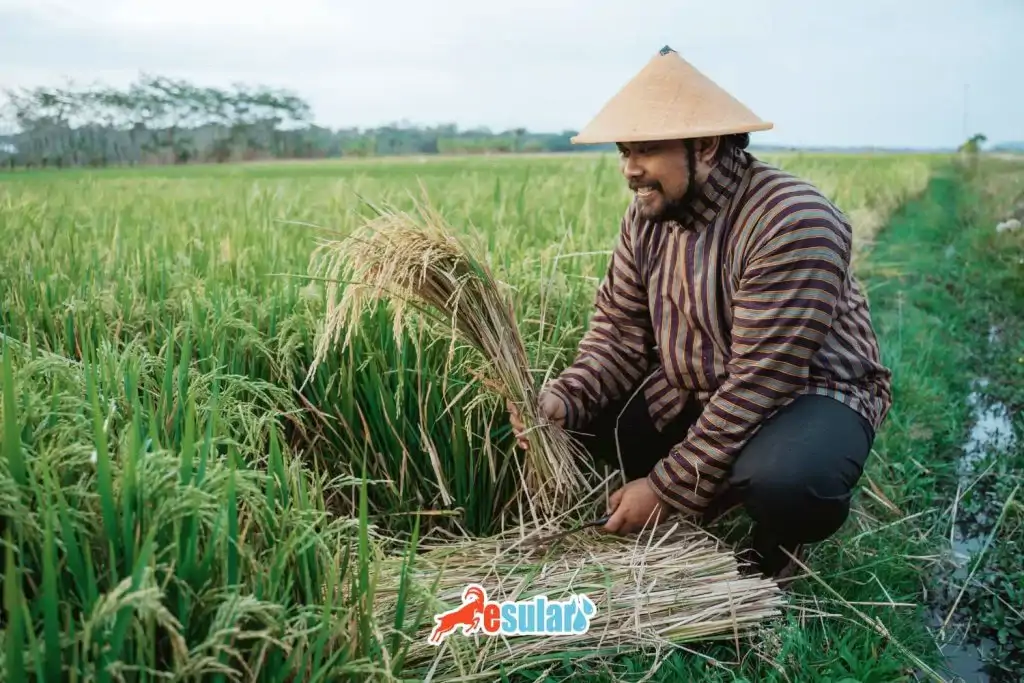
How is Paddy Cultivation Done?
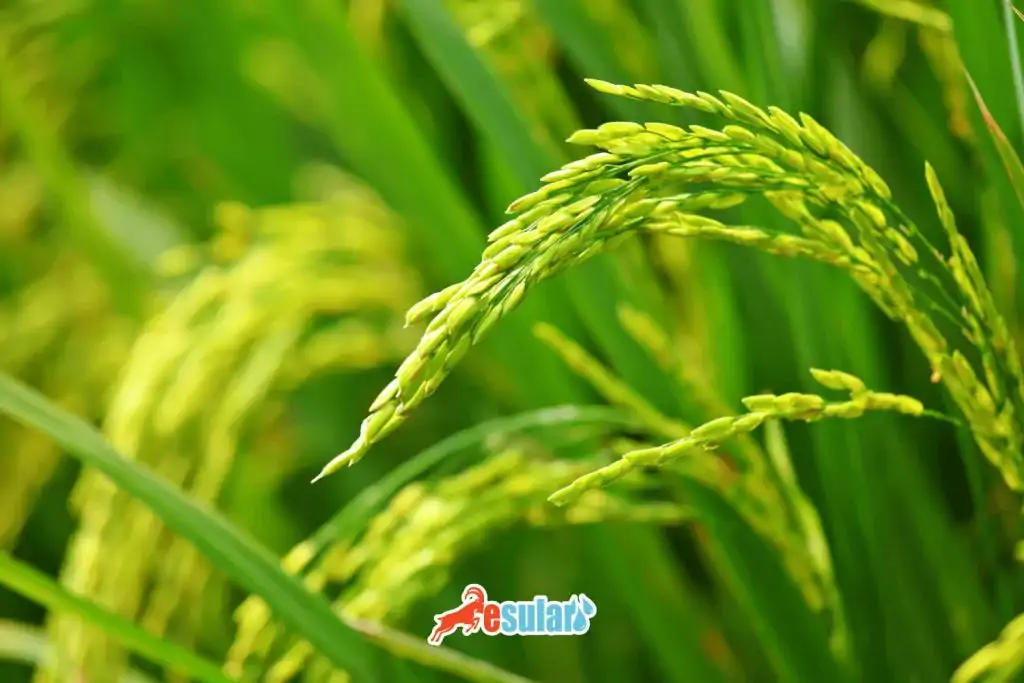
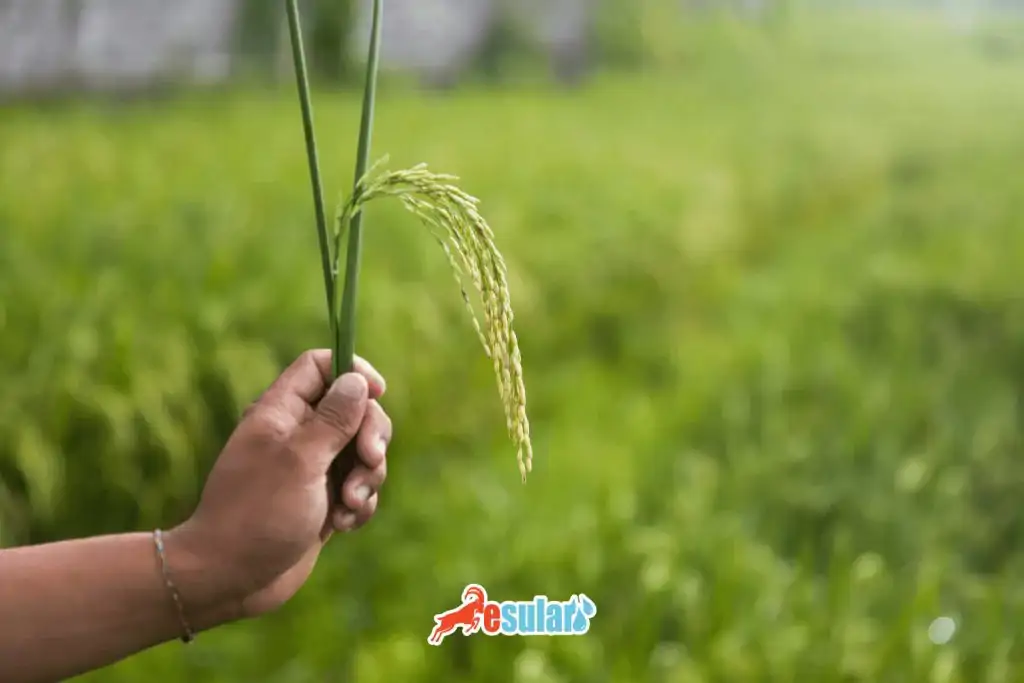
Paddy cultivation is an important agricultural activity for many countries and has a great commercial potential worldwide. Paddy is the basic raw material of rice, which is one of the most consumed food items in the world. The paddy plant is a meadow plant known as Oryza sativa and is a species that grows in water. Actually a cereal, paddy grows in watery environments and forms the husks of rice grains. Since paddy is a plant that requires irrigation, it is grown in river valleys, deltas, and low-altitude regions. Paddy cultivation can be a profitable option for farmers due to high demand in local and international markets.
Where is Paddy Cultivated?
Paddy is an important agricultural product grown in many different regions worldwide. South and Southeast Asian countries are considered its homeland; paddy production is quite common especially in countries like China, India, Indonesia, Thailand, Vietnam, and the Philippines. These regions offer the tropical and subtropical climate conditions where paddy grows best. However, paddy production is not limited to Asia. Paddy cultivation is also carried out in Latin America, Africa, and even some parts of Europe. In Turkey, paddy production is generally concentrated in the Black Sea Region. Especially provinces like Ordu, Samsun, Çorum, Amasya stand out in paddy production. The humid climate and abundant rainfall of the Black Sea provide suitable conditions for paddy cultivation. Although paddy production is carried out in other regions of Turkey, the leading position of the Black Sea in this field is noteworthy.
How Should Climate and Soil Structure Be in Paddy Cultivation?
Climatically, warm and humid subtropical or tropical climates allow the paddy plant to develop best. Paddy grows better in regions where water is abundant and mild temperatures prevail throughout the year. Additionally, the paddy plant is generally resistant to high temperatures in summer months and slight cold in winter months. In terms of soil structure, suitable soils for paddy are deep, loamy, moist, and well-drained. Soils with low water permeability and rich in nutrients ensure that the paddy plant grows healthily and yields product efficiently. However, since the paddy plant is a non-selective plant, it can be successfully grown in various regions provided that suitable climate and soil conditions are met.
Sowing in Paddy Cultivation
The sowing time and method in paddy cultivation can vary according to climate conditions, soil status, and characteristics of the region. Generally, paddy sowing is done during the period when the soil starts to warm up and the water temperature is at least 12 degrees. In Turkey, paddy sowing is generally done after the first weeks of May. Among the sowing methods, broadcasting, sowing with a drill, and seedling transplanting are commonly used. Soil preparation is important before sowing. First, the land is leveled and deep plowing is performed. Then, after the basins are made, processing is done with tools such as disc harrows or cultivators. Paddy seeds to be used as seedstock are pre-germinated by being placed in water beforehand. During this process, pesticide application can be done to combat paddy blast disease. After the seeds are sown in the basin, the water level is adjusted and germination begins. Irrigation is regulated depending on the development of the plant after sowing, and attention is paid to the water temperature.
How Much Paddy Seed is Sown per 1 Dönüm?
The amount of seed to be used in paddy sowing varies depending on the variety, sowing time, and soil fertility. For small-grained varieties, approximately 15 kilograms per dönüm can be sown, 17-18 kilograms for medium-grained varieties, and 20 kilograms for large-grained varieties. These amounts affect the number of seeds per dönüm. Generally, between 500 and 600 seeds are sown per square meter. This is an important detail to consider during sowing because the correct amount of seed has a great impact on plant density and subsequent growth and yield. Therefore, correctly determining and applying the amount of seed in paddy cultivation is important for successful production.
Irrigation in Paddy Cultivation
Irrigation in paddy cultivation is a factor that directly affects the growth and productivity of the plant. Irrigation should be regulated depending on the development stages of the plant. The paddy plant shows growth according to the water height. Generally, the water level should be kept around 15 cm during the maximum development stage of the plant. This ensures that the plant grows healthily and optimum yield is obtained. 15-20 days before harvest, water flow to the basins should be stopped and existing water should be drained. This ensures that the grains are fully filled and prevents an increase in the breakage rate during harvest. Water cutoff time is determined depending on factors such as variety and soil type. Generally, water cutoff for harvest can be done 30-35 days after flowering.
The temperature of the irrigation water is also important. The most suitable irrigation water temperature is 25-30 degrees. However, the water temperature rising above 30 degrees can negatively affect the yield of the plant. Irrigation should be done carefully at every stage of plant development. During seedling development, cutting the water and completely drying the field can encourage the germination of weed seeds and cause new weeds to emerge. As the water height increases, the plant height and thus the number of panicles decrease. The most critical stage for water stress in paddy is the period from 20 days before flowering to 10 days after flowering. During this period, irrigation should be done regularly and water stress should be minimized.
Fertilization in Paddy Cultivation
Using more fertilizer than necessary can lead to serious problems for paddy cultivation. This can cause an increase in lodging and fungal diseases (such as blast disease, foot rot), deterioration of the physical and chemical structure of the soil, increased tillering, yield losses, and environmental pollution. The paddy plant requires nitrogen throughout its development process. Nitrogen increases plant height, encourages rapid development, and increases the filled grain ratio in the panicle and the protein content of the grain. Fertilization in paddy cultivation should be based on soil analysis. Fertilization needs to be done depending on the amount of nitrogen, phosphorus, and potassium in the soil. While phosphorus encourages root development and early flowering, potassium increases leaf area and delays leaf death. Additionally, zinc deficiency is a common problem in paddy cultivation and can occur for various reasons. Symptoms of zinc deficiency include color change in young leaves, shortening of plant height, and yield loss. In case of zinc deficiency, treatment can be done with fertilizers containing zinc.
Harvest in Paddy Cultivation
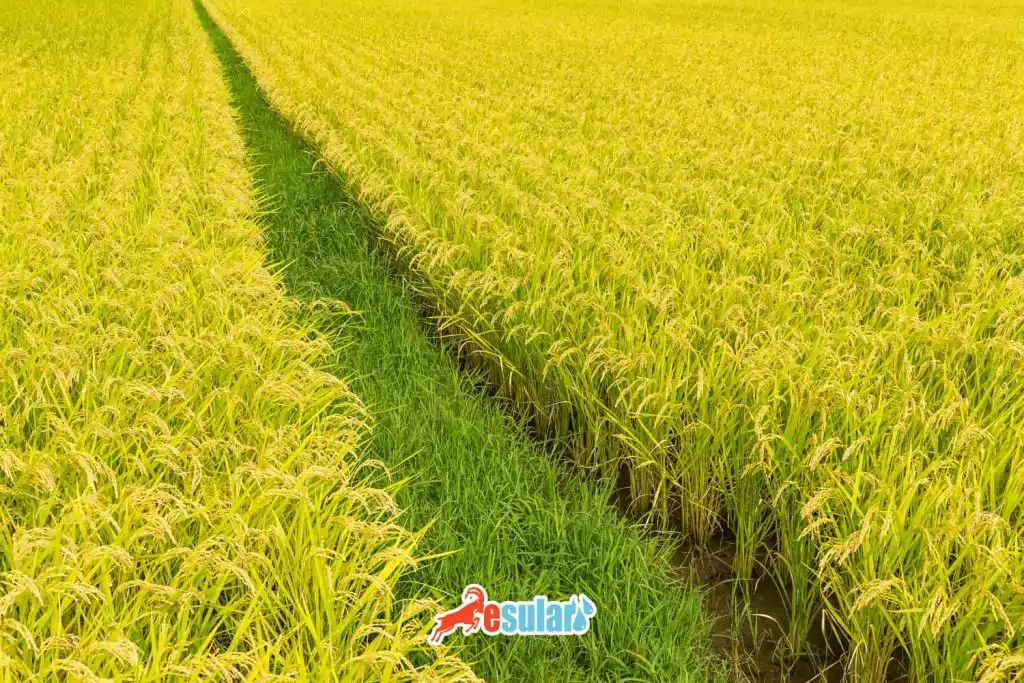
Harvest in paddy cultivation is the process when the plant reaches maturity and the grains become suitable for harvest. Generally, the paddy plant becomes suitable for harvest when 80% of the panicles take on a straw color and the grains in the lower parts reach the hard dough stage. At this stage, the moisture content of the grains is usually between 22-24%. Harvest can be carried out with several different methods in paddy cultivation. The most common ones are:
Manual Mowing (with a sickle): It is one of the traditional methods and is often preferred by small-scale producers. Plants are cut with manual mowing tools, usually sickles.
Mowing with Motorized or Self-Propelled Mowers: It is a more common method in large-scale production. With motorized or self-propelled mowers, plants are mown faster.
Combine Harvesting: It is one of the most modern and efficient methods. Combines mow the paddy plants in the field and separate the stalks at the same time.
During the harvest process, the mown stalks are left to dry under the sun for a certain period. After the drying process, the stalks are collected and threshed with threshing machines or combines. This process ensures the separation of grains from the stalks. Various negative factors can be encountered during early or late harvest periods. In early harvest, grains may not be mature, and this situation can reduce yield and efficiency. In late harvest, animals such as birds and rodents can cause damage and the broken grain rate can increase. Additionally, problems that may occur during the drying process should also be considered.
How Much Paddy is Produced from 1 Dönüm?
Paddy productivity can vary according to countries and various factors. World paddy yield is generally around 410 kg/da. The paddy yield per decare in our country is usually 780 kg on average. This yield can vary depending on factors such as diversity in production, agricultural practices, climate conditions, and soil quality. How much paddy will be obtained from one dönüm varies depending on productivity and agricultural practices.
What are the Diseases and Pests Seen in Paddy Cultivation?
In paddy cultivation, it may be necessary to fight against various diseases and pests. The most common ones are:
Blast Disease (Pyricularia oryzae): It is a fungal disease that starts as small, dark spots on the leaves and then grows to cover all the leaves of the plant. It becomes widespread in high humidity and temperature.
Foot Rot (Fusarium moniliforme): It is a fungal disease seen at the crown of the plant that prevents the plant's nutrition and water intake by rotting the roots. It is a pathogen that can remain in the soil for a long time.
Bacterial Leaf Spot Disease: It creates water-soaked spots on the leaves and then causes the leaves to dry out.
Snails: They are among the pests frequently seen in paddy fields. They prevent the growth of the plant by eating the leaves and reduce the yield.
Weeds: It is important to control weeds in paddy fields.
To combat these diseases and pests, methods such as field culture, correct fertilization, suitable irrigation methods, and chemical control can be used. Additionally, the spread of diseases and pests can be prevented by taking measures such as the use of resistant varieties and rotation.
Kategoriler
Etiketler