How is Salep Cultivation Done?
Salep cultivation is an important agricultural activity, especially in the rural regions of Turkey. The salep plant is an endemic species and is under protection in its natural habitat, and for this reason, its cultivation requires care. The process, which starts with permissions obtained from relevant Ministry of Agriculture units, begins with seed sowing in autumn. Many different varieties of salep are grown in our country, the most well-known being Bucak, Maraş, Antalya, Muğla, and Kastamonu saleps. Salep cultivation is concentrated especially in rural regions and forested areas, and calcareous soils in these areas ensure that the salep plant grows productively. With the supports offered by the state, salep cultivation is further encouraged and various advantages are provided to farmers working in this field. Despite the increasing demand in recent years, the high prices of salep make this agricultural activity attractive. Salep cultivation is a sector that can provide high yield and profit with correct planning and care.

Where Does Salep Grow?
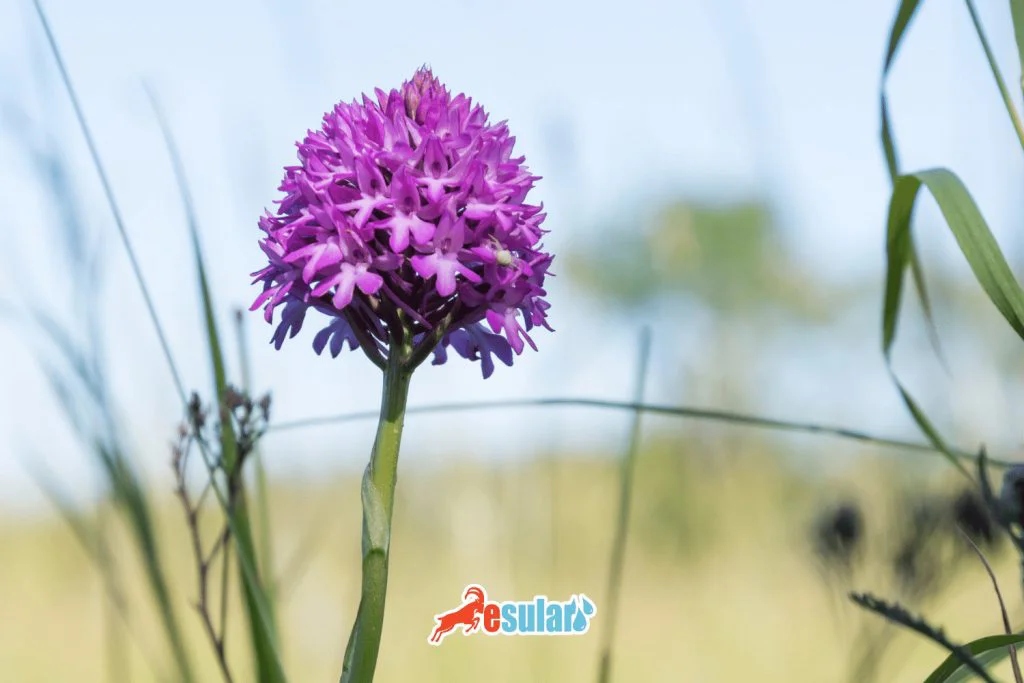
Salep is an endemic plant species that grows in many regions of Turkey. Especially among the regions where salep grows; Burdur, Bucak, Kahramanmaraş, Antalya, Muğla, Kastamonu, Sinop, and many other provinces are included. The salep plant generally grows in calcareous and light-textured soils, usually found in mountainous and forested areas. These regions constitute the natural habitat of the salep plant and provide suitable environments for salep cultivation. Especially the Bucak district is one of the most famous salep cultivation centers in Turkey, and salep production is quite common here. Additionally, salep cultivation is an important economic activity in regions such as Antalya, Muğla, and Kahramanmaraş.
Is Permission Required to Grow Salep?
Permission is required to plant salep. Farmers who want to produce must apply to the Provincial/District Directorate of Agriculture and Forestry where the production site is located. For this application, the Salep Production Application Form must be filled out and submitted. During this process, Agriculture and Forestry Directorate officials conduct the necessary inspections and grant permission. This permission ensures that salep production is carried out within the framework of certain rules and regulations.
What are the Salep Varieties?
Salep varieties grown in Turkey are generally known by regional names and offer various flavors. Bucak Salep is grown in a district of Burdur province and while there is a salep exchange in this region, Maraş Salep is produced in Kahramanmaraş and is recognized as the raw material of Maraş ice cream. Saleps grown in regions like Antalya, Muğla, and Kastamonu also occupy an important place. In our eastern provinces, Meadow Salep is grown in Van and Siirt.
Climate and Soil Structure in Salep Cultivation
Climate conditions are a decisive factor for salep cultivation. Generally, the salep plant grows better in temperate climate regions. Climates with cold and rainy winters and hot and dry summers are ideal for salep cultivation. Such climate conditions support the natural cycle of the plant and ensure healthy growth. Soil structure is also important for salep cultivation. The salep plant generally grows well in calcareous or clayey-loam soils. Well-drained soils with slightly acidic or neutral pH allow the plant's roots to develop healthily and absorb nutrients. Additionally, it is important for the soil to be deep and provide good drainage because salep roots extend deep and prevent water accumulation in the soil. The most suitable regions for salep cultivation are generally rural areas because natural vegetation and various plant species are usually found in these regions. Furthermore, salep cultivation is generally carried out in forested or mountainous areas. Because these regions usually have temperate climate conditions and suitable soil structure.
Tuber Planting in Salep Cultivation
The salep plant generally grows well in calcareous or clayey-loam soils, and the soil structure should support the healthy development of tubers. Tuber planting is done in late autumn, usually in October-November. Tubers must be disease-free and healthy. Planting depth and spacing should be adjusted depending on the size of the tubers and plant density. Regular irrigation and care encourage the growth of the plant and increase productivity. The salep plant is usually harvested in April-May. During harvest, the main tuber is left and other tubers are collected. This ensures that the plant regrows for the next year. Harvested tubers are dried and processed to be used for salep production. Tuber planting in salep cultivation is important for obtaining high-quality products with careful planning and care.
Maintenance Procedures
After tuber planting, it is observed that the plants emerge to the soil surface; this usually happens with rainfall. However, if rainfall is insufficient, irrigation may be necessary. One of the important problems encountered in salep cultivation is weeds. Salep plants are highly sensitive to weeds as they are small and on the ground. For this reason, manual weeding should be done at least 2-3 times during the growing process. Since the salep plant grows in winter, it generally meets its water needs with natural rainfall. However, in some cases, irrigation may be required when spring rains are insufficient. Alternaria disease can be encountered if plants are grown in shaded environments or remain underwater after excessive rainfall. Known pests of the salep plant include pigs and moles. While measures such as fences can be taken against pig damage, chemical or cultural measures can be applied for moles.
Harvest in Salep Cultivation
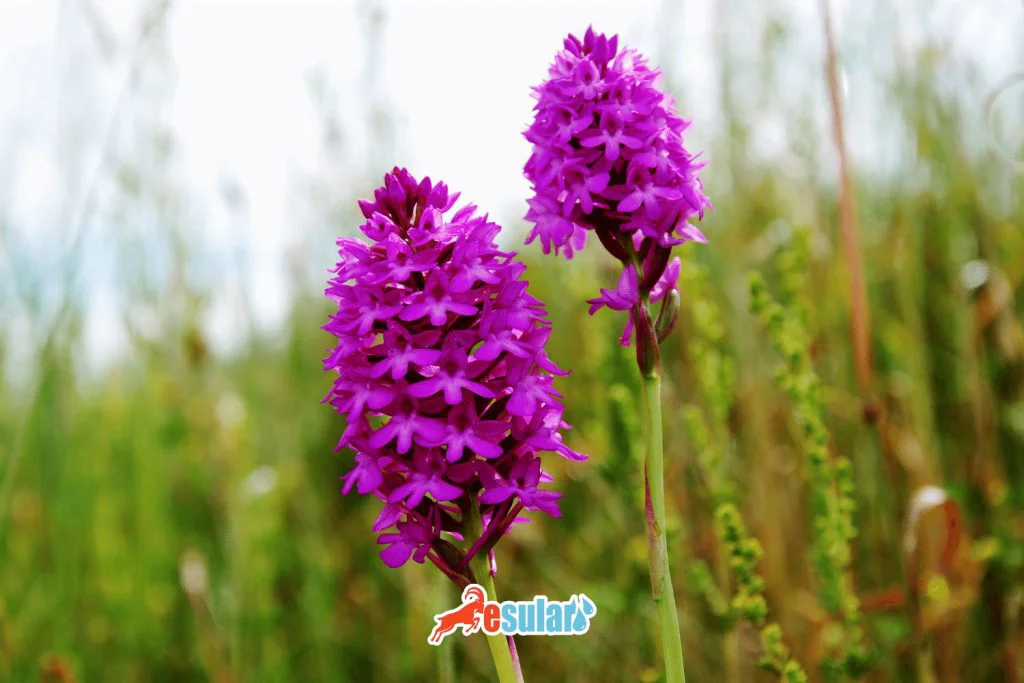
The harvesting process in salep cultivation is carried out during the full flowering period of the plants. The most suitable harvest time is when the flowers of the plants are fully developed and opened. This is usually in the spring months, around late April. The harvesting process is usually done by hand and must be done carefully because care should be taken not to break the tubers from their stems and leave them underground. Harvested tubers are then dried and processed. Plants grown under good care conditions can provide a yield between 300-375 kg if 100-125 kg of tubers are planted per decare.
In How Many Months Does Salep Grow?
It usually takes about 10-12 months for the salep plant to flower. However, tubers planted in the first year are generally not used in salep making. Therefore, it is necessary to wait for the next year to obtain tubers suitable for harvest. Second-year tubers become more suitable and ready for use.
Storage of Harvested Saleps
In order to store tubers harvested for seed purposes after harvest, they must first be wilted. The wilting process is carried out by placing them in plastic crates in a single layer in an open and airy environment. This process usually takes about 10-15 days under 75% shading. The wilting period may vary depending on weather conditions. It can be shortened on sunny and windy days, while it can be extended on rainy, humid, and cool days. Covering the tubers with a polyethylene sheet should be taken as a protective measure on days with a possibility of rain. During this process, the tubers repair their small wounds, thicken their skins, and become more suitable for storage by losing water. Wounded tubers should be separated beforehand so that they do not rot and affect others. After the wilting process, the tubers are kept at room conditions in a place that does not receive direct sunlight and is inaccessible to mice. During this process, a weight loss of around 40-50% may occur in the tubers. Tubers removed from storage at the end of September or beginning of October should be planted in their places prepared for planting. Tubers stored in this way can be kept without requiring special air conditioning and can be kept until planting.
Yorumlar