Tüm Yazılar
How Saffron Cultivation Is Done?
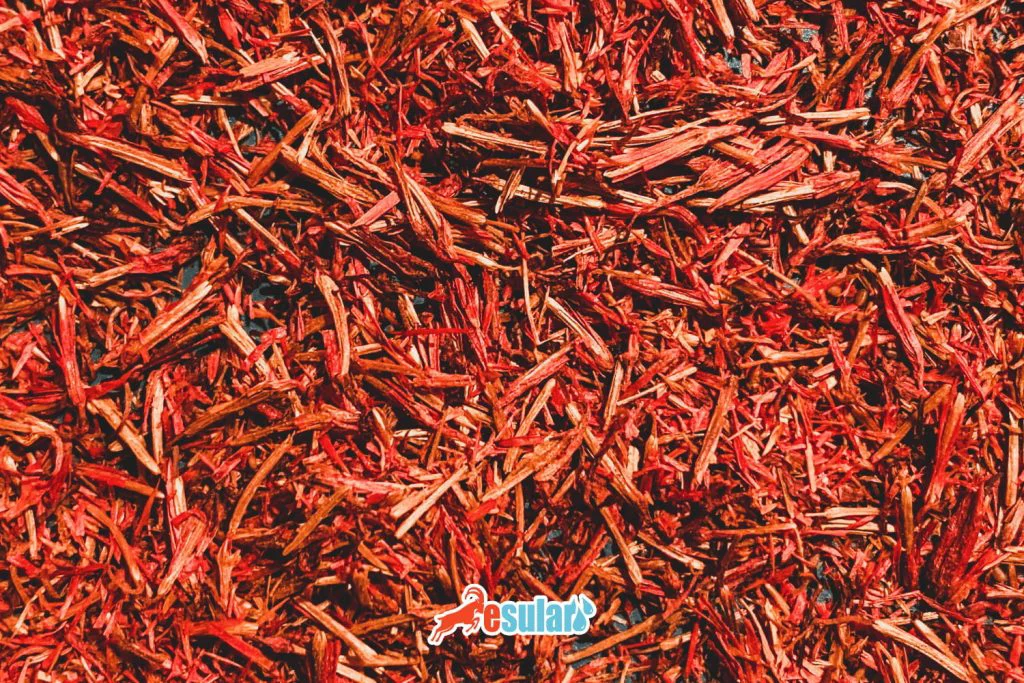
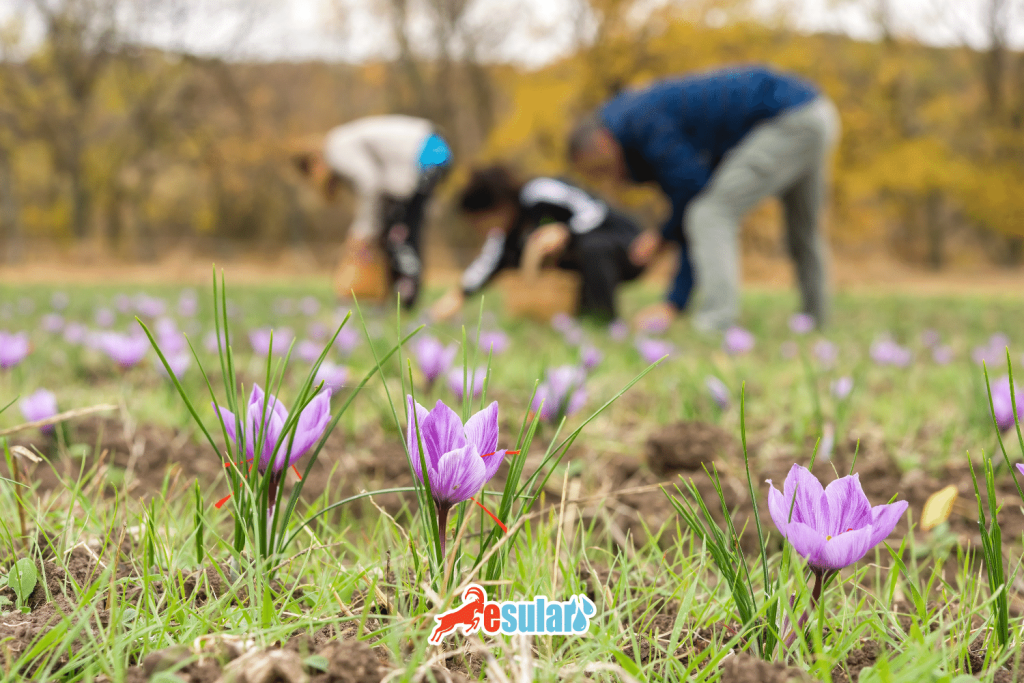
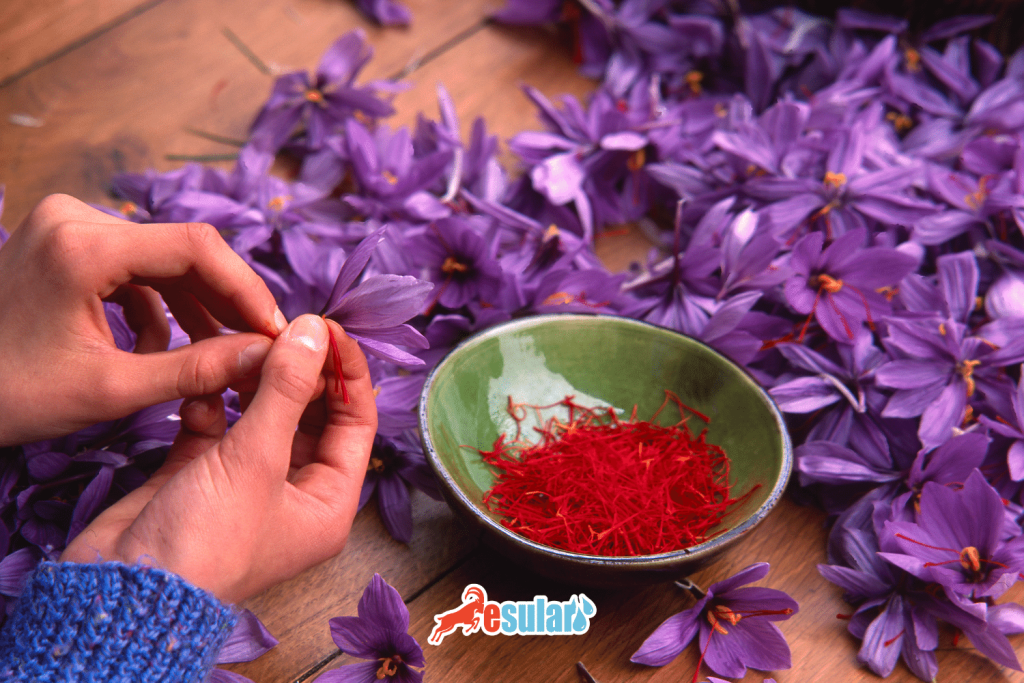
Saffron is the dried stigma of the plant named Crocus sativus L. This plant is a bulbous culture plant that blooms purple flowers along with its leaves in autumn. It is 20-30 cm long. It is a triploid plant species that does not produce seeds, and saffron cultivation is produced with the bulbs of the plant. The plant from which saffron is obtained is also called saffron. Today, saffron is grown only in Safranbolu's Davutobası, Yörükköyü, Geren, and Aşağıgüney Villages by 7 producers on an area of 5 decares. As a result of the efforts of the Karabük Provincial Directorate of Agriculture, this area was increased to 9 decares in 2005. The external appearance of saffron is in the form of reddish-orange, easily breakable filaments with slightly wider tips. The complete ones are three-parted at the tip. It has a bitterish taste, a strong and special smell. The chemical composition of saffron includes volatile and fixed oil, bitter substance (picrocrocin), and red coloring matter (crocin). Saffron has stimulating effects on the nervous system, appetite-enhancing, and emmenagogue effects. At the same time, it is used as a scent and colorant; specifically, one part of saffron colors 100,000 times its volume of water into a distinct yellow color. It is also found in zerde. Its use is common in cakes and pastries in European countries, and in Turkish delight in Turkey. Additionally, it has been recently stated that saffron has anti-tumor effects.
Climate and Soil Requirements for Saffron Cultivation
The growing conditions of the saffron plant are similar to growing vines. It develops successfully on southern slopes protected from the wind. Those who cultivate saffron usually define this as, ‘it would be good if saffron does not see the afternoon shadow’. Saffron prefers sandy, loose, stone-free and well-drained soils. However, it does not like soils with high ground water. The land where saffron cultivation will be carried out is usually left fallow one year in advance. Until the planting time, the soil is made suitable for planting using tools such as plows, cultivators, and harrows. It is important to clean the soil from weeds and seeds, because weed control is difficult after saffron is planted. Saffron planting should be done by the beginning of September at the latest, preferably in August. To maximize the saffron yield in the first year, it has been determined as a result of studies conducted at the Eskişehir Transitional Zone Agricultural Research Institute that the diameters of the saffron bulbs should be at least 15-20 mm. Bulb diameter is directly proportional to saffron yield. In the field prepared for planting, furrows are opened 10-12 cm deep with a row spacing of 30-45 cm. Saffron bulbs are planted in these furrows with a 10 cm on-row distance. The bulbs are covered with completely well-rotted cattle manure to a depth of 8-10 cm. Finally, the planting process is completed by covering with a few cm of soil. The amount of bulbs planted per decare varies depending on the bulb size and is generally between 150-600 kg.
Well-rotted cattle manure is used to increase the amount of organic matter by mixing it into the soil during the fallow period. The bulbs can be covered with well-rotted cattle manure or sawdust. When the saffron field is established in this way, products can be obtained for three to four years without lifting. This period can be extended for a few more years depending on the density of the plants. The lifting of the bulbs should be done in early July after the leaves have completely dried. The lifted bulbs can be stored in a moisture-free and cool place and planted in a new field starting from mid-August. Excessive water is not given after planting; however, irrigation before flowering can increase the product yield. Irrigation during the flowering period can damage the product. After flowering ends, irrigation can be done if needed to support the growth of the bulbs. In case of a dry climate, especially in the spring, irrigation can be performed. From the second year onwards, if well-rotted cattle manure cleared of weed seeds is used for organic matter supply, the product yield may increase. Weed control should be done meticulously. Herbicides are not used, mechanical control is preferred, and care is taken not to damage the bulbs during hoeing.
Harvest and Saffron Drying in Saffron Cultivation
Harvest usually begins in mid-October, and flowers are picked every morning before they open. To ensure they open, the picked flowers are kept in the shade, and the stigmas are plucked by hand, tweezers, or scissors starting about 0.5 cm below where the three parts join. The plucked stigmas are dried for about 24-26 hours in a ventilated oven set to 30°C or in a drying cabinet. The dried product is placed in wooden boxes or dark-colored bottles and stored in a cool, light-free place away from moisture. Adding beeswax, stamens, yellow male organs, safflower (Carthamus tinctorius) flowers, etc., to the stigmas can lower the quality. Such additives can cause market loss.
What are the Benefits of Saffron?
- Saffron stimulates the nerves with its aphrodisiac effect.
- It plays a supportive role against menstrual period pains.
- It makes it easier to get rid of a negative mood by balancing serotonin levels.
- It increases the quality of sleep and extends the duration of motivation.
- It shows appetite-balancing properties.
- It is rich in Omega-3 content and supports the body's B6 production.
- It helps to lower cholesterol and balance blood pressure.
- It contains magnesium, iron, and potassium.
- It is effective in lung diseases, especially in the treatment of bronchitis and asthma.
- It protects heart health and can be effective in preventing heart ailments.
- It can support Alzheimer's treatment.
- It is used in skin care, cosmetics, and the perfume industry.
- It is effective for dental health.
Frequently Asked Questions About Saffron Cultivation
Where does the saffron plant grow in Turkey?
The saffron plant grows especially in some regions located in the northwest in Turkey. A significant part of saffron cultivation in Turkey takes place specifically in Safranbolu's Davutobası, Yörükköyü, Geren and Aşağıgüney villages. Saffron is generally produced in the inner parts of the Black Sea Region, especially in these villages of Karabük province. Saffron plant needs suitable climate and soil conditions to grow. Saffron generally likes sandy, loose, stone-free, and well-drained soils. Also, it grows well on southern slopes protected from the wind. Its climate requirement shows similarity to the vine plant. However, saffron production is not limited only to these regions. Production can also be carried out in other regions that have suitable conditions for growing saffron. Saffron production is generally concentrated in specific areas with special microclimate and soil characteristics.
What is a saffron bulb?
A saffron bulb represents an organ located in the root part of the saffron plant (Crocus sativus). These bulbs are a fundamental structure for the plant's growth and reproduction. When the saffron plant opens its flowers, these bulbs are found underground. Saffron bulbs are tuber-shaped structures found underground in round or oval shapes, covered with a yellowish-brown membrane on the outside. Each saffron bulb is used to ensure the growth and multiplication of the plant when it flowers. These bulbs are the parts from which saffron is obtained because saffron consists of the red-colored filaments found in the female organs (stigmas) of the plant's flower. These filaments are known as the part from which the saffron spice is obtained and are generally used by drying after the bulbs are harvested.
How much saffron is obtained from 1 decare?
The amount of saffron obtained from a one-decare area can vary and depends on many factors. Soil conditions, climate, maintenance, and other growth factors affect this amount. However, in general, an average of 350-400 grams of saffron can be obtained from a one-decare area in the first year. In the second year, 650-750 grams, and in the third year, 500-600 grams of saffron can be obtained. This amount includes cases where saffron has good growing conditions.
How much saffron is planted per 1 decare?
How many saffron bulbs will be planted in a one-decare area may vary depending on the diameter of the saffron bulbs and the planting density. During saffron planting, bulbs are usually planted according to a specific row spacing and on-row distance. For example, if planting is done using saffron bulbs with a diameter of approximately 15-20 mm and in furrows opened at a depth of 10-12 cm with a row spacing of 30-45 cm, how much saffron can be planted in a one-decare area depends on these parameters. More specific information is required to give an exact number in this regard. However, it is on average between 150-600 kg.
How long does saffron take to grow?
In saffron cultivation, after saffron is planted, it usually begins to flower within 6 to 10 weeks. However, a slightly longer period is required for the saffron to fully mature and become harvestable. The harvest time for saffron coincides with the period when the flowers bloom. Flowers usually bloom in the autumn months, especially in October. With the blooming of the flowers, the stigmas (saffron threads) of the saffron become prominent in the three red veins in the center of the flower. These stigmas are carefully collected by hand, using tools such as tweezers or scissors. The maturation process of saffron can usually take a few days. The harvested stigmas are then dried and stored. Growth and harvest times may vary depending on soil conditions, climate, and various other factors.
How is saffron used?
Saffron is known as one of the most valuable spices in the world. It is a sought-after spice due to its sharp color, unique aroma, and high cost. The homeland of saffron is Southwest Asia, and it is grown especially in countries such as Iran, Italy, France, and Spain. Saffron is generally preferred as a spice used in meals. While it is used more as a medicine in Anatolian lands, it frequently takes place in the cuisines of India, Iran, Europe, Morocco, and Central Asia. The sharp smell and strong color of the spice attract attention. Saffron, which actually has a reddish color, turns into a yellow color when thrown into water. This feature earned saffron its name from the word "asfar", which means "yellow" in Arabic. Saffron is usually sold in the form of a few strands of filament and should be used carefully. It adds a special flavor to meals, rice dishes, soups, as well as desserts. The value and special use of the spice have made it a special and coveted ingredient in kitchens. Most used dishes:
- Saffron is used as a colorant in meat, chicken, and fish dishes; in rice, vegetable dishes, and baked goods.
- It is frequently preferred in milk and semolina desserts.
- Saffron rice, reaching from Ottoman cuisine to the present day, stands out with its golden color.
- Saffron celery soup is a recipe where celery is the lead and saffron adds color and aroma.
In daily use, the amount of 1 teaspoon should not be exceeded; excessive consumption can have a toxic effect. Use by pregnant women is not recommended.
How much is 1 kilo of saffron bulbs in TL?
The price of saffron bulbs may vary depending on various factors. Factors such as market conditions, supply status, quality of saffron bulbs, and the region where they are grown can affect prices. Therefore, it is recommended to apply to a spice seller or a store that sells agricultural materials to get up-to-date price information. However, the average price of 1 kg of saffron bulbs in 2024 varies between 500-600 TL. Additionally, it is important to obtain saffron bulbs from a reliable supplier when buying, because there may be a risk of counterfeiting and quality bulbs are an important factor in saffron production.
How is the saffron bulb propagated?
Saffron bulbs tend to multiply underground. Each saffron bulb can be divided into up to 7 new bulbs that can multiply underground. This natural multiplication process ensures the reproduction of the saffron plant.
Kategoriler
Etiketler