Black-eyed pea cultivation is an important agricultural activity, especially in Turkey's Aegean Region. Adapting to warm climates and drawing attention with its nutritional properties, black-eyed peas are utilized in two different ways as fresh and dry. Fresh black-eyed peas are a product that meets consumer demand in the summer months and has great potential in terms of marketing. They are supplied to various points of sale, especially local markets, supermarkets, and restaurants. Dry black-eyed peas, on the other hand, are utilized in the nut and food industry due to their long-term storage capability. To be successful in black-eyed pea cultivation, suitable soil preparation, correct irrigation, and fertilization techniques are of great importance. Additionally, regular controls and interventions against diseases and pests are factors that increase yield. Production strategies should be determined according to market demands and products complying with quality standards should be supplied. Thus, black-eyed pea cultivation becomes an economically profitable and sustainable agricultural activity both in the local market and at the national level.
Where Do Black-Eyed Peas Grow?
Grown in the Aegean and Mediterranean Regions, black-eyed peas are a type of legume commonly seen especially in the Aegean Region. The climatic conditions of the region are ideal for black-eyed pea cultivation; hot and humid summer months encourage the rapid development of the plant. Black-eyed peas are also known as böğrülce, karnıkara, or siyahgöz in some regions, and these different namings reflect local cultural diversity. The nutritional value of their seeds is high and they are used in various dishes in local cuisines.
Climate and Soil Structure in Black-Eyed Pea Cultivation
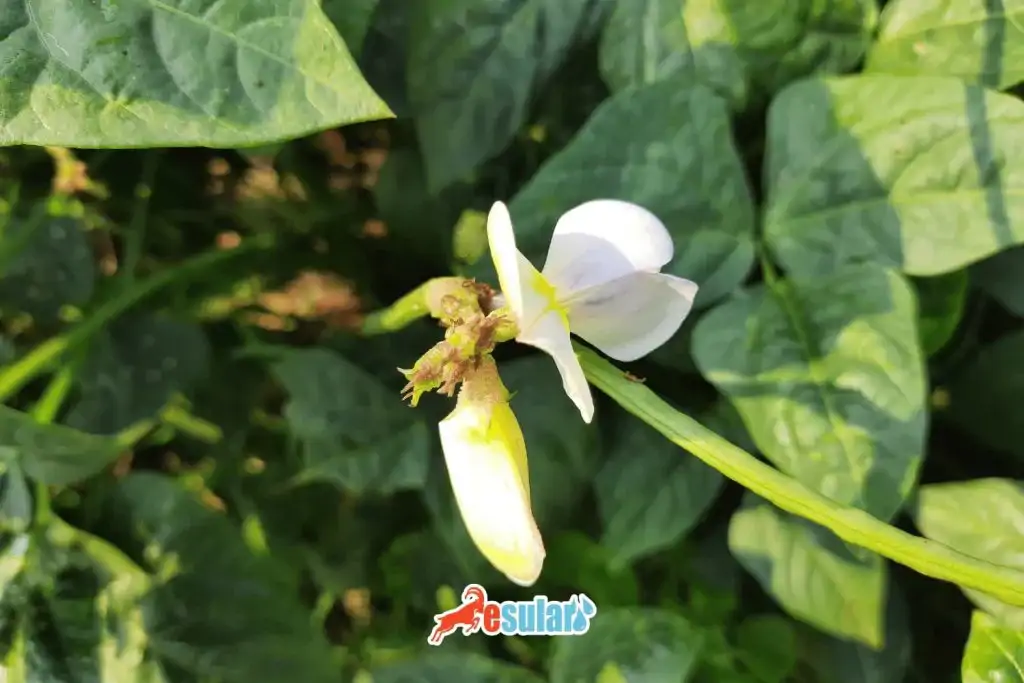
The black-eyed pea is a plant that adapts very well to semi-humid conditions and is among the warm-climate vegetables. It prefers high temperatures during the development period, and the best development temperature is between 20-30 °C. For the germination of seeds, it is ideal for the soil temperature to be 8-10 °C and the air temperature to be 10-12 °C. Excessive temperature and drought can negatively affect fertilization and prevent fruit and seed formation. The black-eyed pea is considered a neutral plant in terms of day length, and low temperatures and day length can encourage early flowering. In terms of soil preference, black-eyed peas can be grown in different types from sandy soils to clayey soils. While light and well-drained soils are preferred for early harvest, it is important for the soil pH to be between 5.5-6.5 for optimum growth. Under these conditions, the black-eyed pea develops healthily and can be grown efficiently.
How to Plant Black-Eyed Peas?
The soil tillage process is an important step in black-eyed pea cultivation. In the autumn, the soil should be plowed and processed deeply. Early soil tillage facilitates decomposition by ensuring organic materials mix into the soil and increases the water level in the soil. In the spring, before seed sowing, the soil is processed several times at a depth of 10-15 cm to both clear weeds and prepare a suitable seedbed for the plant. After the last frosts have passed and the soil has warmed up, black-eyed pea seeds are sown into the re-processed soil. The moisture level of the soil is important in seed sowing; providing sufficient moisture supports germination. Seeds are sown with a seeder or by hand at a depth of 4-5 cm, with 60-70 cm between rows and 10-15 cm within rows. Sowing is done at a rate of 6-8 kg of seeds per decare area. Excess moisture can lead to the rotting of seeds, while insufficient moisture can negatively affect germination.
Irrigation in Black-Eyed Pea Cultivation
Irrigation is quite important in the growth process of the black-eyed pea plant. Generally, furrow-style infiltration irrigation is preferred, and the irrigation program is organized according to climatic conditions and soil moisture. Typically, irrigation is performed at 7-10 day intervals during a vegetation period. Water needs increase especially during the flowering and fruit ripening periods. Irrigation timing is preferred in the early morning hours; at these hours, water evaporation loss is less and plants can use the water more efficiently. The amount of irrigation should be adjusted according to the moisture level of the soil; sufficient irrigation should be provided so that the roots can access water deep down. If the amount of precipitation is low, the frequency of irrigation can be increased. In some regions, black-eyed peas can be grown without irrigation, but this may generally be for grain black-eyed pea production and can be effective on yield.
Fertilization in Black-Eyed Pea Cultivation
The phosphorus requirement for the black-eyed pea plant is quite high. In cases where the soil is well-inoculated with nitrogen bacteria, the plant can generally be self-sufficient in terms of nitrogen. However, the application of phosphorus fertilizers to the soil can significantly increase nodule formation. Generally, fertilizers containing 10-15 kg of nitrogen, 10-12 kg of phosphorus, and 8-10 kg of potassium per decare are recommended. Additionally, depending on soil analysis, other nutrients such as calcium, magnesium, and sulfur should be included in the fertilization program if they are deficient. The balanced nutrition provided in this way supports the healthy growth of the black-eyed pea plant and the obtaining of a productive harvest.
Black-Eyed Pea Harvest
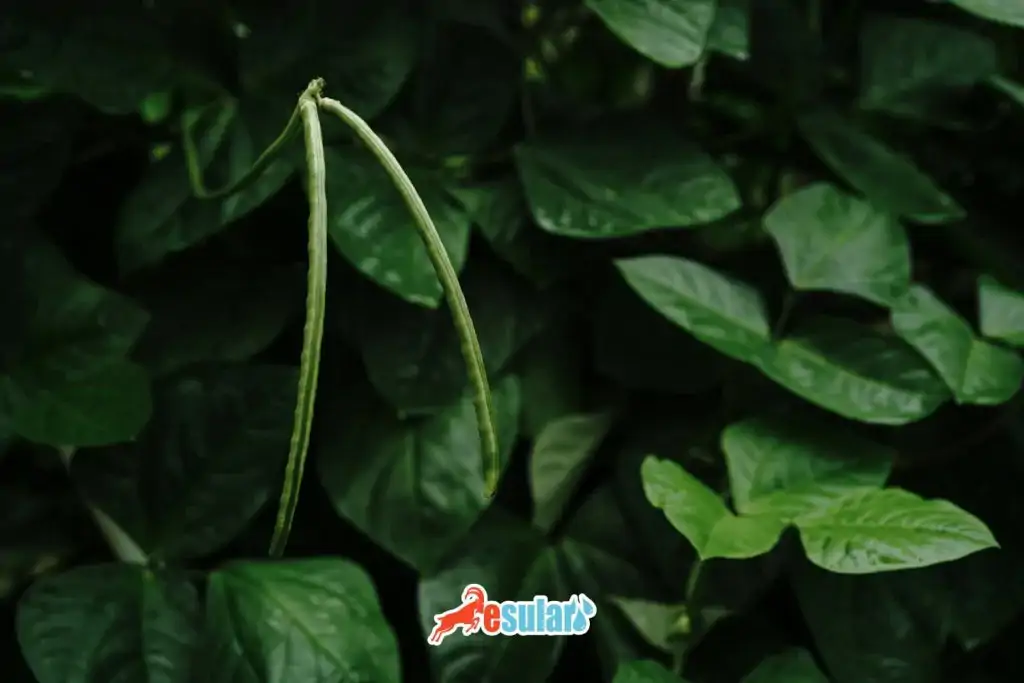
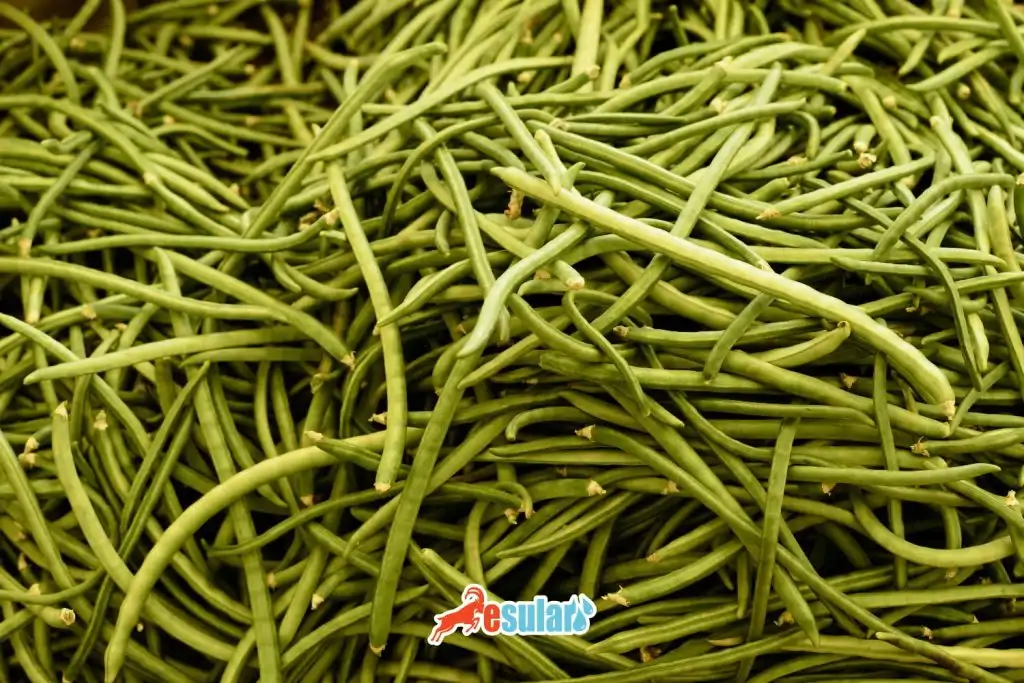
Black-eyed peas are harvested in two different ways: fresh and dry. Fresh black-eyed peas are harvested when the seeds inside the pods are at the milk stage. If there is a delay in the harvest time, the pods become fibrous and are not suitable for fresh consumption. Depending on ecological conditions, the fresh black-eyed pea harvest usually continues for 5-9 weeks and should be done 1-2 times a week. If production is to be made for dry grain, the pods are left on the plant and it is expected for the pods to turn from green to yellow-brown, and from purple to dark purple. It is important to harvest the pods before they crack. Harvested fresh black-eyed peas are usually sent to sales centers in 10-15 kg bags or 5-10 kg crates. Fresh black-eyed peas can be stored in the refrigerator for a few days, but they are generally not harvested for fresh consumption.
How Many Black-Eyed Peas Are Produced from 1 Decare?
Depending on growing conditions and variety characteristics, usually 750-1000 kg of fresh black-eyed peas can be harvested from one decare area. However, this yield may vary depending on maintenance conditions and the variety used, as well as ecological conditions. As dry grain, a grain yield of approximately 100-150 kg can be obtained per decare. Factors such as the correct management of irrigation, fertilization, and disease control in black-eyed pea cultivation are important elements affecting these yields.