Tomato
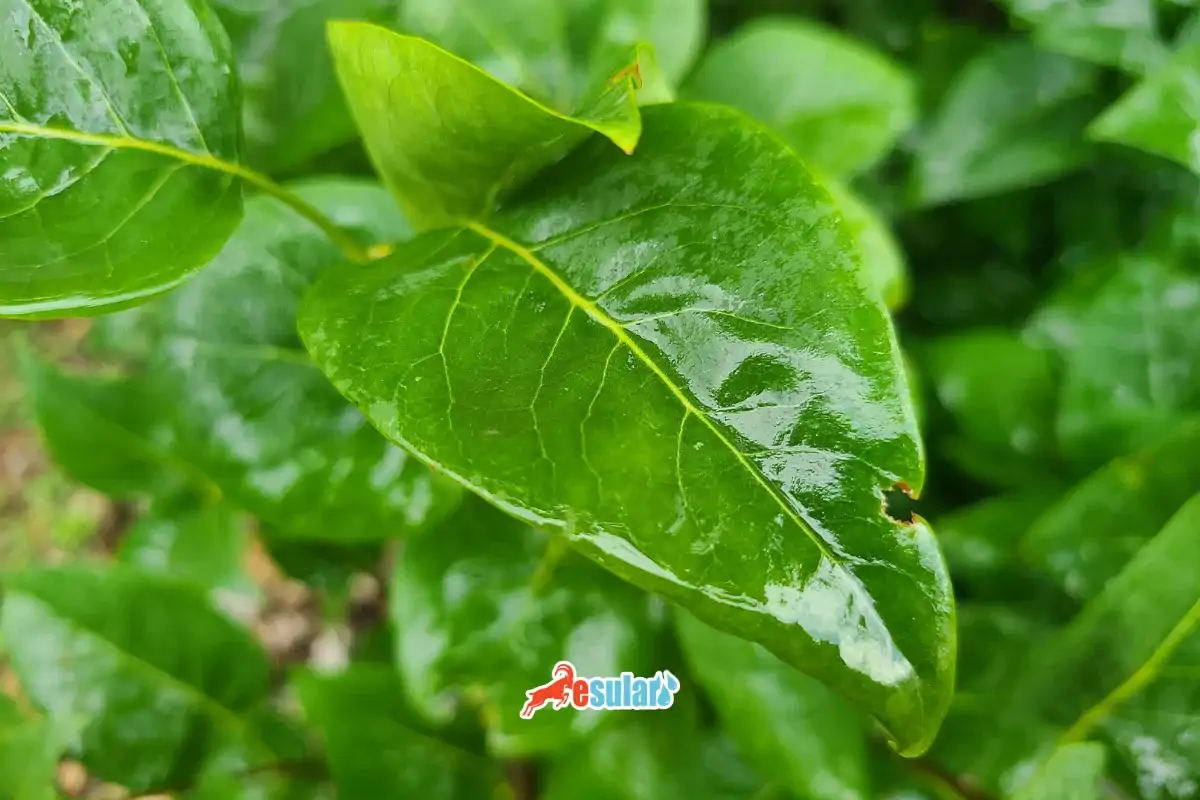
Tomato (Solanum lycopersicum), is generally an annual herbaceous plant from the (Solanaceae) family grown for its edible fruit. The plant is in the form of a short-stemmed upright or long, spreading-stemmed vine. Its stems are covered with hairs and the leaves are arranged spirally. The tomato plant produces yellow flowers and a round fruit that is generally fleshy, smooth-skinned and can be red, pink, purple, brown, orange or yellow in color. The height of the tomato plant is 60 – 120 cm. It is harvested after only one growing season per year. Tomato can also be called the love apple and is of South American origin.
Usage Areas
Tomato fruit can be eaten raw or cooked and is used in many dishes. It can also be processed into juice, soup, ketchup, puree, paste, or powder.
Cultivation
Climate requirement: Tomato is a warm and temperate climate vegetable. When the temperature falls below zero (-2, -3 ºC) during the growing periods, the plant dies completely. Spring late frosts must end for planting seedlings in the field. A difference of 6 ºC to 8 ºC between night and day is desired. Development is good when daytime temperature is 19-26 ºC and nighttime temperature is 14-18 ºC.
Soil preparation: Since the tomato plant is a deep-rooted plant, the soil must be prepared carefully by deep plowing. If there is an impermeable layer called a plow pan 50 cm below the field surface, this layer should be broken with special plows in early autumn.
Maintenance tasks: Hoeing: the first hoeing is done 2 weeks after the seedlings are planted. The second hoeing is done 2-3 weeks after the first hoeing. At this stage, when the plants reach a height of 30-35 cm, stakes are also planted for pole varieties along with the second hoeing. During these hoeings, the earthing up process is also performed. After the second hoeing, weeds are cleared, the soil crust is broken, the soil is aerated, and the moisture in the soil is preserved. Irrigation: tomato loves moisture. In water deficiency, the upper leaves curl. Unless necessary, irrigation should not be done until the fruits reach the size of a walnut; in the later stage, it should be irrigated 2-3 times in rainy regions and 4-5 times in arid regions. Pruning: in open-field tomato cultivation, suckering and topping are performed to obtain quality products in staked pole tomatoes.
Common Diseases Seen in Tomatoes
- Anthracnose Disease in Tomatoes (Colletotrichum coccodes)
- Early Blight in Tomatoes (Alternaria solani)
- Bacterial Canker in Tomatoes (Clavibacter michiganensis)
Category : Fungal Diseases in Tomatoes
Anthracnose Disease in Tomatoes (Colletotrichum coccodes)
Symptoms
Fruit symptoms are the most common, but stems, leaves, and roots can also be infected; the disease causes characteristic sunken circular lesions on the fruit; indentations on it may have visible concentric brown and yellow rings; lesion centers turn tan as they mature and become dotted with small black fungal fruiting bodies (microsclerotia); lesions can grow very large.
Agent
Fungal
Disease Development Conditions
Warm weather favors the emergence of the disease; it appears in the early stages of spring.
Control Methods
Avoid sprinkler irrigation as the fruit ripens; rotate crops with other non-solanaceae plants.
Early Blight in Tomatoes (Alternaria solani)
Symptoms
Early blight symptoms start as oval-shaped lesions with a yellow chlorotic zone along the lesion; concentric leaf lesions can be seen on infected leaves; leaf tissue between veins is destroyed; severe infections can cause leaves to collapse completely; as the disease progresses, leaves are severely scorched, leading to yield loss; tomato stems can be infected with the fungus leading to Alternaria stem canker; the first signs of stem canker are the development of dark brown areas on the stem; stem cankers can grow to encircle the entire stem, resulting in the death of the whole plant; brown streaks can be found in the vascular tissue above and below the canker area; fruit symptoms include small black v-shaped lesions on the shoulders of the fruit (the disease is also known as black shoulder); lesions can also appear as dark spots with concentric ring patterns on the fruit; fruit lesions that can be seen in the field or develop during fruit transition to the market; lesions may have a velvety appearance resulting from the sporulation of the fungus.
Agent
Fungal
Disease Development Conditions
The disease can spread rapidly after plants bear fruit; the movement of airborne spores and contact with infested soil are the causes of disease spread.
Control Methods
Apply appropriate fungicide at the first sign of the disease; Destroy diseased plants; apply crop rotation.
Gray Mold in Tomatoes (Botrytis cinerea)
Symptoms
The disease appears on tomato seedlings as a fuzzy gray-brown lesion at or just below the soil line and usually encircles the stem, if the stem is girdled all parts of the plant above the lesion begin to wilt; infected flowers and calyxes are covered with gray spores; immature fruits turn light brown or gray and rot; circular white rings called "ghost spots" form on green fruits infected by airborne spores.
Agent Fungal
Disease Development Conditions
Gray mold is usually associated with wounds in plants; it can develop in relatively cool conditions.
Control Methods
Liming the soil to increase calcium content can help reduce the plant's susceptibility to gray mold; application of appropriate fungicide before dense canopy formation.
Category : Bacterial Diseases in Tomatoes
Bacterial Canker in Tomatoes (Clavibacter michiganensis)
Symptoms
Bacterial canker can affect tomato plants of all ages, seedlings can die rapidly when infected; the first symptoms of bacterial canker are one-sided wilting of plants and the formation of light-colored streaks up and down on the outside of the leaf midrib, petiole, and stem; streaks on the stems can break and turn into cankers; mature leaves develop small necrotic spots on the upper leaf surfaces or small raised white spots on the leaves; white spots on fruits usually form while they are still green; spots on fruits form a raised dark center and are known as "bird's-eye spots".
Agent Bacterial
Control Methods
Plant only certified seeds and transplants; heat treatment of seeds with hot water to remove bacteria; rotate plants with non-host plants; turn crops into the soil after harvest to promote decomposition.
Bacterial wilt Ralstonia solanacearum
Symptoms
The first symptoms of the disease are the wilting of a few of the youngest leaves; the disease progresses rapidly in hot weather and the entire plant suddenly wilts and dies; in cooler conditions, wilting is less rapid and the plant may produce roots on the stems; vascular tissue shows brown discoloration and rotting roots; stems cut under water will leak bacterial exudate and confirm that the symptoms are not caused by Fusarium wilt.
Agent: Bacteria
Disease Development Conditions
Bacterial wilt can cause complete destruction of the crop under conditions suitable for the spread of soil-borne bacteria; the disease causes serious losses in tomatoes grown in tropical and subtropical regions.
Control Methods
Cultural practices can help reduce disease incidence, rotate tomato with other non-sensitive crops; avoid overwatering plants.
Category : Other Diseases in Tomatoes
Blossom End Rot
Symptoms
Blossom end rot is caused by low calcium concentration in the tomato fruit; symptoms initially appear as light tan, water-soaked areas and can later grow and turn black and leathery in appearance; symptoms are most commonly seen at the blossom end of the fruit, but can also be seen on the side of the fruit; blossom end rot can also occur internally without any visible symptoms on the outside of the fruit.
Agent
Physiological disorder.
Disease Development Conditions
Low calcium can be caused by competition from other ions in the soil such as potassium; it can also be caused by drought stress.
Control Methods
Maintain soil pH at 6.5; lime soil to increase calcium concentration in the soil and reduce competition with other ions; use mulch to reduce drought stress; avoid ammonium fertilizers as they can increase competition with calcium by increasing ammonium ions in the soil, use nitrate instead; avoid over-fertilization.
Catface - Cracking in Tomatoes
Symptoms
Catface usually occurs at the blossom end, tomato fruits are usually misshapen with large holes or corky brown scars near the blossom end of the fruit; fruits are usually flattened and may be kidney-shaped; holes on the fruit extend deep into the fruit.
Agent
physiological disorder
Disease Development Conditions
Catface deformity is likely caused by internal or external changes occurring during flower formation that cause abnormal fruit development; the exact cause is unknown, several factors may be involved in fruit deformation; cold weather, along with extreme fluctuations in temperatures between day and night, is known to be a factor; hormone-based herbicides can also cause catface formation; varieties producing large tomatoes are more prone to catface.
Control Methods
Avoid over-pruning tomato plants; avoid over-fertilization with nitrogen which promotes rapid vegetative growth; if you are growing tomatoes in a greenhouse, provide heat to the plants to prevent temperatures from dropping to harmful levels, especially at night.
Category : Virus Diseases in Tomatoes
Tomato Mosaic Virus (Tmv)
Symptoms
Symptoms can appear at any growth stage and any part of the plant can be affected; infected leaves usually exhibit dark green mottling or mosaic; some strains of the virus can cause yellow mottling on leaves; young leaves may be stunted or distorted; severely infected leaves may have enlarged green areas; fruit yield is reduced in infected plants; green fruits may have yellow spots or necrotic spots; dark necrotic streaks may appear on stems, petioles, and fruits.
Agent
Virus
Disease Development Conditions
TMV is a closely related strain of Tobacco mosaic virus (TMV) and enters fields through infected weeds, peppers, or potato plants; the virus can also be transmitted to tomato fields by grasshoppers, small mammals, and birds.
Control Methods
Virus-resistant plant varieties; heat treatment of seeds at 70°C for 4 days or 82–85°C for 24 hours will help eliminate any virus particles on the surface of the seeds; soaking the seed in a 100 g/l tri-sodium phosphate solution (TSP) for 15 minutes can also eliminate virus particles - after this process, seeds should be rinsed thoroughly and allowed to dry; if the virus is confirmed in the field, infected plants should be removed and destroyed to limit further spread; planting tomatoes with a 2-year rotation avoiding sensitive crops such as pepper, eggplant, cucurbits, and tobacco; disinfect all equipment when moving from infected areas of the field.
Tomato spotted wilt virus (TSWV)
Symptoms
Infected plants exhibit bronzing or purpling on the upper parts of young leaves and develop necrotic spots; leaf spots may resemble spots caused by bacterial spot, but the bacterial ooze test will be negative; leaves may curl downwards, shoot tips may begin to die back; symptoms on mature fruits are seen as chlorotic spots and blotches, usually with concentric rings; ring spot symptoms vary according to different tomato varieties; irregular ripening caused by TSWV can also occur when fruits are treated with ethylene gas; green fruits may exhibit slightly raised areas with pale concentric zoning.
Agent
Virus
Disease Development Conditions
TSWV infects a large number of ornamental plants, vegetables, field crops, and weeds; the virus is vectored by at least eight species of thrips; thrips acquire the virus in their larval stages and transmit the virus when they become adults.
Control Methods
Control Western flower thrips and onion thrips populations.
Tomato Yellow Leaf Curl disease / Tomato Yellow Leaf Curl Virus (TYLCV)
Symptoms
Infected leaves shrink, curl upwards, appear wrinkled, and show yellowing in the veins and leaf margins. The internode shortens and the whole plant appears stunted and bushy. The whole plant stands upright with only upright growth. Flowers may not develop and may fall off.
Agent
Virus
Disease Development Conditions
The virus is transmitted by whiteflies and can cause 100% yield loss if plants are infected early in the crop. The virus also infects other hosts such as common beans, ornamental plants, and various weed species.
Control Methods
Grow available resistant varieties. Transplant only seedlings that are free of disease and whiteflies. Remove and burn infected plants. Keep the field free of weeds. Use yellow sticky traps to monitor and control whiteflies. If insect infestation is severe, spray appropriate insecticides.