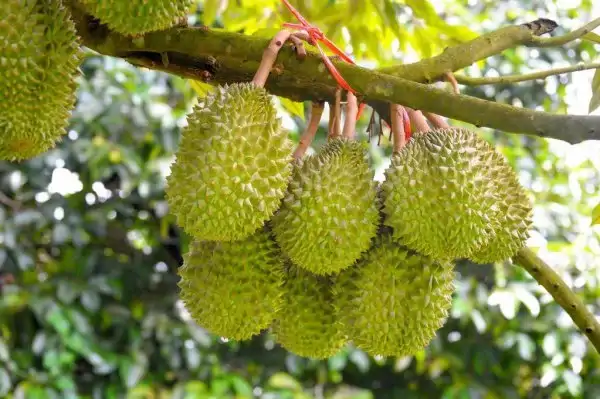
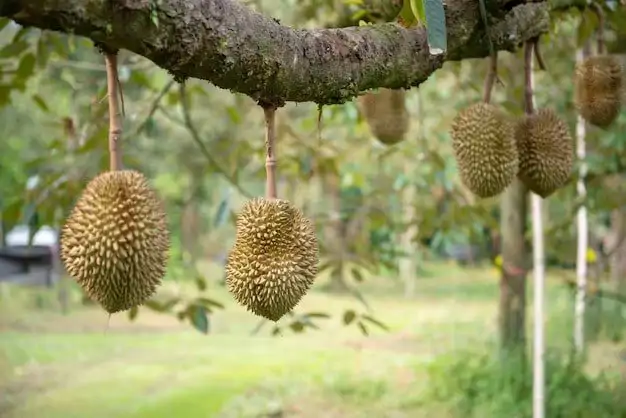
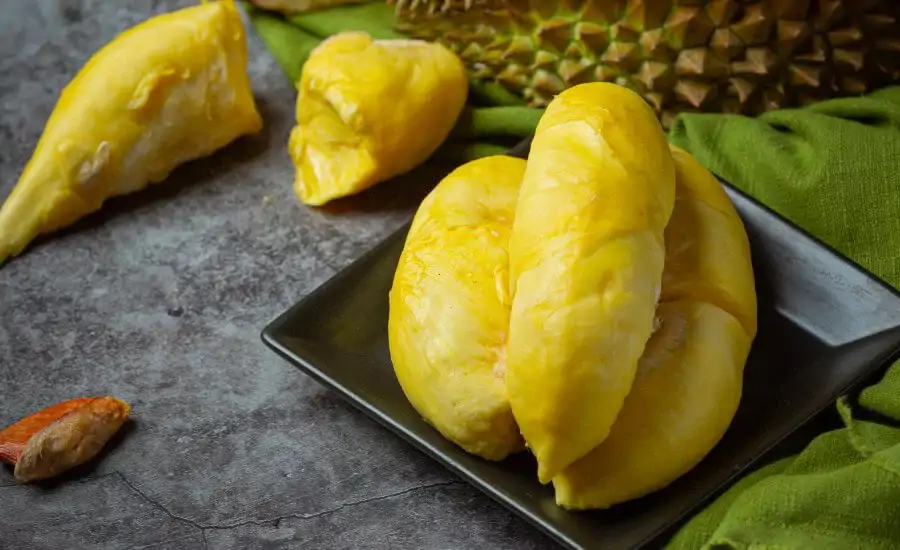
What is durian fruit? How is durian fruit cultivation done? Known as the “King of Fruits” in many Southeast Asian countries, durian is a unique and intriguing flavor. Durian is a fruit that grows on different tree species throughout Southeast Asia. While the outside is covered with a thick, brown rind covered in large thorns, the inside contains light yellow, fleshy capsules.
Even if you have never seen the durian fruit, you have probably heard of its intense smell. Although it receives great interest in Southeast Asian countries, its smell is so intense that this fruit is banned in hotels and public transportation systems in places like Singapore, Thailand, Japan, and Hong Kong. Due to its smell, durian has been subject to much criticism. Research has shown that durian contains aromatic compounds associated with sulfur, rotten onions, cabbage, and natural gas leaks, but it also contains exceptionally high concentrations of fruity compounds that can be attractive. Unfortunately, the negative aspects regarding the smell of durian cause most people not to even try its taste. Despite its smell, fresh, ripe durians have an incredibly delicious and sweet taste.
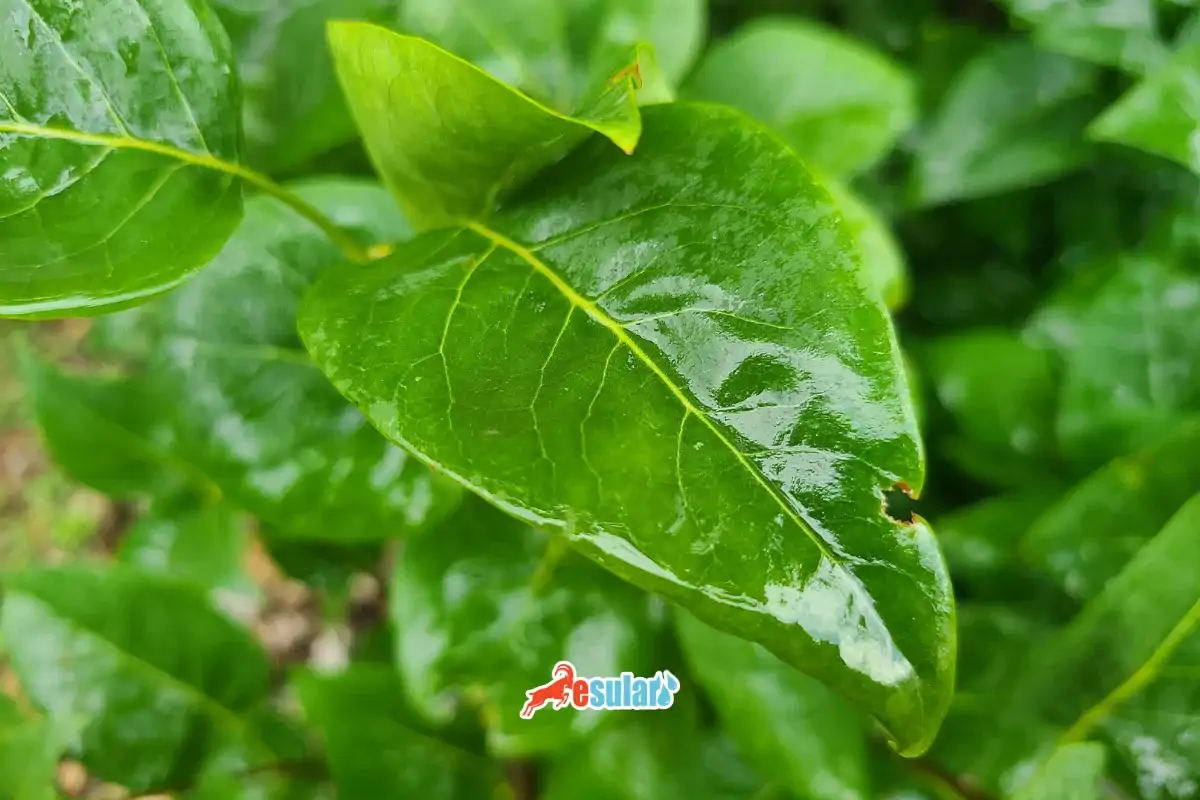
The durian fruit is a tree that shows the ability to be harvested twice a year, but its performance may vary depending on the climate and geological characteristics of the place where it is grown. Durian fruit starts to yield products 3-5 years after planting, and the fruits ripen approximately three months after flowering. Although there are many different durian varieties worldwide, only one species has commercial value: Durian Ziebethinus. Despite having a long history in Western countries, Indonesia and Malaysia are considered the natural habitats of Durian. The largest exporter of durian is Thailand. The edible fleshy part of the durian fruit is quite sweet and very rich in vitamin C, potassium, carbohydrates, and protein. Durian trees can grow up to approximately 40-50 meters in height and their leaves remain evergreen. Since these trees bear fruit twice a year, they bloom twice a year. After pollination, Durian fruits ripen completely within about three months. Therefore, Durian fruit does not grow in regions where daily temperatures drop below 22 degrees.
How is Durian Fruit Cultivation Done?
Durian needs specific conditions to develop. For it to grow successfully, durian needs constant temperatures between 75ºF and 85ºF. At any temperature below 45ºF, the durian tree loses its leaves and likely dies. Durian also loves water. Trees need at least 152 cm of rainfall per year, but they perform best with as much as 381 cm of rainfall. If rainfall is below these levels, sufficient water should be provided to the tree through irrigation. Humidity should be between 70% and 90%. Therefore, high humidity and adequate irrigation are important for durian trees. For these trees, which are harvested twice a year, the water requirement may increase even more during fruit ripening periods. The pH level of the soil should be between 5.5 and 6.5. Durian trees love rich, loamy soil with good drainage.
Fertilizer
Use a good quality slow-release fertilizer and apply it twice a year. Mix the fertilizer into the soil after the fruit is harvested and apply it just before flowers appear for the next time. Especially, the tree usually does not bear fruit in the first four to five years, so it will take a few seasons to figure out the timings.
Irrigation
Irrigate every day for the first four months, especially if you are planting a stem plant. After that, provide water frequently, ensuring that water does not accumulate at the base of the trunk and roots. The soil should remain moist but not wet.
If the weather becomes dry and humidity drops, mulch with straw or similar and irrigate well. Think of a rainforest environment. This is what you want to reproduce as much as possible.
Pruning
Durian trees grow so large that pruning should usually be done within the first one to two years. As the tree ages, prune diseased and damaged branches. If you already have fruit trees, treat your durian tree the same way and prune it when you prune other trees in your garden.
Spacing
If you are planting more than one durian tree, leave a distance of 900 to 1500 cm between them. The tree is pollinated by fruit bats, birds, and insects, so fruit yield is better if you plant more than one tree.
Common Problems Encountered While Growing Durian Fruit and Suggested Solutions?
Stem Spot
This is a common disease affecting many different plants. Symptoms vary depending on the type of plant affected. With durian, symptoms appear as root rot, fruit rotting before fully developing, and leaves rotting without a cause. Usually, chocolate-colored spots are seen on the leaves and fruits, followed by the spread of the spots and the occurrence of rot. Inside the spots, there is usually a type of tree sap or a sticky substance. There are several fungicides you can use, so I recommend talking to an expert in your local area. To manage this disease effectively, you may sometimes need to use various fungicides at different times.
Root Rot
As the name suggests, this is a condition where the roots rot and ultimately kill the tree. To prevent this, ensure the soil has good drainage so that the roots do not remain in water puddles.
Leaf Blight
Reddish or yellow spots appear on the leaves and spread outward. This usually affects young trees and is caused by a fungus. Use a fungicide or, if the tree is small enough, you can use your own baking soda spray. Use half a teaspoon of baking soda in a gallon of water. Mix well and spray on the leaves to cover the front and back surfaces.
What are the Benefits of Durian Fruit?
High Nutritional Value: Durian contains a range of important nutrients such as vitamin C, potassium, fiber, and carbohydrates that provide energy.
Source of Antioxidants: Durian is rich in antioxidants that fight against free radicals in the body. This can help reduce cellular damage.
Digestive Health: Durian is a fruit rich in fiber, which supports digestive health and prevents constipation.
Eye Health: Durian is rich in vitamin A, which is important for eye health. Vitamin A protects visual function.
Bone Health: Durian contains calcium and phosphorus, which are minerals that support bone health.
Immune System Support: With its vitamin C content, durian can strengthen the immune system and provide protection against infections.
What are the Harms of Durian Fruit?
High Calorie Content: Durian is a high-calorie fruit, so it can cause weight gain when consumed excessively.
High Saturated Fat Content: Durian can be rich in saturated fat, which can affect cholesterol levels.
Intense Smell: Durian has a sharp and unpleasant smell, and for some people, its consumption is intolerable.
Allergic Reactions: Some people may experience allergic reactions after eating durian, so caution should be exercised.
Diabetes Risk: The high carbohydrate content of durian can increase the risk of diabetes, so it is recommended that diabetic patients limit their consumption.
Digestive Problems: Some people may experience digestive problems after consuming durian, so excessive consumption should be avoided.
Remember that the benefits and harms of durian can vary from person to person. If you have any specific health condition or are trying a new food, it is important to consult a health professional.