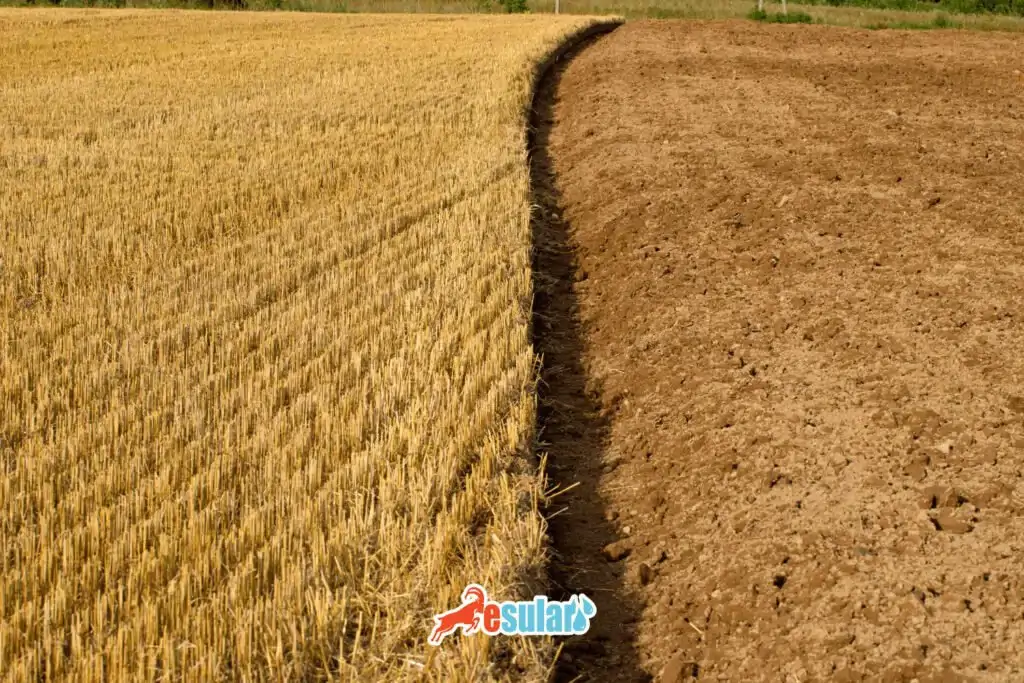
What is stubble, stubble is the name given to the roots and stalks of plants left in the soil after being harvested as a result of agricultural production. Although burning stubble is common in agricultural practices, it is scientifically accepted that stubble burning is harmful.
Among the main reasons for burning stubble is that the Carbon/Nitrogen ratio of the roots and stalks of plants is high compared to other organic materials. This situation causes the stubble to decompose more slowly in nature and to become a shelter and food source for harmful organisms that can damage cultivated plants. The main harms of burning stubble are the death of beneficial organisms that carry out important events such as photosynthesis and decomposition in the soil during burning, and therefore the decrease in soil fertility.
Benefits of Stubble
Stubble cover protects the field surface from the impact of rain, preventing the clogging of capillary openings and preventing the soil surface from becoming slick.
Stubble cover reduces water loss by creating a high-humidity environment between the soil surface and itself, preventing water loss through evaporation.
Stubble cover prevents rainwater from flowing rapidly over the soil surface, allows precipitation to penetrate the soil better, and prevents surface runoff and water erosion.
Stubble cover prevents the wind from moving soil particles or stops wind erosion by breaking its speed.
Harms of Stubble Burning
Stubble includes elements such as plant roots remaining in the soil, fields planted without being left fallow, corn stalks, unharvested field stalks, weeds at field borders, and the stalks of harvested crops remaining in the field.
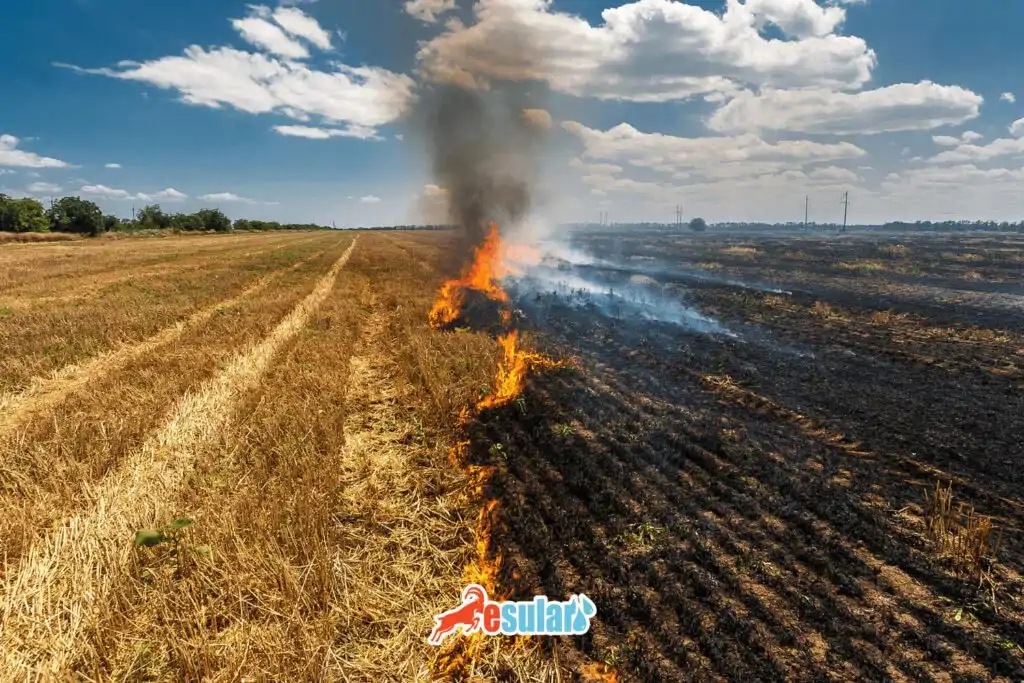
Burning stubble for purposes such as accelerating soil preparation after cereal harvest, facilitating tillage, combating diseases and pests, providing weed control, and eliminating plant residues economically is an application frequently encountered despite being prohibited.
The consequences of stubble burning include a series of risks such as forest fires, damage to telephone and energy transmission lines, formation of fog causing various traffic accidents, damage to fields where the fire jumps, and the burning of animal shelters and residential units in nearby villages. Stubble burning incidents cause billions of liras in material damage annually.
The harms of stubble burning are not limited to these. A few negative effects of stubble burning are as follows:
Stubble fires reduce soil fertility by causing beneficial organisms and organic matter in the soil to burn and disappear.
Nutrients beneficial to plants decrease in soil where stubble is burned, which causes the fertility of the soil to drop over time.
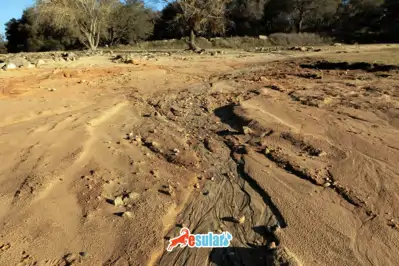
Stubble burning increases water and wind erosion, leading to the loss of valuable layers on top of the soil.
It is known that stubble burning disrupts the natural balance, causing harmful insects and diseases to multiply.
To prevent stubble fires, it is important to harvest cereals with a combine harvester close to the soil surface. Thus, the amount of remaining stalk decreases, and decomposition and fragmentation processes accelerate. The stalk and straw windrows left behind the combine harvester after cereal harvest can be baled and used as animal feed or bedding, or evaluated for industrial purposes. After these stalks and straw, called windrows, are removed from the field, the remaining stubble should be shredded with stalk shredding machines and mixed into the soil. Tillage performed in this way ensures that the stubble is mixed into the soil and prevents the potential harms of stubble burning. Sowing seeds directly into the stubble using no-till farming methods is also an option.
Within the scope of the Environmental Law, administrative fines are applied to those who engage in stubble burning activities. Furthermore, if stubble burning is carried out in areas close to forest areas, wetlands, or residential areas, this fine is increased fivefold.