The curiosity about the question of how okra cultivation is done is quite understandable. Both the taste and nutritional value of okra are sufficient to explain the interest in the question of how okra cultivation is done. Okra is generally a traditional vegetable type grown with specific village varieties and in certain regions. Due to the intensive labor required for okra sowing, weeding, and harvesting, it is generally carried out in small areas. This vegetable provides convenience and economic advantage to producers as it can be grown without water on slightly sloping and unproductive soils. At the same time, irrigated cultivation of okra is also widely performed.
Okra Growing Conditions
When is okra sown?
Since okra is a vegetable suitable for warm climate conditions, it should not be sown before the air temperature reaches 16°C and the soil temperature reaches above 15°C. Seed sowing time varies depending on geographical regions. Soil moisture is of great importance in seed sowing. The sowing date is determined based on air and soil temperatures and the readiness of the soil, and it can generally take 15-20 days for a specific region. For example, in the Black Sea Region, the sowing time in Samsun generally starts around May 5 and lasts for about 20 days.
How is okra sown?
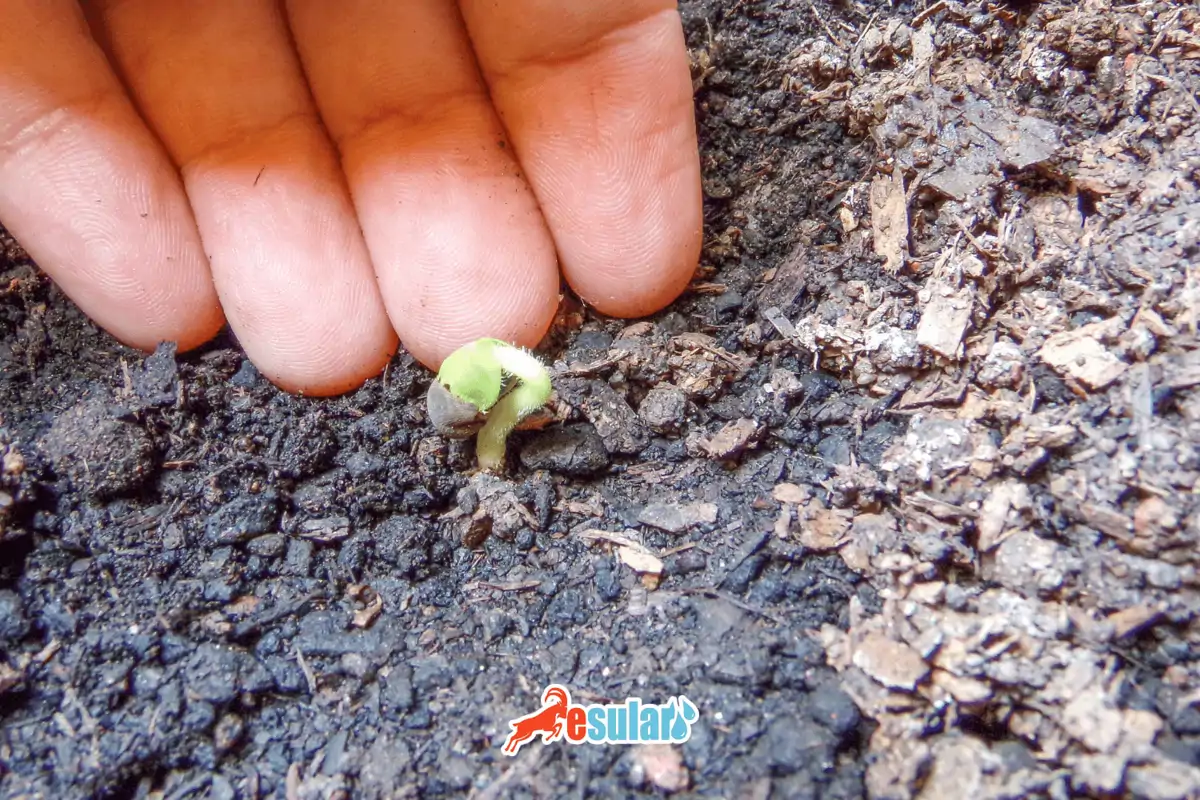
Typically, it is carried out in the form of direct seed sowing on the neck parts of the furrows created in the field. It is also possible to produce by direct seed sowing in a flat field. In spring, the soil is sufficiently plowed and leveled so as not to be very deep. On the leveled field, the ridges where sowing will be done are opened at 40-50 cm. If the soil tilth is suitable, seed sowing is carried out immediately. If the soil tilth is not suitable, flood irrigation is given to the ridges and it is expected for the soil tilth to form. After the soil tilth is formed, sowing is done at the neck points of the ridges with a row-to-row distance of 20-25 cm and 2-3 cm deep, with 3 seeds per hill. A handful of burnt farm manure is placed on each hill. This application prevents the formation of a crust layer. If the seeds are sown too deep, germination and the emergence of seedlings above the soil may become difficult. If the seeds are kept between wet cloths for one day before sowing, they will swell and encourage germination; seeds sown in this way will germinate quickly if the soil tilth is suitable and emerge on the soil surface within 2 weeks.
In okra cultivation to be carried out without irrigation, after the same soil preparation, seed sowing is done in a flat field by hand or with a seeder with row-to-row distances of 40-50 cm and row-top distances of 15-20 cm. 1.5-2 kg of seeds are sufficient for a one-decare area.
Where does the best okra grow?
Okra can be grown almost anywhere where irrigation is possible, except for regions where the vegetation period is shortest, depending on Turkey's climate conditions and geographical features. Especially in the Mediterranean, the depression plains of the Aegean Region, and the Black Sea Region, it can grow successfully in the basins located south of the North Anatolian Mountains, except for the north-facing slopes of these mountains where rainfall is received in all seasons and cloudiness is high. Except for high regions such as the northeast of Eastern Anatolia and the Erzurum, Kars, Ardahan plateaus, it is possible to grow okra in a wide geography where it can show adaptation.
In which month is okra planted?
Okra is mostly sown in May. However, depending on climate conditions, this time interval can vary from the end of April to the beginning of June. Okra seeds should be placed in the soil at a certain depth and interval during sowing. A row-to-row distance of 40-50 cm and a row-top distance of 15-20 cm are recommended.
What Needs to be Done for Okra to be Productive
Maintenance processes are similar in flat field or ridge production. However, in ridge production, thinning is done by leaving 2 plants in each hill. If necessary, thinning can be applied in flat field sowings.
Hoeing: After the plants complete their emergence, thinning is done by leaving 2 plants far from each other in each hill in ridge production and the first hoeing is carried out. In flat field sowings, the first hoeing is done when the plants have 2-3 true leaves. During this hoeing process, weed growth is prevented and soil aeration is provided. In productions where irrigation is not performed, the second hoeing is started when the plants reach a height of 15-20 cm. Subsequently, a third hoeing is applied if necessary, depending on the development of the plants.
How Should Okra Irrigation Be?
In ridge farming applications, irrigation is done when necessary, depending on climate conditions, along with seed sowing. In okra cultivation, providing water especially after the first fruits appear has a positive effect on yield. However, sprinkler irrigation should definitely not be applied as it encourages powdery mildew disease.
Fertilization in Okra
Depending on the results of soil analysis, a commercial fertilizer containing 3-4 kg of nitrogen (N), 8-10 kg of phosphorus pentoxide (P2O5), and 10-12 kg of potassium oxide (K2O) per decare is applied by mixing it to a depth of 0-15 cm with a disc harrow. Additionally, it is recommended to apply 2-3 tons of burnt barn manure per decare. Limiting the application of nitrogenous fertilizers is important to prevent excessive plant height. In the Marmara Region, okra production is possible in arid lands without the use of water and fertilizer.
Okra Diseases and Pests
One of the most important diseases in okra production is powdery mildew and aphids are one of the most important pests. Other than that, the main diseases and pests of okra are rarely encountered. However, precautions should be taken against fungal diseases and whiteflies, especially such as root rot. Weed control in okra production can be provided entirely by the hoeing process. 2-3 hoeing processes carried out depending on the production season are sufficient for weed control.
Okra Harvest
One of the stages that significantly affects okra production is harvest. The hairs between the fruit, fruit stalk, and leaves can create discomfort for collectors during harvest. Depending on the varieties, the okra plant starts to bloom approximately 40-60 days after seed sowing. The flowering process also differs depending on the varieties.
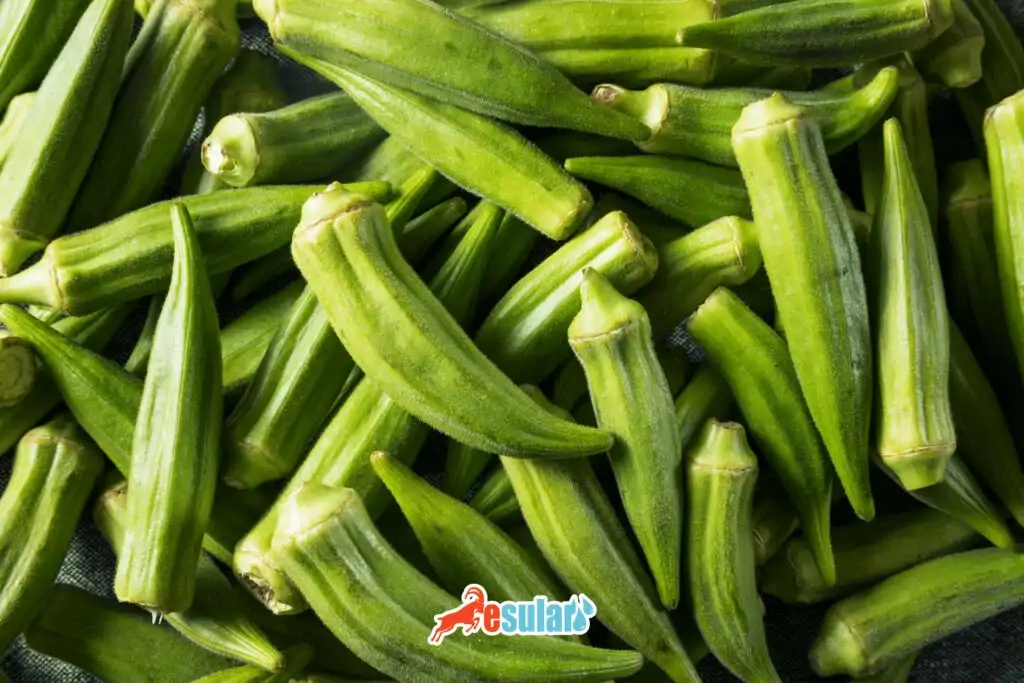
Okra harvest is carried out one day after flowering or three to four days later, depending on the intended use and variety. One of the harvest criteria is the moment the fruit reaches one-third of the normal variety size. This size, although varying by variety, is generally between 1.5 and 4.0 cm. As okra is harvested, new flower formation in the plant is encouraged. Depending on the region and variety, the harvest period of the okra plant can vary between 1.5 and 4 months. Harvest is carried out by pulling the fruits downwards. An efficient worker can collect 10-15 kg of okra per day. However, in small-fruited varieties such as Amasya flower okra, this amount may be even less.
Okra Yield: With appropriate cultivation methods and maintenance conditions, along with the use of a good variety, it is possible to obtain a yield between 500-800 kg per decare. In some foreign okra varieties, the yield can go up to 4000 kg/da.